
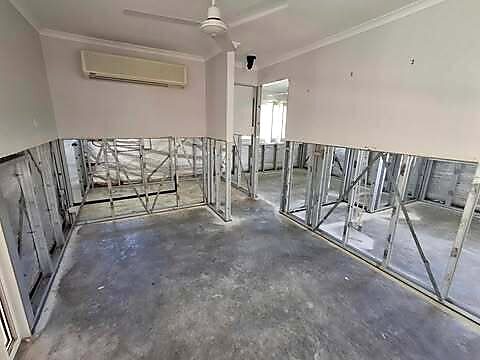
After a storm, burst pipe or roof leak, removing visible water is only part of the recovery. Building materials can remain wet in cavities, beneath flooring or behind cabinets, creating conditions that support mould. Brisbane and Sunshine Coast owners need a coordinated response that considers safety, the water source, contamination and drying before rebuilding. This guide explains a practical sequence for water damage and mould remediation without assuming that every incident needs the same equipment, has the same contamination level or will take a fixed number of days.
Put safety ahead of salvage
Keep clear of water near electrical systems, unstable ceilings and damaged structures. Obtain appropriate urgent assistance before entering unsafe areas or using electrical equipment. Floodwater or sewage-related incidents need particular care because contamination may be present beyond visible mould. A remediation team should assess the circumstances rather than classify water solely by how long it has been sitting or how clear it appears.
Do not run domestic fans across visibly mouldy materials as a substitute for assessment, and do not begin demolition without considering services and material hazards. If safe, stop an accessible source using the appropriate means and arrange the relevant plumber, roofer or other qualified trade. Source repair, emergency make-safe and restoration may involve different contractors, so tell each one what has happened and what work is already underway.
Record the incident and contact the insurer
When it is safe, photograph the affected areas and record the incident date, known source and rooms involved. Retain repair invoices and communications. Contact your insurer or insurance builder early to clarify approval requirements and evidence they need. Do not assume that every mould problem is covered or that remediation documentation determines an insurance decision. Policy terms and the circumstances of the claim remain matters for the insurer.
Storms around Brisbane or the Sunshine Coast can create more than one entry point, while a burst pipe can send water into adjoining rooms. Initial photographs help, but they cannot establish every concealed wet material. Explain whether water reached carpets, cabinetry, wall bases or the roof space. A clear history helps the assessor map damage and identify what needs further access or monitoring.
Assess water spread and material condition
The restoration assessment may use visual inspection, moisture mapping and thermal imaging to guide investigation. These methods need interpretation and do not directly identify mould species. Water may have travelled below floor finishes or along framing, so the work area can extend beyond the visible puddle. Record inaccessible spaces and agree how additional findings will be addressed if affected materials are exposed.
Not all wet materials can or should be retained. Their condition, contamination, construction and access influence whether extraction, cleaning, removal or specialist restoration is appropriate. Wet insulation or damaged plasterboard may obstruct drying or require removal. A scope should explain those decisions and any contents work separately, rather than treating one machine or one spray as a complete response to every water event.
Drying and mould remediation are related but distinct
Prompt attention to wet materials helps reduce the conditions that support growth. However, no universal clock can establish whether mould is present or absent after an incident. Temperature, materials, contamination and moisture conditions vary. If established growth is found, drying alone does not physically remove it. The plan may need containment, cleaning or controlled removal alongside source repair and structural drying.
Drying equipment should be selected and monitored against the actual job. Moisture readings and suitable dry references help determine progress, while weather and building access can affect the process. Opening windows is not always beneficial in humid conditions. Follow the team's instructions and ask how completion is measured. Rebuilding simply because a set number of days has passed can cover materials that still need attention.
Coordinate verification and reinstatement
Before new linings or flooring are installed, agree the remediation and drying handover criteria with the builder. An independent occupational hygienist may be involved where the loss or insurer's requirements warrant separate assessment or post-remediation verification. That process should be scheduled while relevant areas remain accessible. A satisfactory result for a defined scope is not a guarantee against another storm, leak or future condensation problem.
The Mould Removers supports water damage restoration, strip-outs, mould remediation and structural drying, and supplies a full documented report at the end of every job. Relevant photos, readings and completed work help owners and builders understand the handover. For Brisbane or Sunshine Coast storm and leak damage, request a quote with the incident details or call 0418 344 573 to discuss an assessment.
Frequently asked questions
If the carpet feels dry, is the building ready for repairs?
Not necessarily. Underlay, subfloors and adjoining materials may remain damp. Appropriate measurements and material assessment are more useful than touch alone when deciding whether the agreed drying requirements have been met.
Does every water leak require mould remediation?
No. The response depends on the findings and material condition. Water restoration and drying may be sufficient in some situations, while established contamination requires a separate cleaning or removal plan.
Further reading & official guidance
General advice is not a property assessment, medical advice or legal advice. The official resources below inform the cleaning, moisture and tenancy guidance; descriptions of our services come from The Mould Removers.