
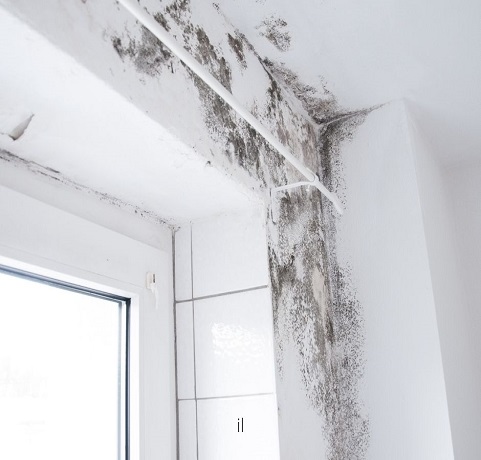
If mould keeps returning in a Brisbane home, another coat of paint or a stronger cleaning product may not address the underlying problem. Professional mould removal starts by working out where moisture is coming from, which materials are affected and whether growth extends beyond the visible patch. This guide explains how Brisbane property owners can move from noticing mould to organising a practical treatment and prevention plan. The aim is not to remove every fungal particle from a building, but to address abnormal growth and the conditions supporting it.
Why Brisbane properties develop mould
Warm, humid weather creates challenges, but different buildings have different moisture pathways. In older Queenslanders around Paddington or Red Hill, enclosed under-house rooms and poorly ventilated subfloors can remain damp. In newer homes around North Lakes or Springfield, a concealed plumbing leak, wet-area defect or condensation may be more relevant than the building's age. Location provides context; it does not establish the cause without an inspection.
Brisbane storms can also wet roof spaces, ceiling insulation and wall cavities. Water may travel away from its entry point, so a stain in one room does not always identify the leak above it. Properties around creeks and the river may need investigation after inundation, even when exposed surfaces look dry. Record when growth appeared and whether it followed rain, a plumbing incident or a change in ventilation.
When professional assessment is worthwhile
A small, accessible patch on a washable surface is different from widespread mould on plasterboard or a persistent musty smell behind cabinetry. Seek an assessment if growth returns after cleaning, materials feel soft, there is a known leak, or multiple rooms are affected. Photographs are useful for the initial discussion, but they cannot show the condition of concealed framing or prove that a material is dry.
Before an inspection, note the affected rooms, the approximate size of visible growth and any repair history. Avoid sanding, brushing or opening suspect walls yourself. If a ceiling is sagging or water is near electrical fittings, keep clear and obtain appropriate urgent assistance. Mould remediation does not replace an electrician's safety check, a plumber's repair or a roofer's investigation.
What professional mould removal involves
The Mould Removers uses visual assessment, moisture readings and thermal imaging to help develop a scope. Thermal images indicate temperature differences; they do not directly identify mould. Findings need to be interpreted alongside the building's condition and measurements. The agreed work may involve containment, HEPA filtration, detailed cleaning, removal of affected porous materials and structural drying, depending on the extent and accessibility of damage.
Not every job requires a full strip-out. Conversely, cleaning only the front of badly affected plasterboard may leave contamination behind the lining. A professional scope should explain what can reasonably be cleaned, what needs removal and what remains uncertain until access is available. Antimicrobial treatment may be part of the process, but it is not a substitute for removing contamination and correcting moisture.
Repairing the cause and preventing recurrence
Prevention depends on the cause found. A roof leak requires a suitable repair; a bathroom may need improved extraction or waterproofing investigation; a subfloor may need drainage or ventilation advice. Where other trades are involved, agree who is responsible for each repair and when it will happen. A completed remediation job cannot guarantee that a future leak or persistent condensation will never create new growth.
Practical maintenance includes checking gutters, monitoring previously affected areas after heavy rain and keeping bathroom exhaust systems clean and correctly operating. Allow air to circulate around furniture and avoid storing absorbent items against persistently damp surfaces. Opening windows can help in suitable conditions, but humid outdoor air is not always a drying solution. Ask for recommendations matched to your property rather than a single rule for every Brisbane home.
What to expect at handover
The Mould Removers is IICRC certified and provides a full documented report at the end of every job. Documentation records the work completed and relevant photographs and moisture readings. Ask how outstanding building repairs, inaccessible areas or follow-up recommendations will be recorded. An independent occupational hygienist assessment or post-remediation verification can be coordinated where appropriate; it is a separate service, not automatically the same as the remediator's completion report.
For an insurance claim, contact your insurer or builder early about approval requirements and retain records of the initial incident. For owner-funded work, request a written scope explaining treatment, waste removal, drying and any exclusions. Contact The Mould Removers on 0418 344 573 or request a quote with your suburb, photographs and a short description of the moisture history.
Frequently asked questions
Can you assess mould in North Brisbane?
The Brisbane service area includes North Brisbane suburbs such as Chermside, Aspley and North Lakes. Provide the address and job details when requesting an assessment so access and the appropriate scope can be discussed.
Does mould always mean a hidden leak?
No. Condensation, inadequate ventilation and other moisture conditions can also support growth. Investigation helps distinguish these from plumbing, roof or waterproofing faults rather than assuming the visible stain tells the whole story.
Further reading & official guidance
General advice is not a property assessment, medical advice or legal advice. The official resources below inform the cleaning, moisture and tenancy guidance; descriptions of our services come from The Mould Removers.