
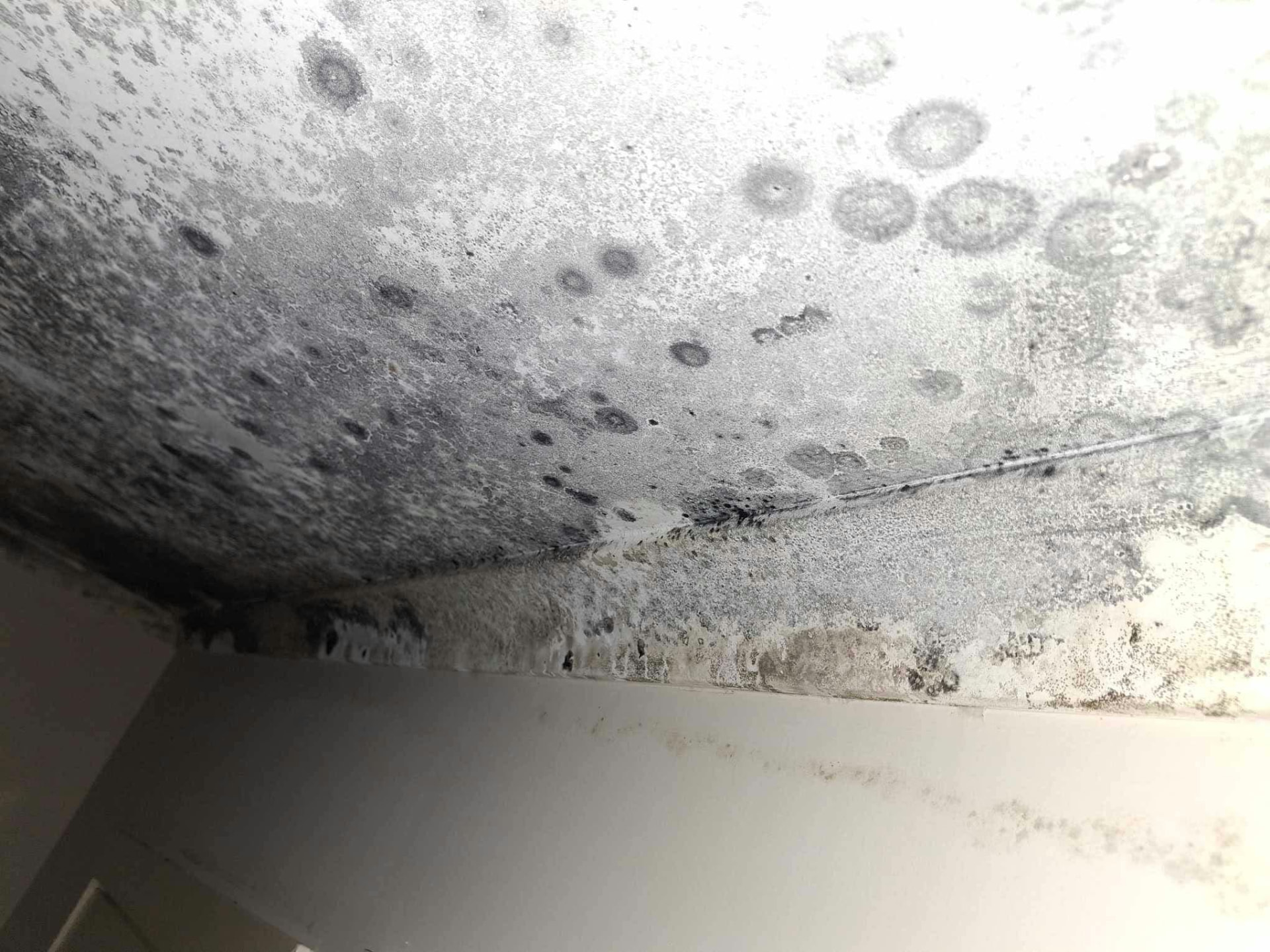
Ceiling mould can be easy to notice and difficult to diagnose. The visible patch may be below a roof leak, beside a bathroom or far from the original water entry point. A clean coat of paint cannot show whether the back of the plasterboard or roof-space insulation remains affected. This guide explains the decisions behind ceiling mould removal for Brisbane and Sunshine Coast properties, with particular attention to safety, access and the sequence of roof repair, remediation and reinstatement. The first priority is not cosmetic improvement but understanding the damage.
Check for immediate hazards before investigating
A sagging ceiling, active leak or water near electrical fittings needs urgent attention from appropriate trades. Keep people away from unstable areas and do not enter a roof space or cut into a wet ceiling to investigate on your own. Mould remediation does not replace electrical isolation, roof repairs or a structural assessment. Tell the contractor about any visible movement, recent storm damage or electrical concerns when making the initial enquiry.
Older building materials may also require assessment for hazardous materials before disturbance. Do not assume every sheet is modern plasterboard or that a photograph can establish what it contains. A planned inspection and safe access method are more useful than drilling a test hole yourself. Where intrusive work is proposed, ask how relevant building and material hazards will be checked before the scope proceeds.
Trace the water pathway rather than the stain alone
Roofing, flashings, plumbing and condensation can all be relevant. Water may travel along framing or insulation before it appears in a room. A stain directly below a roof feature is a useful clue, but not proof of a specific fault. In Brisbane storm-affected homes or Sunshine Coast properties after heavy rain, provide dates and photographs showing how the ceiling changed over time.
A bathroom ceiling may also be affected by indoor moisture or an extraction system issue. Roof-space conditions and the pattern of growth need consideration alongside the room below. Thermal imaging and moisture readings can help guide the investigation, but neither identifies mould species or guarantees that every concealed wet area has been found. Record access limitations and arrange specialist source repairs where needed.
Can the ceiling be cleaned or must it be removed?
The decision depends on material condition, contamination and accessibility. Limited growth on a sound, accessible surface is different from deteriorated plasterboard with an affected back face or wet insulation above it. Removal may be necessary to access and treat concealed materials. A professional scope should explain the basis for that decision instead of assuming that every mouldy ceiling needs replacing or that every ceiling can be saved.
Ceiling strip-outs require planning for containment, waste handling, fixtures and the room's contents. Ask which parts will be removed, what inspections will follow exposure and how additional damage will be documented. If the scope may change once the cavity is opened, agree how variations will be approved. Insurers and builders may need photographs before and during removal, so clarify those requirements early.
Remediate and dry before closing the ceiling
Once affected linings are removed where required, the exposed area can be assessed and treated according to the agreed scope. Suitable retained materials may be HEPA-cleaned and other contamination removed using appropriate controls. Antimicrobial treatment may support the process but is not a substitute for material removal or detailed cleaning when those are necessary. The roof or other water source also needs a repair plan.
Structural drying may be needed before new plasterboard and insulation are installed. Moisture readings and suitable dry references help determine progress; a fixed waiting period or dry-looking surface is not enough on its own. Agree the handover criteria with the remediation team and builder. If independent hygienist verification is required, schedule it before reinstatement covers the areas that need inspection.
Reinstatement, records and future maintenance
Reinstatement can include plasterboard, finishing and painting, with other trades attending to the source repair. K & J Interior Linings is an associated business for plastering, painting and carpentry; enquiries and quotes go through The Mould Removers. Ask which works are included in your quote rather than assuming a remediation price covers every rebuilding task. Retain roof repair records alongside the remediation documentation for future reference.
The Mould Removers provides a full documented report at the end of every job with relevant photos, moisture readings and completed work. Monitor previously affected ceilings after rain and maintain roof drainage and extraction systems as advised. For ceiling mould removal in Brisbane or the Sunshine Coast, send your suburb, photographs and leak history, or call 0418 344 573 to arrange the next step.
Frequently asked questions
Can ceiling stains remain after remediation?
Appearance alone does not determine remediation completion. Some staining may require finishing or replacement, while a painted surface can still conceal unresolved damage. The scope and documented findings should guide the handover, not colour alone.
Should I repaint immediately after fixing a roof leak?
First check material condition, moisture and whether remediation is needed. Leak repair stops one source of water but does not automatically dry the ceiling or address existing contamination. Coordinate those steps before painting.
Further reading & official guidance
General advice is not a property assessment, medical advice or legal advice. The official resources below inform the cleaning, moisture and tenancy guidance; descriptions of our services come from The Mould Removers.