

Local mould remediation · Chelmer
Professional Mould Removal Chelmer
Mould inspections, moisture mapping and IICRC-standard remediation for Chelmer's riverside Queenslanders, character residences and enclosed lower levels.
- QBCC Licence 15082064
- IICRC industry methods
- Homes, units & commercial
- Documented report every job
Photo: Cyron Ray Macey, CC BY 2.0
Mould Remediation for Riverfront Chelmer Homes
Chelmer is surrounded on three sides by the Brisbane River. Many of the suburb’s classic timber Queenslanders and renovated character homes face moisture traps in enclosed sub-floors, crawl spaces, and shaded southern rooms. During prolonged wet weather or river surges, damp ground pushes moisture directly upward into timber joists, flooring, and wall framing.
We deliver tailored ceiling and wall mould removal alongside structural drying to protect historic architecture and modern renovations alike. Using calibrated moisture meters and thermal imaging, our technicians locate hidden condensation pockets and past flood dampness without invasive demo work. Every remediation follows strict IICRC protocols, isolating airborne mould spores with negative air pressure and concluding with a fully documented report.
Book a Mould Inspection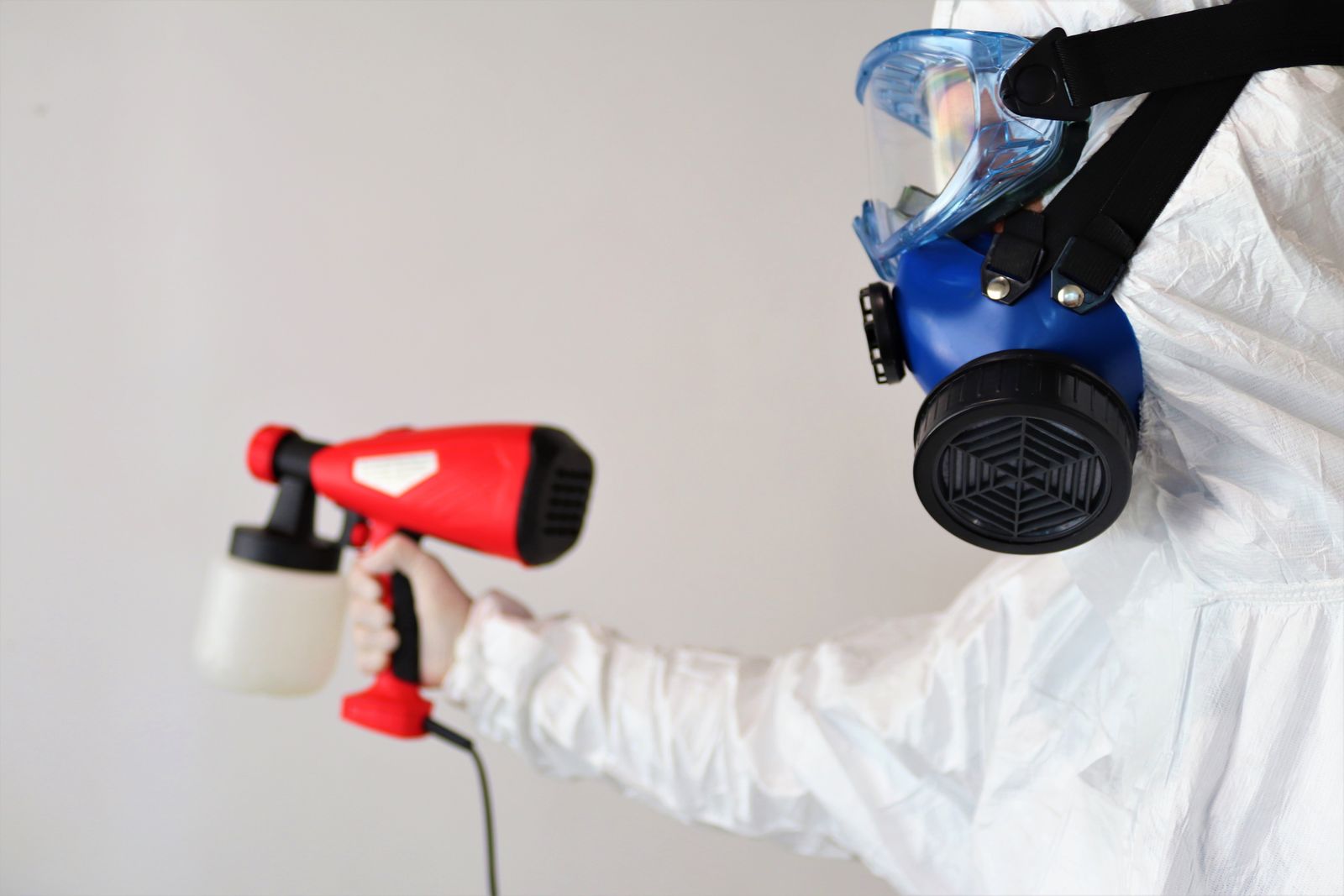
Common signs of mould
- Musty odours rising through timber floorboards
- Dark spotting across VJ walls and high ceilings
- Powdery white mould under built-in ground floors
- Water staining along lower skirtings and framing
- Mildew growth inside shaded wardrobes and cupboards
- Soft or peeling plasterboard near river-facing walls
Our Mould Remediation Services in Chelmer
 Illustrative image
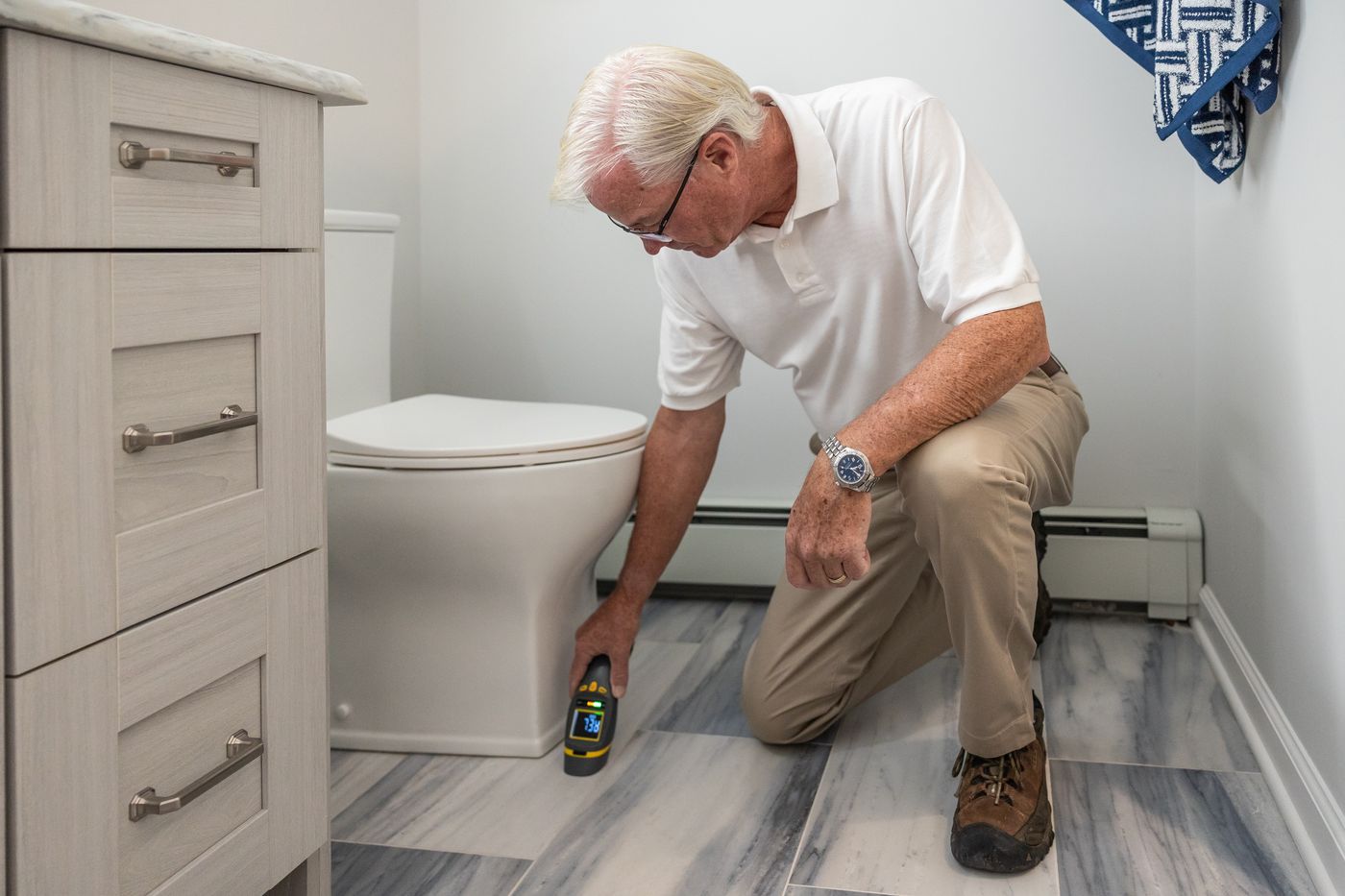
Mould Inspections & Assessments
Visual assessment, moisture readings and thermal imaging to investigate damp areas in your Chelmer property. Sampling, where needed, is arranged with an independent hygienist.
Learn more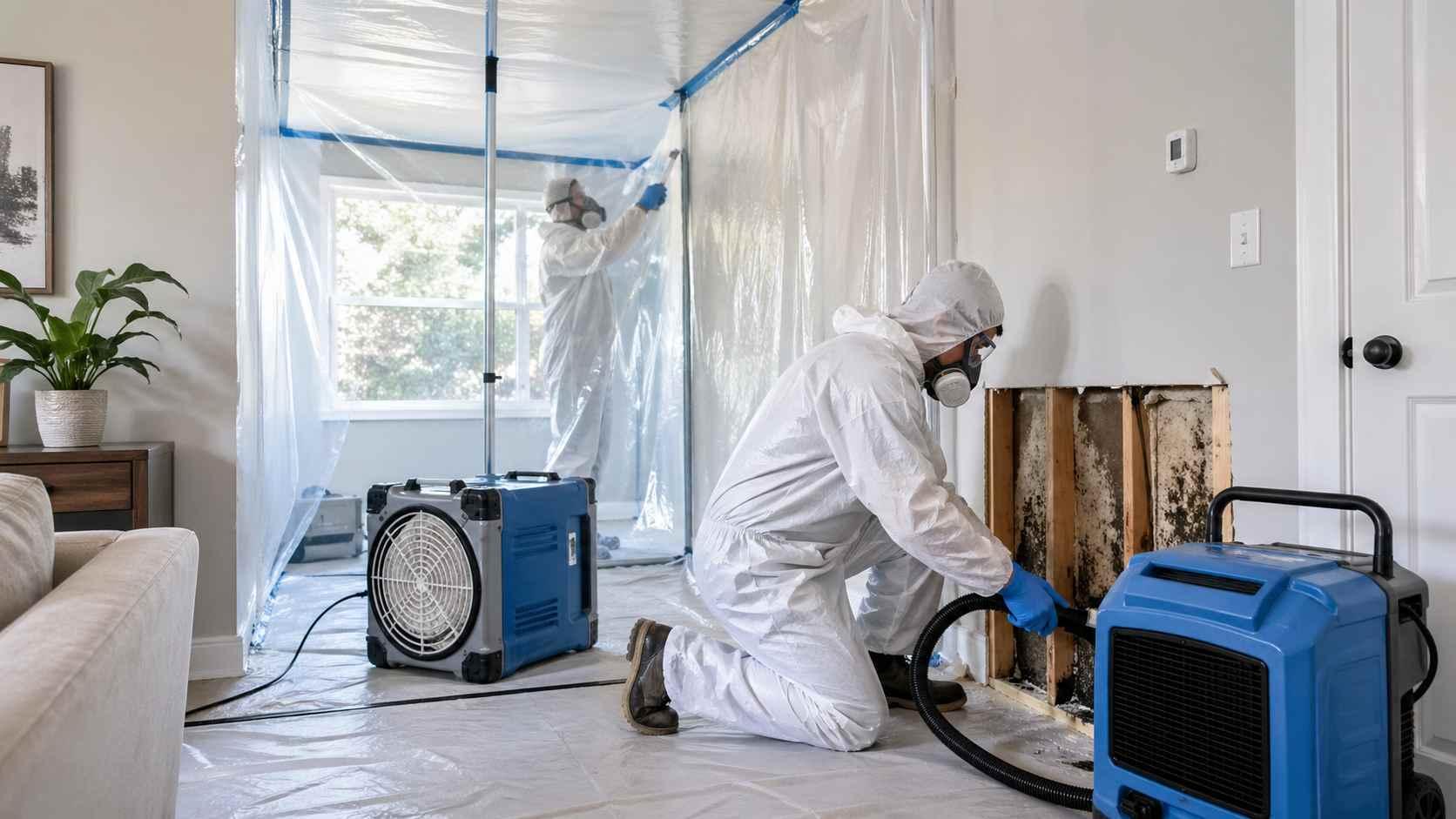 Illustrative image
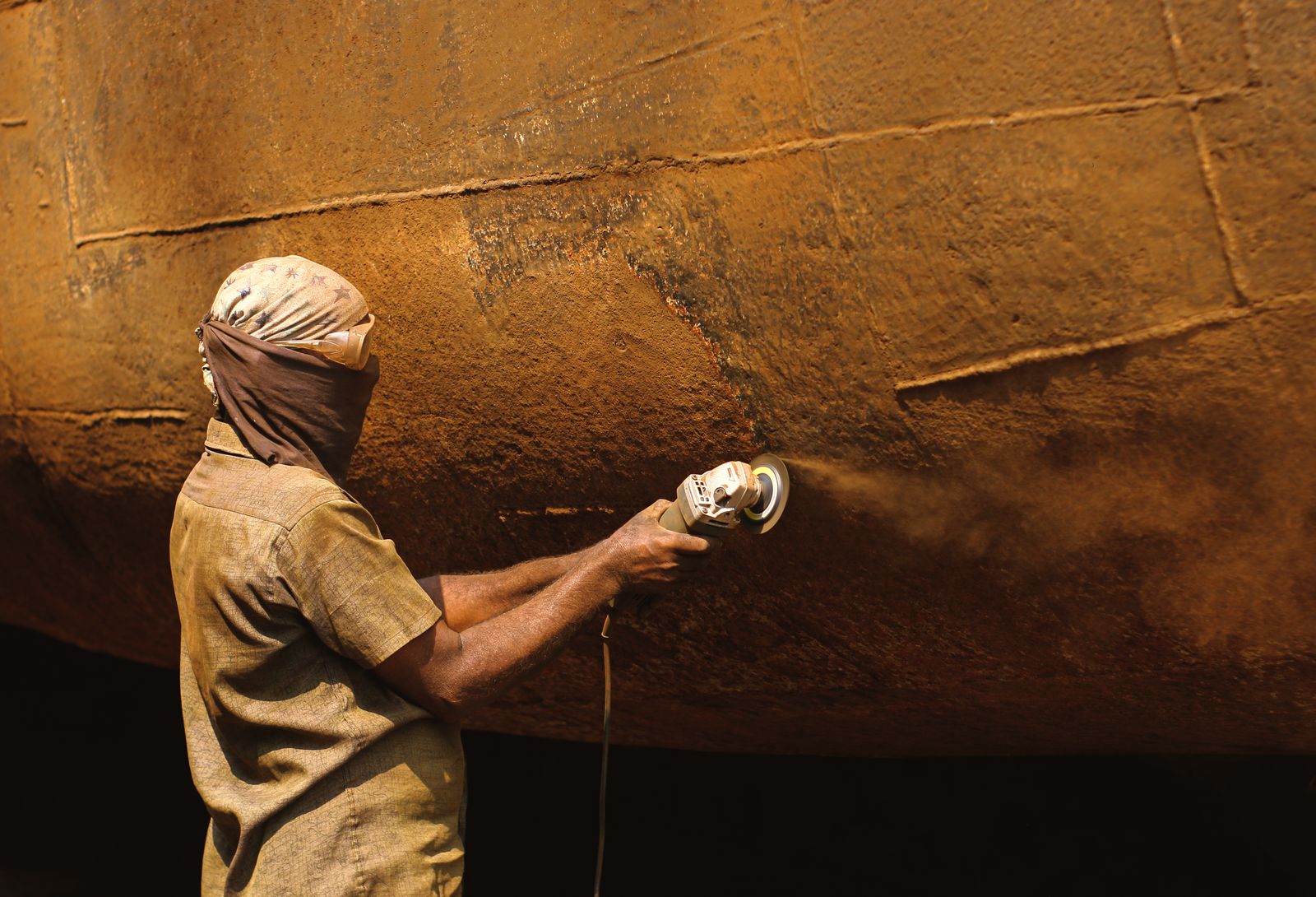
Mould Removal & Controlled Strip-Outs
Careful removal of mould-affected plasterboard, ceilings, insulation and fittings that can't be saved.
Learn more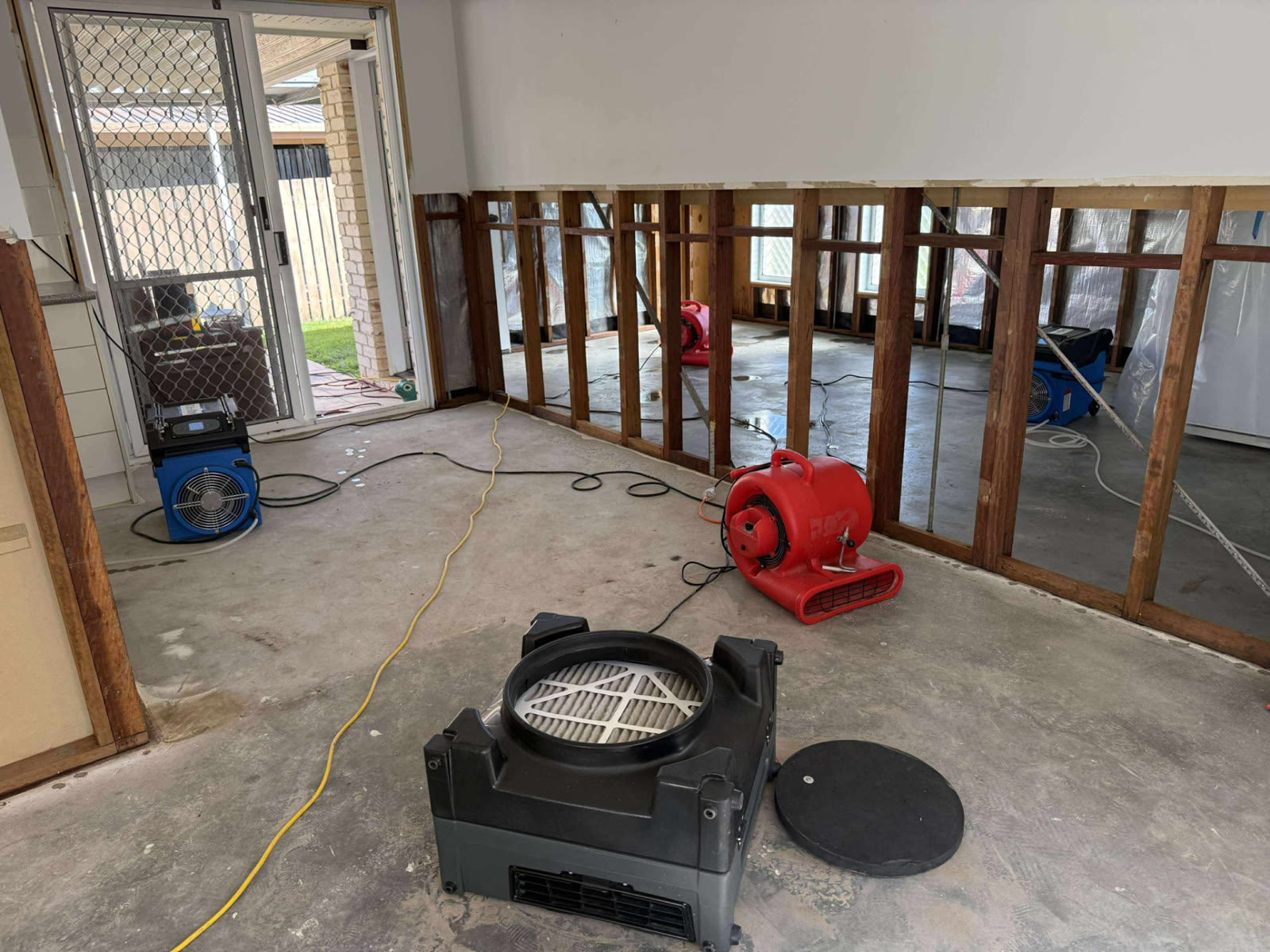
Containment & HEPA Air Filtration
Plastic barriers and HEPA air scrubbers to reduce the spread of spores beyond the work area. The containment plan depends on the property and scope.
Learn more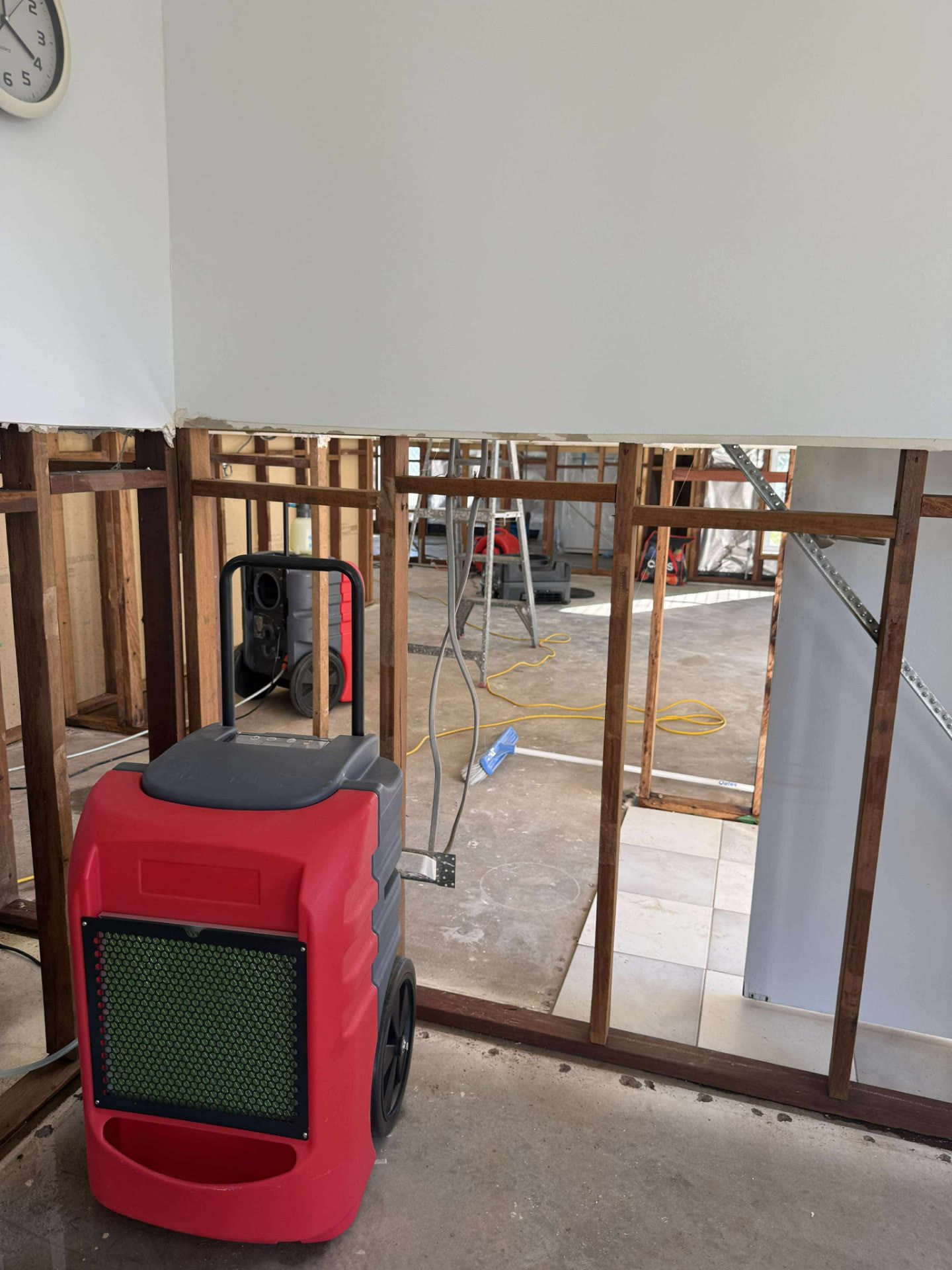
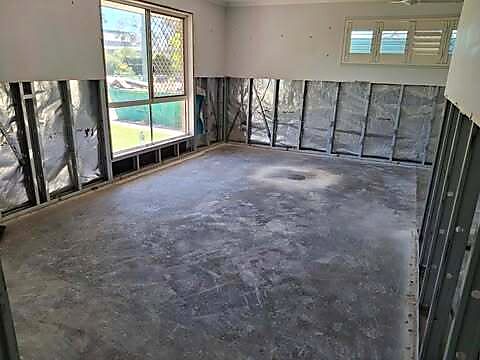
Water Damage & Structural Drying
Water damage restoration in Chelmer after roof leaks, plumbing leaks, storms or actual flooding. We assess wet plasterboard and framing, remove unsalvageable materials and monitor structural drying with moisture readings.
Learn moreFor leak-affected framing and ceilings, see our structural drying and moisture monitoring. We also support insurance and commercial remediation projects, with independent hygienist assessments and testing arranged where needed.
How we work
Our Mould Remediation Process
- 1
Inspection & Assessment
We talk through the history, take moisture readings and thermal images, and confirm what's feeding the mould.
- 2
Containment & Air Filtration
Where the scope needs it, we seal the work area and run HEPA air filtration to protect the rest of the property.
- 3
Remediation & Cleaning
Contaminated porous materials are removed and salvageable surfaces are HEPA-vacuumed and cleaned.
- 4
Drying, Verification & Recommendations
Structural drying, final moisture readings and a documented report with photos and advice to stop it returning.
Not every step is needed on every job — we explain the proposed scope before work begins. Independent clearance testing can be arranged where the scope, insurer or a hygienist requires it.
Why Choose The Mould Removers in Chelmer?
- Source first. We confirm the moisture source with readings and thermal imaging before we quote removal.
- Professional equipment. HEPA air scrubbers, commercial dehumidifiers, air movers and moisture meters on every job that needs them.
- Clear communication. You'll know the scope, what's being removed and why before work starts.
- Detailed reporting. Every job ends with a documented report — photos, moisture readings and a summary of the work.
- Homes and commercial premises. Houses, units, strata buildings, offices and workshops, including insurance and builder-managed jobs.
 Illustrative image
Chelmer moisture and mould risk factors
These are inspection considerations, not a diagnosis of every property. We assess likely contributing conditions on site and explain any limitations or further investigations needed.
Brisbane River peninsula
Check for actual water entry and inadequate ventilation, and measure moisture in affected materials.
Heritage Queenslanders
Timber sub-floors and crawl spaces trap rising soil moisture after heavy rainfall or high tides.
Dense leafy tree canopy
Mature shade trees keep roofs, gutters, and weatherboard exterior walls persistently damp.
Historical river flooding
Properties affected during major flood events require careful cavity drying to prevent secondary mould.
Our work
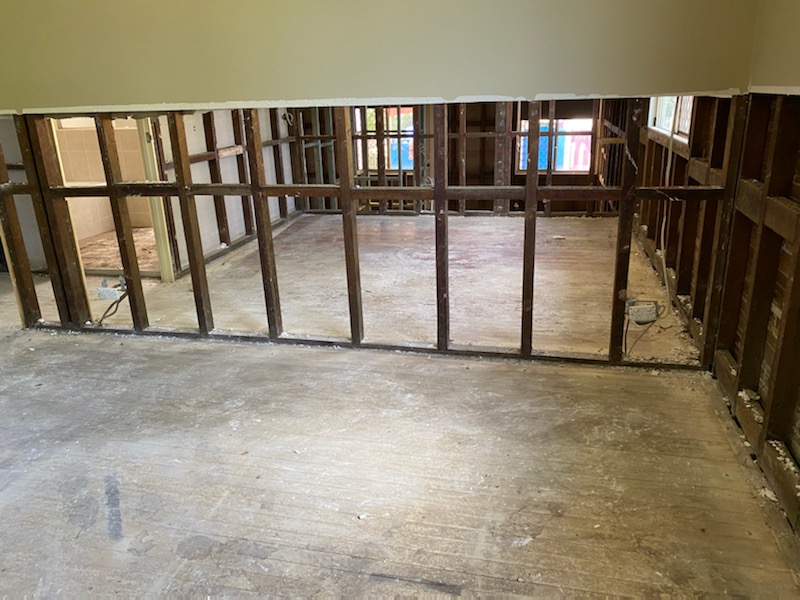
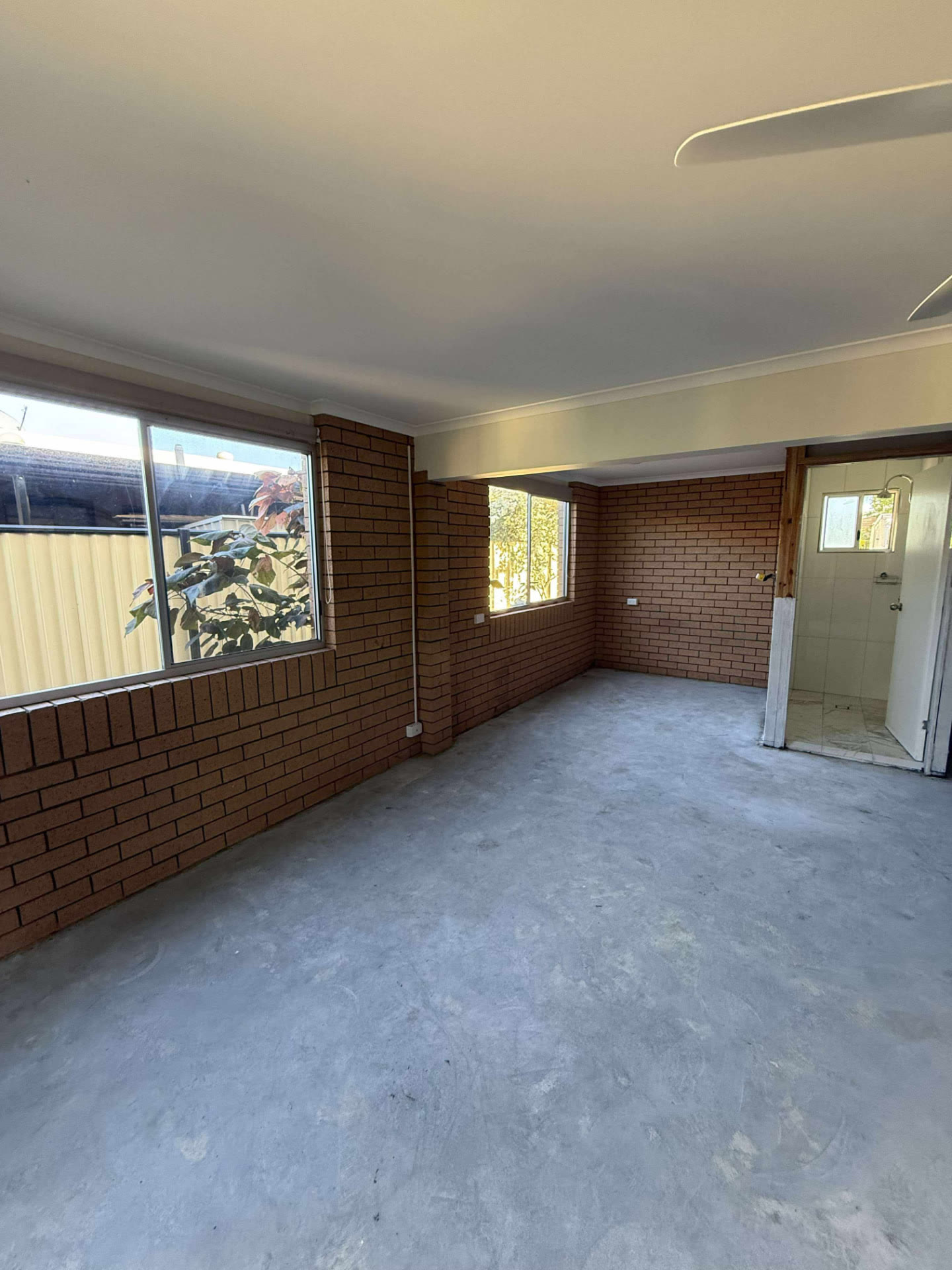
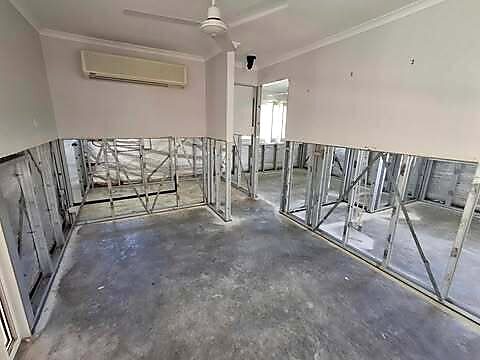
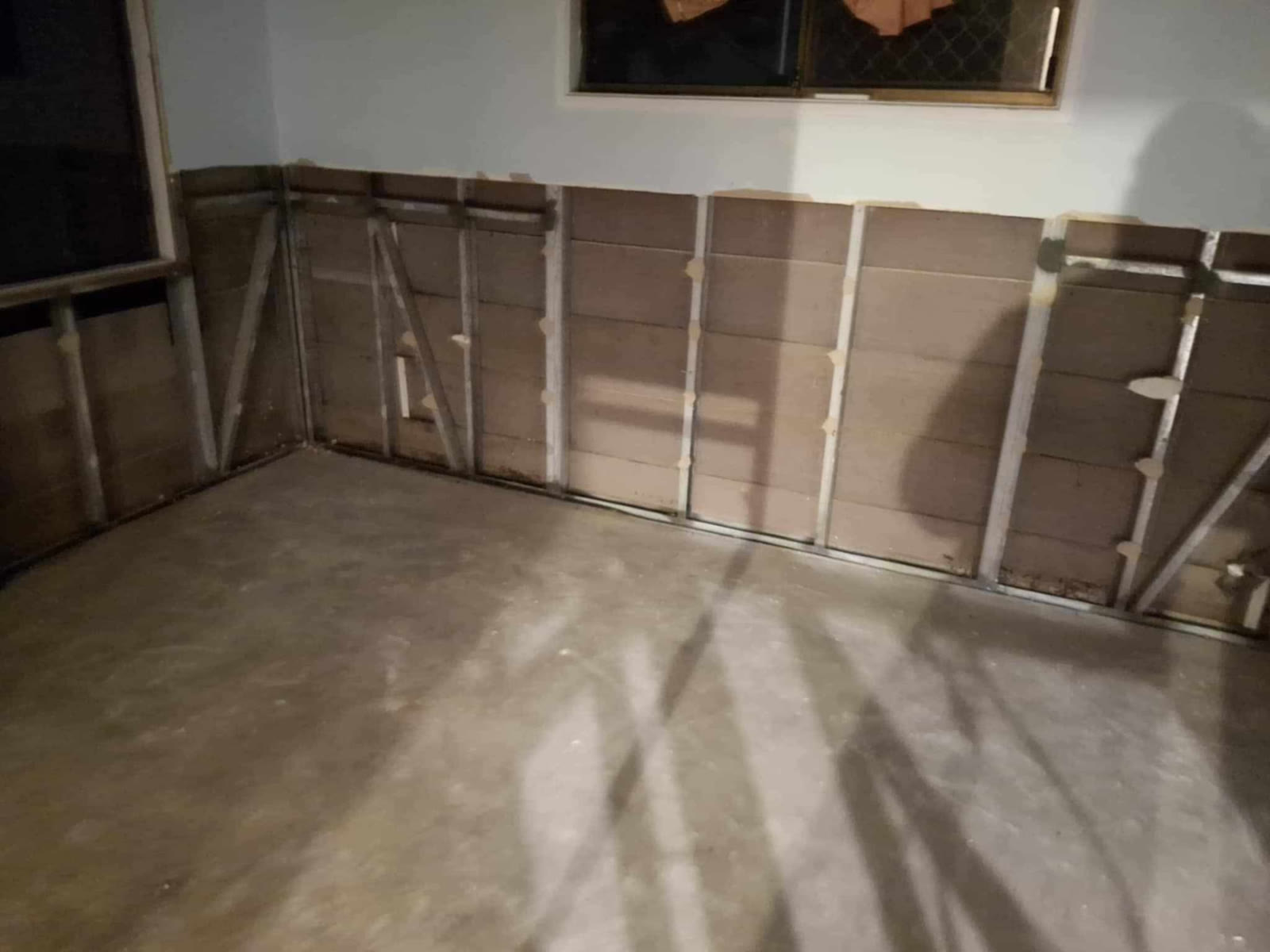
From our recent remediation jobs
Request a mould inspection or quote
Tell us what you're seeing and upload a few photos. A team member reviews every enquiry and will get back to you.
- Don't scrub, sand or pull off mouldy plasterboard — it spreads spores.
- Take clear photos of the affected areas and upload them with the form.
- Note any recent leaks, storms or plumbing work.
- In a unit or tenancy, let your strata or property manager know if the source could be shared.
Mould removal in Chelmer — FAQs
Why does mould return quickly in Chelmer homes near the river?
Without addressing sub-floor moisture, trapped warm air, or poor airflow under timber floorboards, spores readily repopulate indoor surfaces. We trace moisture sources first to ensure lasting remediation.
Can you treat heritage VJ boards without ruining original timber finishes?
Yes. Our remediation methods follow gentle, non-destructive IICRC standards specifically suitable for historic timber. We use HEPA vacuuming, antimicrobial treatments, and controlled structural drying to remove active fungal growth on character VJ panels without saturating the timber or stripping delicate heritage paint layers.
What should we do if our ground-floor build has residual flood moisture?
Enclosed ground levels often hold moisture behind wall linings long after river levels drop. We conduct mould inspection and moisture detection using thermal imaging to pinpoint damp plasterboard and framing. Where necessary, we carry out water damaged plasterboard removal and structural drying before mould spreads upstairs.
What do we get when the job is finished?
Every job ends with a documented report — photos, moisture readings and a summary of the work. Independent post-remediation verification can be arranged where the scope, insurer or a hygienist requires it.

Dealing with mould in your Chelmer property?
A professional inspection and a clear remediation plan from your local Brisbane team.
Photo: Bert Knottenbeld, CC BY-SA 2.0