

Local mould remediation · Clontarf
Professional Mould Removal Clontarf
Mould inspections, moisture diagnostics and professional remediation for Clontarf residences and commercial properties across the Redcliffe Peninsula gateway.
- QBCC Licence 15082064
- IICRC industry methods
- Homes, units & commercial
- Documented report every job
Photo: John Robert McPherson, CC BY-SA 4.0
Mould Remediation for Clontarf Properties
Clontarf sits at the southern gateway to the Redcliffe Peninsula. Many local properties—from classic mid-century timber cottages to low-set brick family homes and light industrial sheds—struggle with moisture buildup. Inadequate subfloor airflow, coastal roof leaks, and condensation on exterior walls frequently create hidden damp environments where mould colonies quickly establish.
Our team uses calibrated moisture meters and thermal imaging to locate the underlying moisture source rather than merely wiping away visible surface spores. Following strict IICRC guidelines and QBCC standards, we contain the work zone to prevent airborne spore dispersion, remediate damaged materials safely, and complete thorough structural drying. Every project concludes with an extensive documented report covering our findings, remediation actions, and preventative advice.
Book a Mould Inspection
Common signs of mould
- Musty odours in closed coastal bedrooms
- Black spotting across bathroom ceiling plaster
- Peeling paint along south-facing exterior walls
- Damp, decayed timber within subfloor crawlspaces
- Efflorescence on concrete slabs or garage footings
- Surface mould behind wardrobes and built-in joinery
Our Mould Remediation Services in Clontarf
 Illustrative image
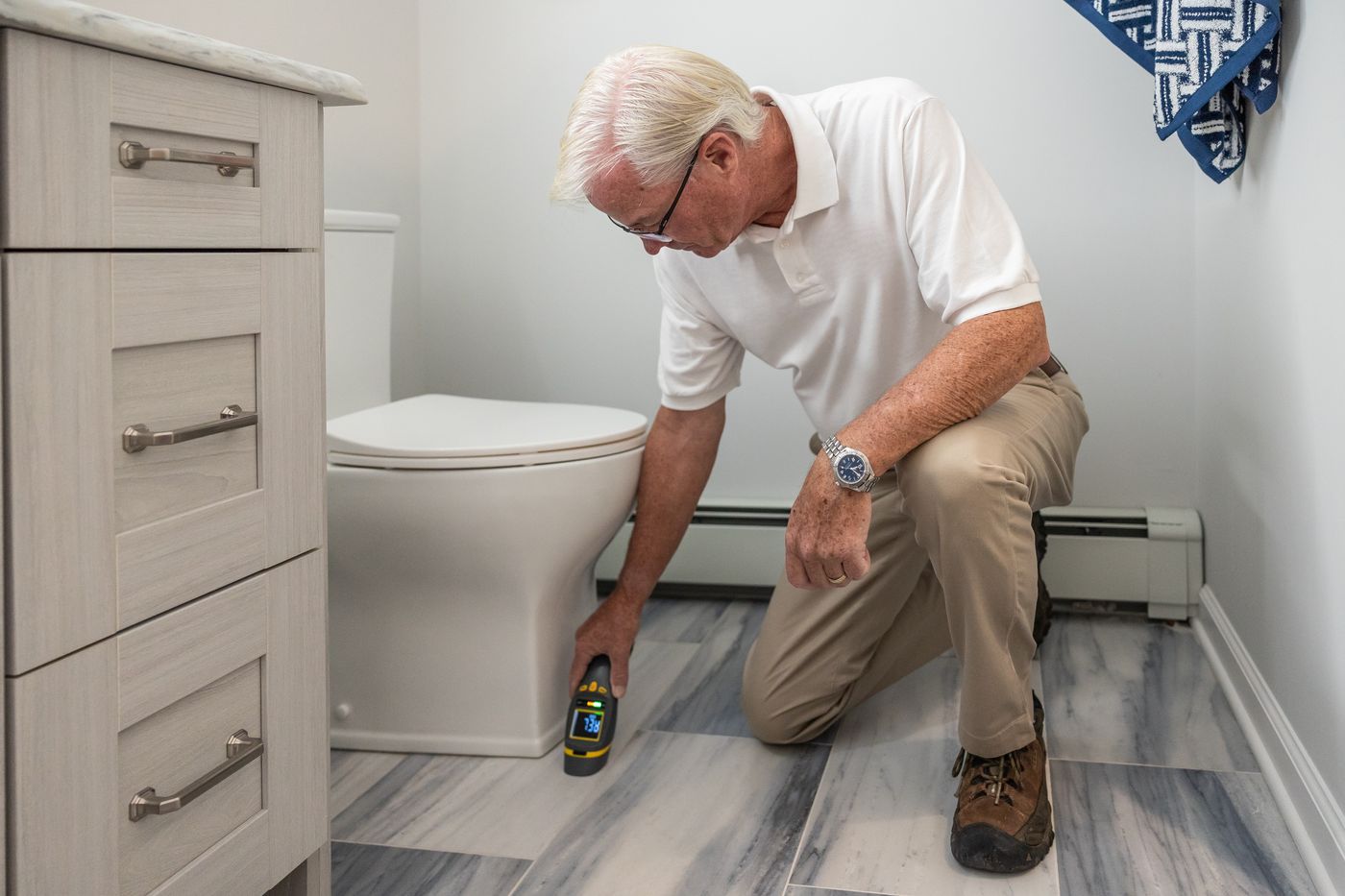
Mould Inspections & Assessments
Visual assessment, moisture readings and thermal imaging to investigate damp areas in your Clontarf property. Sampling, where needed, is arranged with an independent hygienist.
Learn more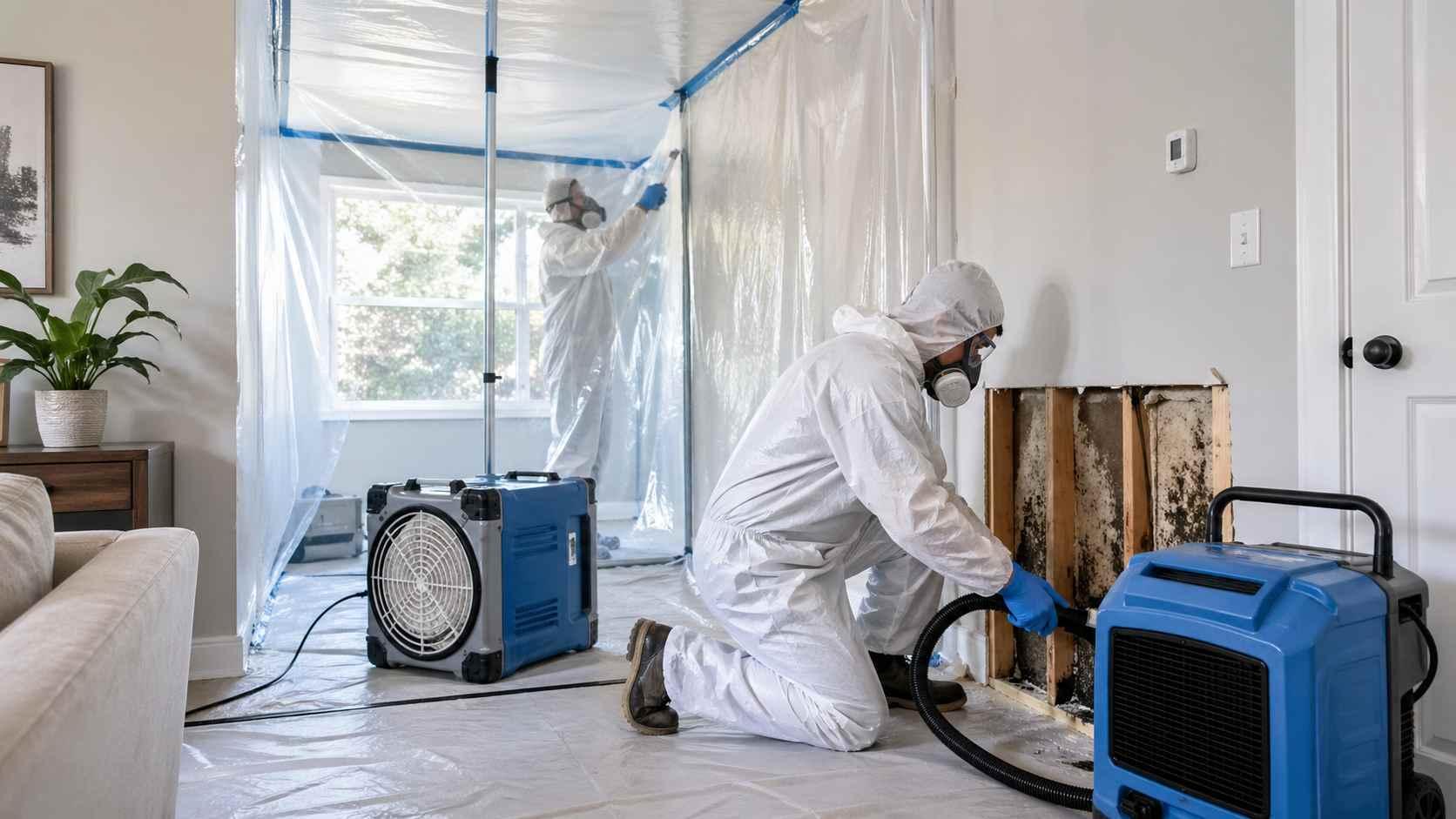 Illustrative image
Mould Removal & Controlled Strip-Outs
Careful removal of mould-affected plasterboard, ceilings, insulation and fittings that can't be saved.
Learn more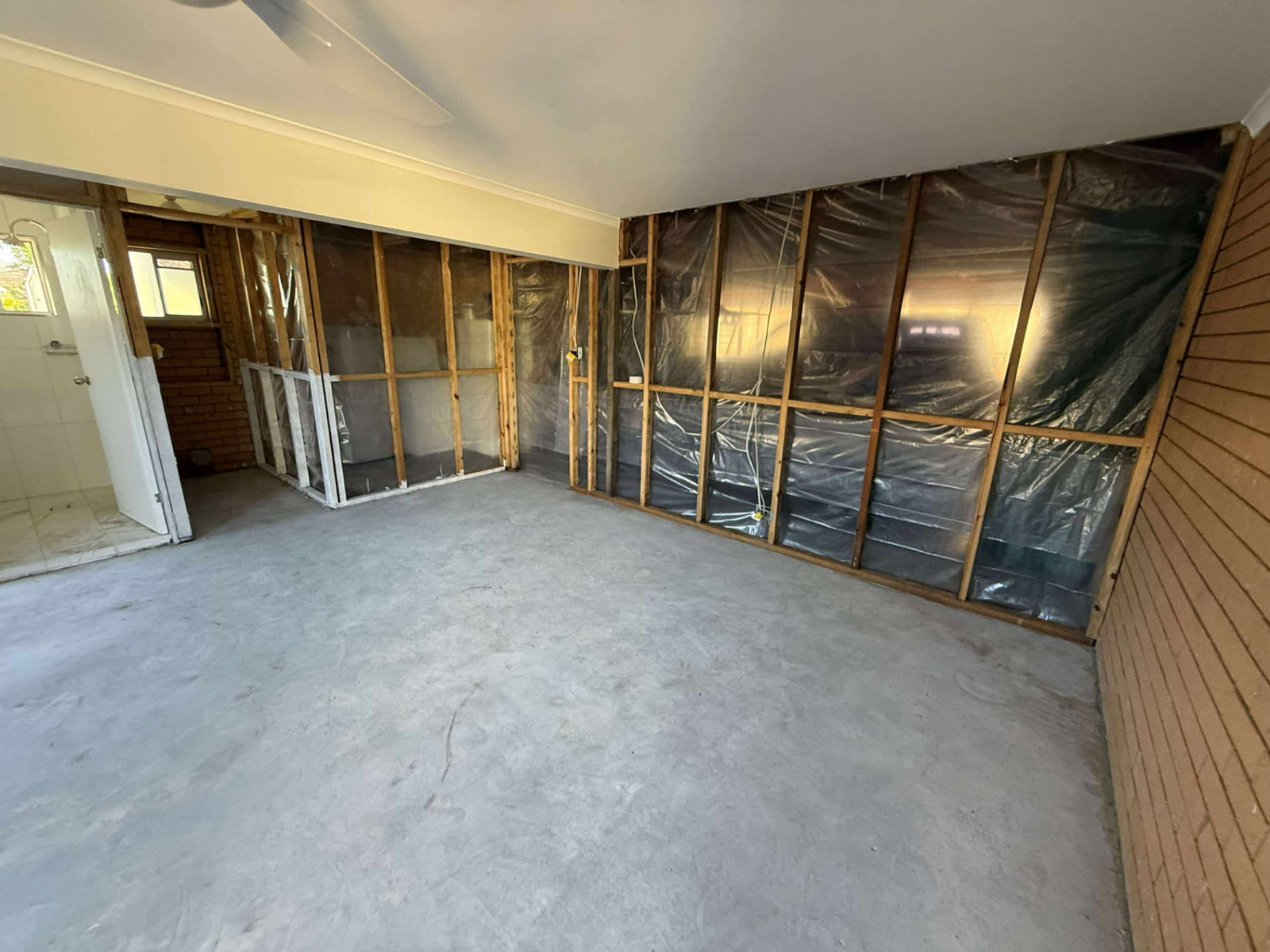
Containment & HEPA Air Filtration
Plastic barriers and HEPA air scrubbers to reduce the spread of spores beyond the work area. The containment plan depends on the property and scope.
Learn more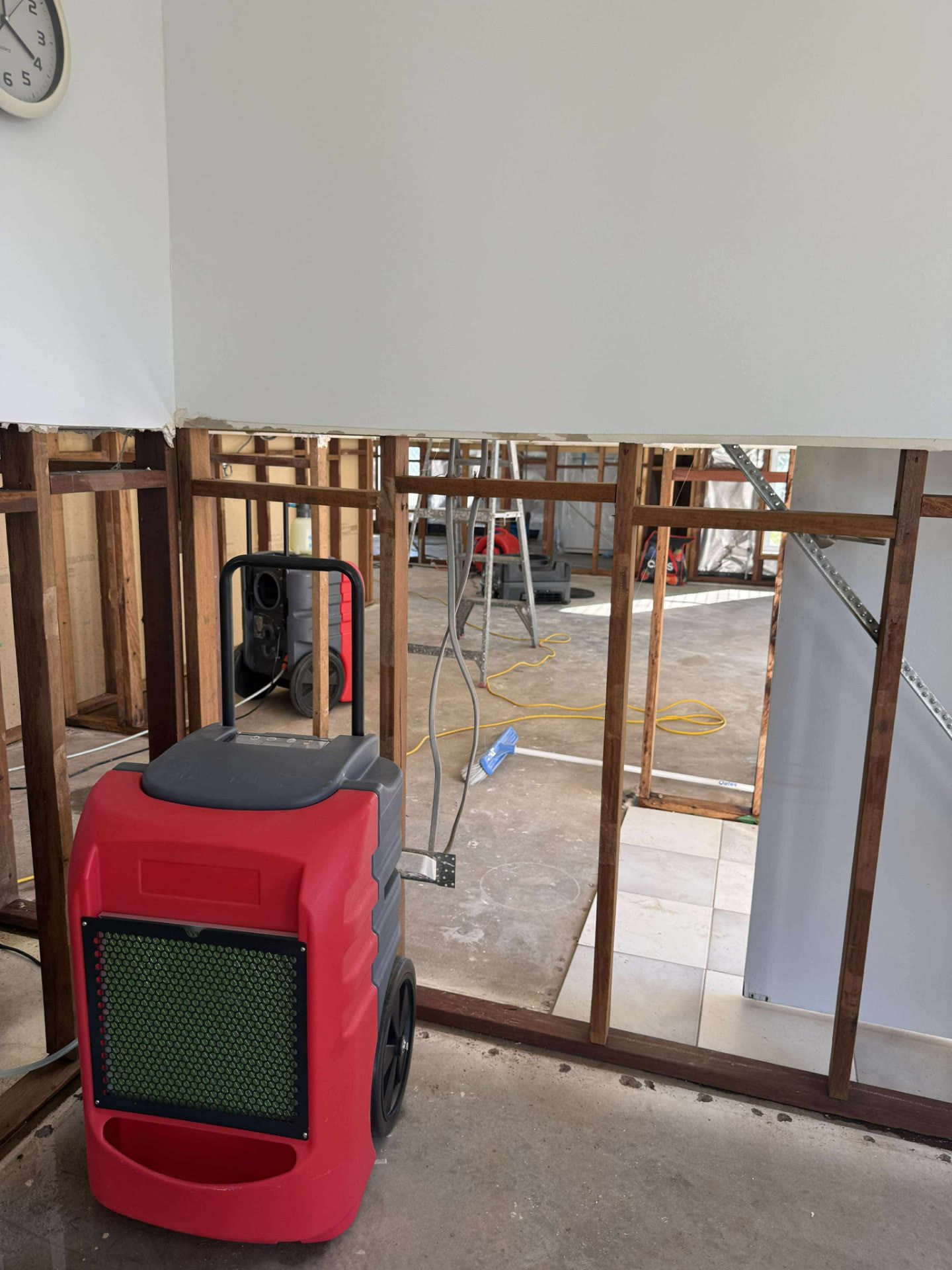
Water Damage & Structural Drying
Water damage restoration in Clontarf after roof leaks, plumbing leaks, storms or actual flooding. We assess wet plasterboard and framing, remove unsalvageable materials and monitor structural drying with moisture readings.
Learn moreFor leak-affected framing and ceilings, see our structural drying and moisture monitoring. We also support insurance and commercial remediation projects, with independent hygienist assessments and testing arranged where needed.
How we work
Our Mould Remediation Process
- 1
Inspection & Assessment
We talk through the history, take moisture readings and thermal images, and confirm what's feeding the mould.
- 2
Containment & Air Filtration
Where the scope needs it, we seal the work area and run HEPA air filtration to protect the rest of the property.
- 3
Remediation & Cleaning
Contaminated porous materials are removed and salvageable surfaces are HEPA-vacuumed and cleaned.
- 4
Drying, Verification & Recommendations
Structural drying, final moisture readings and a documented report with photos and advice to stop it returning.
Not every step is needed on every job — we explain the proposed scope before work begins. Independent clearance testing can be arranged where the scope, insurer or a hygienist requires it.
Why Choose The Mould Removers in Clontarf?
- Source first. We confirm the moisture source with readings and thermal imaging before we quote removal.
- Professional equipment. HEPA air scrubbers, commercial dehumidifiers, air movers and moisture meters on every job that needs them.
- Clear communication. You'll know the scope, what's being removed and why before work starts.
- Detailed reporting. Every job ends with a documented report — photos, moisture readings and a summary of the work.
- Homes and commercial premises. Houses, units, strata buildings, offices and workshops, including insurance and builder-managed jobs.
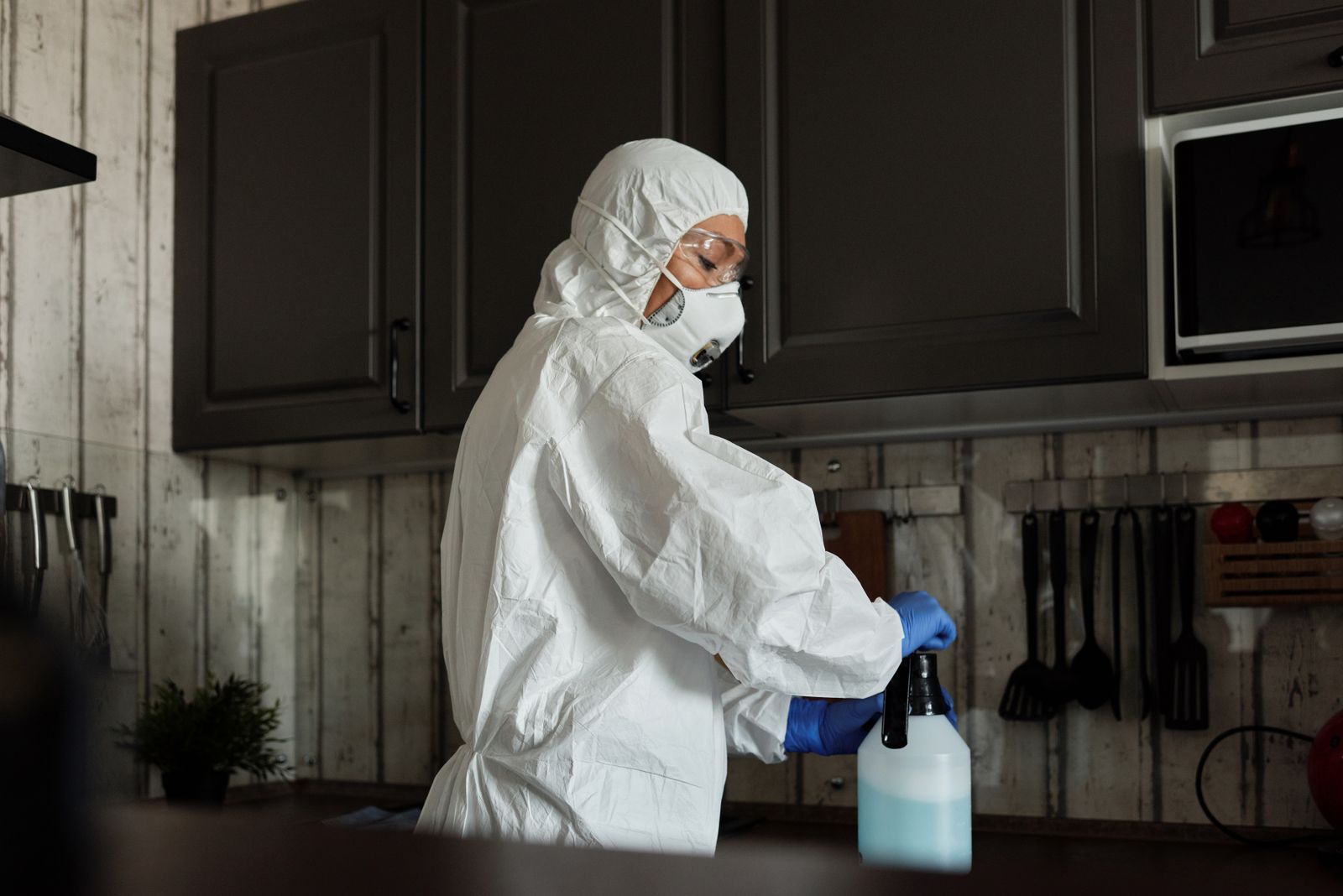 Illustrative image
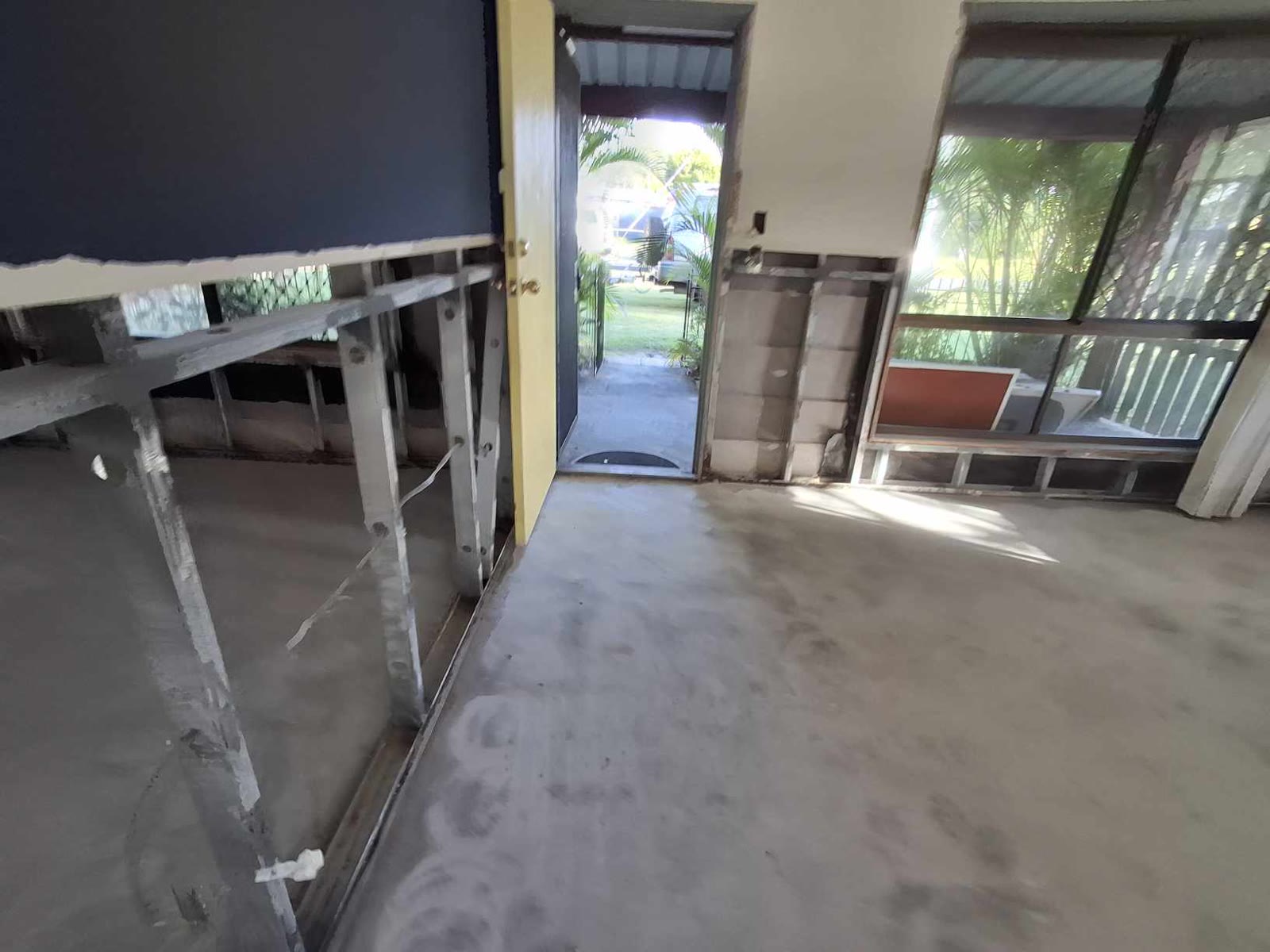
Mould challenges in Clontarf buildings
These are inspection considerations, not a diagnosis of every property. We assess likely contributing conditions on site and explain any limitations or further investigations needed.
Bayside humidity
Clontarf's waterfront position brings damp onshore sea winds that elevate indoor humidity year-round.
Post-war and brick low-sets
Enclosed ground levels and older timber foundations often trap moisture due to limited subfloor cross-ventilation.
Industrial precinct premises
Commercial warehouses and workshops along the industrial belt prone to roof condensation and slab dampness.
Coastal storm weather
Heavy southeasterly squalls force rain through window seals, coastal roof flashings, and weep holes.
Our work
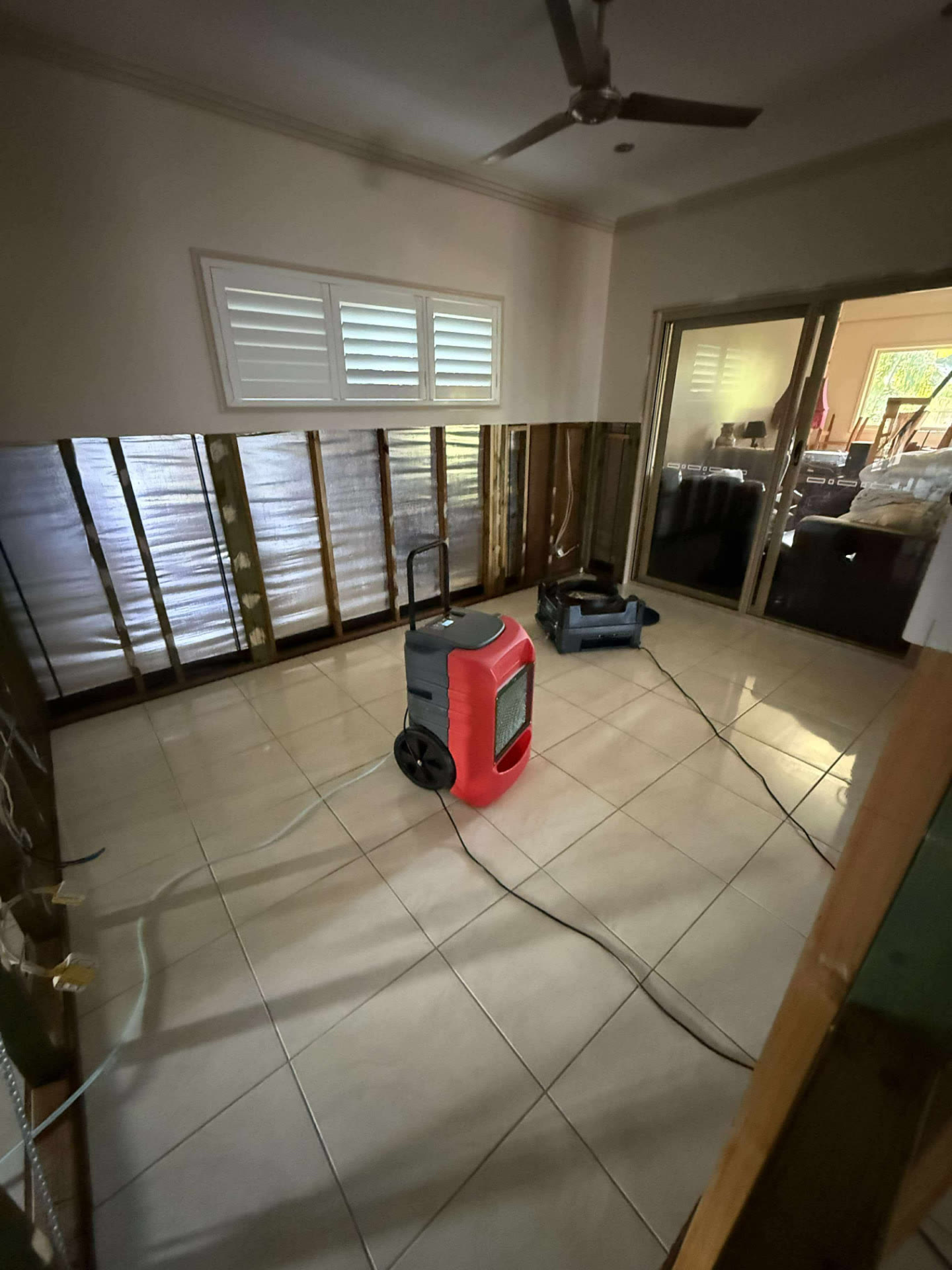
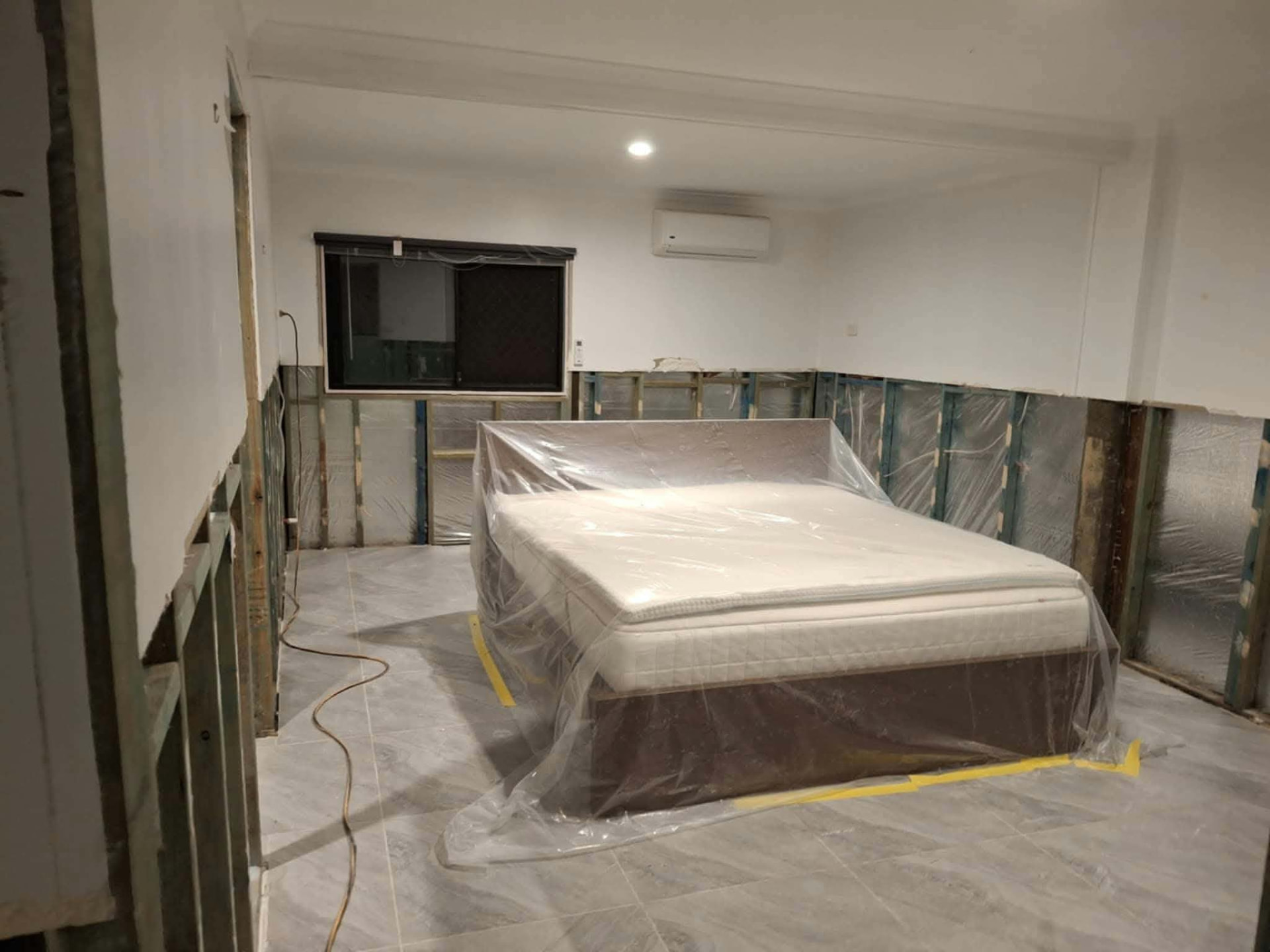
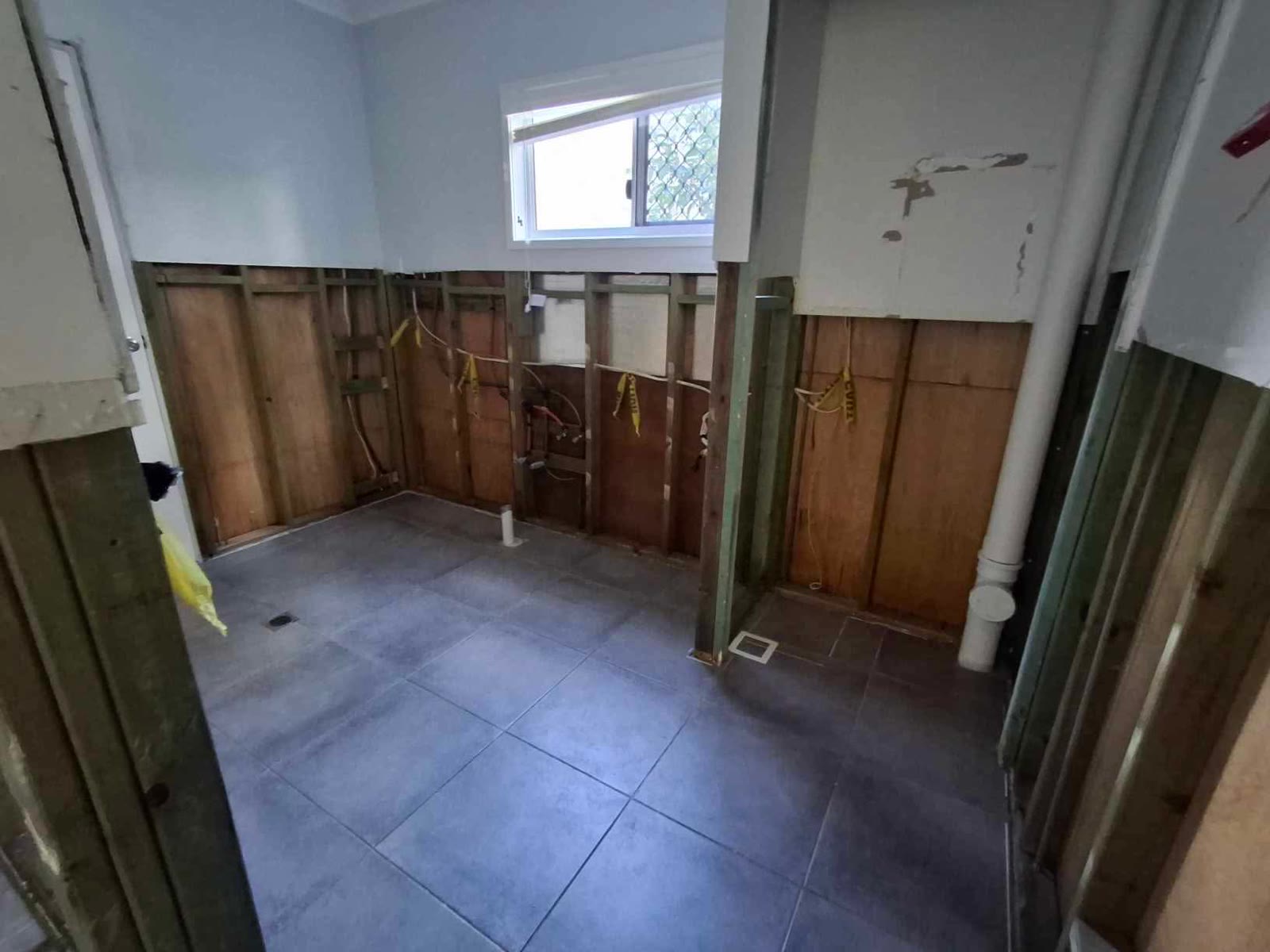
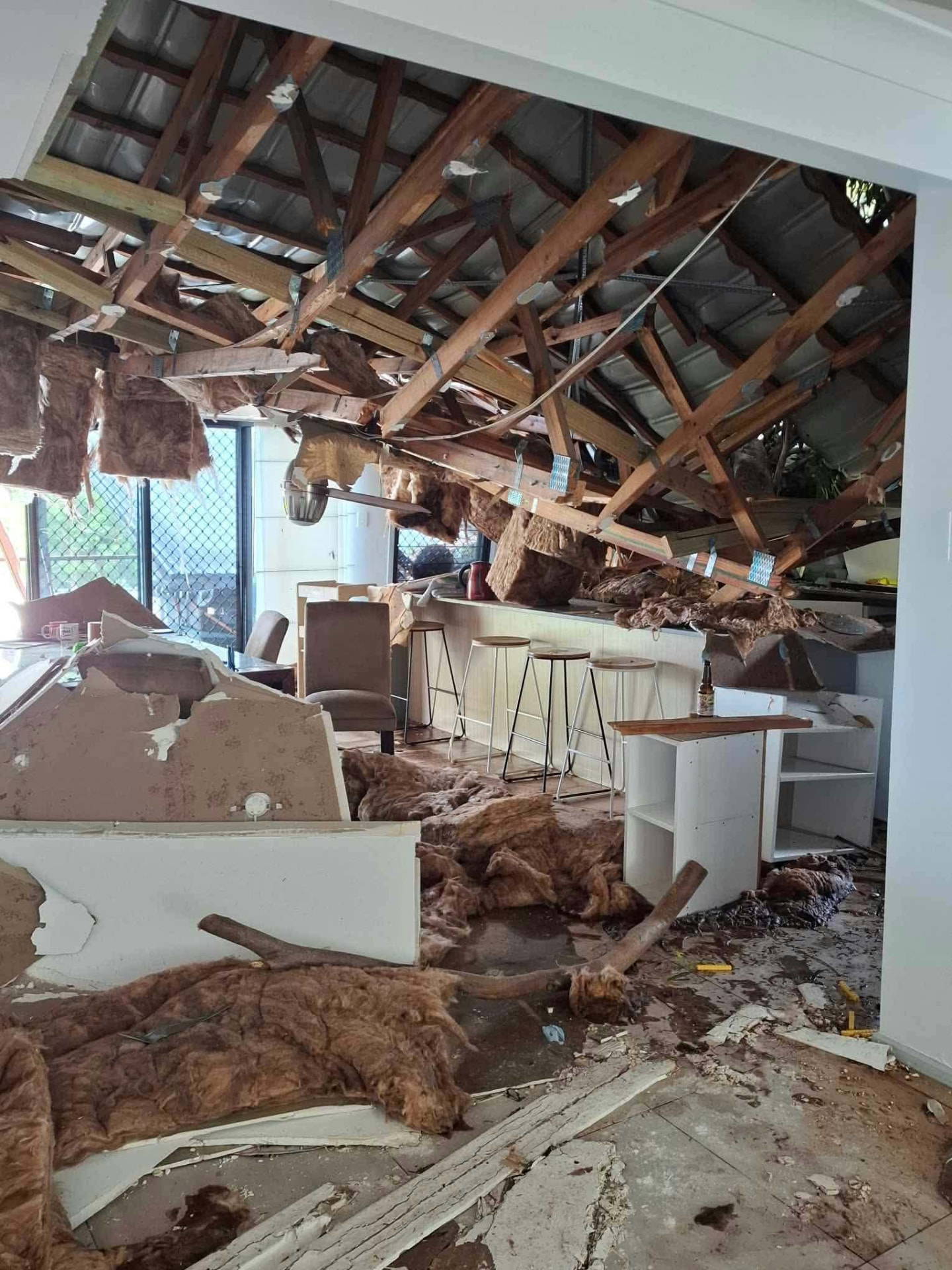
From our recent remediation jobs
Request a mould inspection or quote
Tell us what you're seeing and upload a few photos. A team member reviews every enquiry and will get back to you.
- Don't scrub, sand or pull off mouldy plasterboard — it spreads spores.
- Take clear photos of the affected areas and upload them with the form.
- Note any recent leaks, storms or plumbing work.
- In a unit or tenancy, let your strata or property manager know if the source could be shared.
Mould removal in Clontarf — FAQs
Why is mould so common in homes close to Bramble Bay?
Older cottages and ground-level brick homes often lack effective airflow, allowing damp air to settle inside wardrobes, behind curtains, and against exterior plasterboard where mould easily thrives.
Can you remediate commercial warehouses in the Clontarf industrial estate?
Yes. We regularly handle residential and commercial mould remediation across the Clontarf industrial precinct. Our technicians contain affected storage areas or office partitions using negative air pressure and commercial HEPA filtration, allowing your operation to continue safely with minimal disruption to your daily schedule.
Do you supply documentation for insurance after coastal storm damage?
Yes. Every job concludes with a detailed, documented report outlining moisture readings, photographic evidence of affected materials, and completed remediation steps. This IICRC-aligned report provides insurers or body corporate managers with clear, objective records of storm ingress and structural drying.
What do we get when the job is finished?
Every job ends with a documented report — photos, moisture readings and a summary of the work. Independent post-remediation verification can be arranged where the scope, insurer or a hygienist requires it.

Concerned about mould in your Clontarf property?
A professional inspection and a clear remediation plan from your local Brisbane team.
Photo: John Robert McPherson, CC BY-SA 4.0