

Local mould remediation · Everton Hills
Professional Mould Removal Everton Hills
Specialised mould remediation and moisture detection for Everton Hills homes — tackling hillside runoff, damp lower levels, and shaded bushland humidity.
- QBCC Licence 15082064
- IICRC industry methods
- Homes, units & commercial
- Documented report every job
Photo: Misaochan2, CC BY-SA 4.0
Targeted Mould Remediation in Everton Hills
Everton Hills features hilly terrain, leafy pockets bordering Bunyaville, and a mix of highset post-war dwellings, split-level brick houses, and modern builds. Steep blocks often mean storm runoff seeps toward lower ground-floor walls and built-in basements. Combined with subtropical humidity trapped under sheltered eaves and dense tree canopies, moisture easily collects indoors.
Our QBCC-licensed technicians identify the true water source using calibrated moisture meters and thermal imaging tools. Following strict IICRC industry standards, we isolate active mould spores, conduct thorough ceiling and wall mould removal, and complete safe structural drying. Every project concludes with a contractor-prepared, documented inspection report detailing findings and prevention steps.
Book a Mould Inspection
Common signs of mould
- Damp, earthy odours in downstairs utility rooms
- Discolouration along lower masonry retaining walls
- Mould specks spreading across plasterboard ceilings
- Surface bloom on wardrobes against shaded external walls
- Peeling paint or swollen skirting boards after rain
- Musty air lingering in enclosed undercroft areas
Our Mould Remediation Services in Everton Hills
 Illustrative image
Mould Inspections & Assessments
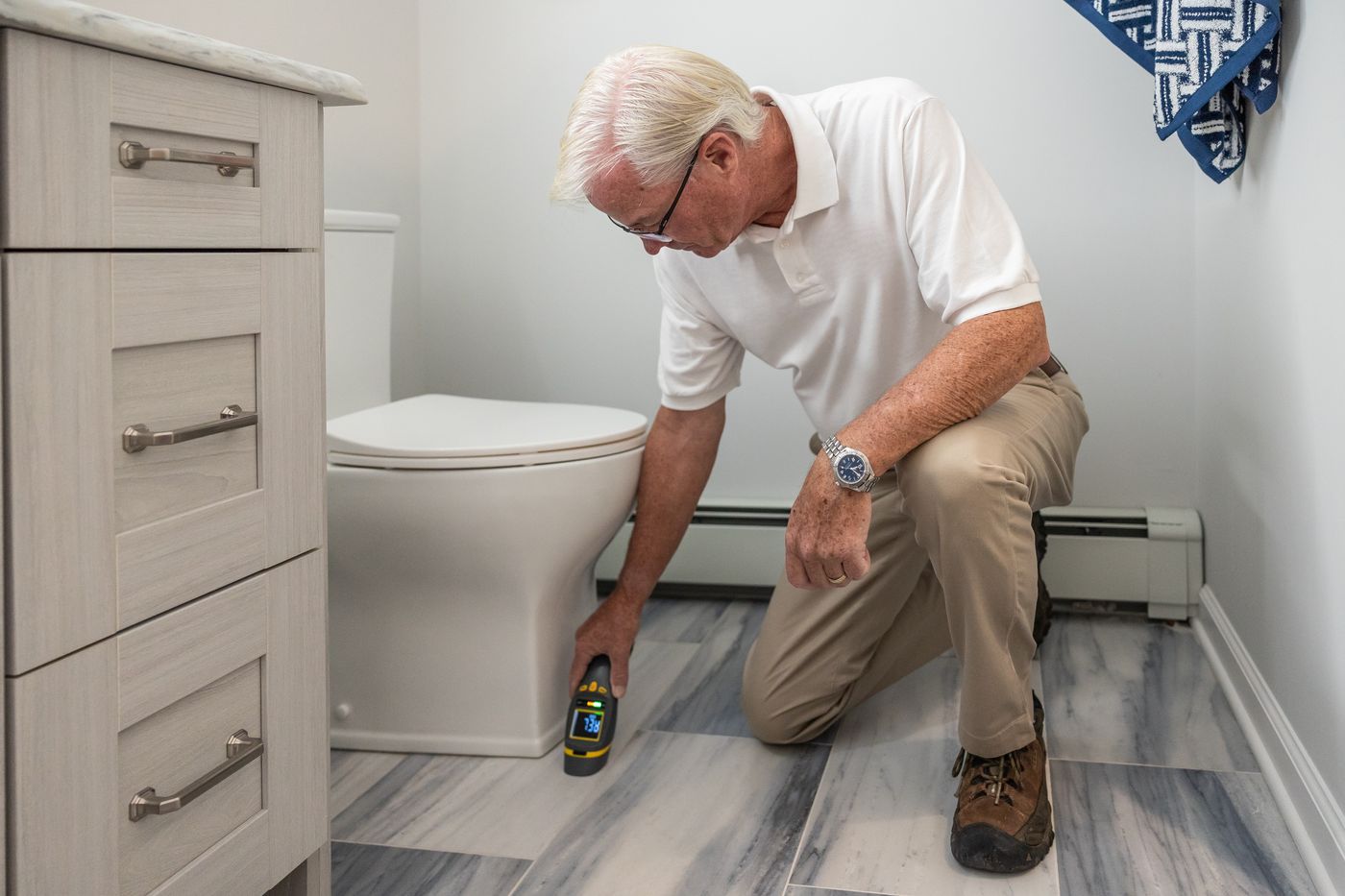
Visual assessment, moisture readings and thermal imaging to investigate damp areas in your Everton Hills property. Sampling, where needed, is arranged with an independent hygienist.
Learn more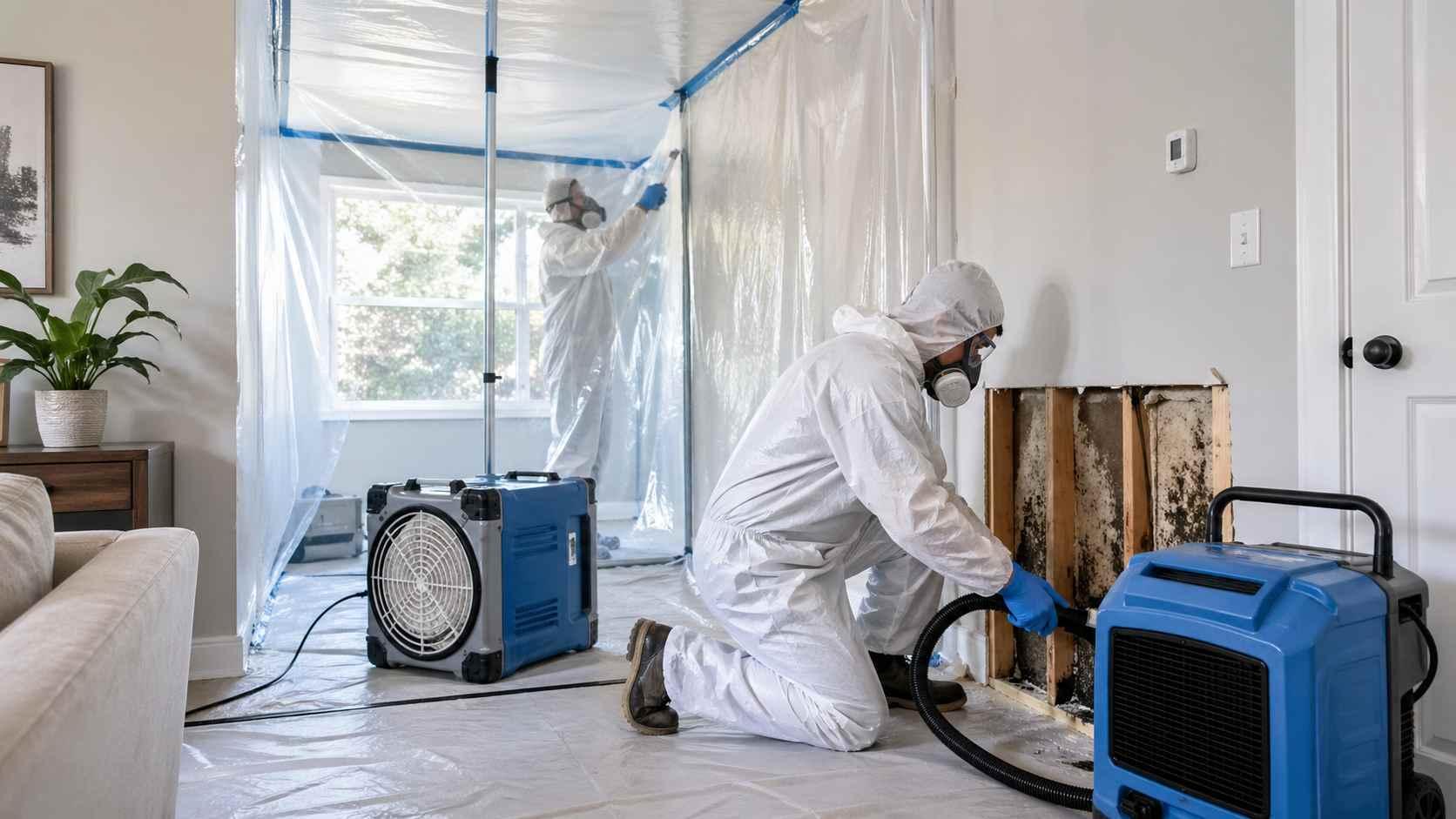 Illustrative image
Mould Removal & Controlled Strip-Outs
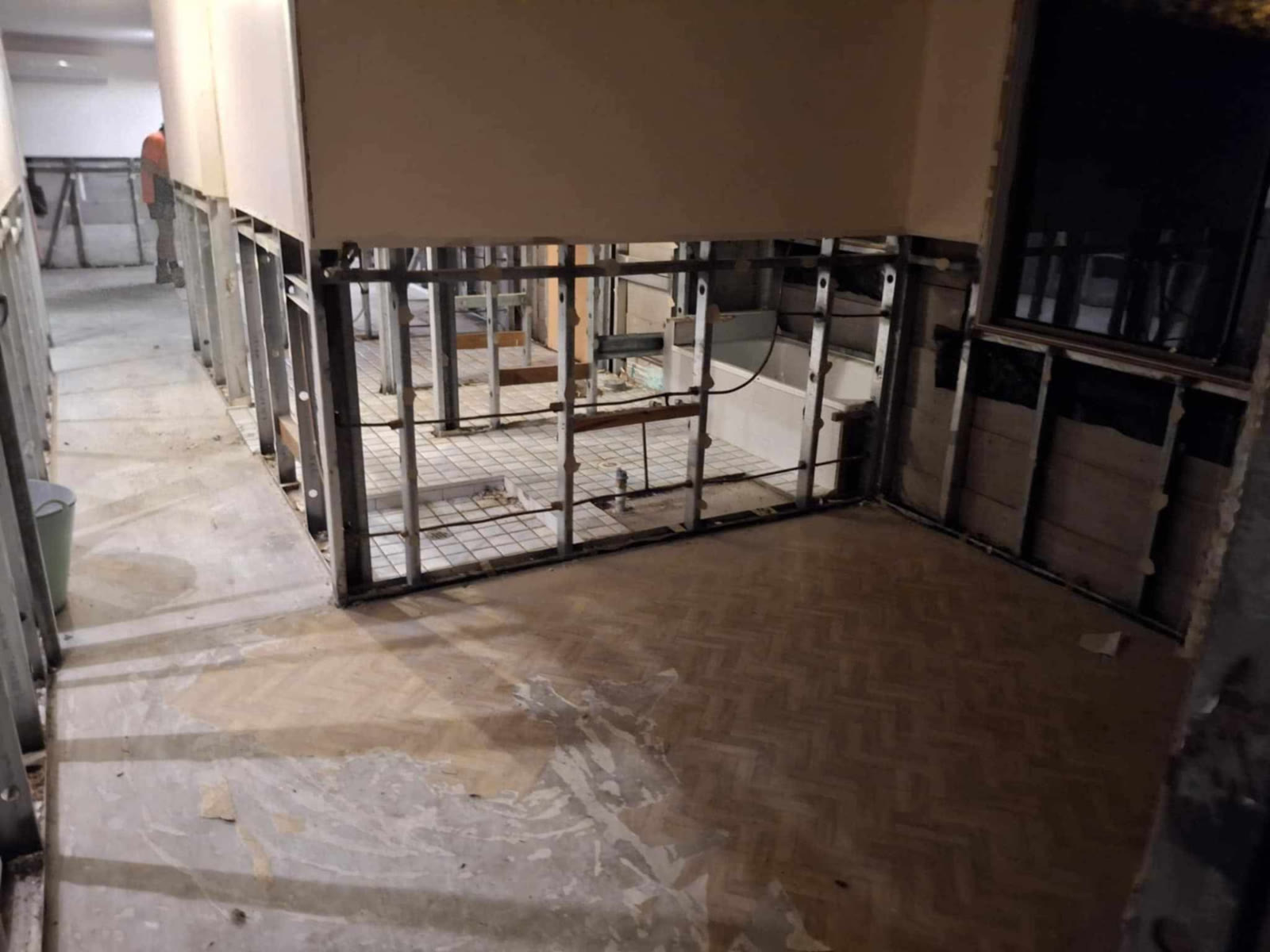
Careful removal of mould-affected plasterboard, ceilings, insulation and fittings that can't be saved.
Learn more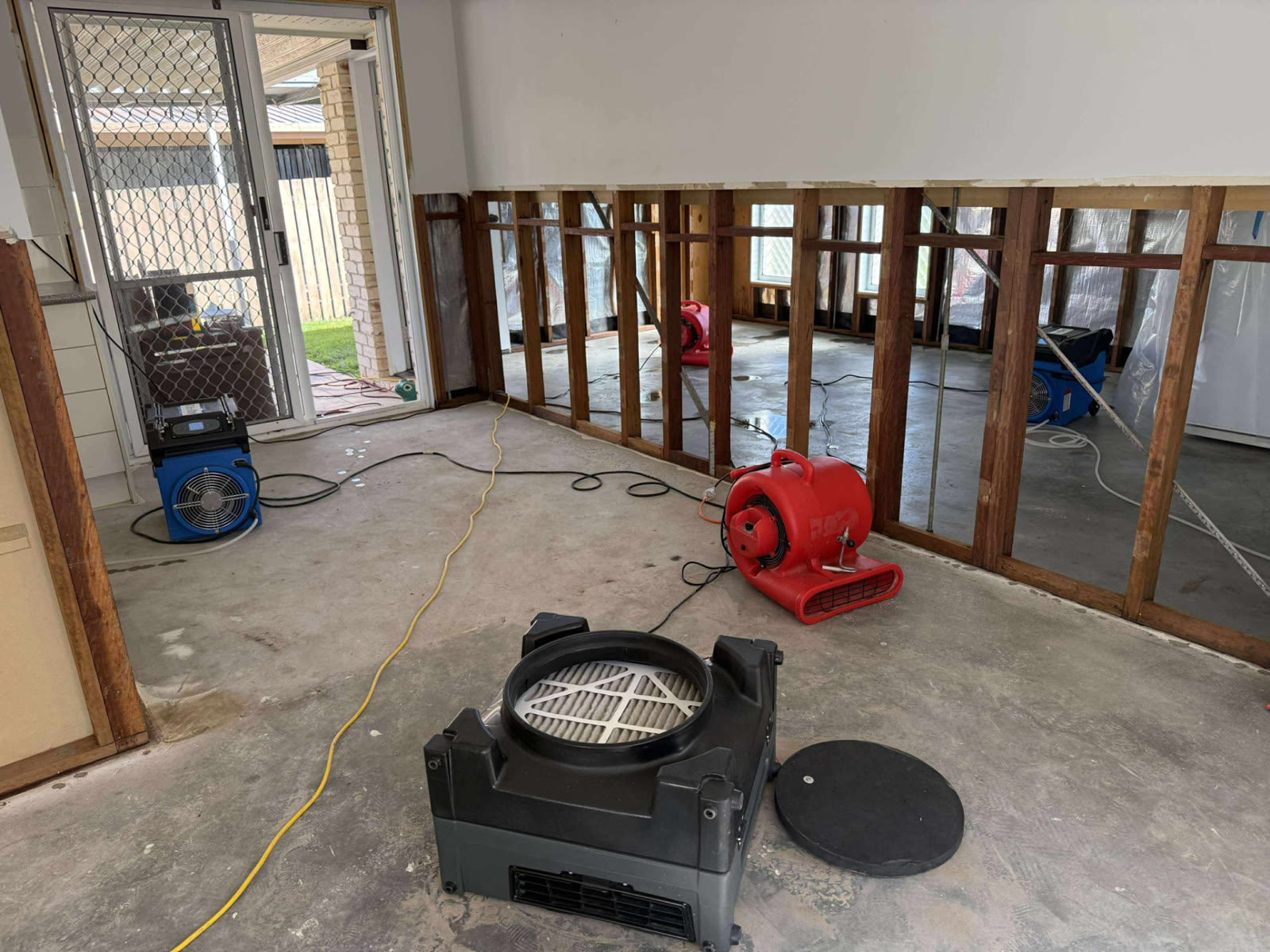
Containment & HEPA Air Filtration
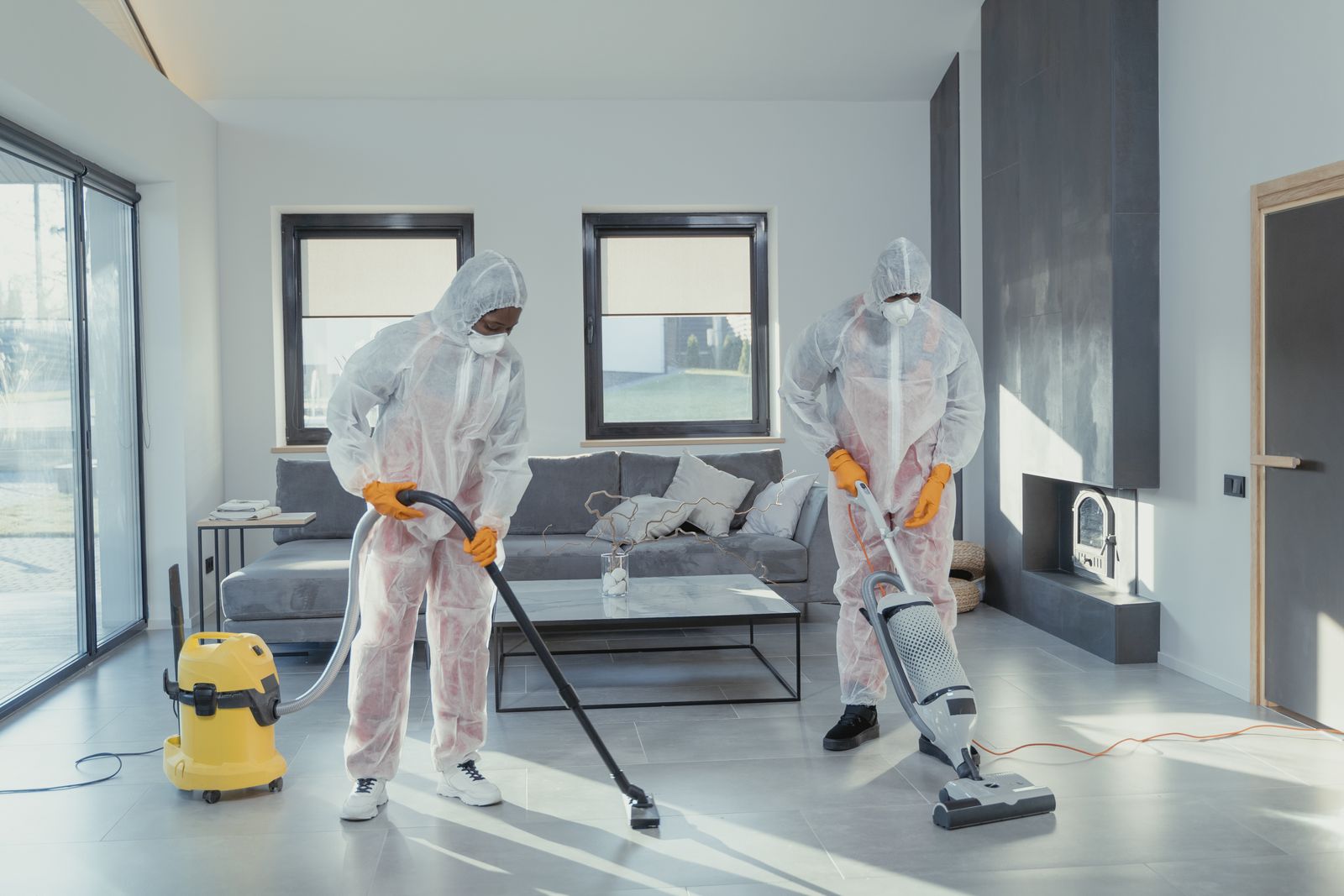
Plastic barriers and HEPA air scrubbers to reduce the spread of spores beyond the work area. The containment plan depends on the property and scope.
Learn more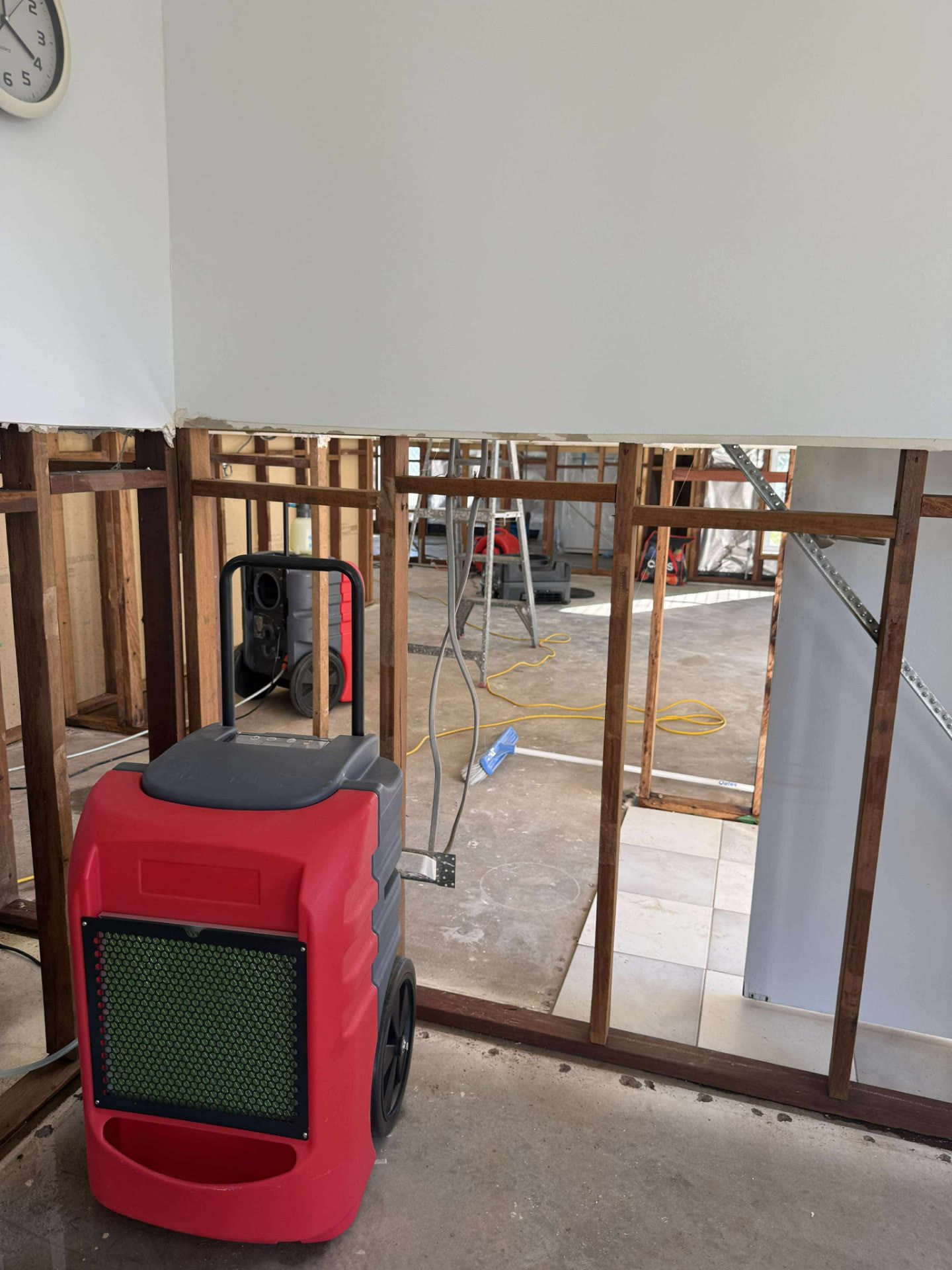
Water Damage & Structural Drying
Water damage restoration in Everton Hills after roof leaks, plumbing leaks, storms or actual flooding. We assess wet plasterboard and framing, remove unsalvageable materials and monitor structural drying with moisture readings.
Learn moreFor leak-affected framing and ceilings, see our structural drying and moisture monitoring. We also support insurance and commercial remediation projects, with independent hygienist assessments and testing arranged where needed.
How we work
Our Mould Remediation Process
- 1
Inspection & Assessment
We talk through the history, take moisture readings and thermal images, and confirm what's feeding the mould.
- 2
Containment & Air Filtration
Where the scope needs it, we seal the work area and run HEPA air filtration to protect the rest of the property.
- 3
Remediation & Cleaning
Contaminated porous materials are removed and salvageable surfaces are HEPA-vacuumed and cleaned.
- 4
Drying, Verification & Recommendations
Structural drying, final moisture readings and a documented report with photos and advice to stop it returning.
Not every step is needed on every job — we explain the proposed scope before work begins. Independent clearance testing can be arranged where the scope, insurer or a hygienist requires it.
Why Choose The Mould Removers in Everton Hills?
- Source first. We confirm the moisture source with readings and thermal imaging before we quote removal.
- Professional equipment. HEPA air scrubbers, commercial dehumidifiers, air movers and moisture meters on every job that needs them.
- Clear communication. You'll know the scope, what's being removed and why before work starts.
- Detailed reporting. Every job ends with a documented report — photos, moisture readings and a summary of the work.
- Homes and commercial premises. Houses, units, strata buildings, offices and workshops, including insurance and builder-managed jobs.
 Illustrative image
Moisture and Mould Patterns in Everton Hills
These are inspection considerations, not a diagnosis of every property. We assess likely contributing conditions on site and explain any limitations or further investigations needed.
Split-level and highset homes
Enclosed ground floors and garage conversions often suffer from poor natural ventilation and trapped ground dampness.
Hillside surface water runoff
Sloping properties direct heavy stormwater against cut-in foundations, soaking external walls and subfloor soil.
Shaded bushland microclimates
Dense perimeter canopies limit direct sunlight and airflow, slowing building dry-out after extended rainfall.
Internal plumbing & bathroom leaks
Upper-level ensuite leaks and aged pipework seep into lower ceiling cavities and timber framing unnoticed.
Our work
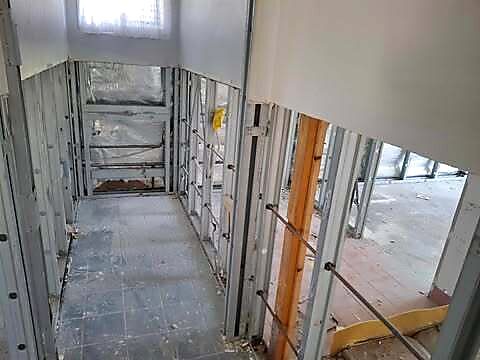
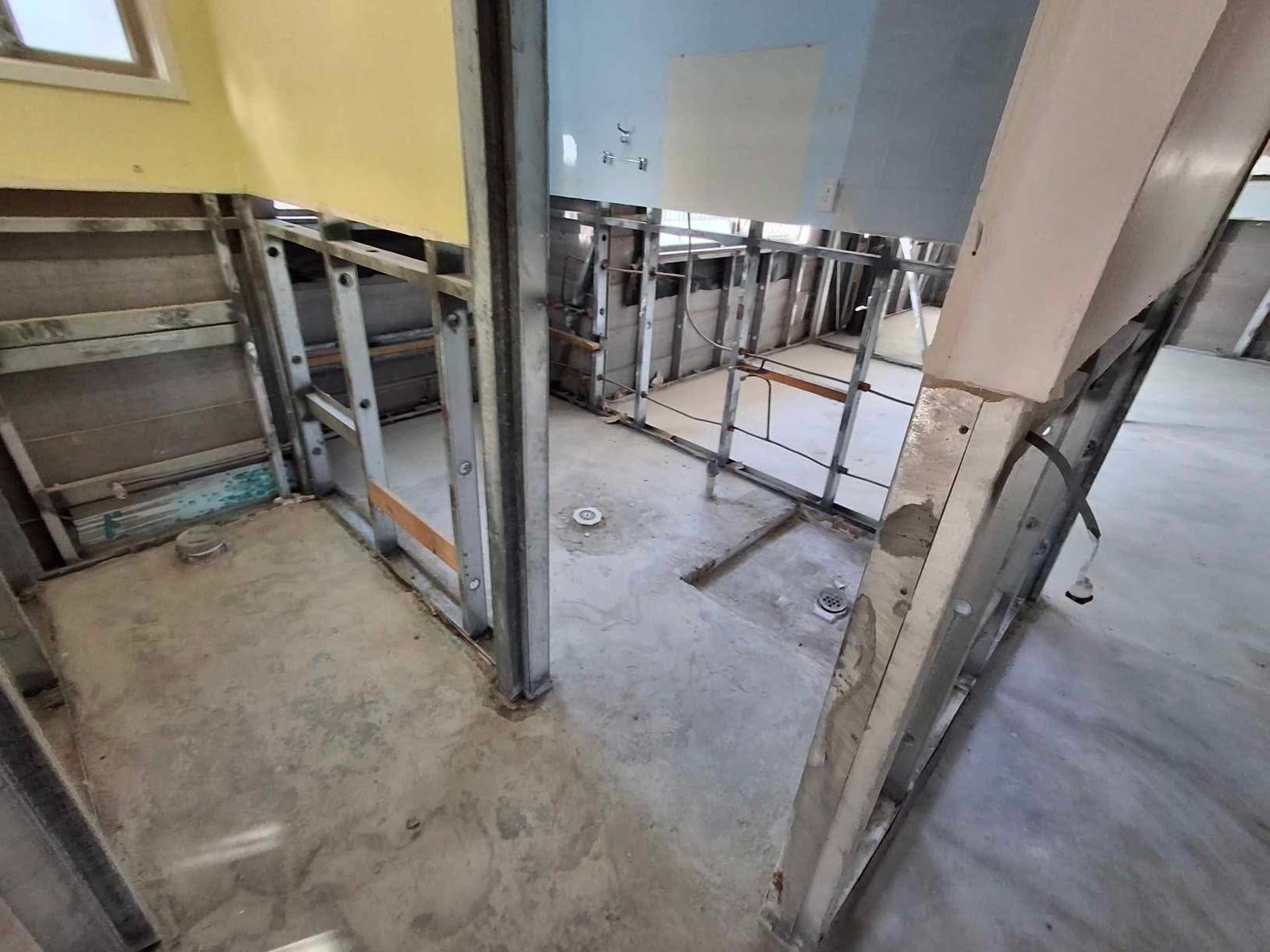
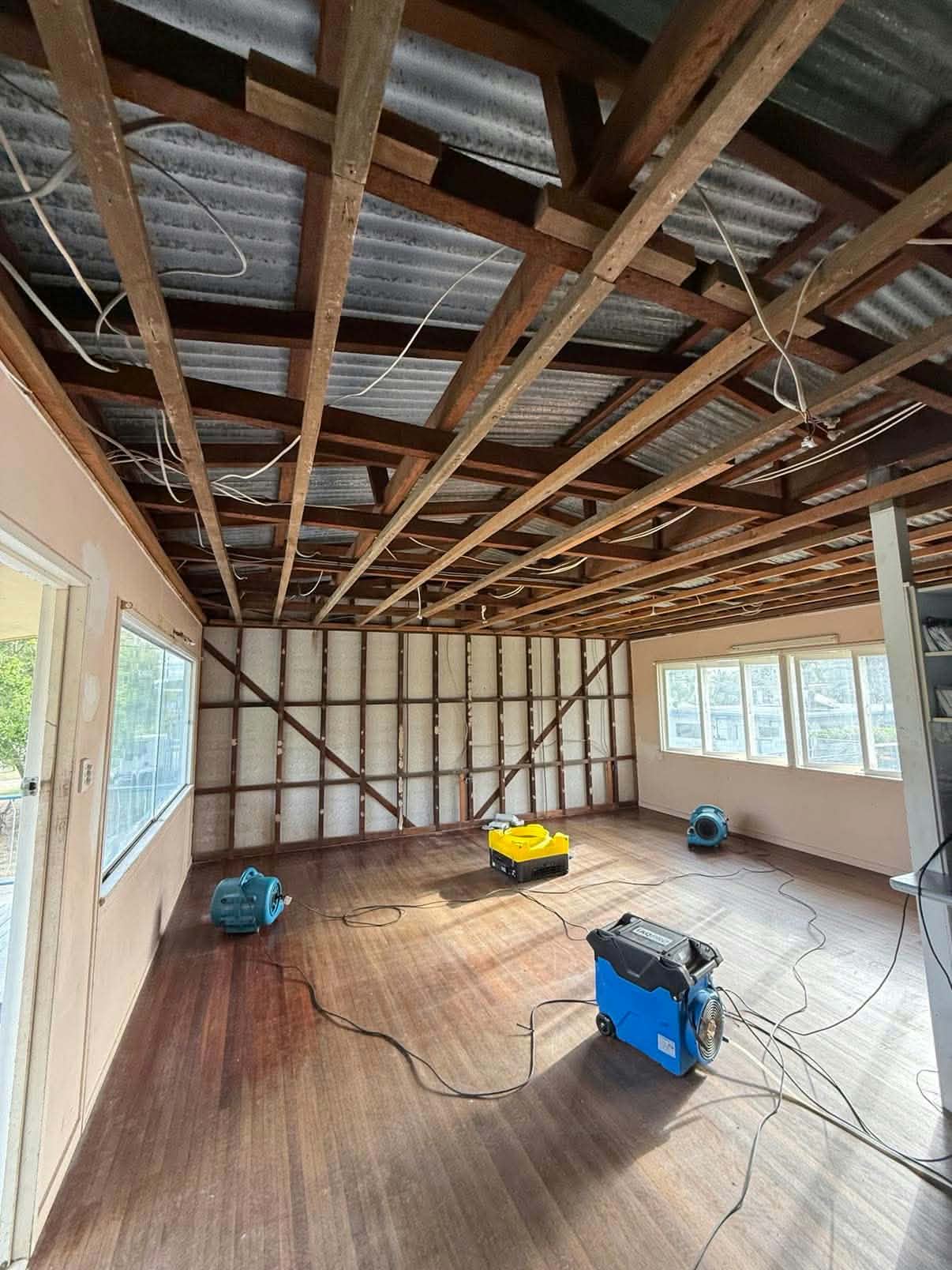
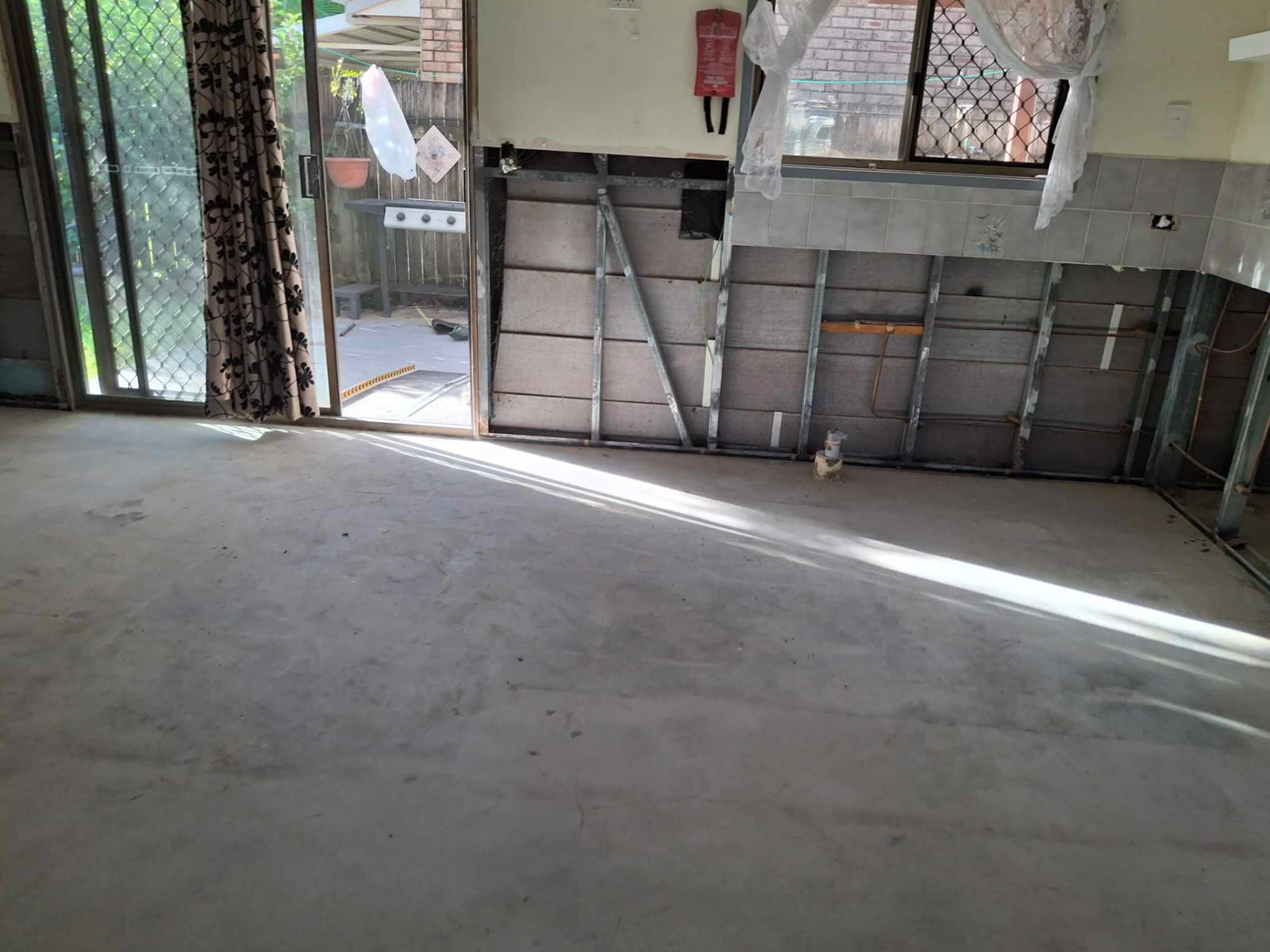
From our recent remediation jobs
Request a mould inspection or quote
Tell us what you're seeing and upload a few photos. A team member reviews every enquiry and will get back to you.
- Don't scrub, sand or pull off mouldy plasterboard — it spreads spores.
- Take clear photos of the affected areas and upload them with the form.
- Note any recent leaks, storms or plumbing work.
- In a unit or tenancy, let your strata or property manager know if the source could be shared.
Mould removal in Everton Hills — FAQs
Why is mould worse on the lower levels of Everton Hills homes?
Many Everton Hills homes are built into hillsides with cut-in slabs or enclosed subfloors. Groundwater migration and poor airflow create cool, damp conditions behind retaining walls and skirting. Without proper subfloor drainage and ventilation, elevated humidity allows mould colonies to thrive on plasterboard and timber linings.
How do you manage mould in properties heavily shaded by trees?
Homes bordering native bushland experience prolonged dampness and less solar drying. We use HEPA air filtration and containment barriers to remove airborne spores safely, treat contaminated building materials, and advise on improving indoor cross-ventilation and managing outdoor perimeter vegetation to reduce future moisture build-up.
Can water damage mould removal save water-damaged plasterboard?
Plasterboard with minor surface mould can often be remediated and dried if structural integrity remains sound. However, if water damaged plasterboard has softened or swollen from persistent hillside seepage or plumbing leaks, we remove and safely dispose of affected sections following IICRC restoration guidelines.
What do we get when the job is finished?
Every job ends with a documented report — photos, moisture readings and a summary of the work. Independent post-remediation verification can be arranged where the scope, insurer or a hygienist requires it.

Dealing with persistent mould in Everton Hills?
A professional inspection and a clear remediation plan from your local Brisbane team.
Photo: King Eliot, CC0