

Local mould remediation · Pallara
Professional Mould Removal Pallara
Specialist mould inspections, structural drying and remediation for new-build estates and acreage residences across Pallara — resolving trapped moisture at the source.
- QBCC Licence 15082064
- IICRC industry methods
- Homes, units & commercial
- Documented report every job
Photo: Chris Olszewski, CC BY-SA 4.0
Mould Remediation for Pallara Estates & Homes
Pallara has transitioned rapidly from rural acreage into vibrant residential estates filled with contemporary slab-on-ground homes. While modern building designs prioritise energy efficiency, tightly sealed building envelopes can trap indoor humidity from daily cooking, laundering and unvented en-suites. When combined with wet subtropical summers and nearby creek drainage corridors, this trapped damp creates prime conditions for ceiling and wall mould removal needs.
Our QBCC-licensed technicians follow proven IICRC standards to locate the underlying moisture source rather than simply treating visible surface staining. Using non-invasive moisture meters and thermal cameras, we inspect framing, wall cavities and slab perimeters. We safely isolate spores using HEPA air scrubbers, execute required water damage mould removal, and deliver a comprehensive documented report outlining all findings and completed remediation steps.
Book a Mould Inspection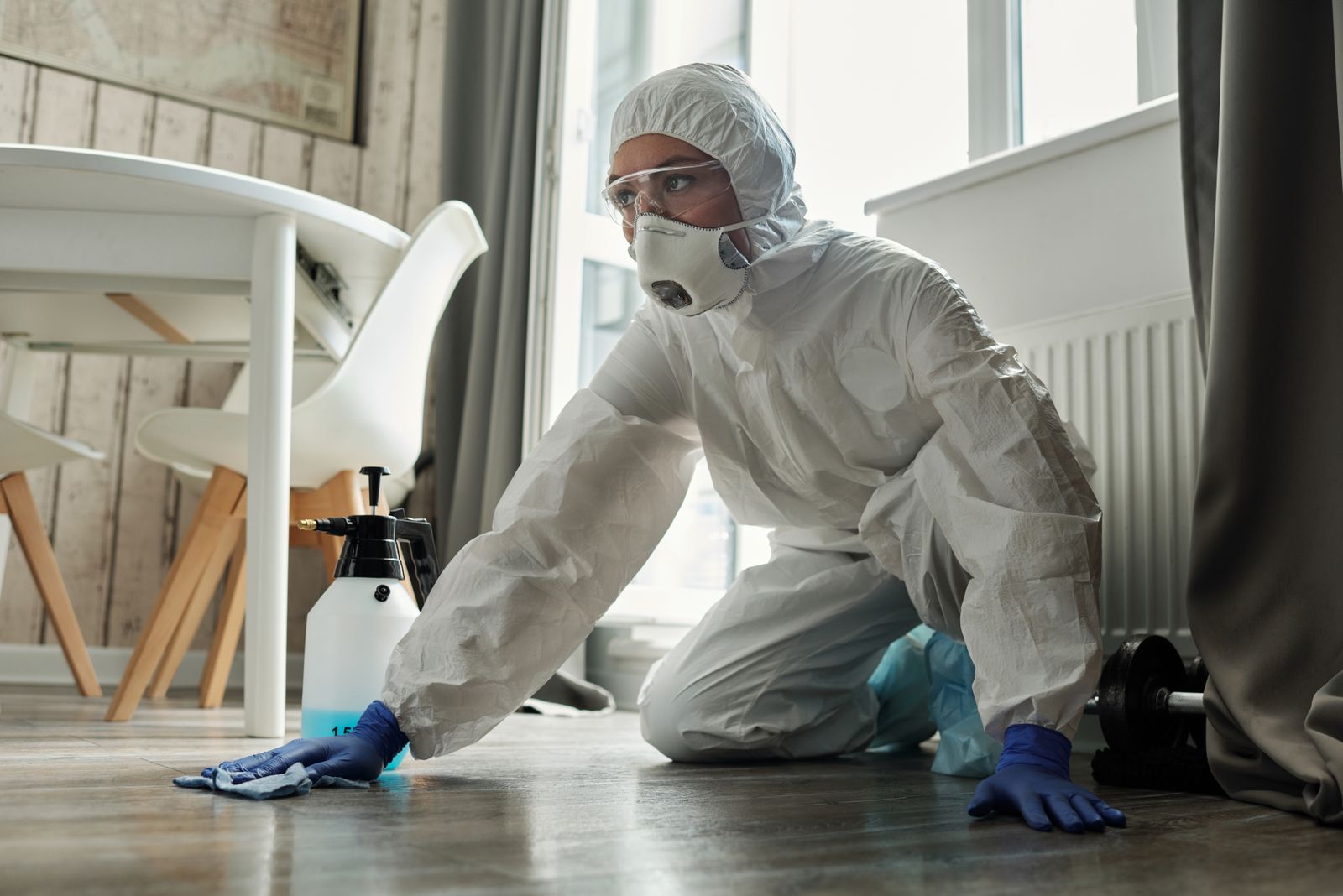
Common signs of mould
- Dark spotting across bathroom ceilings and cornices
- Musty odours in walk-in wardrobes and cupboards
- Condensation pooling along aluminium window sills
- Discolouration on plasterboard near external weep holes
- Mould growth forming behind beds on outer walls
- Damp patches or staining around air conditioning vents
Our Mould Remediation Services in Pallara
 Illustrative image
Mould Inspections & Assessments
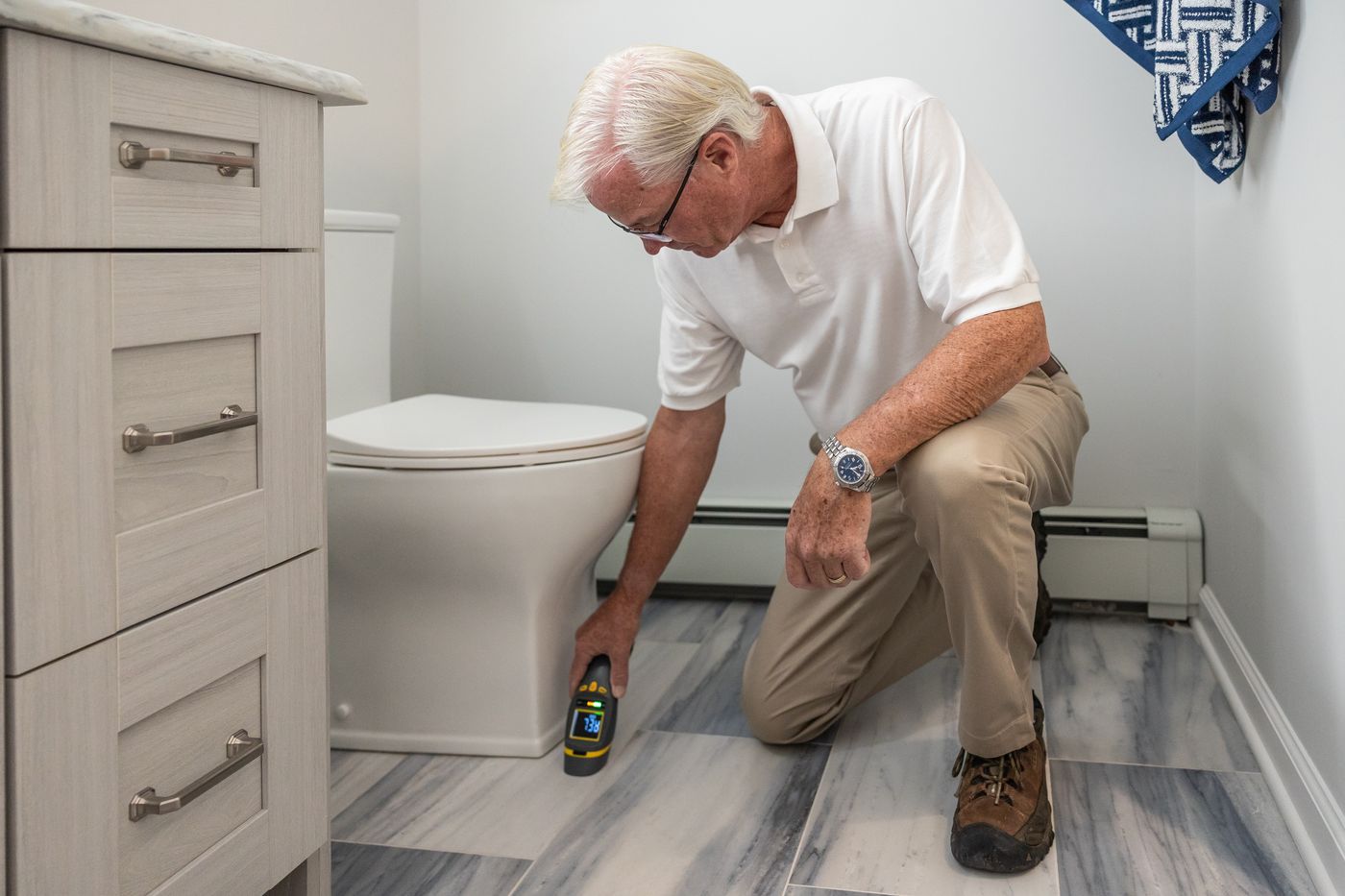
Visual assessment, moisture readings and thermal imaging to investigate damp areas in your Pallara property. Sampling, where needed, is arranged with an independent hygienist.
Learn more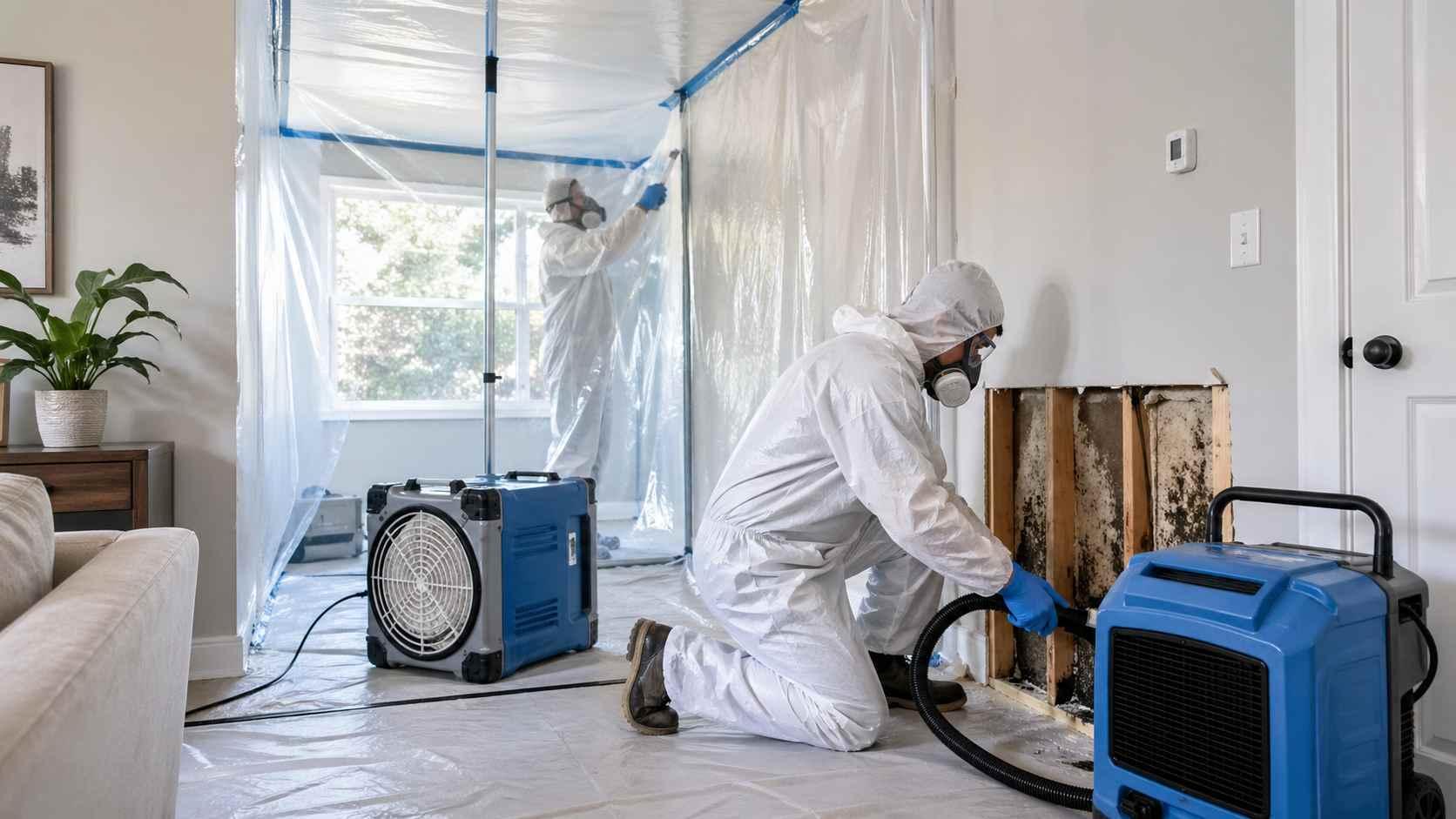 Illustrative image
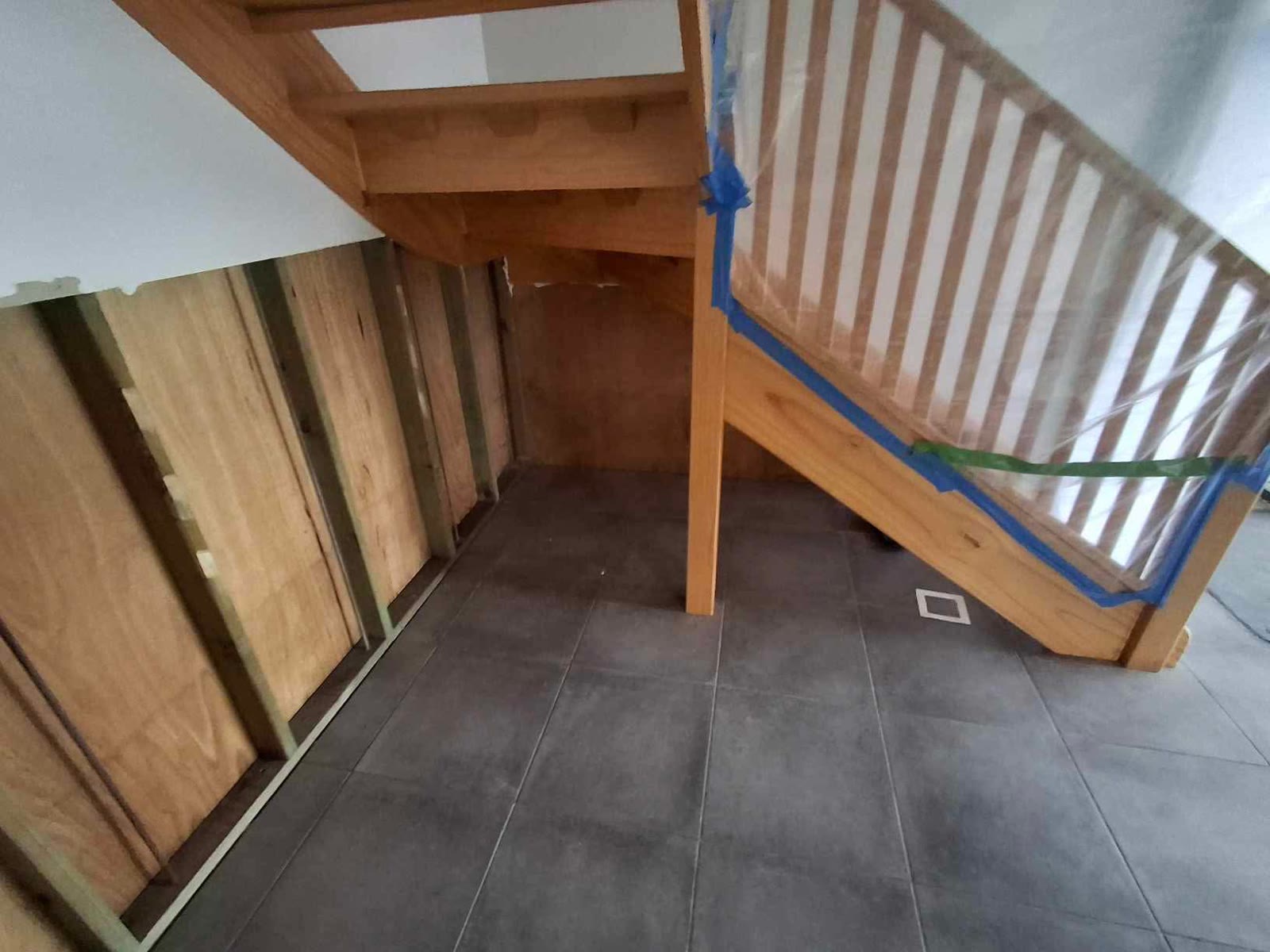
Mould Removal & Controlled Strip-Outs
Careful removal of mould-affected plasterboard, ceilings, insulation and fittings that can't be saved.
Learn more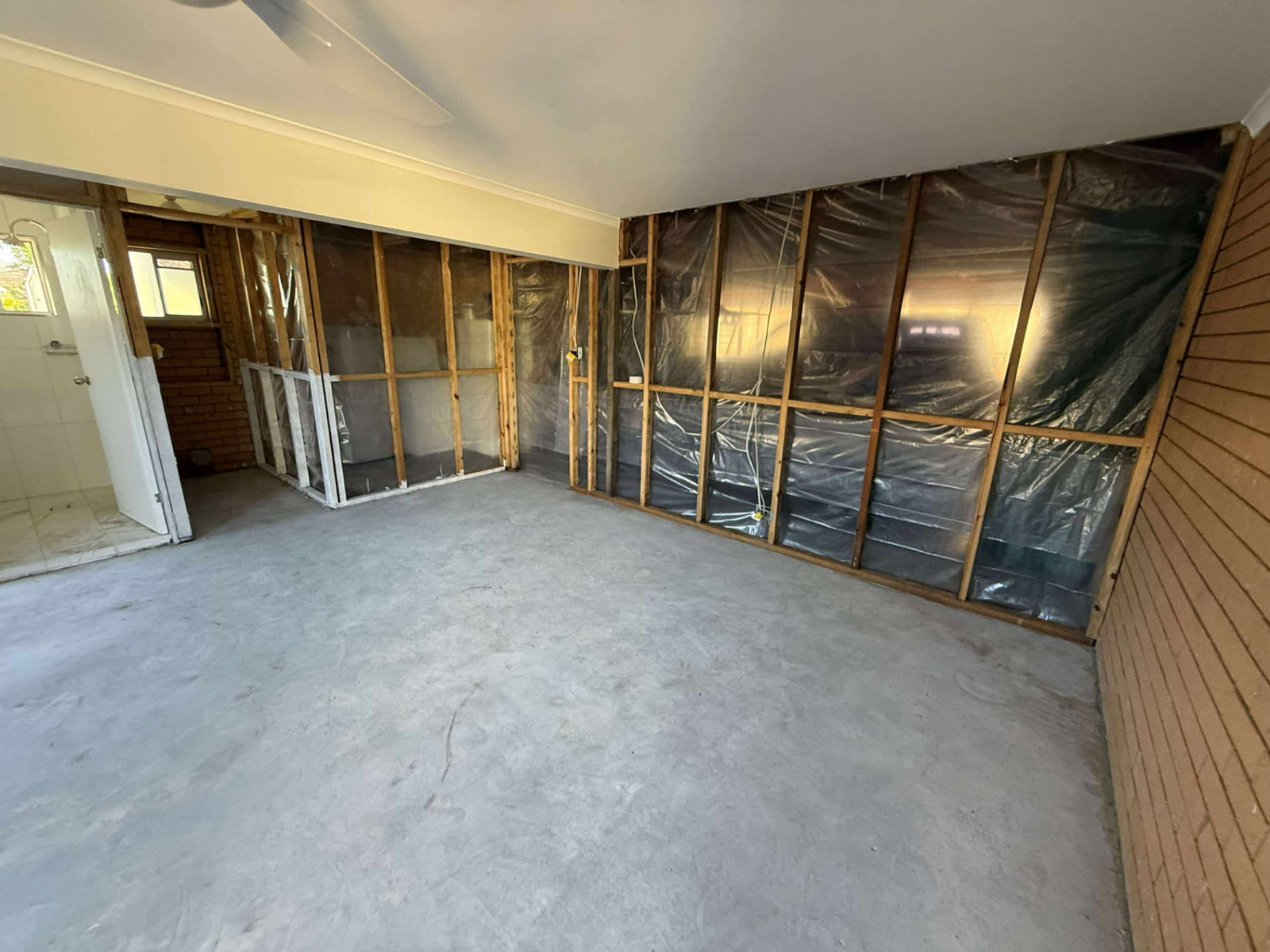
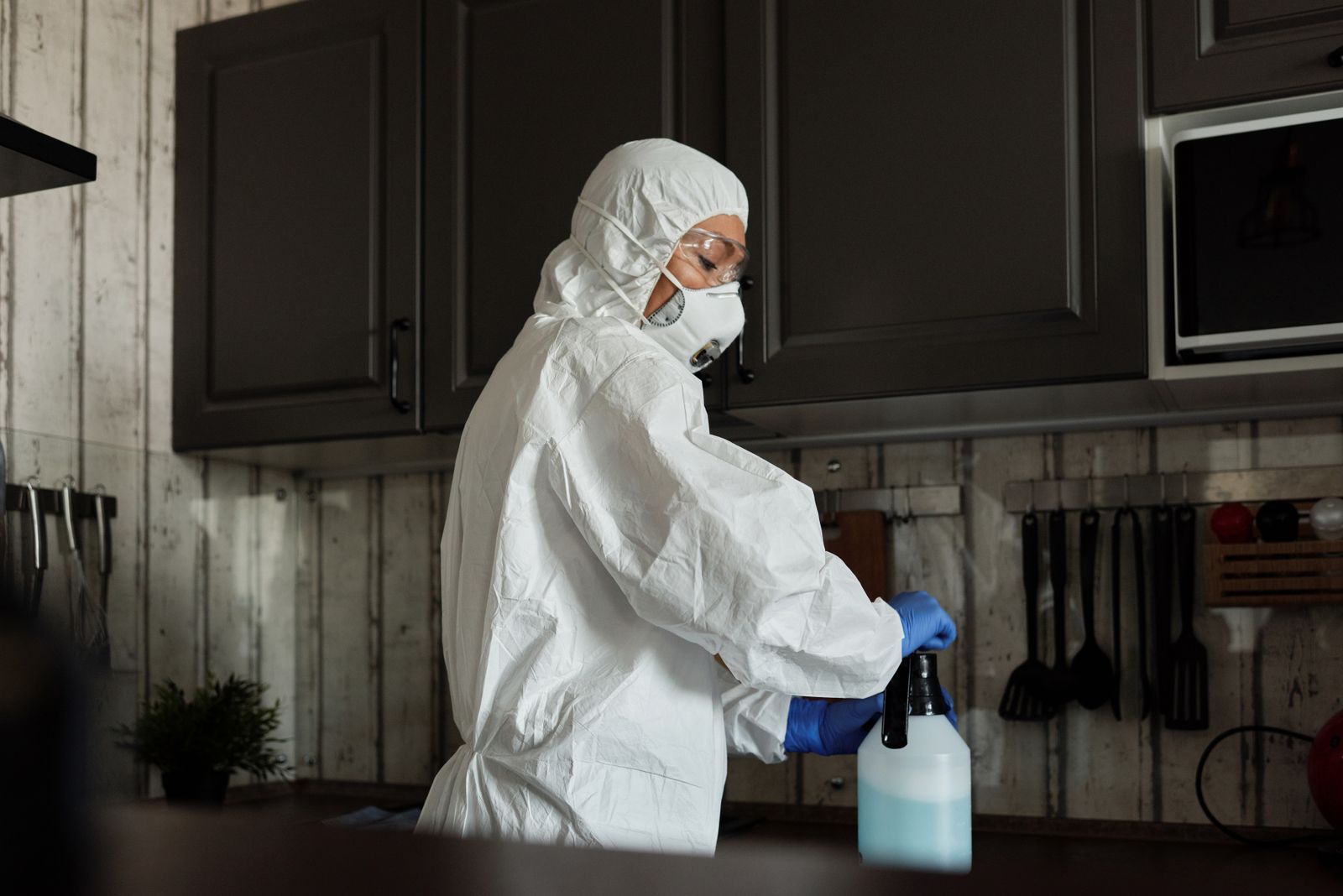
Containment & HEPA Air Filtration
Plastic barriers and HEPA air scrubbers to reduce the spread of spores beyond the work area. The containment plan depends on the property and scope.
Learn more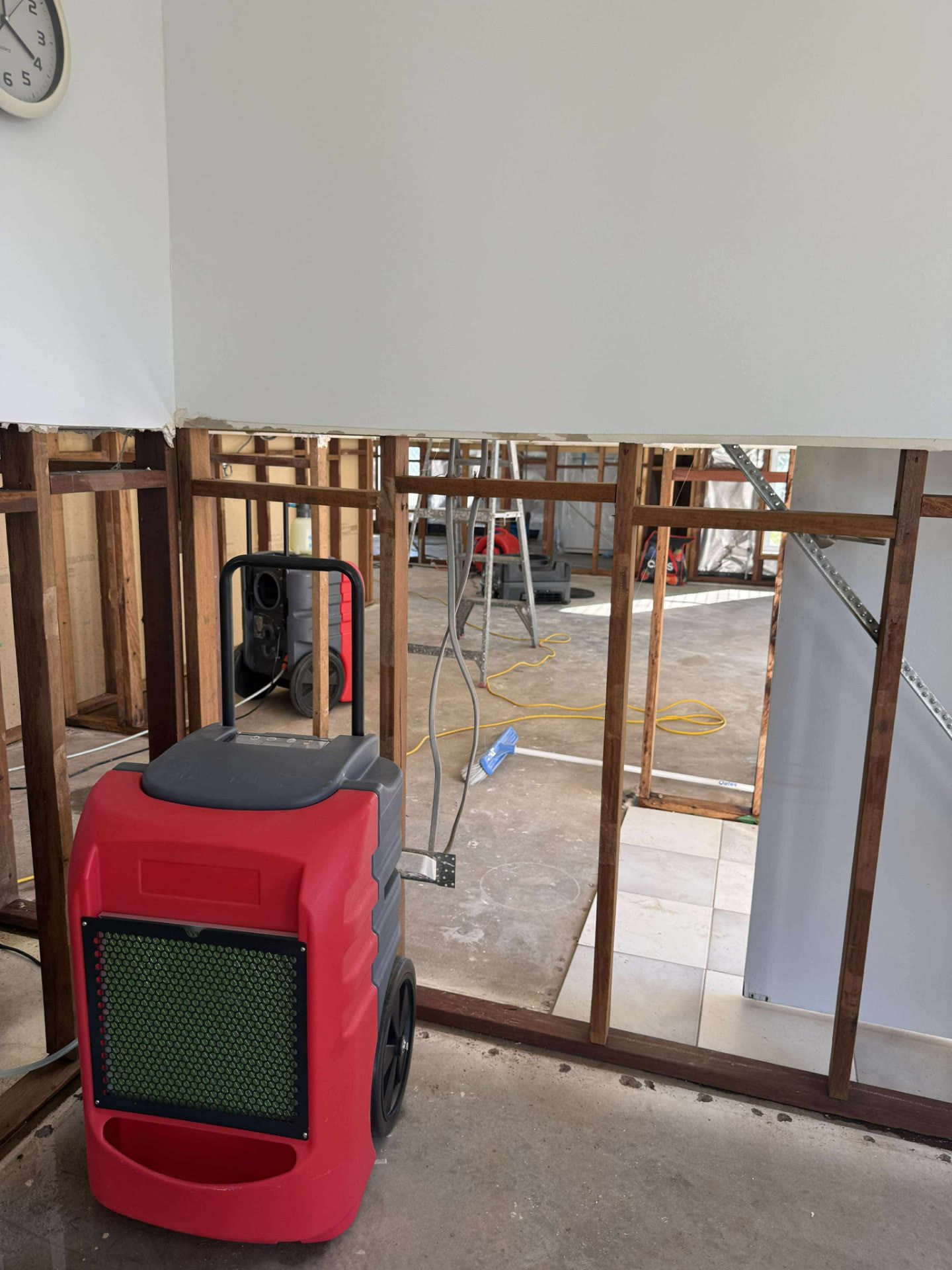
Water Damage & Structural Drying
Water damage restoration in Pallara after roof leaks, plumbing leaks, storms or actual flooding. We assess wet plasterboard and framing, remove unsalvageable materials and monitor structural drying with moisture readings.
Learn moreFor leak-affected framing and ceilings, see our structural drying and moisture monitoring. We also support insurance and commercial remediation projects, with independent hygienist assessments and testing arranged where needed.
How we work
Our Mould Remediation Process
- 1
Inspection & Assessment
We talk through the history, take moisture readings and thermal images, and confirm what's feeding the mould.
- 2
Containment & Air Filtration
Where the scope needs it, we seal the work area and run HEPA air filtration to protect the rest of the property.
- 3
Remediation & Cleaning
Contaminated porous materials are removed and salvageable surfaces are HEPA-vacuumed and cleaned.
- 4
Drying, Verification & Recommendations
Structural drying, final moisture readings and a documented report with photos and advice to stop it returning.
Not every step is needed on every job — we explain the proposed scope before work begins. Independent clearance testing can be arranged where the scope, insurer or a hygienist requires it.
Why Choose The Mould Removers in Pallara?
- Source first. We confirm the moisture source with readings and thermal imaging before we quote removal.
- Professional equipment. HEPA air scrubbers, commercial dehumidifiers, air movers and moisture meters on every job that needs them.
- Clear communication. You'll know the scope, what's being removed and why before work starts.
- Detailed reporting. Every job ends with a documented report — photos, moisture readings and a summary of the work.
- Homes and commercial premises. Houses, units, strata buildings, offices and workshops, including insurance and builder-managed jobs.
 Illustrative image
Moisture and mould issues in Pallara
These are inspection considerations, not a diagnosis of every property. We assess likely contributing conditions on site and explain any limitations or further investigations needed.
New estate slab homes
High-density residential builds often experience condensation buildup and reduced cross-breeze between closely spaced properties.
Enclosed en-suites & robes
Modern layouts with internal bathrooms and walk-in robes easily trap shower humidity without continuous active mechanical exhaust.
Low-lying ground drainage
Flat terrain linked to the local creek basin can allow ground damp to linger against slab edges after heavy summer downpours.
Acreage & older properties
Established homes may encounter subterranean moisture intrusion, aging plumbing joints, and unsealed masonry retaining walls.
Our work
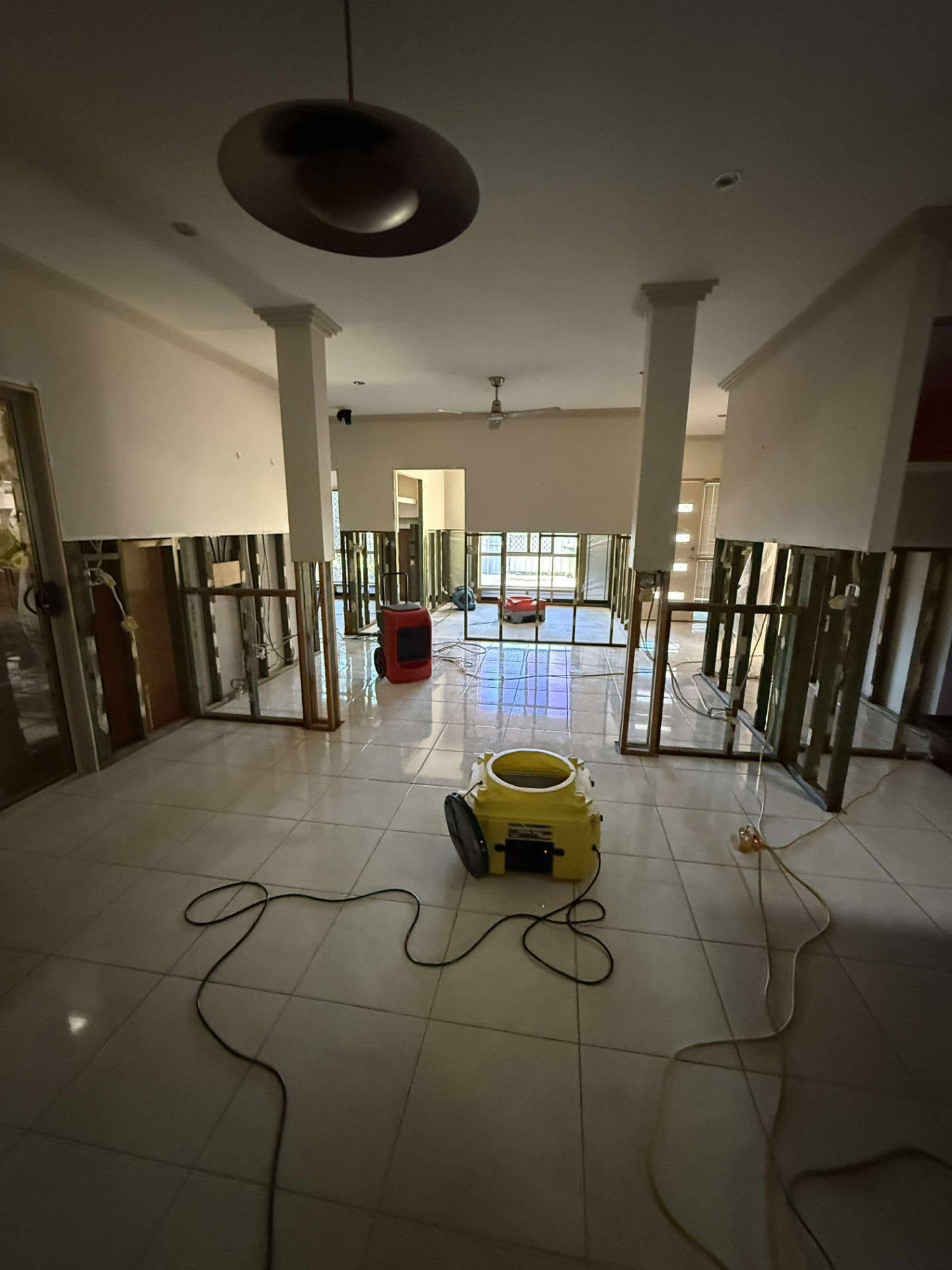
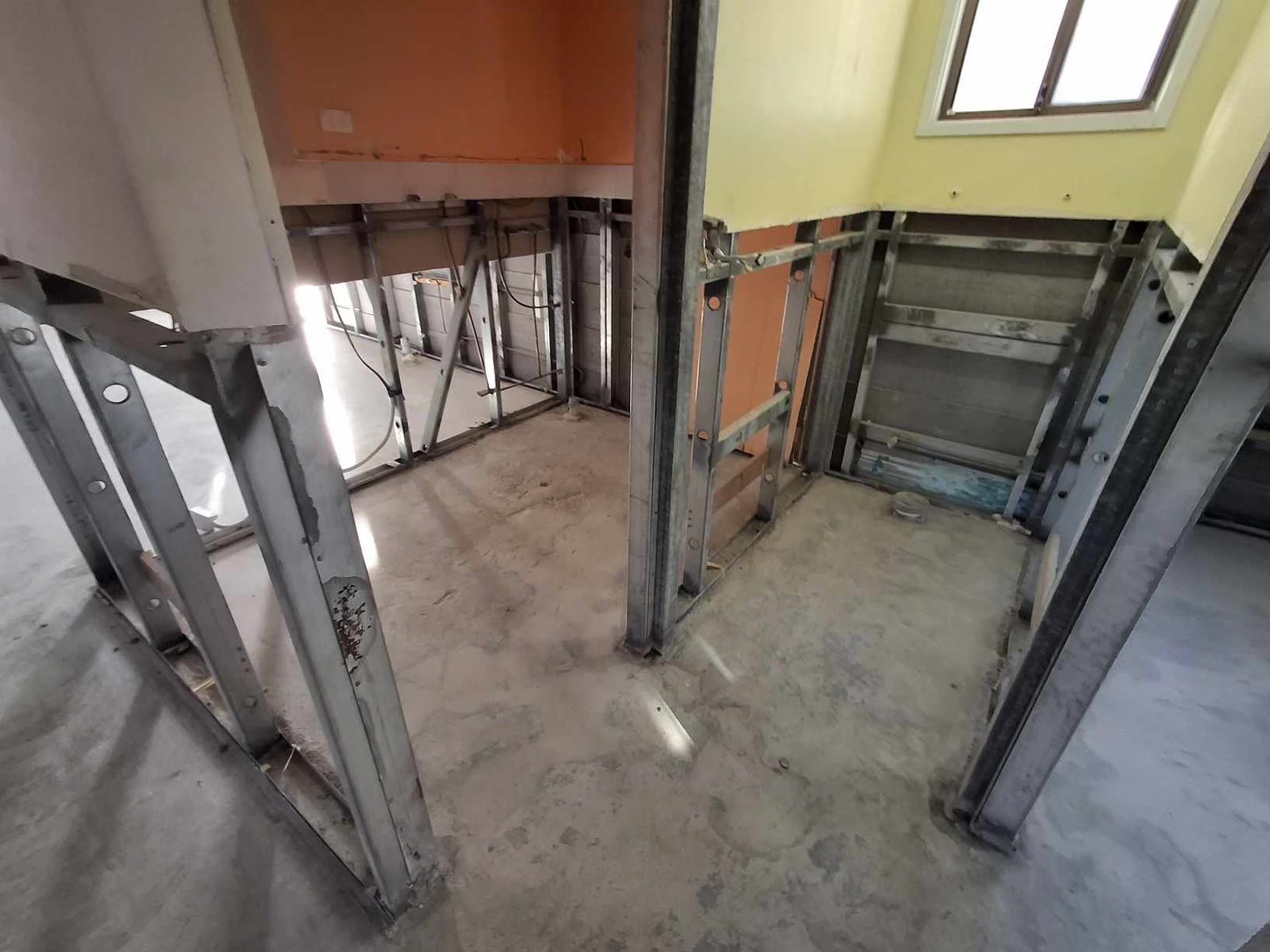
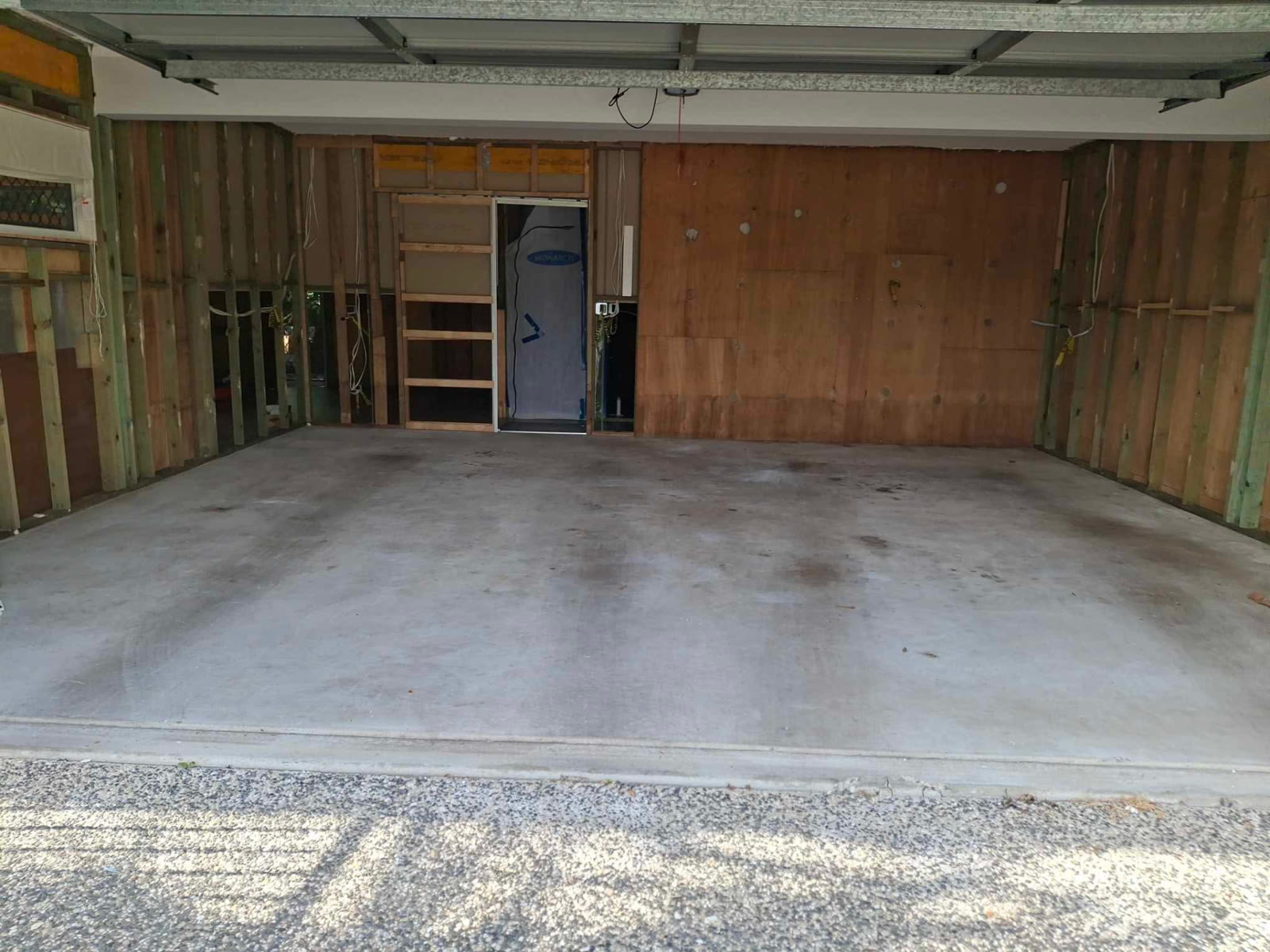
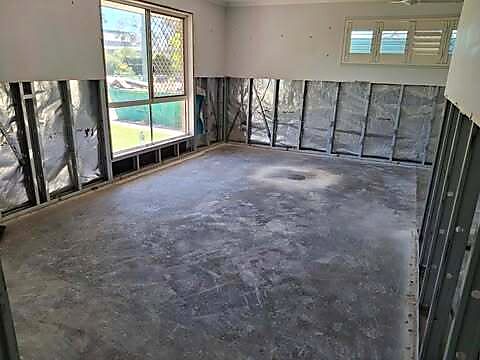
From our recent remediation jobs
Request a mould inspection or quote
Tell us what you're seeing and upload a few photos. A team member reviews every enquiry and will get back to you.
- Don't scrub, sand or pull off mouldy plasterboard — it spreads spores.
- Take clear photos of the affected areas and upload them with the form.
- Note any recent leaks, storms or plumbing work.
- In a unit or tenancy, let your strata or property manager know if the source could be shared.
Mould removal in Pallara — FAQs
Why is mould appearing in my newly built Pallara home?
Modern slab-on-ground homes are built tightly sealed for energy efficiency, which can trap internal humidity generated by showers, laundry, and cooking. In developing estates where houses sit close together, limited natural airflow combined with high summer humidity frequently allows surface mould to form on drywall and ceilings.
Can you detect moisture hidden behind newly painted drywall?
Yes. We use specialised non-destructive moisture meters and thermal imaging cameras to inspect behind plasterboard and inside wall cavities without cutting exploratory holes. This identifies hidden plumbing leaks, slab dampness, or condensation reservoirs before recommending targeted water damaged plasterboard removal or structural drying.
Do your Pallara remediation services include a documented report?
Yes. Every project concludes with a comprehensive documented report. It details our initial moisture readings, thermal imagery, the scope of remediation completed to IICRC standards, and practical ventilation recommendations. This report is ideal for your personal records, tenancy documentation, or home warranty and insurance discussions.

Dealing with mould in your Pallara home?
A professional inspection and a clear remediation plan from your local Brisbane team.
Photo: John Robert McPherson, CC BY-SA 4.0