

Local mould remediation · Sunnybank Hills
Professional Mould Removal Sunnybank Hills
Specialised mould remediation and moisture detection for Sunnybank Hills homes and townhouses — tracing hidden damp in slab-on-ground builds, roof cavities, and ducted AC systems.
- QBCC Licence 15082064
- IICRC industry methods
- Homes, units & commercial
- Documented report every job
Photo: John Robert McPherson, CC BY-SA 4.0
Mould Remediation for Sunnybank Hills Homes
Sunnybank Hills features expansive brick-and-tile family residences and two-storey brick veneer homes built across the 1970s to 1990s, alongside modern townhouse communities. In this undulating southside terrain, heavy summer storm downpours and subtropical humidity frequently stress roof valleys, internal plumbing lines, and concrete slab perimeters. Inadequate sub-slab vapour barriers or blocked weep holes can drive hidden dampness directly into interior wall cavities.
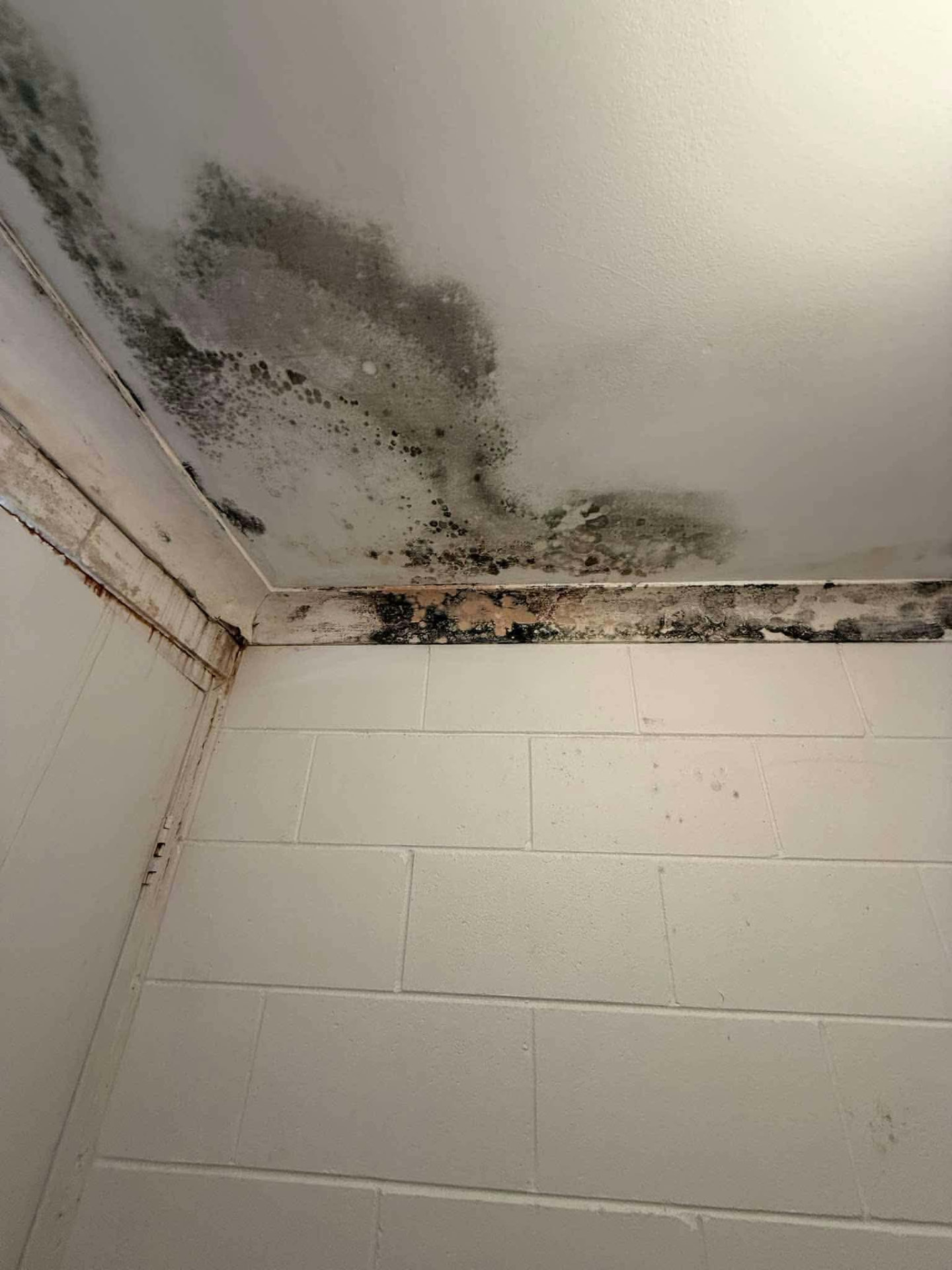
We deliver structured residential and commercial mould remediation following strict IICRC standards. Our technicians use calibrated thermal imaging and moisture meters to locate moisture sources behind plasterboard or under carpets without invasive demolition. Following careful containment and HEPA air scrubbing, we carry out ceiling and wall mould removal, leaving every homeowner with a clear, documented inspection report.
Book a Mould Inspection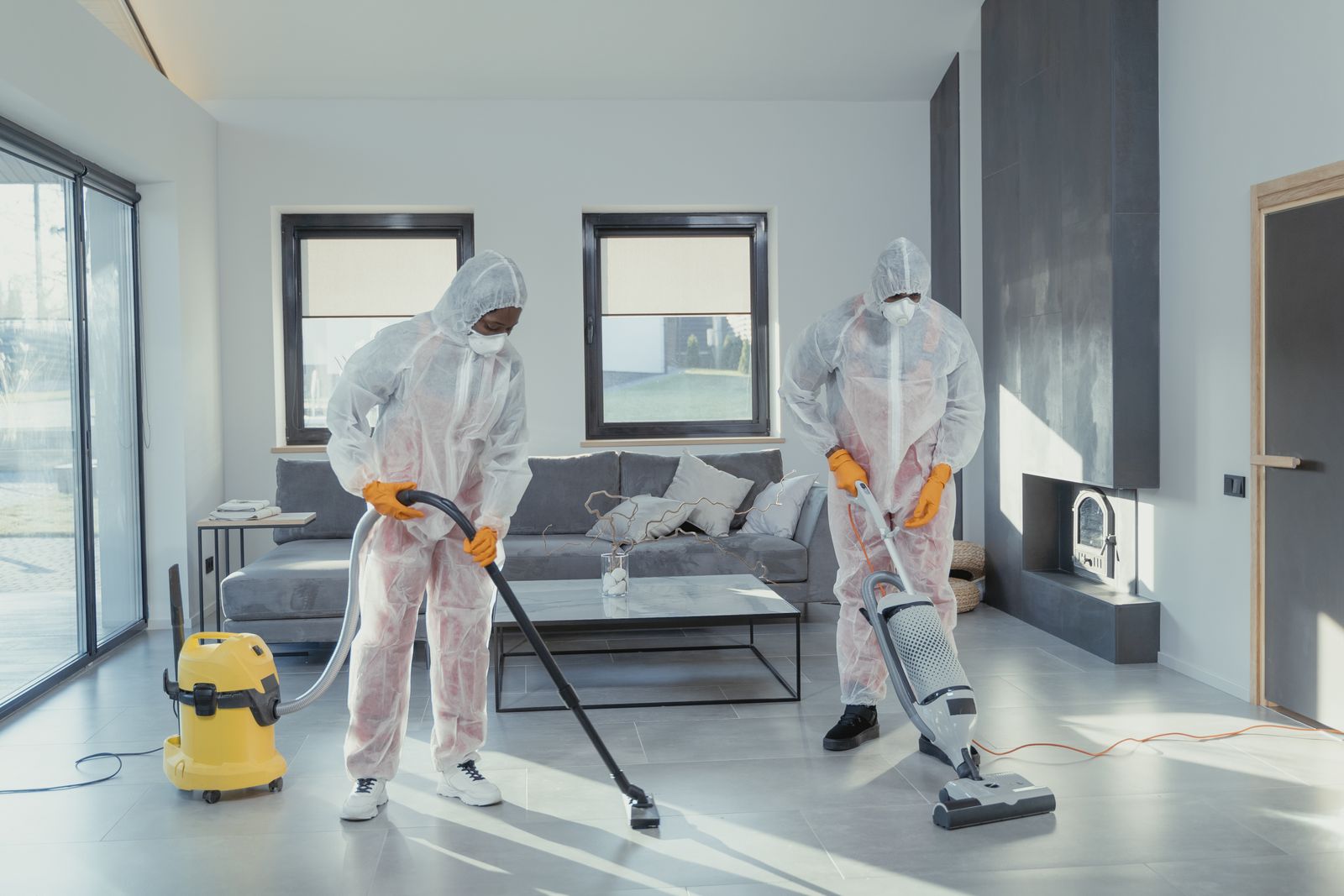
Common signs of mould
- Musty odours in ground-floor bedrooms
- Dark mould spots along ceiling cornices
- Discoloured plasterboard behind built-in robes
- Visible mildew on ducted air conditioning vents
- Persistent damp patches on concrete floor slabs
- Swelling skirting boards near internal wet areas
Our Mould Remediation Services in Sunnybank Hills
 Illustrative image
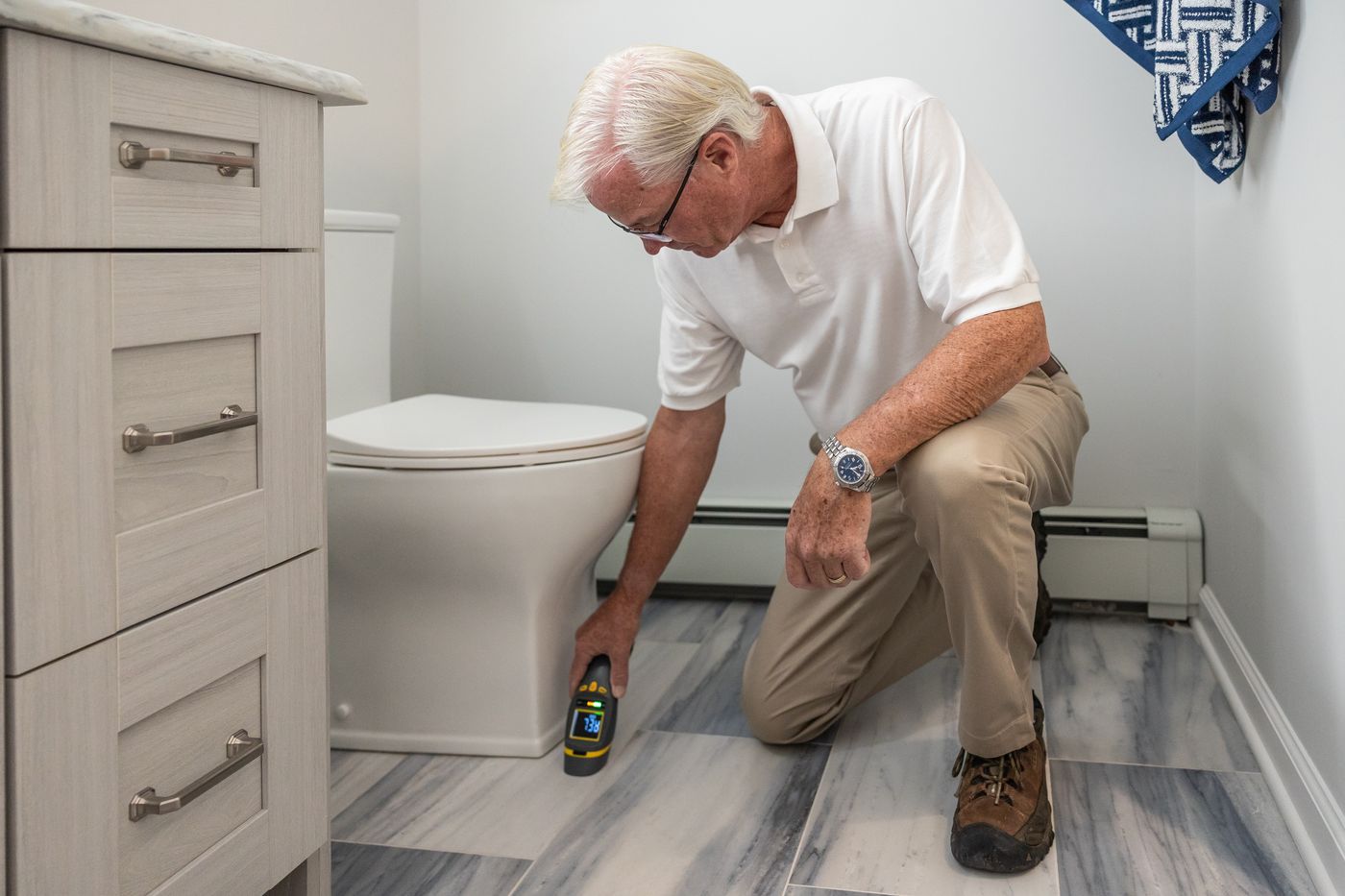
Mould Inspections & Assessments
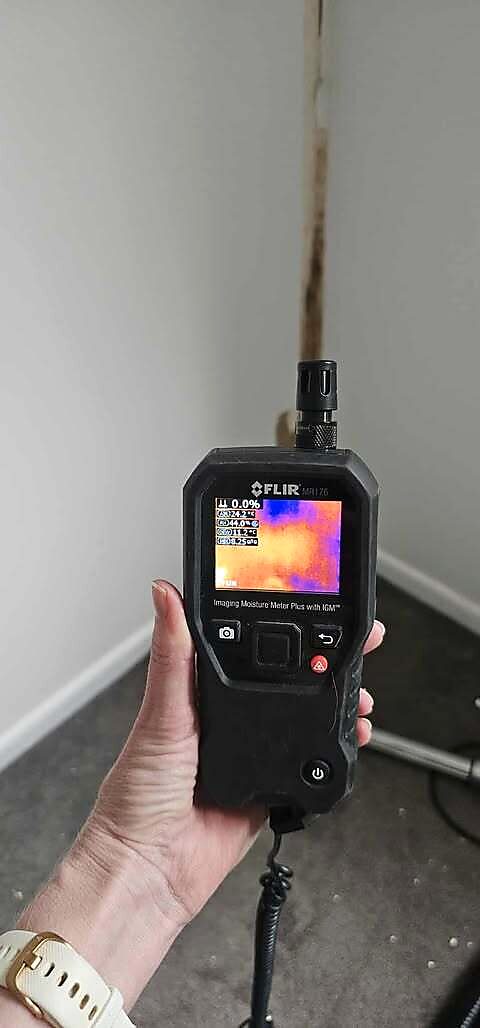
Visual assessment, moisture readings and thermal imaging to investigate damp areas in your Sunnybank Hills property. Sampling, where needed, is arranged with an independent hygienist.
Learn more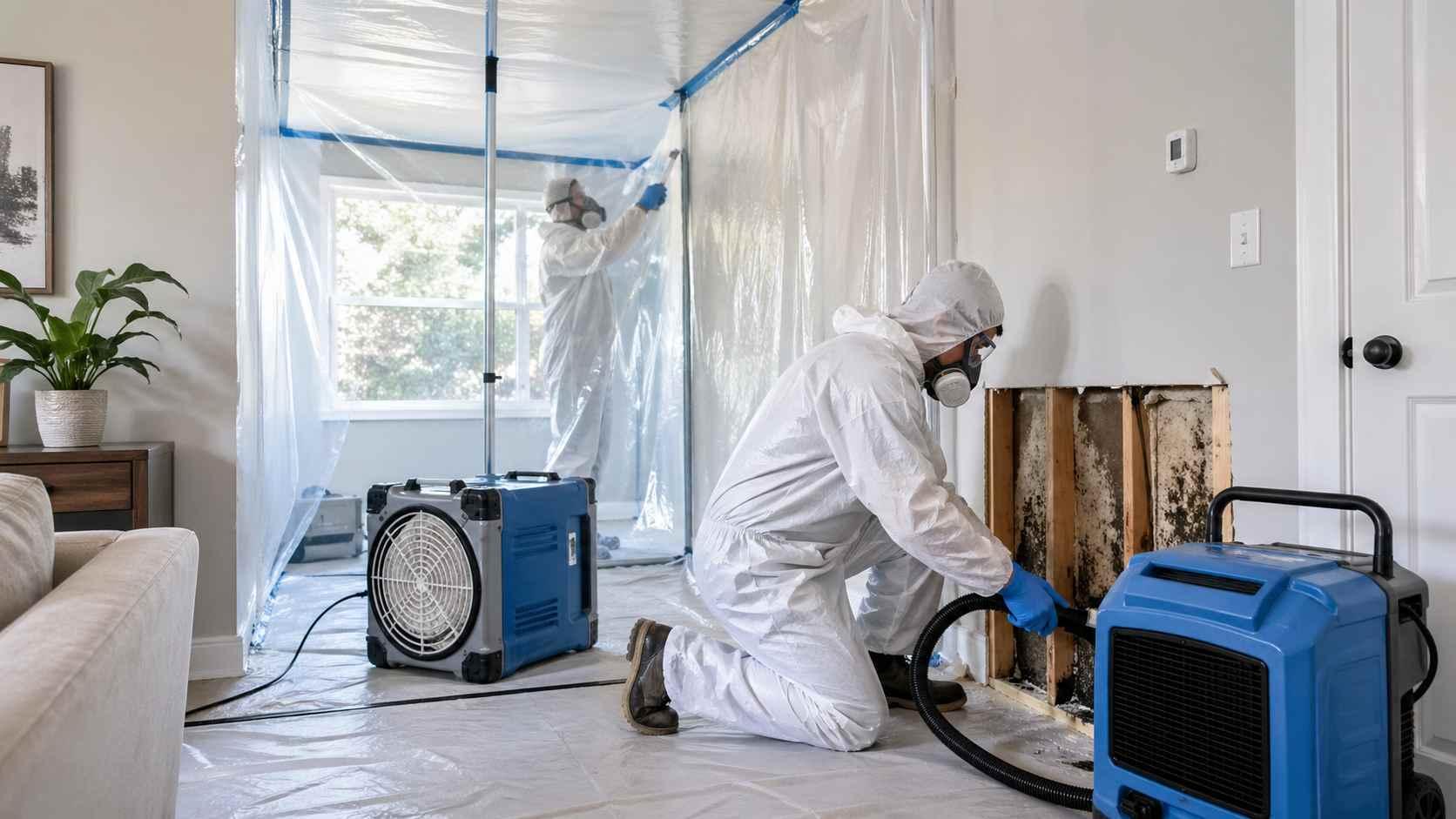 Illustrative image
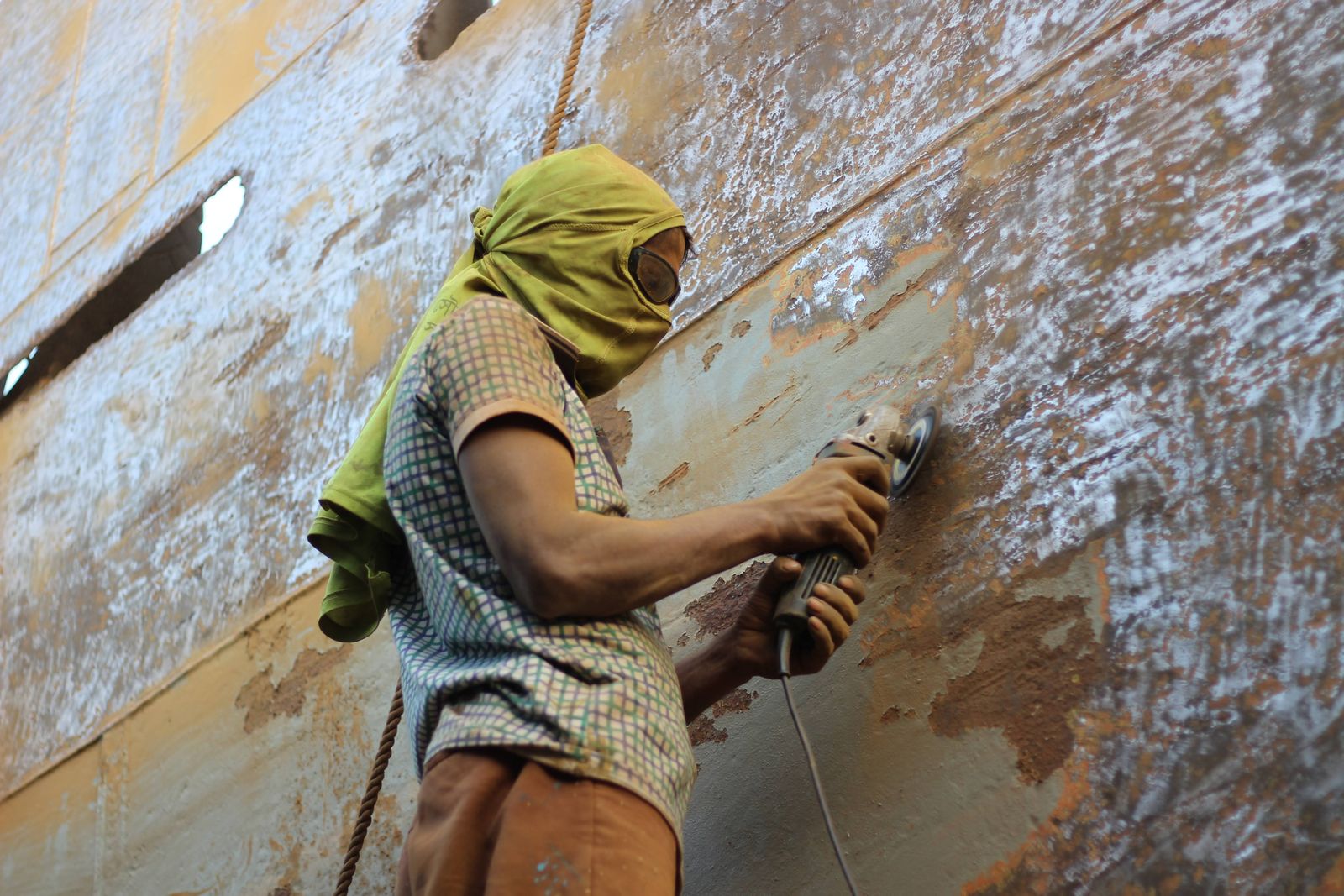
Mould Removal & Controlled Strip-Outs
Careful removal of mould-affected plasterboard, ceilings, insulation and fittings that can't be saved.
Learn more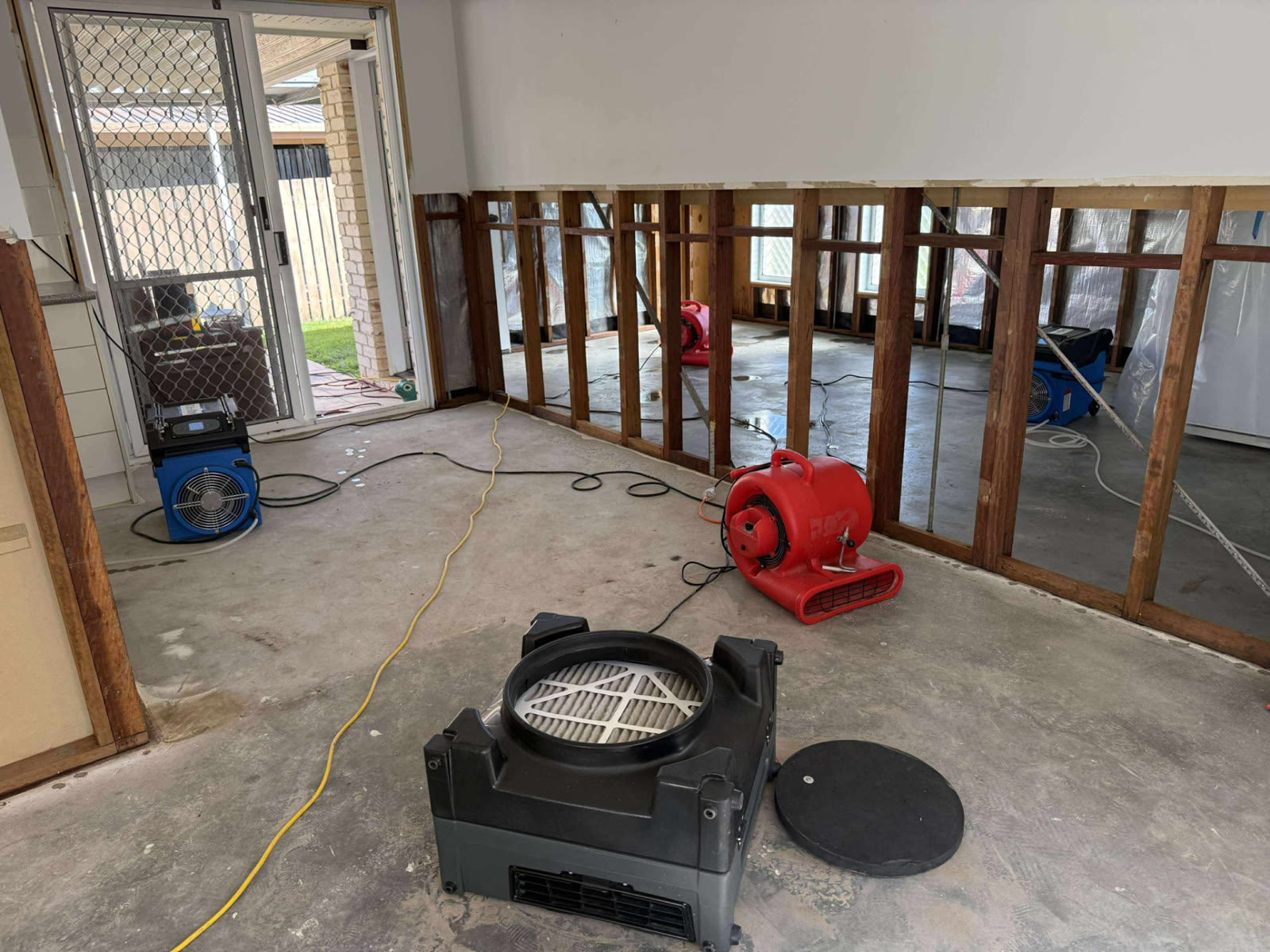
Containment & HEPA Air Filtration
Plastic barriers and HEPA air scrubbers to reduce the spread of spores beyond the work area. The containment plan depends on the property and scope.
Learn more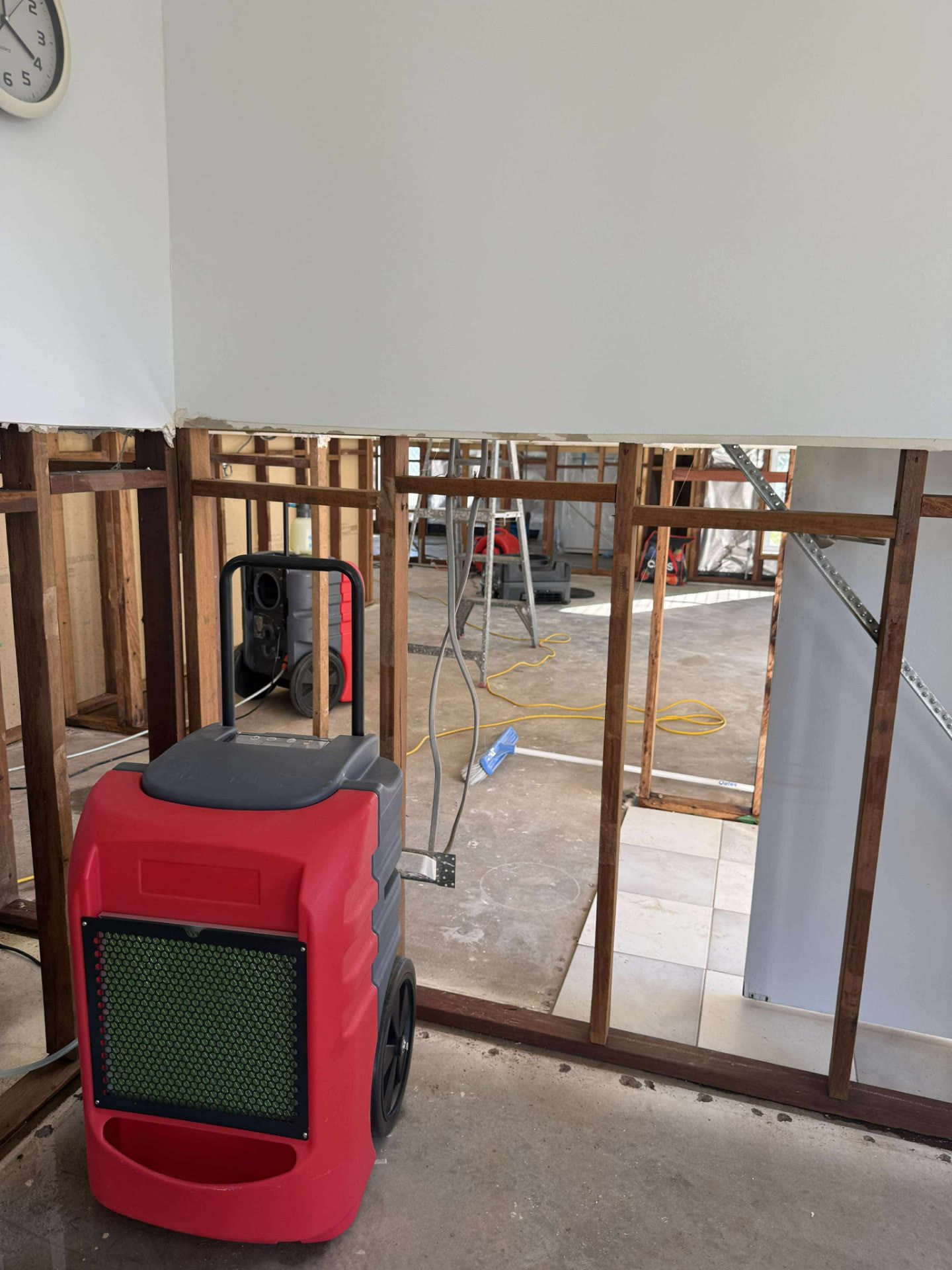
Water Damage & Structural Drying
Water damage restoration in Sunnybank Hills after roof leaks, plumbing leaks, storms or actual flooding. We assess wet plasterboard and framing, remove unsalvageable materials and monitor structural drying with moisture readings.
Learn moreFor leak-affected framing and ceilings, see our structural drying and moisture monitoring. We also support insurance and commercial remediation projects, with independent hygienist assessments and testing arranged where needed.
How we work
Our Mould Remediation Process
- 1
Inspection & Assessment
We talk through the history, take moisture readings and thermal images, and confirm what's feeding the mould.
- 2
Containment & Air Filtration
Where the scope needs it, we seal the work area and run HEPA air filtration to protect the rest of the property.
- 3
Remediation & Cleaning
Contaminated porous materials are removed and salvageable surfaces are HEPA-vacuumed and cleaned.
- 4
Drying, Verification & Recommendations
Structural drying, final moisture readings and a documented report with photos and advice to stop it returning.
Not every step is needed on every job — we explain the proposed scope before work begins. Independent clearance testing can be arranged where the scope, insurer or a hygienist requires it.
Why Choose The Mould Removers in Sunnybank Hills?
- Source first. We confirm the moisture source with readings and thermal imaging before we quote removal.
- Professional equipment. HEPA air scrubbers, commercial dehumidifiers, air movers and moisture meters on every job that needs them.
- Clear communication. You'll know the scope, what's being removed and why before work starts.
- Detailed reporting. Every job ends with a documented report — photos, moisture readings and a summary of the work.
- Homes and commercial premises. Houses, units, strata buildings, offices and workshops, including insurance and builder-managed jobs.
 Illustrative image
Moisture and mould issues in Sunnybank Hills
These are inspection considerations, not a diagnosis of every property. We assess likely contributing conditions on site and explain any limitations or further investigations needed.
Brick veneer residences
1980s and 1990s slab-on-ground homes experiencing rising moisture or blocked weep holes.
Ducted air-conditioning
Summer temperature differentials causing duct condensation and ceiling mould in closed rooms.
Stormwater runoff on slopes
Hilly street profiles channelling surface water against external walls and garden edges.
Townhouse complexes
Shared party walls and unventilated ensuite bathrooms trapping shower humidity indoors.
Our work
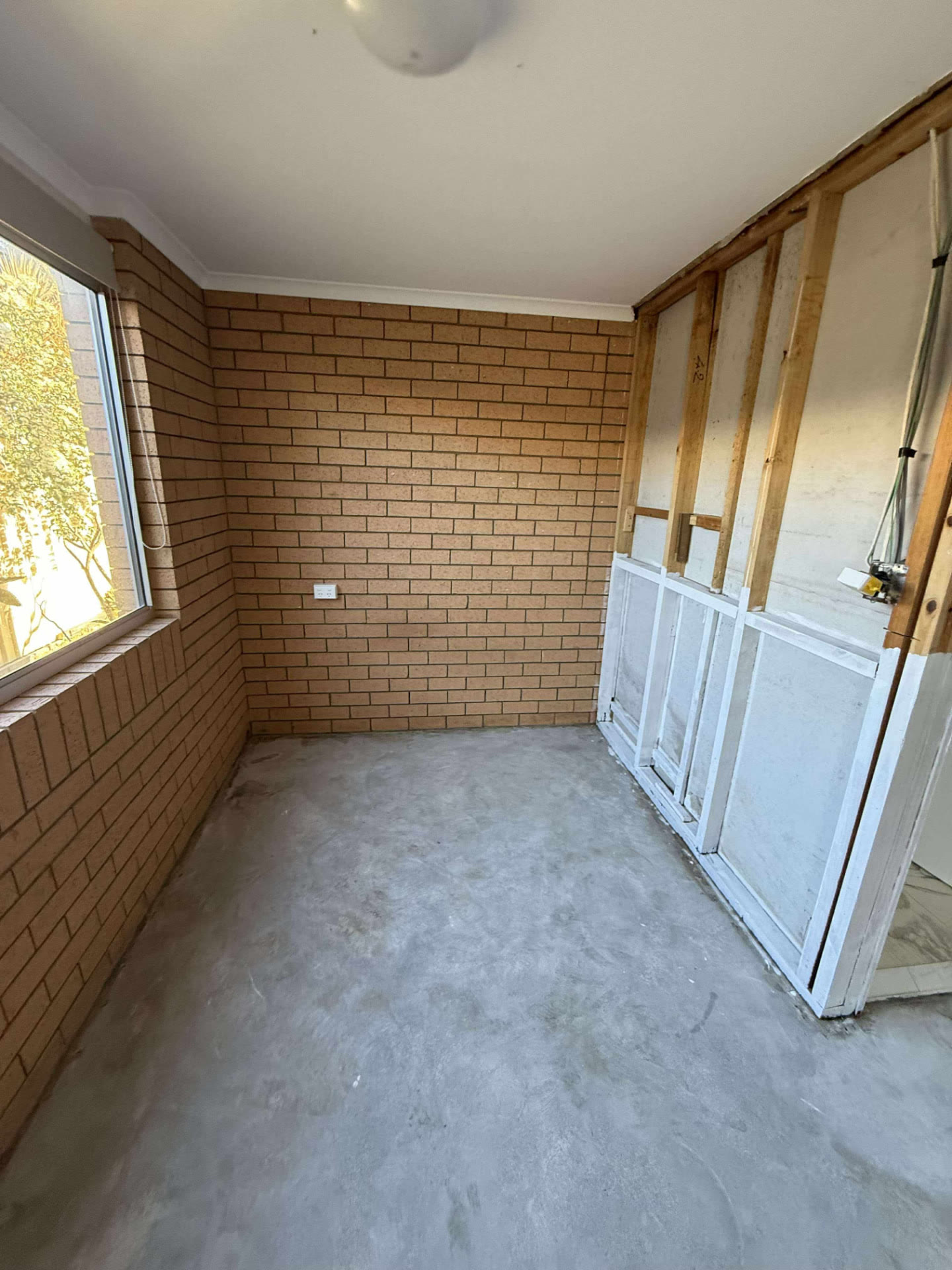
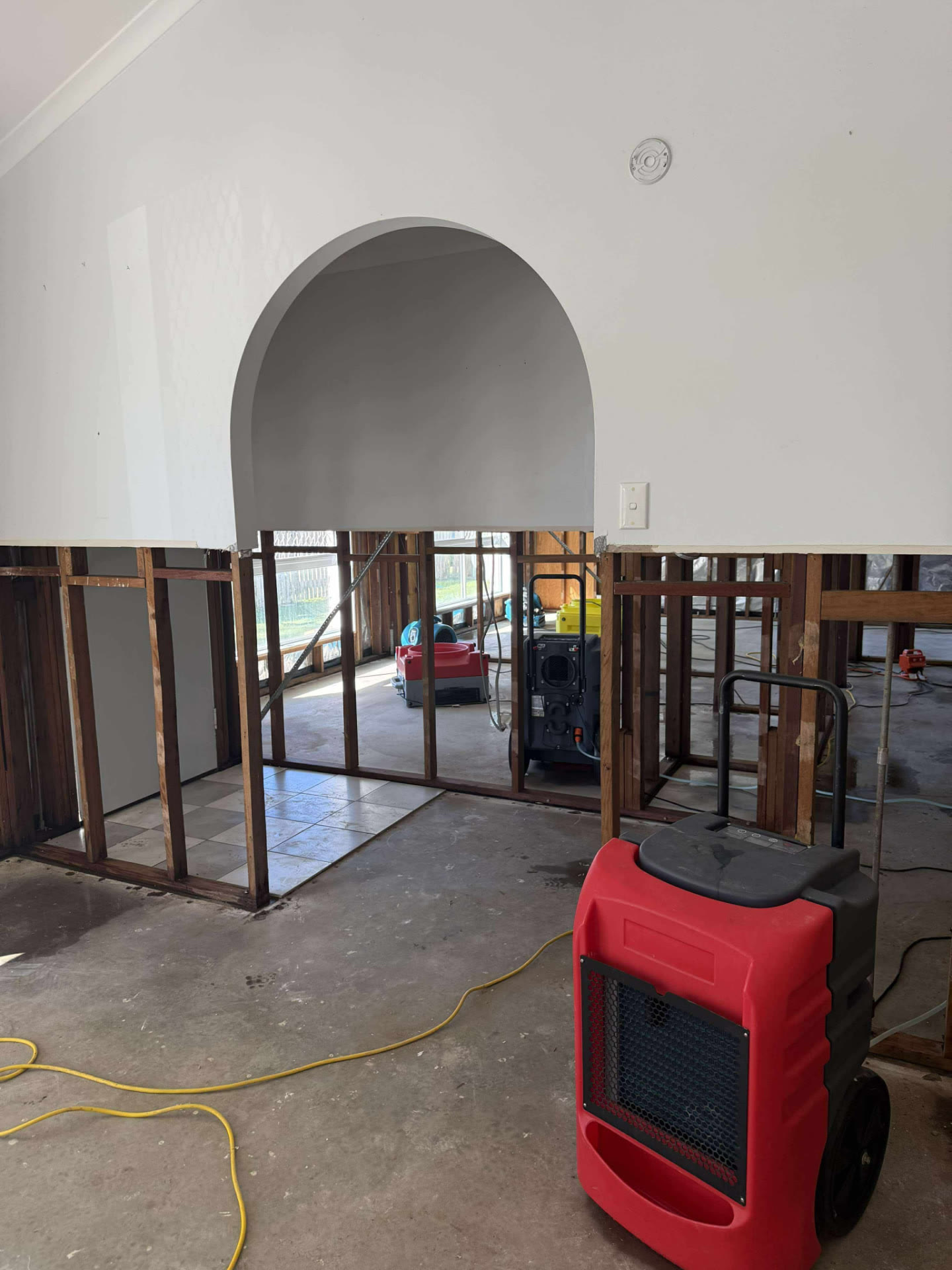
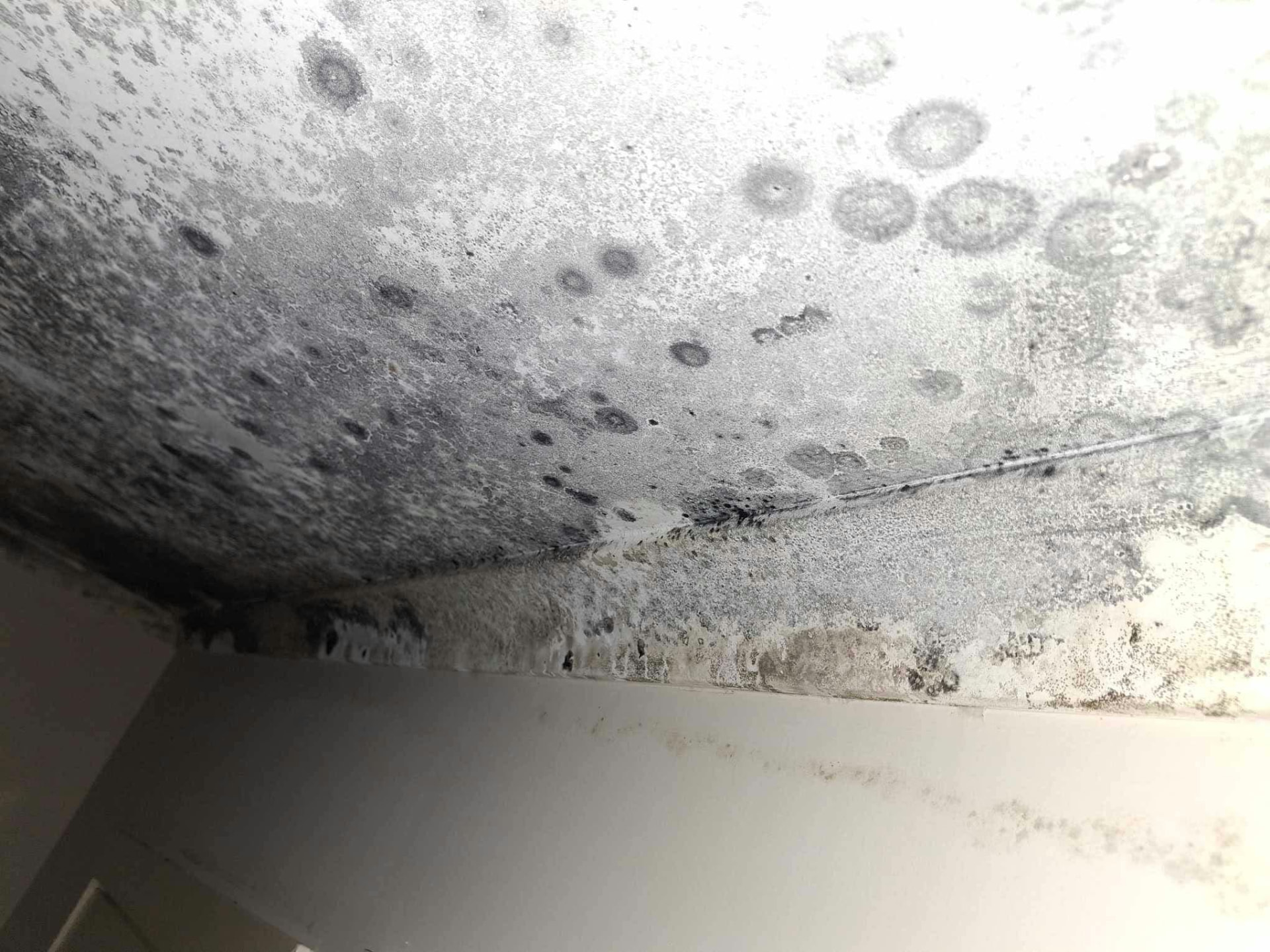
From our recent remediation jobs
Request a mould inspection or quote
Tell us what you're seeing and upload a few photos. A team member reviews every enquiry and will get back to you.
- Don't scrub, sand or pull off mouldy plasterboard — it spreads spores.
- Take clear photos of the affected areas and upload them with the form.
- Note any recent leaks, storms or plumbing work.
- In a unit or tenancy, let your strata or property manager know if the source could be shared.
Mould removal in Sunnybank Hills — FAQs
Why does mould keep growing on my bedroom ceilings in Sunnybank Hills?
Many Sunnybank Hills homes have ducted air conditioning running across warm ceiling voids. During humid summer months, poorly insulated ductwork or unsealed ceiling penetrations create condensation on cold plasterboard. We identify the temperature and moisture differentials, remediate active growth, and provide clear recommendations to stop condensation.
Can moisture seep through the concrete slab in Sunnybank Hills homes?
Yes. Older slab-on-ground brick homes in the area can suffer from deteriorated damp-proof membranes or high external garden beds bridging weep holes. Ground moisture then wicks upward into carpets and skirting. We map sub-surface moisture levels using non-destructive meters before planning your targeted remediation.
Do you provide documented reports for landlords or insurers?
Yes. Every job concludes with an inspection report detailing moisture readings, thermal imaging, identified causes, and the remediation completed. This documentation is valuable for Sunnybank Hills property managers, private landlords, and insurance claims following unexpected plumbing bursts or storm water intrusion.

Dealing with mould in Sunnybank Hills?
A professional inspection and a clear remediation plan from your local Brisbane team.
Photo: Kgbo, CC BY-SA 4.0