

Local mould remediation · Wishart
Professional Mould Removal Wishart
Targeted mould inspection, moisture tracking and remediation for Wishart family homes — identifying hidden moisture sources behind brick veneer and ceiling spaces.
- QBCC Licence 15082064
- IICRC industry methods
- Homes, units & commercial
- Documented report every job
Photo: John Robert McPherson, CC BY-SA 4.0
Mould Remediation for Wishart Homes
Wishart is known for its spacious 1970s and 1980s brick veneer homes, many situated along leafy green corridors near Bulimba Creek. While these solid suburban properties offer generous family layouts, concrete slabs and older tile roofs can trap excess moisture. When heavy seasonal storms hit, ageing valley flashings, cracked ridge capping, or blocked perimeter drainage often introduce water into roof voids and wall cavities unnoticed.
We conduct detailed mould inspection and moisture detection to isolate dampness before carrying out remediation. Using calibrated moisture meters and thermal imaging, our technicians pinpoint leaks without unnecessary demolition. Every ceiling and wall mould removal project follows strict IICRC standards, incorporating HEPA air scrubbing and containment to protect living areas. Once finished, we supply a complete documented report detailing our findings and work performed.
Book a Mould Inspection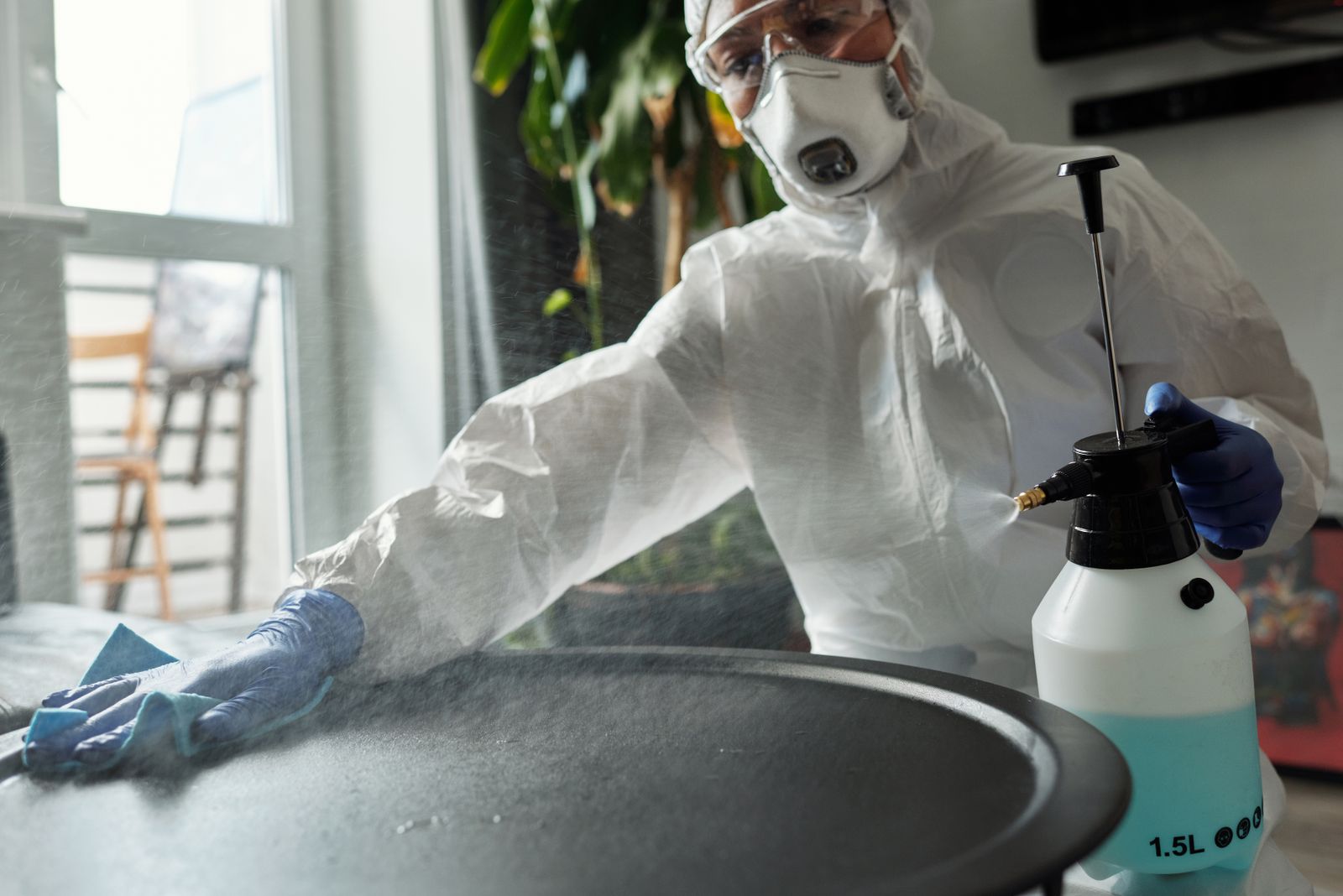
Common signs of mould
- Musty odours in ground-floor bedrooms
- Dark spotting on bathroom plasterboard
- Water marks spreading across ceilings
- Mould growth inside walk-in robes
- Damp patches along lower skirting boards
- Mildew around ducted air-conditioning vents
Our Mould Remediation Services in Wishart
 Illustrative image
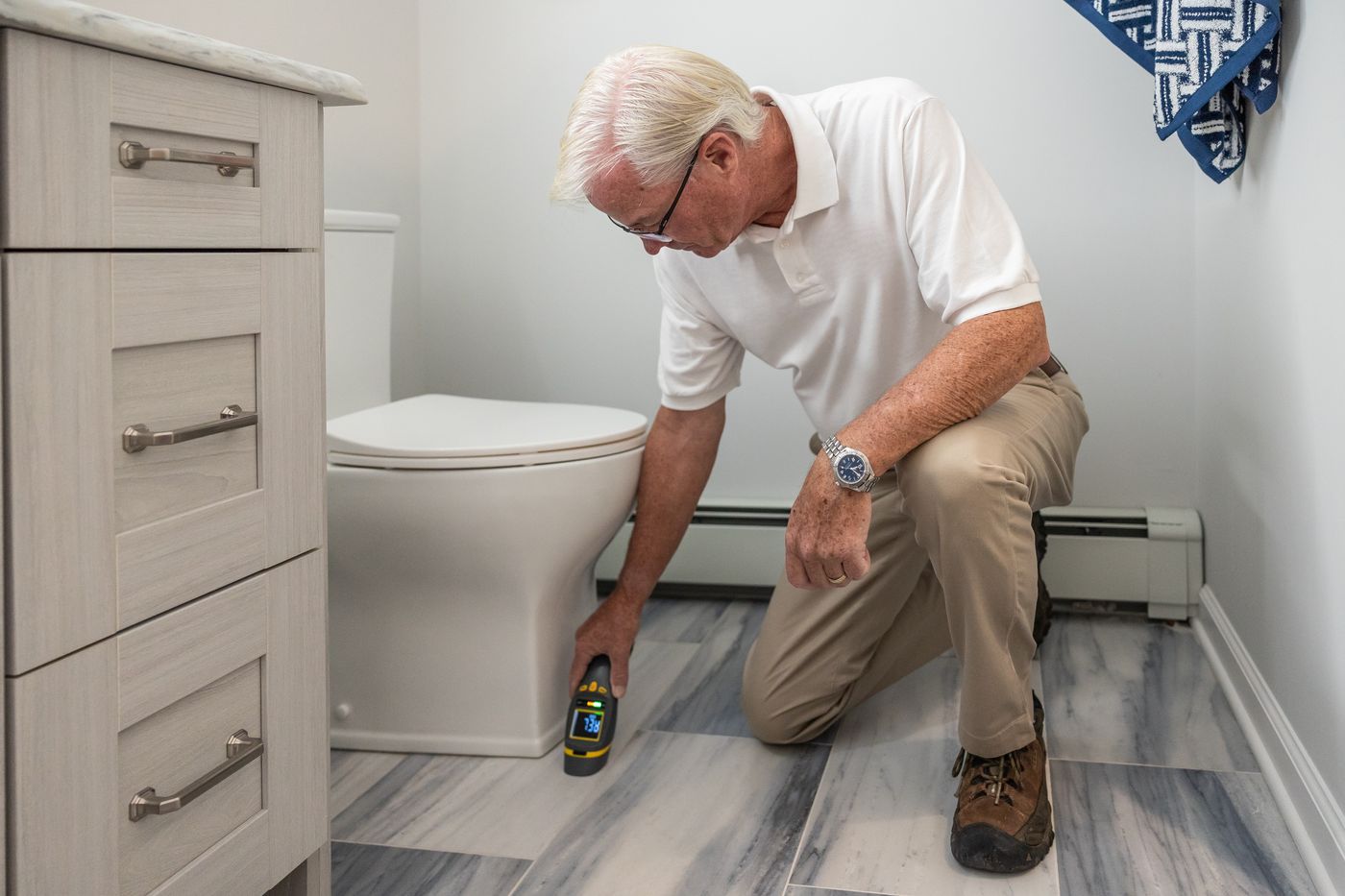
Mould Inspections & Assessments
Visual assessment, moisture readings and thermal imaging to investigate damp areas in your Wishart property. Sampling, where needed, is arranged with an independent hygienist.
Learn more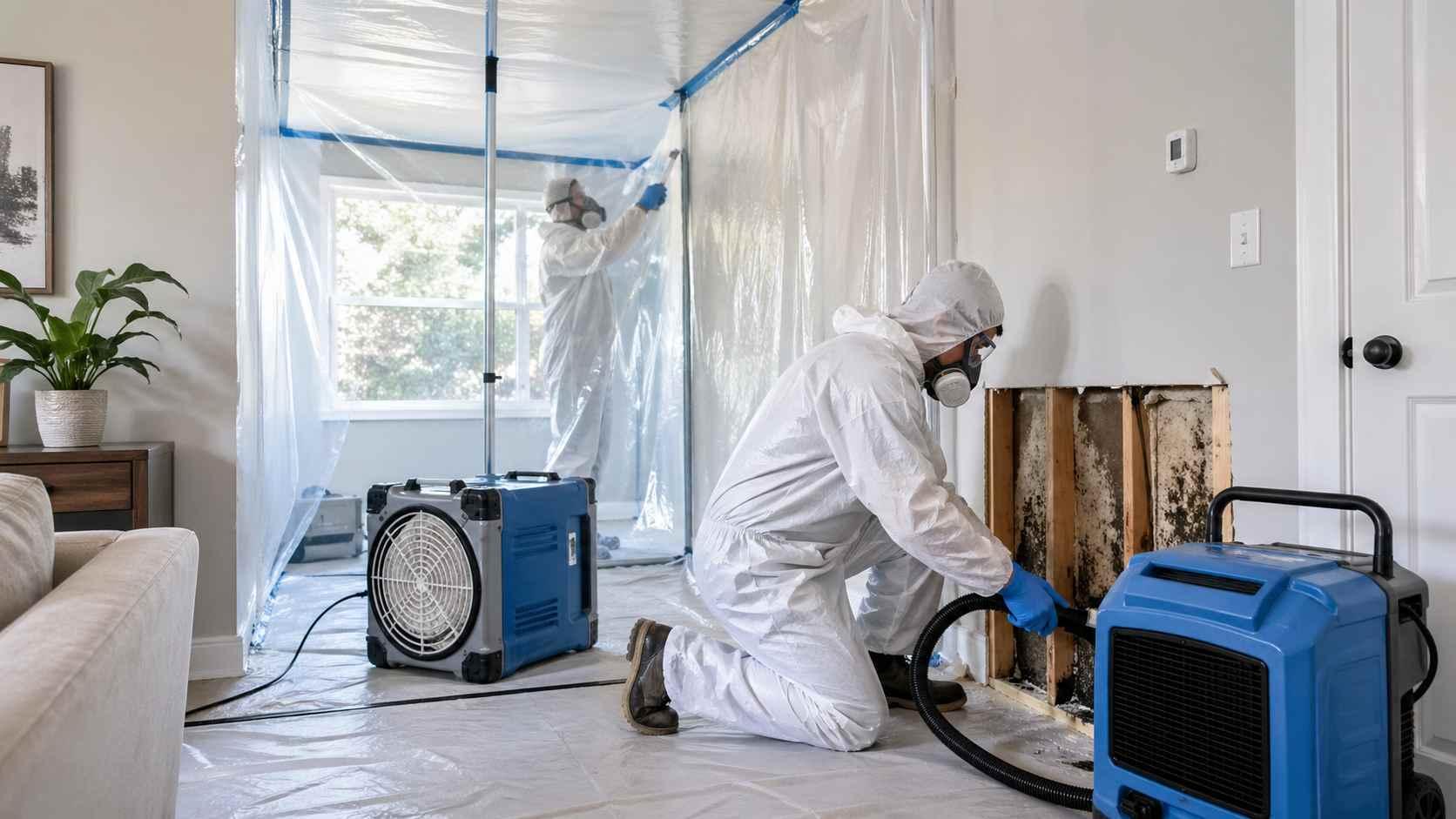 Illustrative image
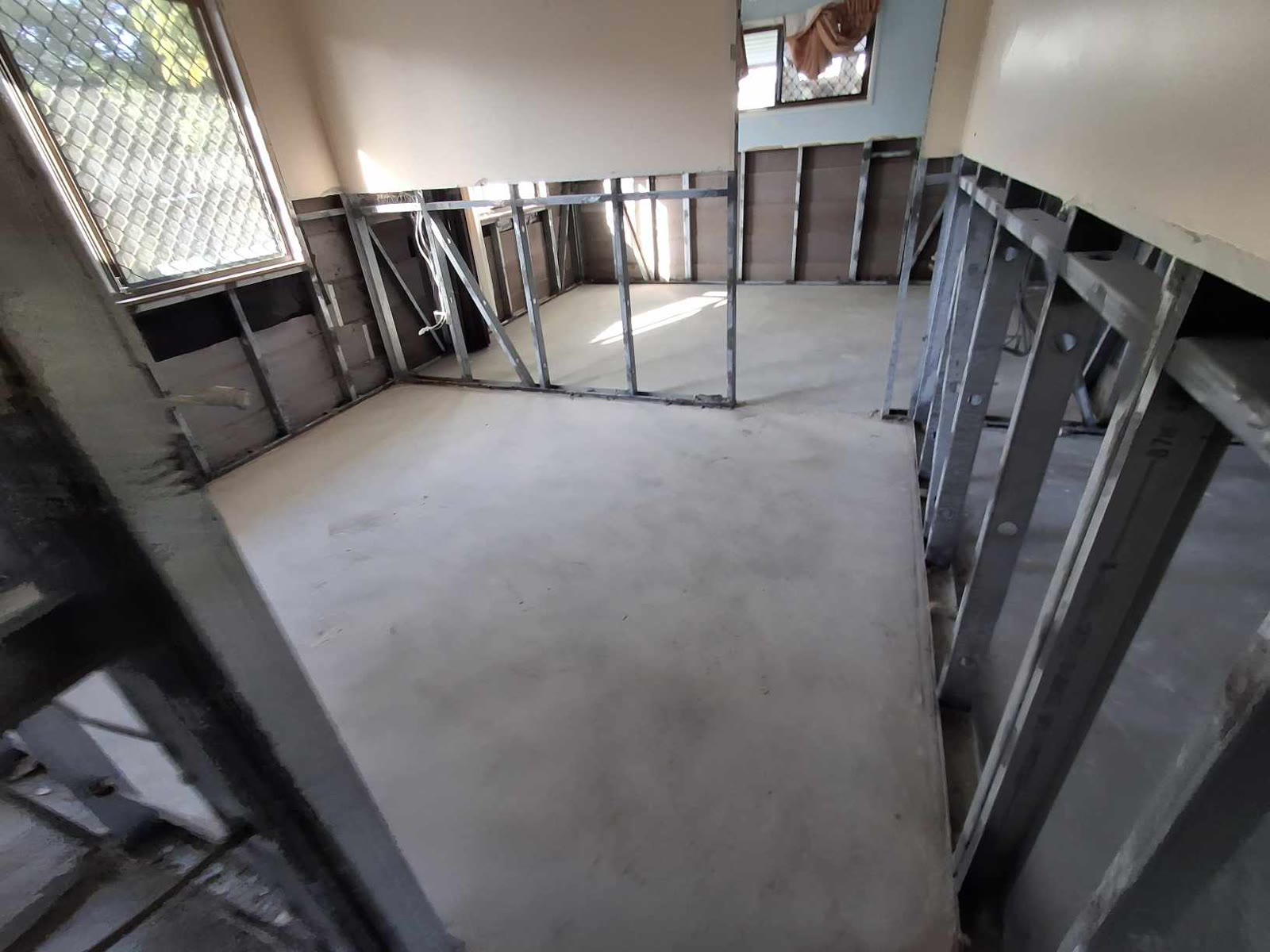
Mould Removal & Controlled Strip-Outs
Careful removal of mould-affected plasterboard, ceilings, insulation and fittings that can't be saved.
Learn more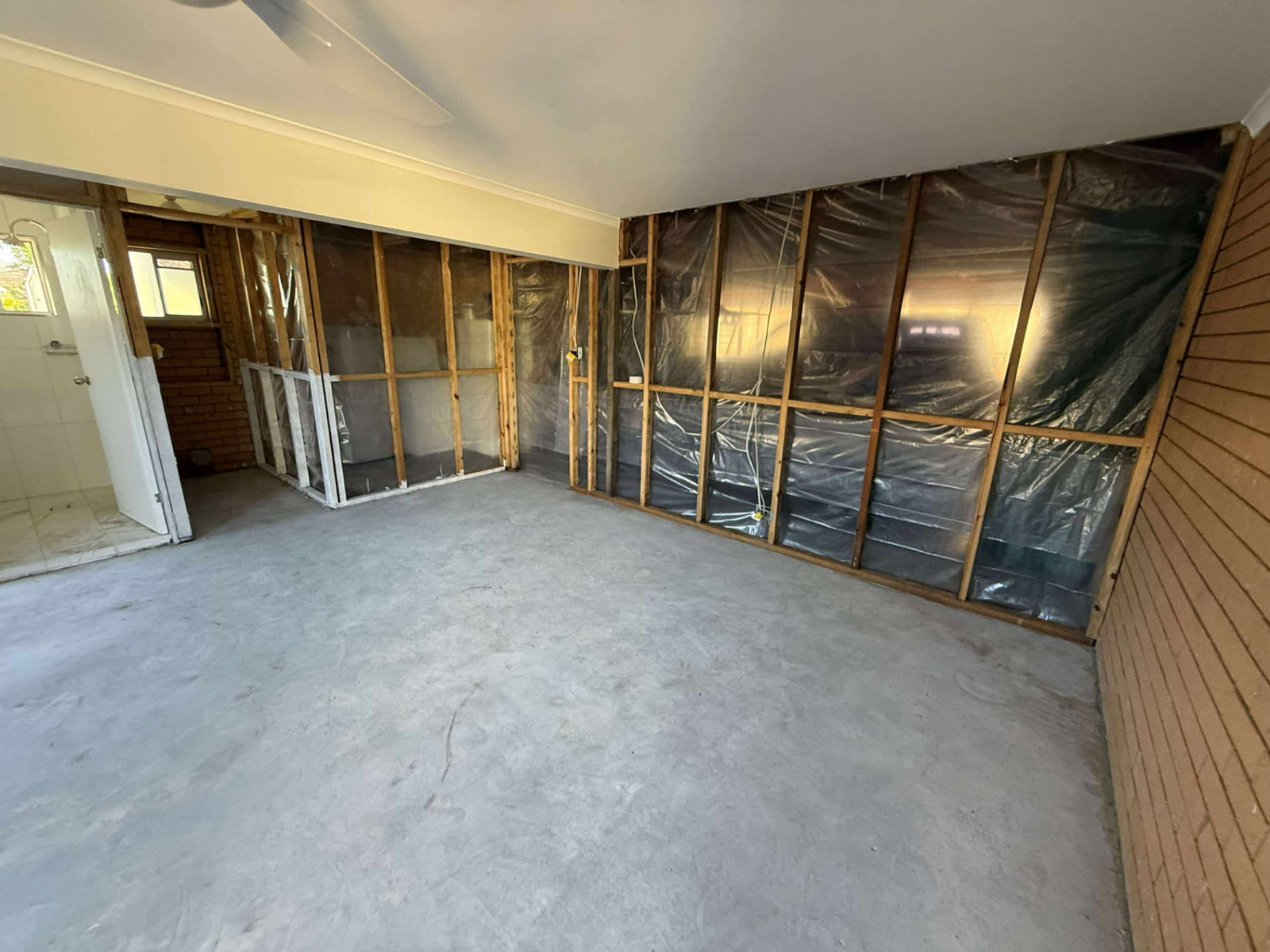
Containment & HEPA Air Filtration
Plastic barriers and HEPA air scrubbers to reduce the spread of spores beyond the work area. The containment plan depends on the property and scope.
Learn more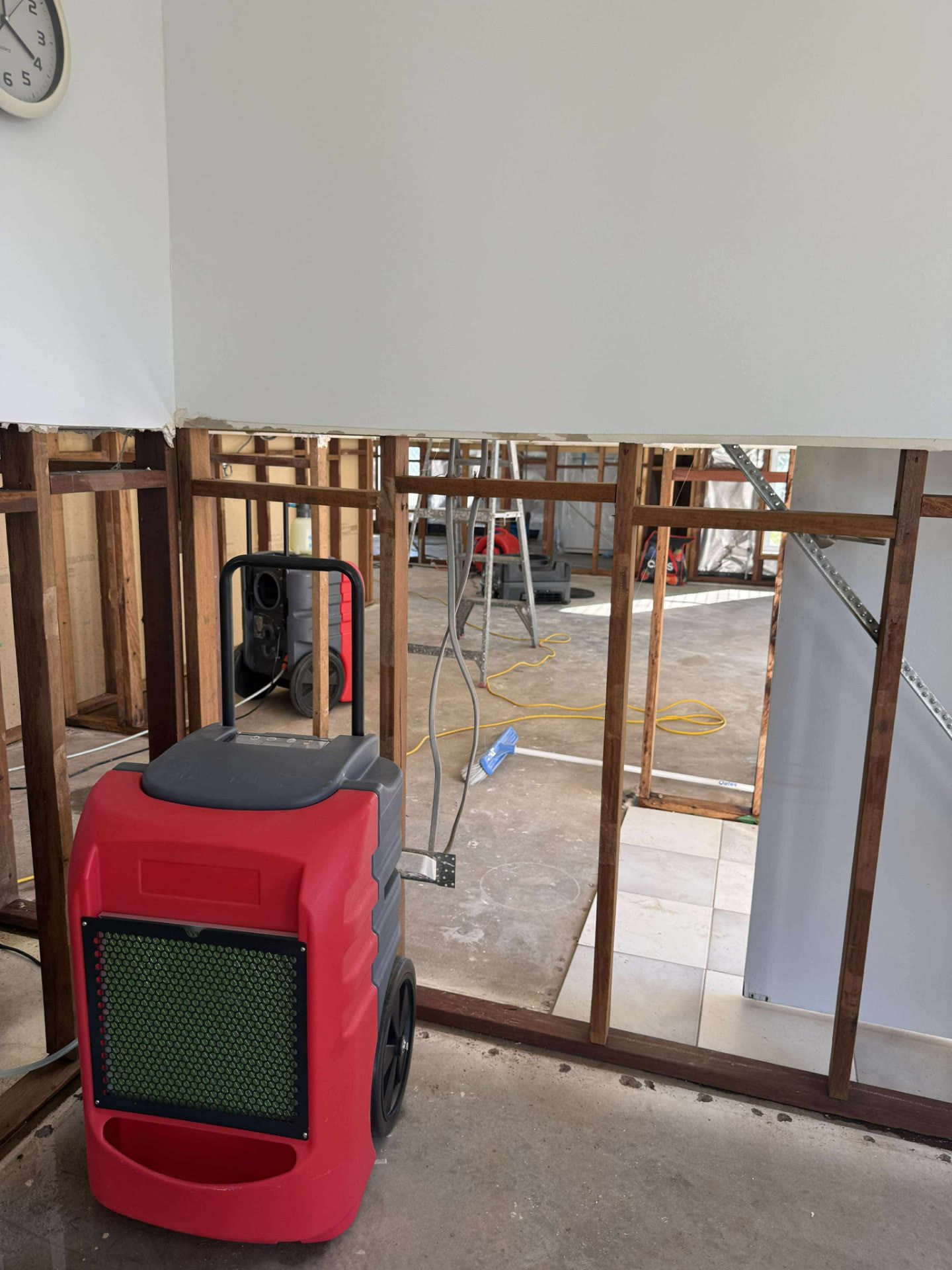
Water Damage & Structural Drying
Water damage restoration in Wishart after roof leaks, plumbing leaks, storms or actual flooding. We assess wet plasterboard and framing, remove unsalvageable materials and monitor structural drying with moisture readings.
Learn moreFor leak-affected framing and ceilings, see our structural drying and moisture monitoring. We also support insurance and commercial remediation projects, with independent hygienist assessments and testing arranged where needed.
How we work
Our Mould Remediation Process
- 1
Inspection & Assessment
We talk through the history, take moisture readings and thermal images, and confirm what's feeding the mould.
- 2
Containment & Air Filtration
Where the scope needs it, we seal the work area and run HEPA air filtration to protect the rest of the property.
- 3
Remediation & Cleaning
Contaminated porous materials are removed and salvageable surfaces are HEPA-vacuumed and cleaned.
- 4
Drying, Verification & Recommendations
Structural drying, final moisture readings and a documented report with photos and advice to stop it returning.
Not every step is needed on every job — we explain the proposed scope before work begins. Independent clearance testing can be arranged where the scope, insurer or a hygienist requires it.
Why Choose The Mould Removers in Wishart?
- Source first. We confirm the moisture source with readings and thermal imaging before we quote removal.
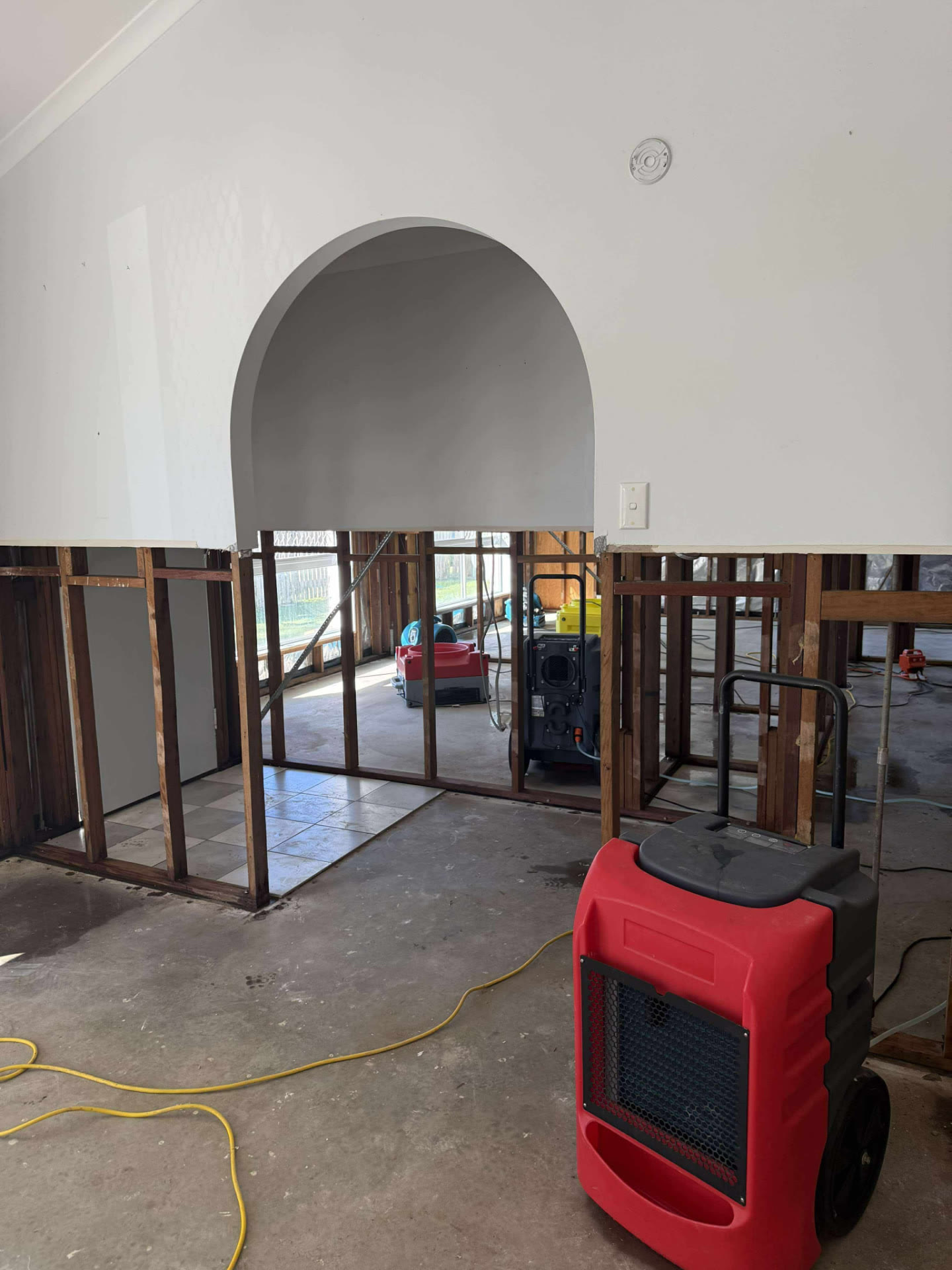
- Professional equipment. HEPA air scrubbers, commercial dehumidifiers, air movers and moisture meters on every job that needs them.
- Clear communication. You'll know the scope, what's being removed and why before work starts.
- Detailed reporting. Every job ends with a documented report — photos, moisture readings and a summary of the work.
- Homes and commercial premises. Houses, units, strata buildings, offices and workshops, including insurance and builder-managed jobs.
 Illustrative image
Moisture and mould risks in Wishart
These are inspection considerations, not a diagnosis of every property. We assess likely contributing conditions on site and explain any limitations or further investigations needed.
Brick veneer residences
Moisture collecting within wall cavities and behind plasterboard lining slab-on-ground builds.
Tiled roof cavities
Ageing mortar bedding, broken tiles, and rusted valley gutters directing rainwater into ceiling insulation.
Creek-corridor humidity
Check for actual water entry and inadequate ventilation, and measure moisture in affected materials.
Ensuite and plumbing leaks
Failing waterproof membranes and concealed pipe connections causing hidden mould behind bathroom walls.
Our work
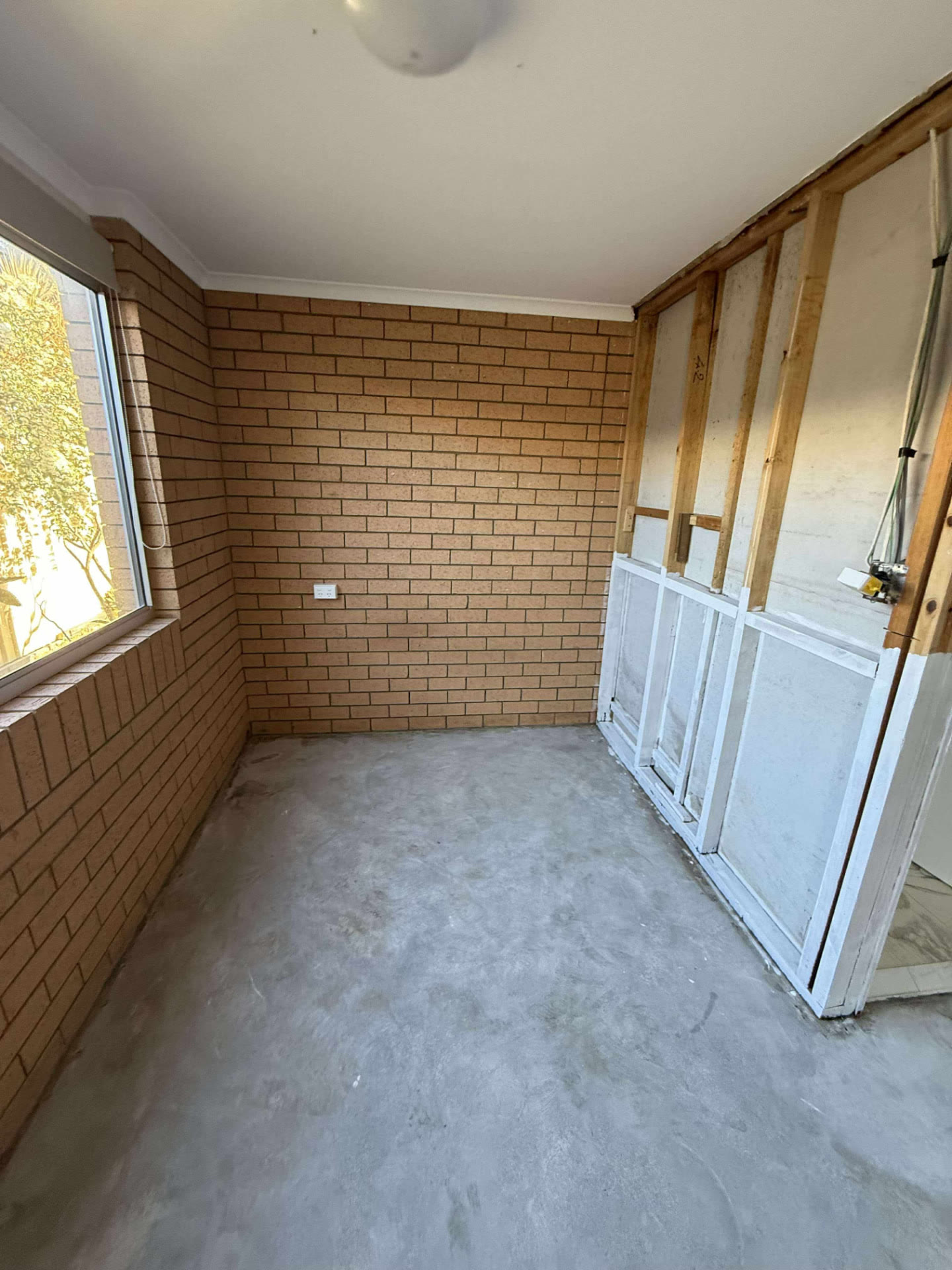
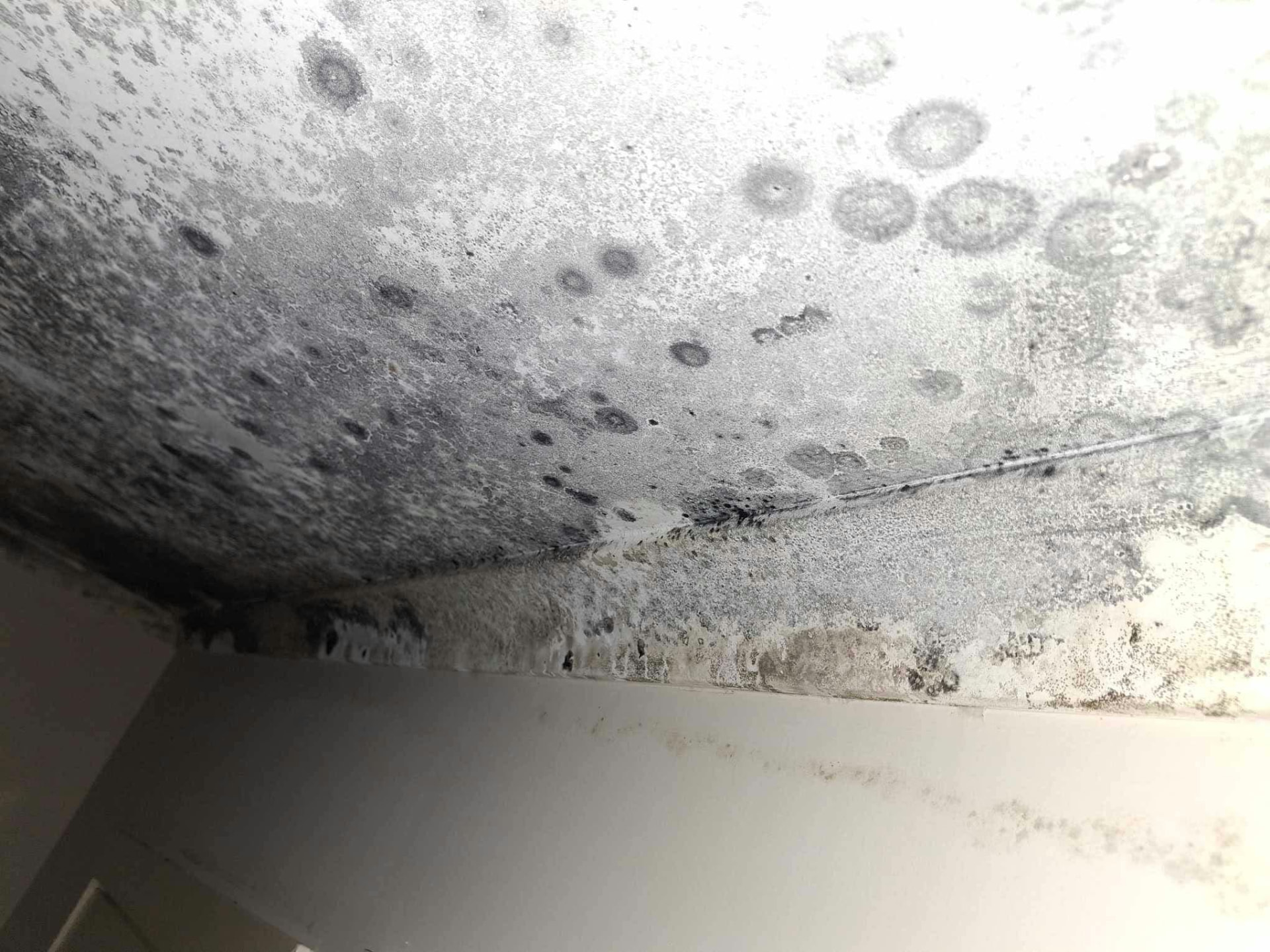
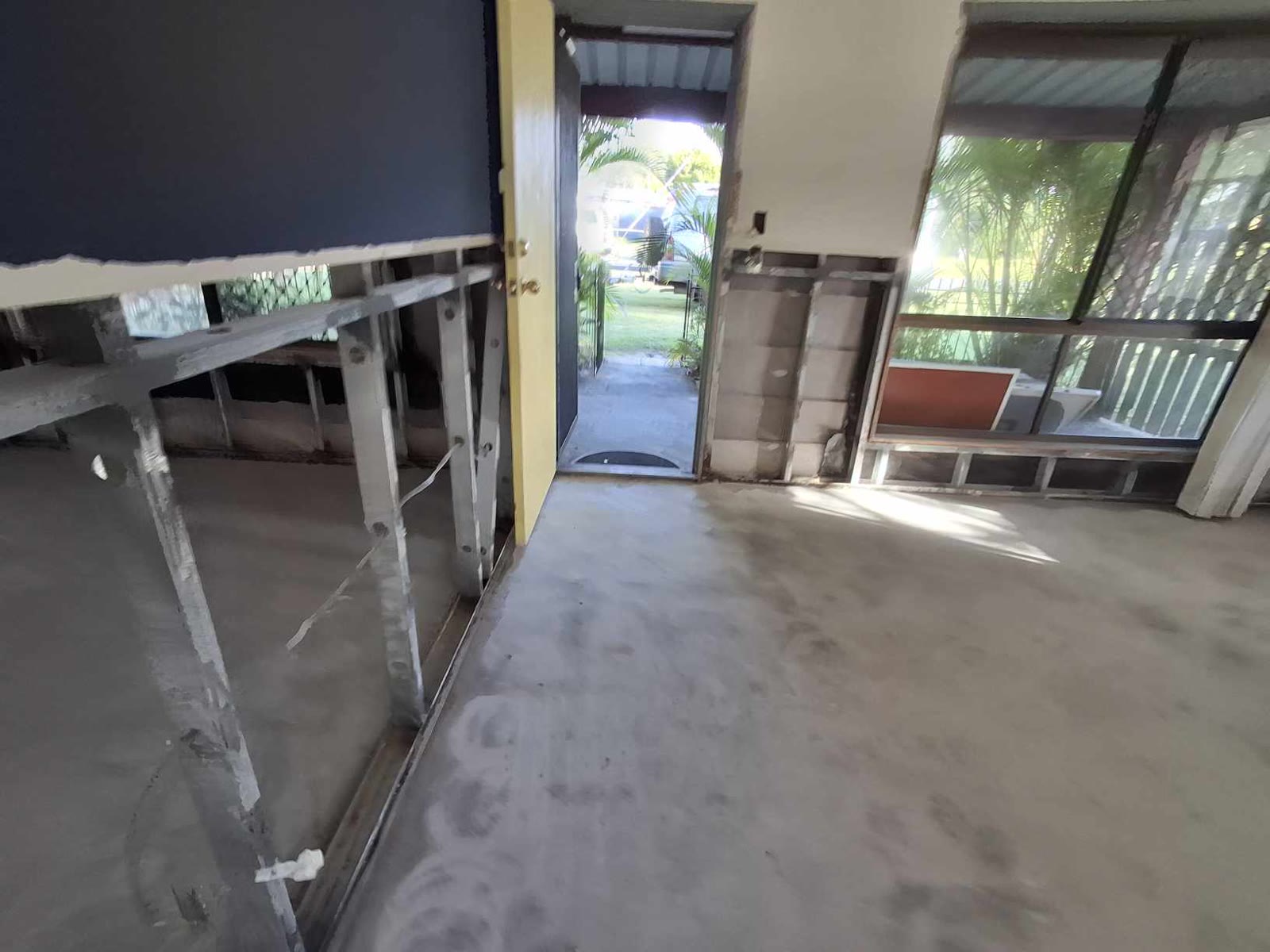
From our recent remediation jobs
Request a mould inspection or quote
Tell us what you're seeing and upload a few photos. A team member reviews every enquiry and will get back to you.
- Don't scrub, sand or pull off mouldy plasterboard — it spreads spores.
- Take clear photos of the affected areas and upload them with the form.
- Note any recent leaks, storms or plumbing work.
- In a unit or tenancy, let your strata or property manager know if the source could be shared.
Mould removal in Wishart — FAQs
Why is mould developing in our Wishart home's wardrobes?
Wardrobes built against exterior brick walls often suffer from poor air circulation combined with external temperature fluctuations. In humid months or following roof leaks, condensation collects on cool plasterboard surfaces. We use moisture meters to confirm whether dampness is environmental or structural before planning safe mould remediation.
Can you fix ceiling mould caused by a storm roof leak?
Yes. We evaluate the ceiling cavity, insulation, and plasterboard for moisture ingress and mould growth. Our team performs ceiling and wall mould removal, sanitises timber framing, and removes unsalvageable water-damaged plasterboard under containment. We ensure building materials are dry before supplying your final documented report.
Do you provide reports suitable for insurance after water damage?
Yes. Every remediation project concludes with a comprehensive documented report. We include photographic evidence, calibrated moisture readings, identified water intrusion paths, and details of work completed under IICRC guidelines. This documentation is structured to help you, your insurer, or your builder clearly understand the damage and remediation scope.

Concerned about mould in your Wishart property?
A professional inspection and a clear remediation plan from your local Brisbane team.
Photo: Kgbo, CC BY-SA 4.0