

Local mould remediation · Currumbin Valley
Professional Mould Removal Currumbin Valley
Our IICRC-certified technicians deliver thorough mould remediation, structural drying, and moisture investigations across Currumbin Valley acreages, addressing rural microclimates, creek humidity, and water ingress with documented, lasting solutions.
- QBCC Licence 15082064
- IICRC industry methods
- Homes, units & commercial
- Documented report every job
Photo: Kgbo, CC BY-SA 4.0
Mould Remediation & Moisture Investigations in Currumbin Valley
Currumbin Valley features expansive rural-residential acreages, timber pole homes, custom architectural builds, and secluded valley retreats nestled along Currumbin Creek. With heavy canopy shade, rainforest topography, and elevated rainfall along the valley corridor, properties experience persistent ambient humidity. When subfloors retain moisture or roof valleys gather damp leaf litter, spores thrive on internal timbers, gyprock, and soft furnishings. Moisture mapping identifies underlying damp issues before fungal colonisation can affect indoor air quality.
We provide tailored mould remediation, water damage restoration, and moisture investigations for Currumbin Valley residential properties, local ecotourism or wellness commercial facilities, and body corporate managed estates. Operating under full QBCC licensing, our IICRC-certified team uses calibrated moisture meters, thermal imaging, and HEPA-filtered air scrubbers to isolate contamination and restore affected building materials safely. Whether addressing post-storm seepage, plumbing leaks, or poor ventilation in valley pockets, we ensure every remediation job concludes with a comprehensive, documented documented report detailing our findings and protocols.
Book a Mould Inspection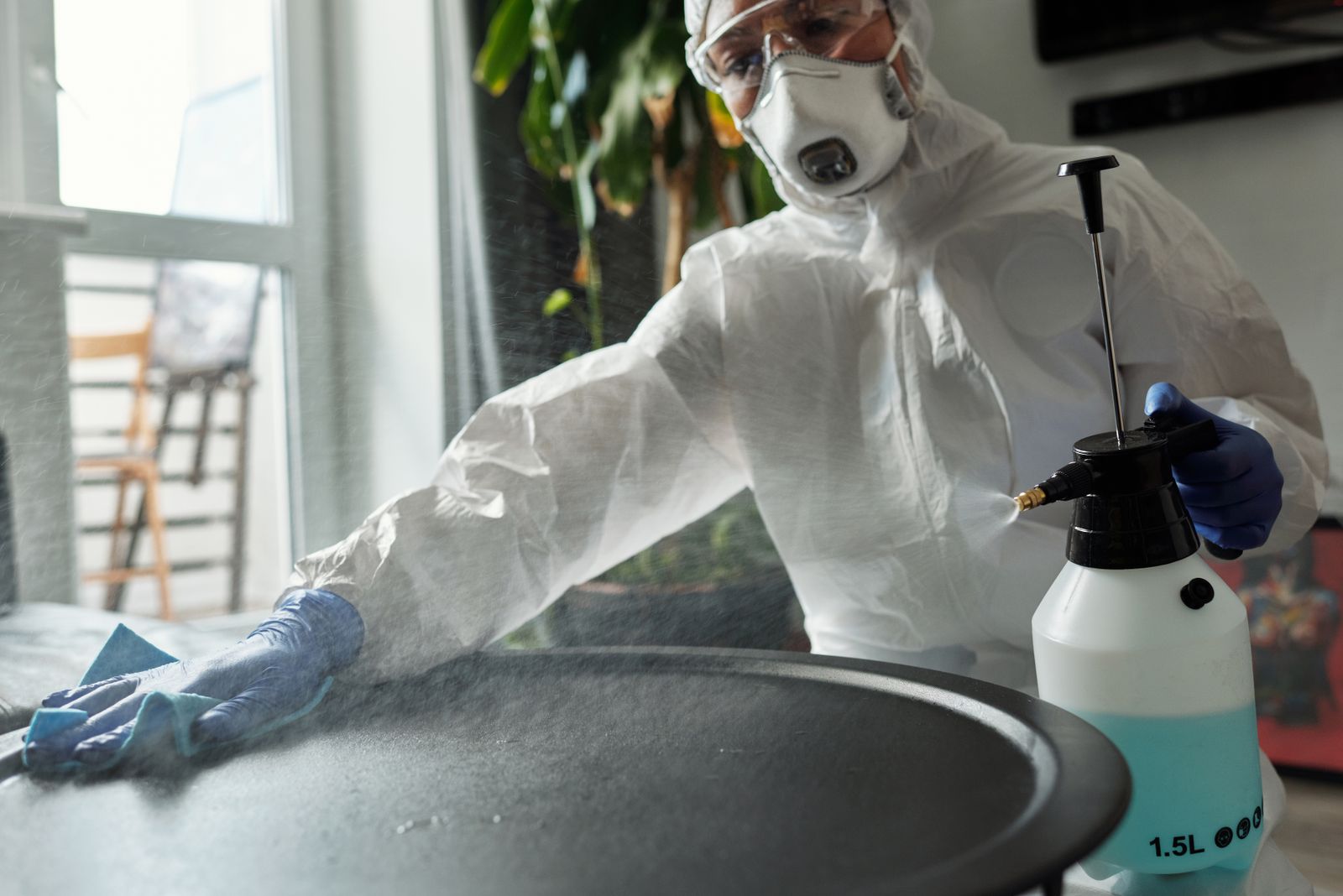
Common signs of mould
- Musty odours circulating through timber pole homes or enclosed subfloor spaces
- Visible speckling on timber rafters, ceiling beams, and architectural linings
- Persistent dampness and mould behind wardrobes set against external valley-facing walls
- Discolouration on ceilings and cornices following intense Currumbin Creek valley rainfall
- Surface bloom appearing on leather, natural upholstery, and stored timber goods
- Condensation pooling along southern window glazing during humid summer mornings
Our Mould Remediation Services in Currumbin Valley
 Illustrative image
Mould Inspections & Moisture Investigations
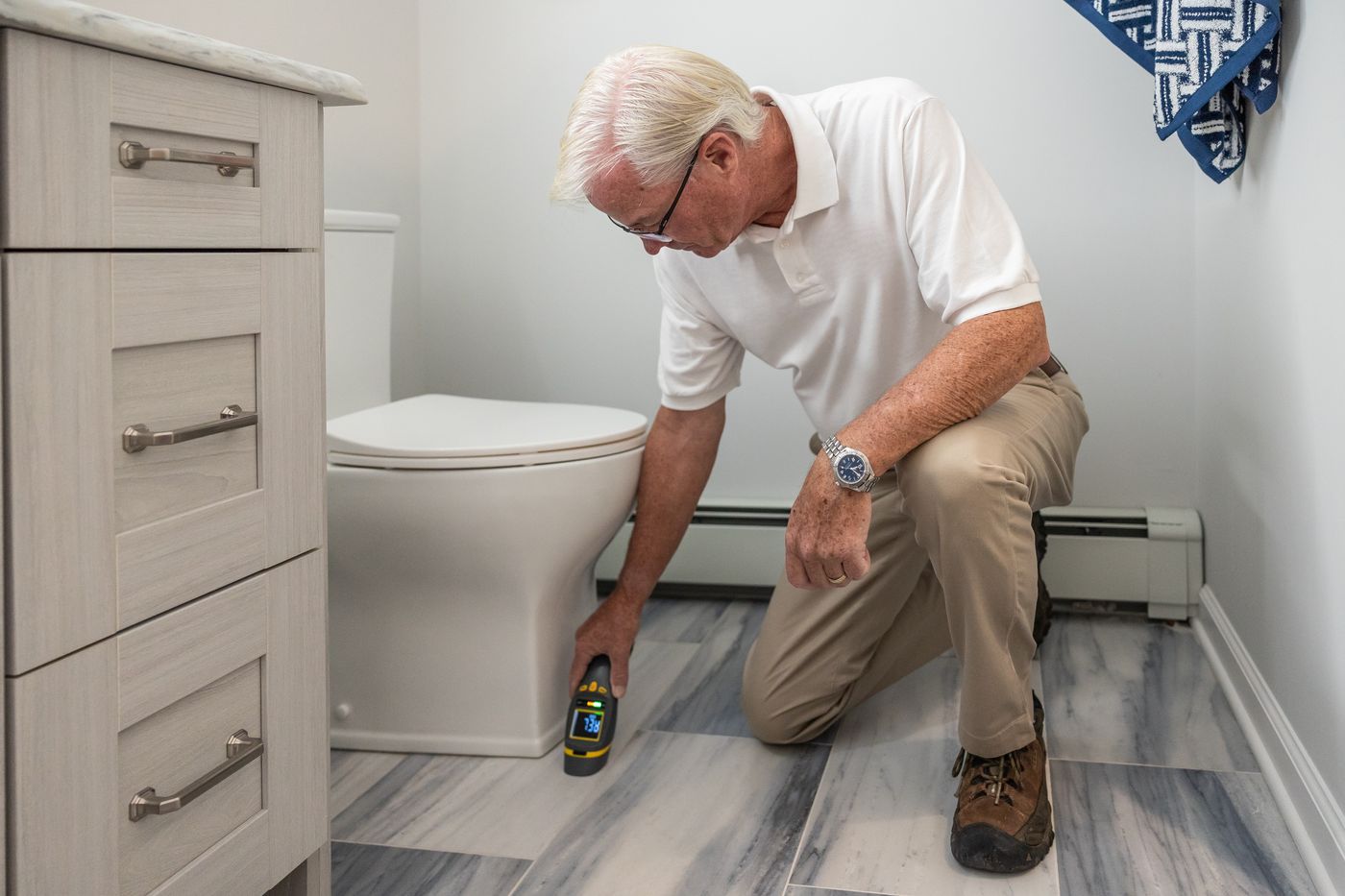
Visual assessment, moisture readings and thermal imaging to find the water behind mould in Currumbin Valley homes, units and commercial premises. Sampling, where needed, is arranged with an independent hygienist.
Learn more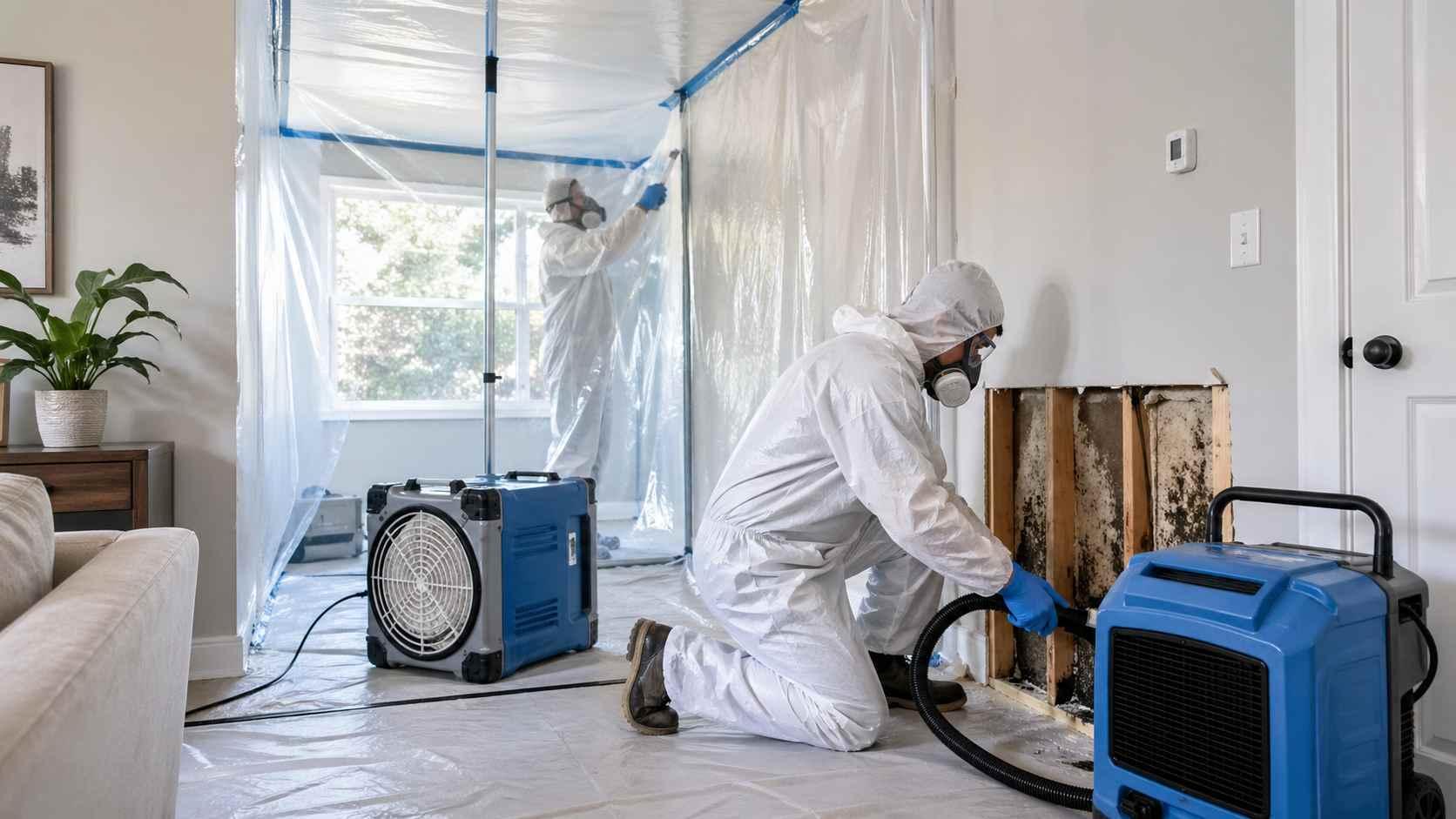 Illustrative image
Residential & Commercial Mould Removal
Controlled removal of mould-affected plasterboard, ceilings, insulation and fittings, planned around occupants, tenants and body corporate requirements.
Learn more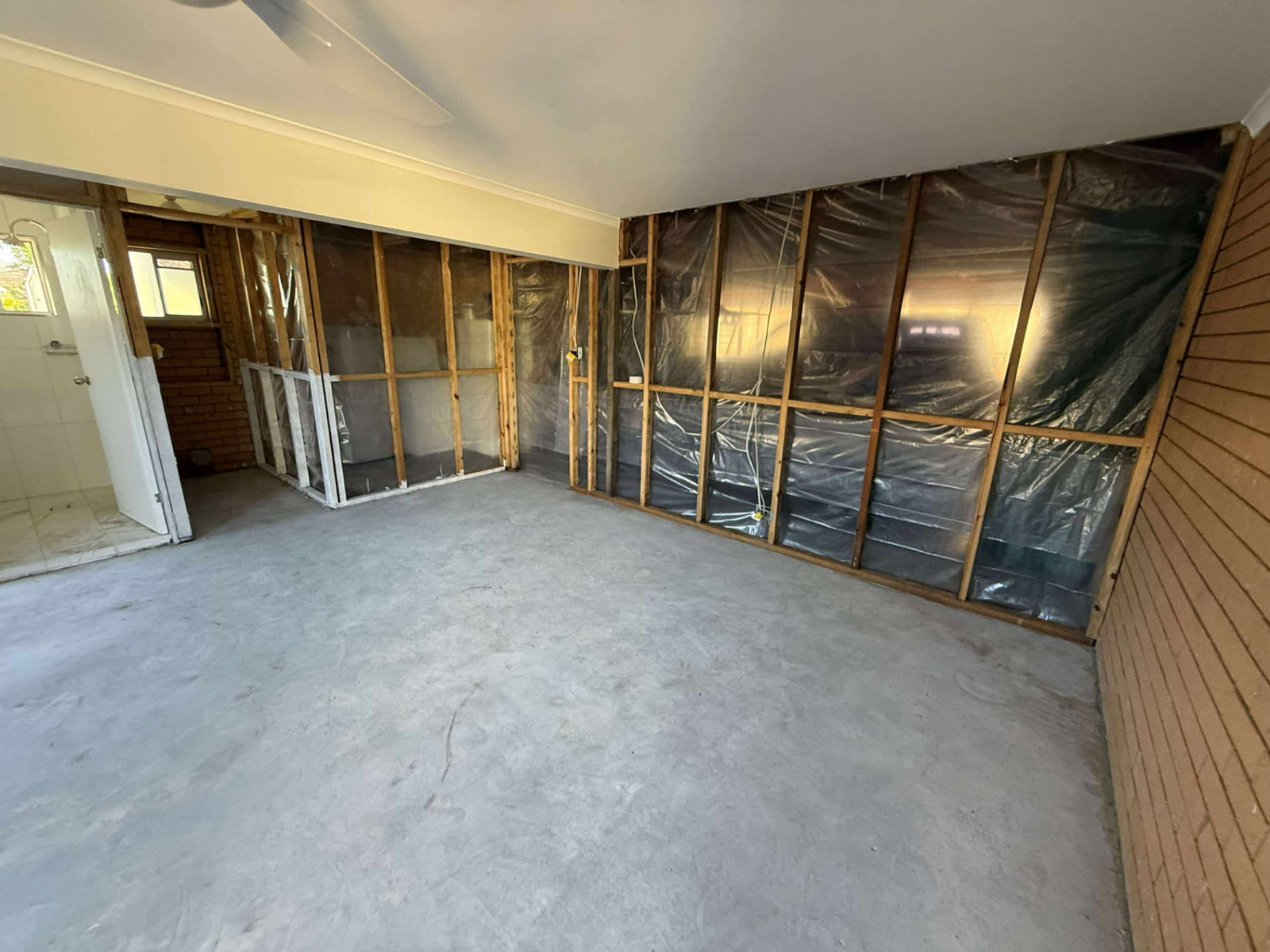
Containment & HEPA Air Filtration
Plastic barriers and HEPA air scrubbers to reduce the spread of spores beyond the work area. The containment plan depends on the property and scope.
Learn more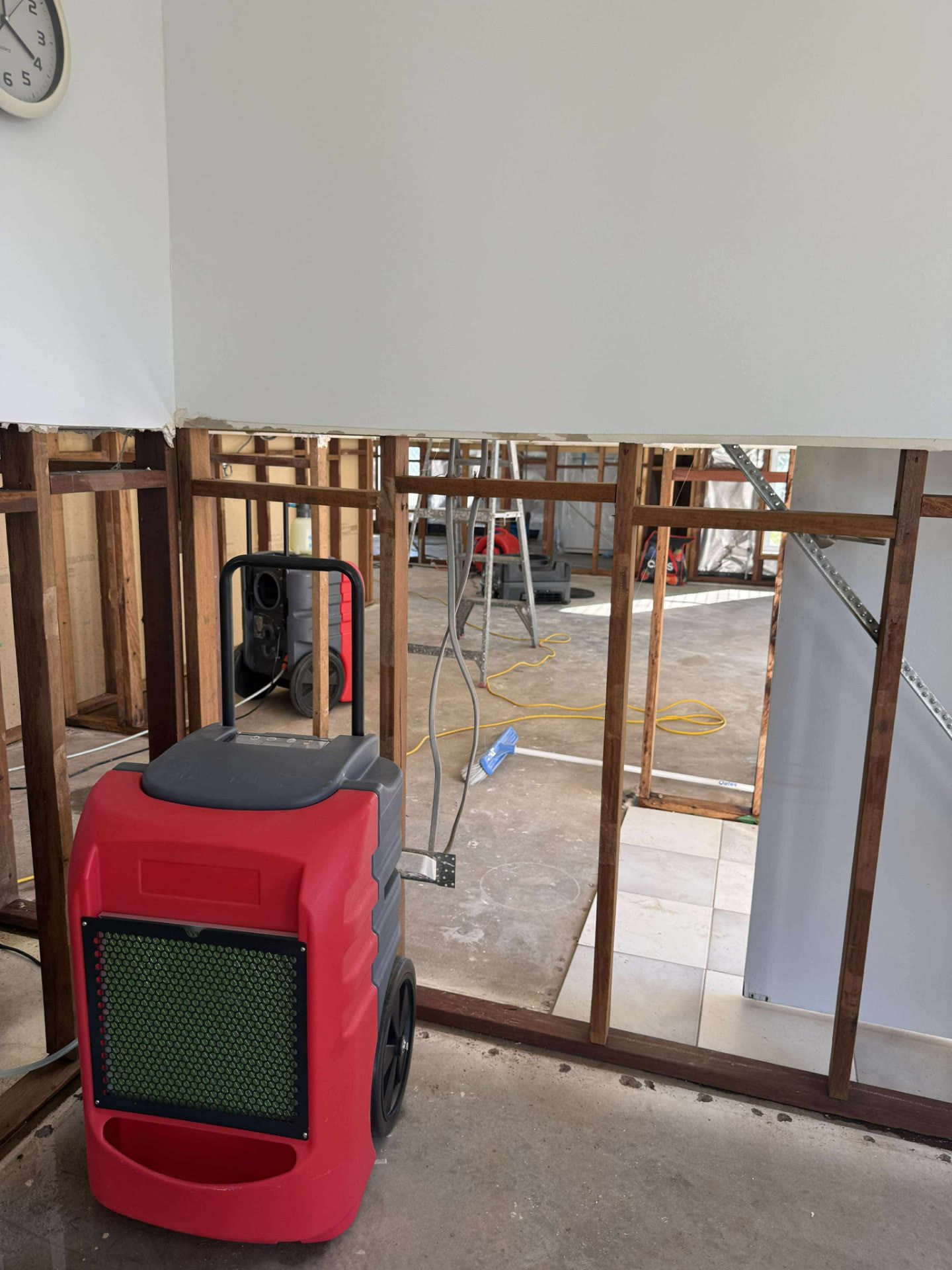
Water Damage & Structural Drying
Water damage restoration in Currumbin Valley after roof leaks, plumbing leaks, storms or actual flooding, with structural drying monitored by moisture readings.
Learn moreFor leak-affected framing and ceilings, see our structural drying and moisture monitoring. We also support insurance and commercial remediation projects, with independent hygienist assessments and testing arranged where needed.
How we work
Our Mould Remediation Process
- 1
Inspection & Assessment
We talk through the history, take moisture readings and thermal images, and confirm what's feeding the mould.
- 2
Containment & Air Filtration
Where the scope needs it, we seal the work area and run HEPA air filtration to protect the rest of the property.
- 3
Remediation & Cleaning
Contaminated porous materials are removed and salvageable surfaces are HEPA-vacuumed and cleaned.
- 4
Drying, Verification & Recommendations
Structural drying, final moisture readings and a documented report with photos and advice to stop it returning.
Not every step is needed on every job — we explain the proposed scope before work begins. Independent clearance testing can be arranged where the scope, insurer or a hygienist requires it.
Why Choose The Mould Removers in Currumbin Valley?
- Source first. We confirm the moisture source with readings and thermal imaging before we quote removal.
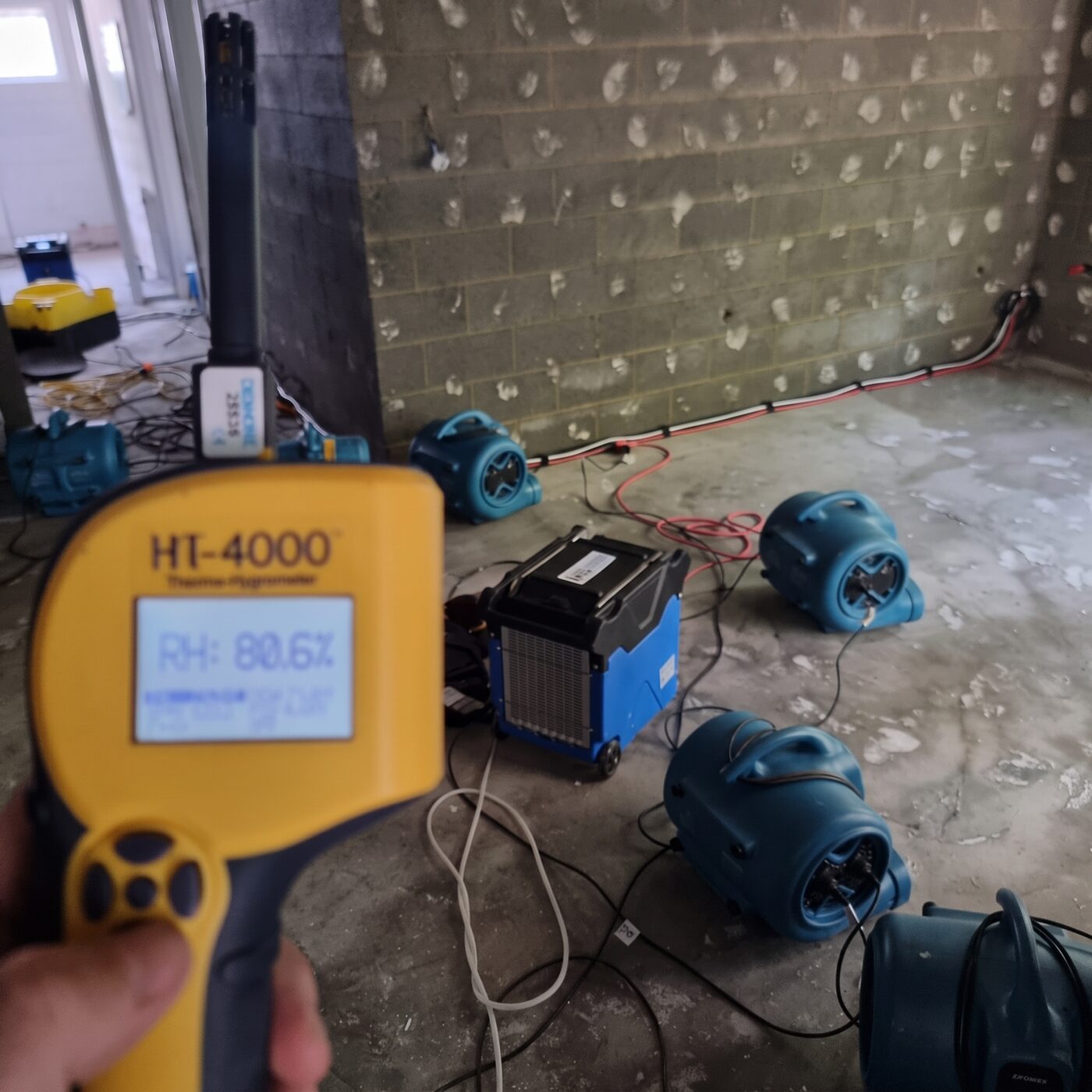
- Professional equipment. HEPA air scrubbers, commercial dehumidifiers, air movers and moisture meters on every job that needs them.
- Clear communication. You'll know the scope, what's being removed and why before work starts.
- Detailed reporting. Every job ends with a documented report — photos, moisture readings and a summary of the work.
- Homes and commercial premises. Houses, units, strata buildings, offices and workshops, including insurance and builder-managed jobs.
 Illustrative image
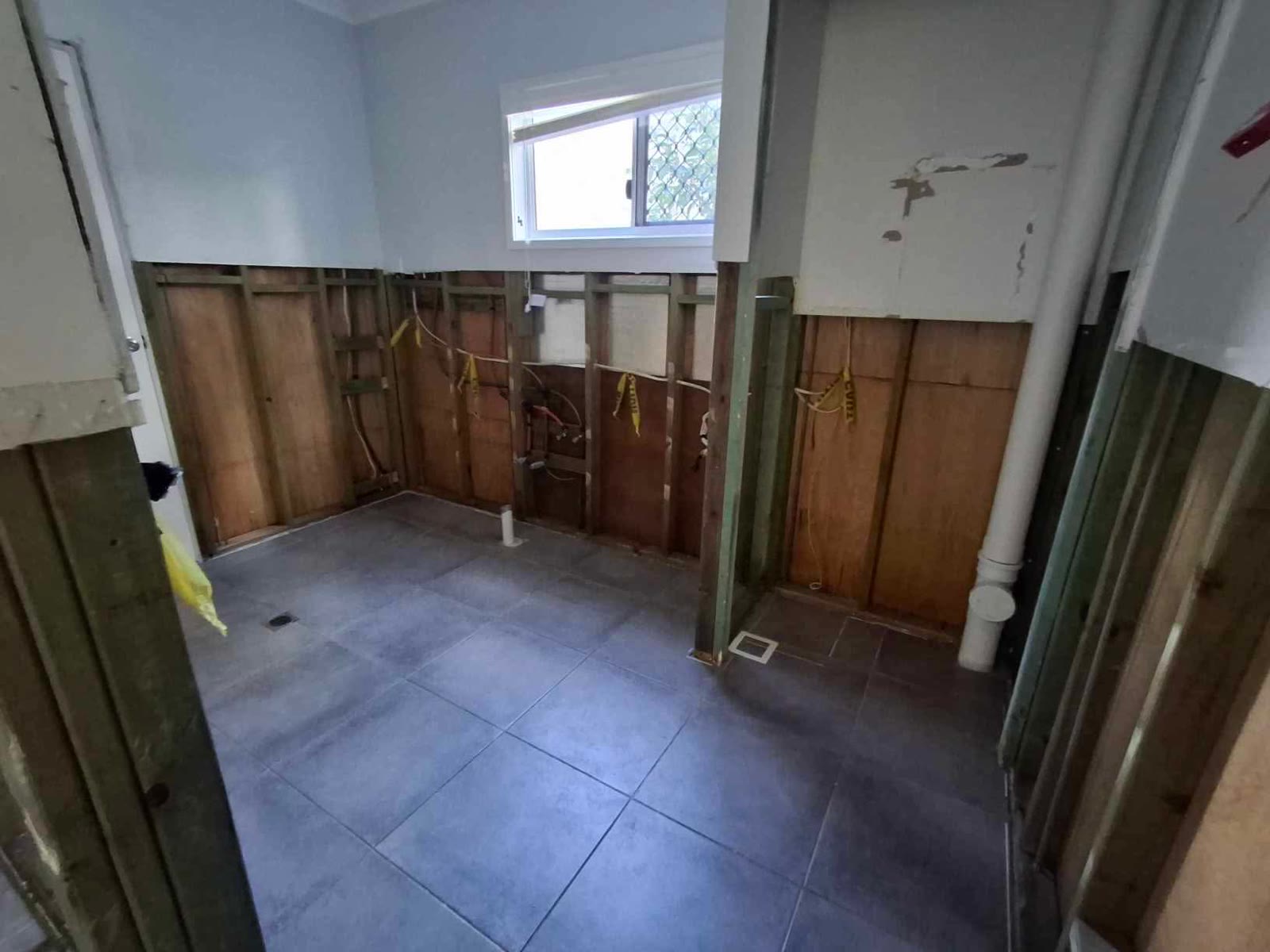
Managing Moisture & Mould in Currumbin Valley Acreage Homes
These are inspection considerations, not a diagnosis of every property. We assess likely contributing conditions on site and explain any limitations or further investigations needed.
Dense Valley Canopy
Thick vegetation and steep valley slopes limit sunlight exposure, slowing natural evaporation around secluded residential buildings.
Pole Homes & Elevated Subfloors
Sloping site subfloors frequently capture surface runoff, allowing damp ground air to enter living spaces without proper ventilation.
Creek-Corridor Microclimates
Proximity to Currumbin Creek elevates local relative humidity levels, accelerating mould growth on interior plasterboard and joinery.
Heavy Hinterland Rainfall
Sudden storm events can cause overland flow, saturated roof cavities, and structural water damage requiring rapid professional drying.
Our work
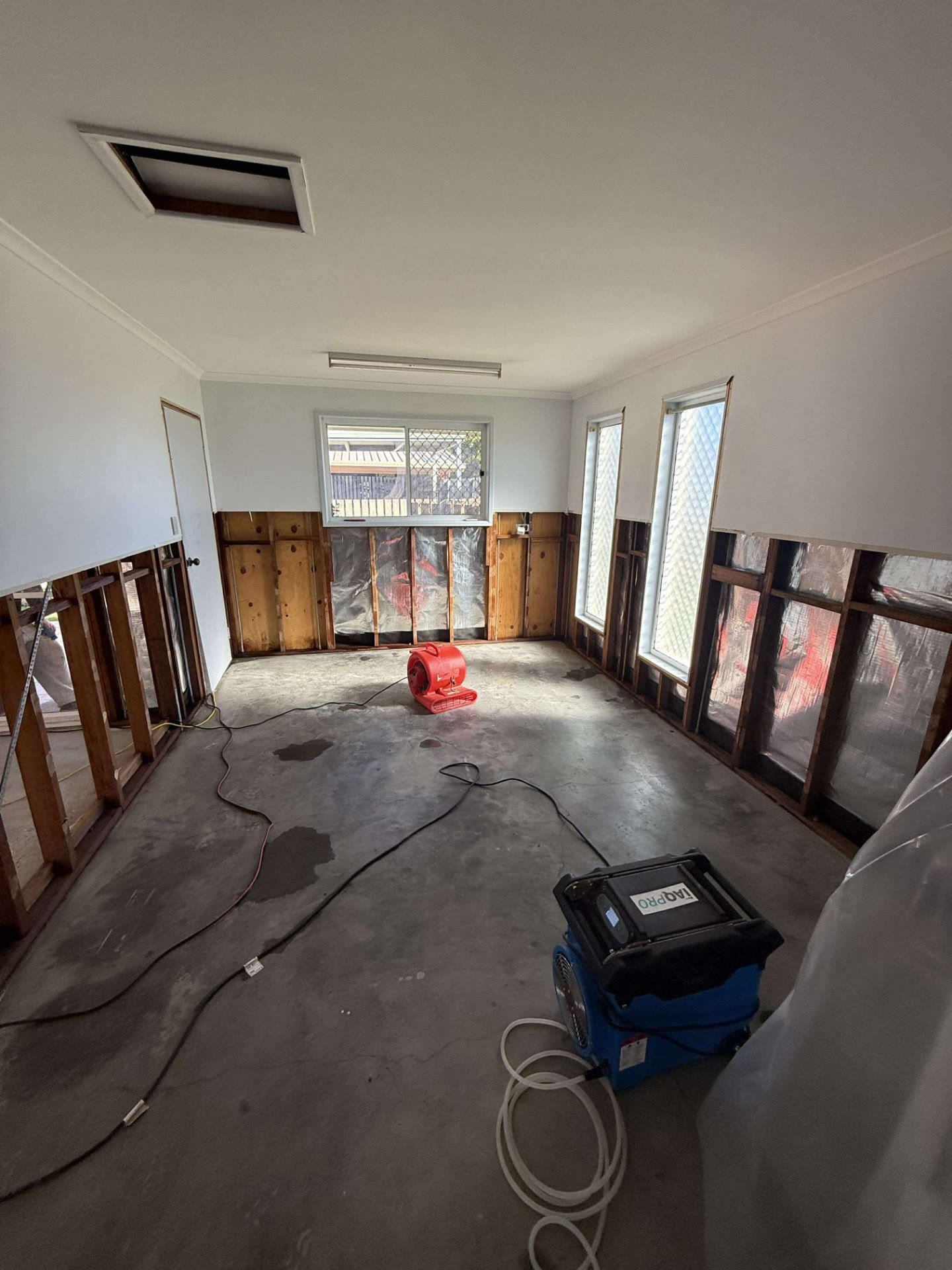
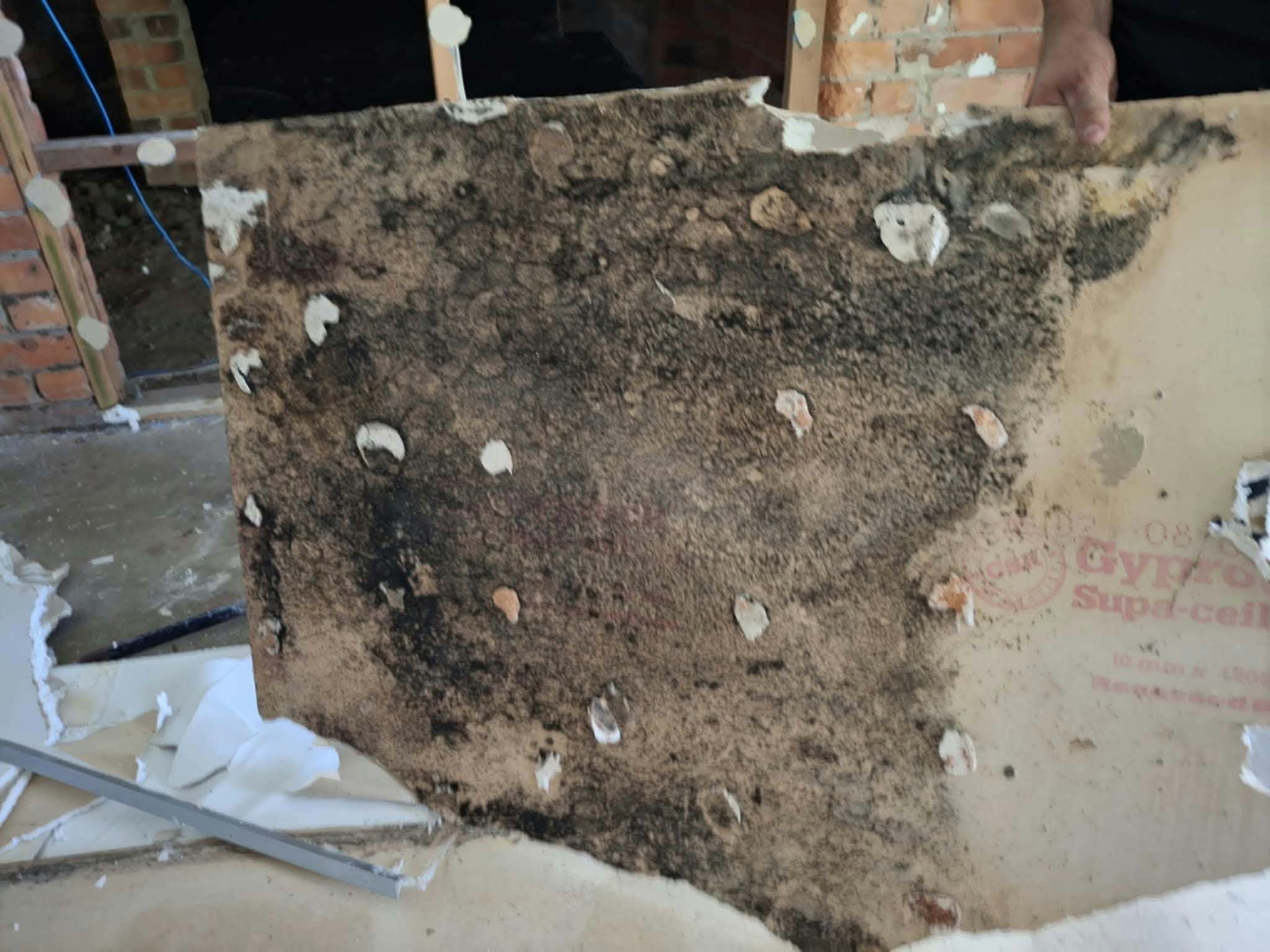
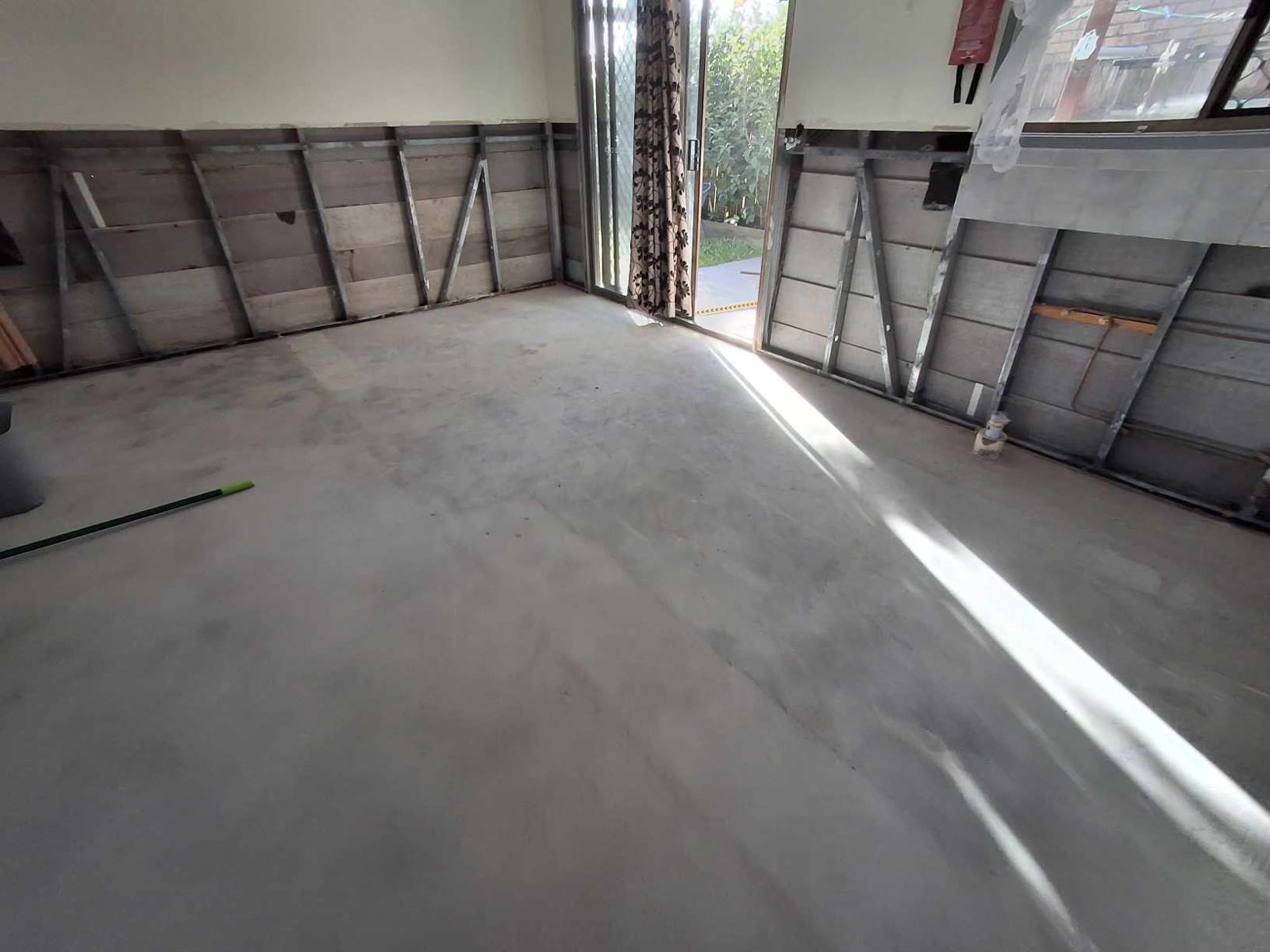
From our recent remediation jobs
Request a mould inspection or quote
Tell us what you're seeing and upload a few photos. A team member reviews every enquiry and will get back to you.
- Don't scrub, sand or pull off mouldy plasterboard — it spreads spores.
- Take clear photos of the affected areas and upload them with the form.
- Note any recent leaks, storms or plumbing work.
- In a unit or tenancy, let your strata or property manager know if the source could be shared.
Mould removal in Currumbin Valley — FAQs
Why is indoor mould so prevalent across Currumbin Valley acreages?
Currumbin Valley experiences higher average rainfall and heavier canopy cover than coastal suburbs. Cooler evening valley air combined with high daytime humidity causes condensation on building materials. When coupled with secluded rural designs and pole home timber construction, moisture lingers longer, creating prime conditions for mould to establish unless addressed with controlled dehumidification.
How do you handle water damage restoration after valley storms or flash flooding?
Where actual water entry has occurred, we deploy industrial HEPA air movers, commercial dehumidifiers, and moisture detection instruments to extract standing water and dry structural elements. We isolate wet structural timbers and drywall, ensuring framing reaches safe equilibrium moisture levels to prevent post-storm fungal growth, finishing with an itemised moisture report.
Do you service commercial retreats, wellness facilities, and body corporate schemes here?
Yes. We support local rural businesses, ecotourism operations, and body corporate community schemes in Currumbin Valley. Our QBCC-licensed team works discreetly to contain affected zones, establish negative air pressure, and remediate mould without disrupting day-to-day operations, providing formal compliance documentation upon completion.
Will painting over mould on timber beams solve the problem permanently?
No. Mould roots into porous building materials like structural timber, so painting over it merely traps moisture beneath the surface coating. Our technicians remove fungal colonies using IICRC-aligned physical removal and HEPA vacuuming, apply antimicrobials, and remediate the underlying humidity source to prevent recurrent growth.
What do we get when the job is finished?
Every job ends with a documented report — photos, moisture readings and a summary of the work. Independent post-remediation verification can be arranged where the scope, insurer or a hygienist requires it.

Book Your Currumbin Valley Mould Inspection
A professional inspection and a clear remediation plan from our Gold Coast team.
Photo: John Robert McPherson, CC0