

Local mould remediation · Gilston
Professional Mould Removal Gilston
We provide IICRC-certified mould remediation, advanced subfloor moisture inspections, and detailed structural drying across acreage homes and residential properties nestled in the scenic valleys of Gilston.
- QBCC Licence 15082064
- IICRC industry methods
- Homes, units & commercial
- Documented report every job
Photo: Donaldytong, CC BY-SA 3.0
Mould Remediation & Moisture Investigations in Gilston
Gilston is characterised by rolling acreage, mature native bushland, and sprawling single-family dwellings situated along the Nerang River hinterland corridor. While these leafy settings provide quiet seclusion, the local geography often traps humid air within sheltered valleys. High seasonal rainfall, dense tree canopy shade, and damp subfloors beneath timber or slab-on-ground construction can lead to chronic moisture retention that triggers persistent mould growth across ceilings, wardrobes, and structural timbers.
The Mould Removers delivers systematic, science-backed mould remediation and moisture investigations for Gilston homeowners, semi-rural properties, and local body corporate schemes. We utilise calibrated thermal imaging and moisture meters to locate the precise source of water intrusion or elevated relative humidity. Our QBCC-licensed team safely eliminates fungal colonisation, completes required water damage restoration, and concludes every project with a detailed documented report outlining ongoing moisture control strategies.
Book a Mould Inspection
Common signs of mould
- Persistent musty odours trapped in closed bedrooms, walk-in robes, or linen closets.
- Visible fungal spotting appearing on shaded plasterboard ceilings or behind curtains.
- Damp subfloor spaces beneath raised timber foundations following heavy hinterland rains.
- Discolouration or white efflorescence on internal brickwork and ground-floor concrete slabs.
- Swelling, warping, or peeling finishes on timber skirting boards and window frames.
- Surface mould forming on soft furnishings, leather goods, or clothing in humid weather.
Our Mould Remediation Services in Gilston
 Illustrative image
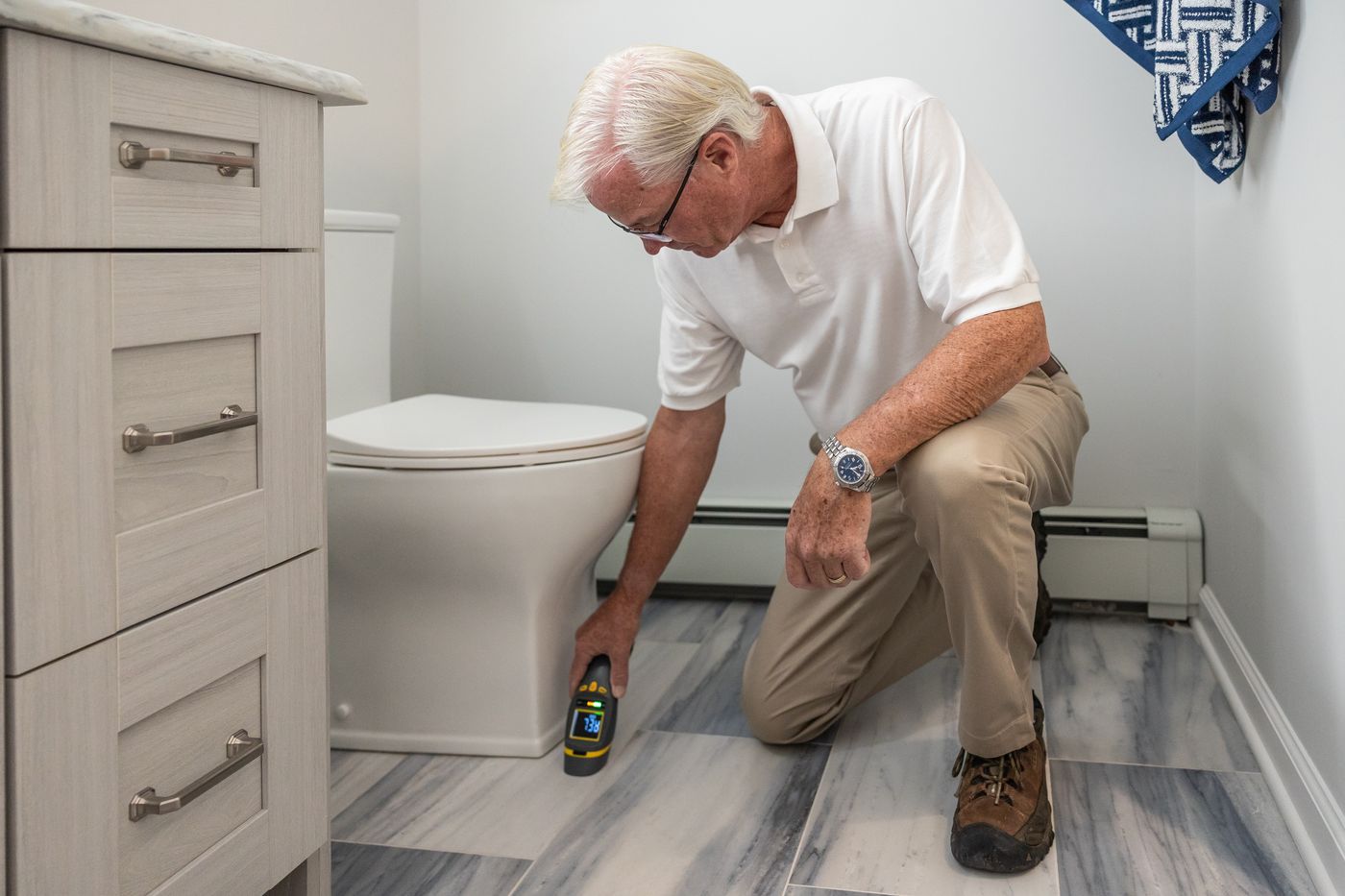
Mould Inspections & Moisture Investigations
Visual assessment, moisture readings and thermal imaging to find the water behind mould in Gilston homes, units and commercial premises. Sampling, where needed, is arranged with an independent hygienist.
Learn more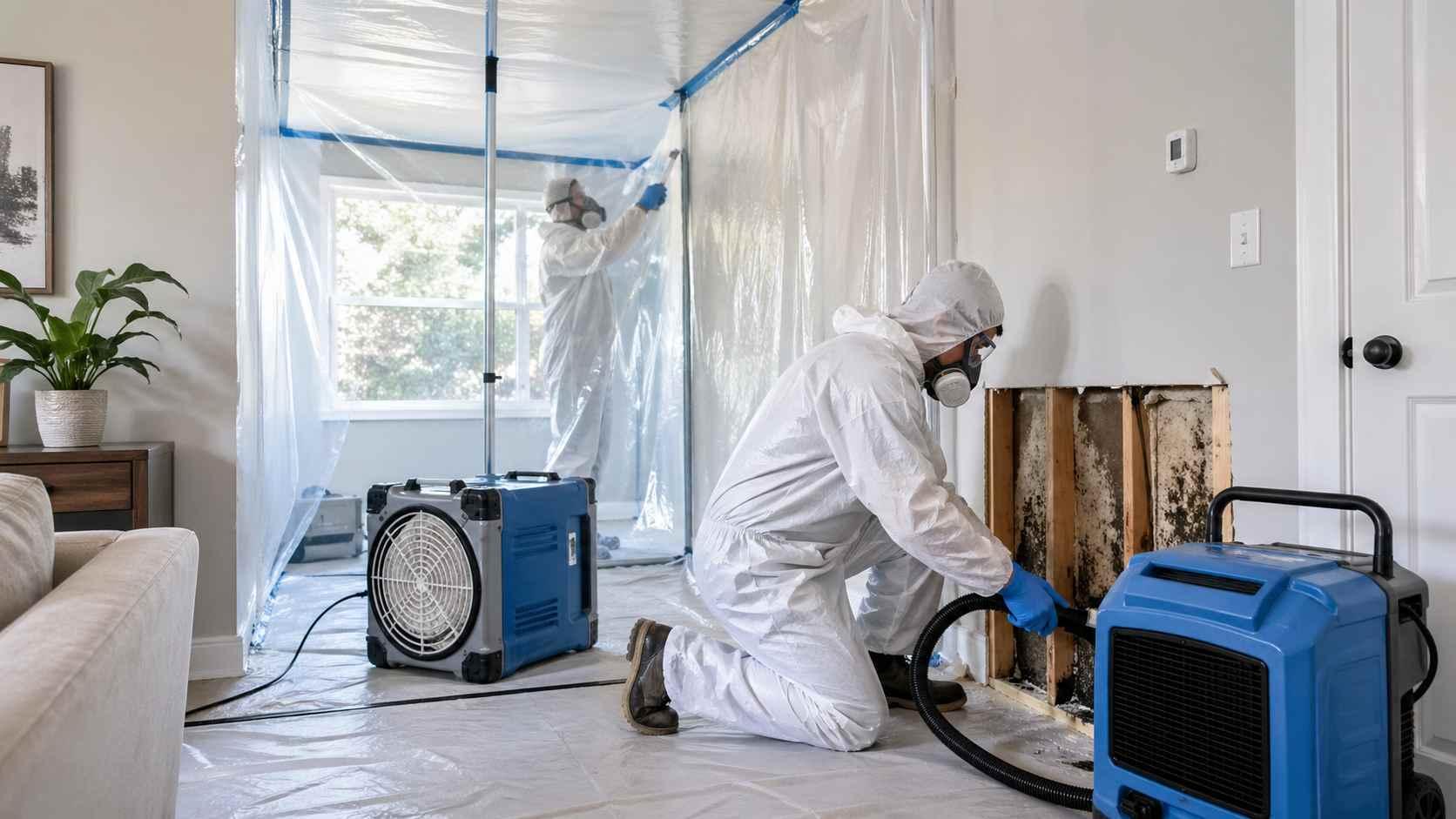 Illustrative image
Residential & Commercial Mould Removal
Controlled removal of mould-affected plasterboard, ceilings, insulation and fittings, planned around occupants, tenants and body corporate requirements.
Learn more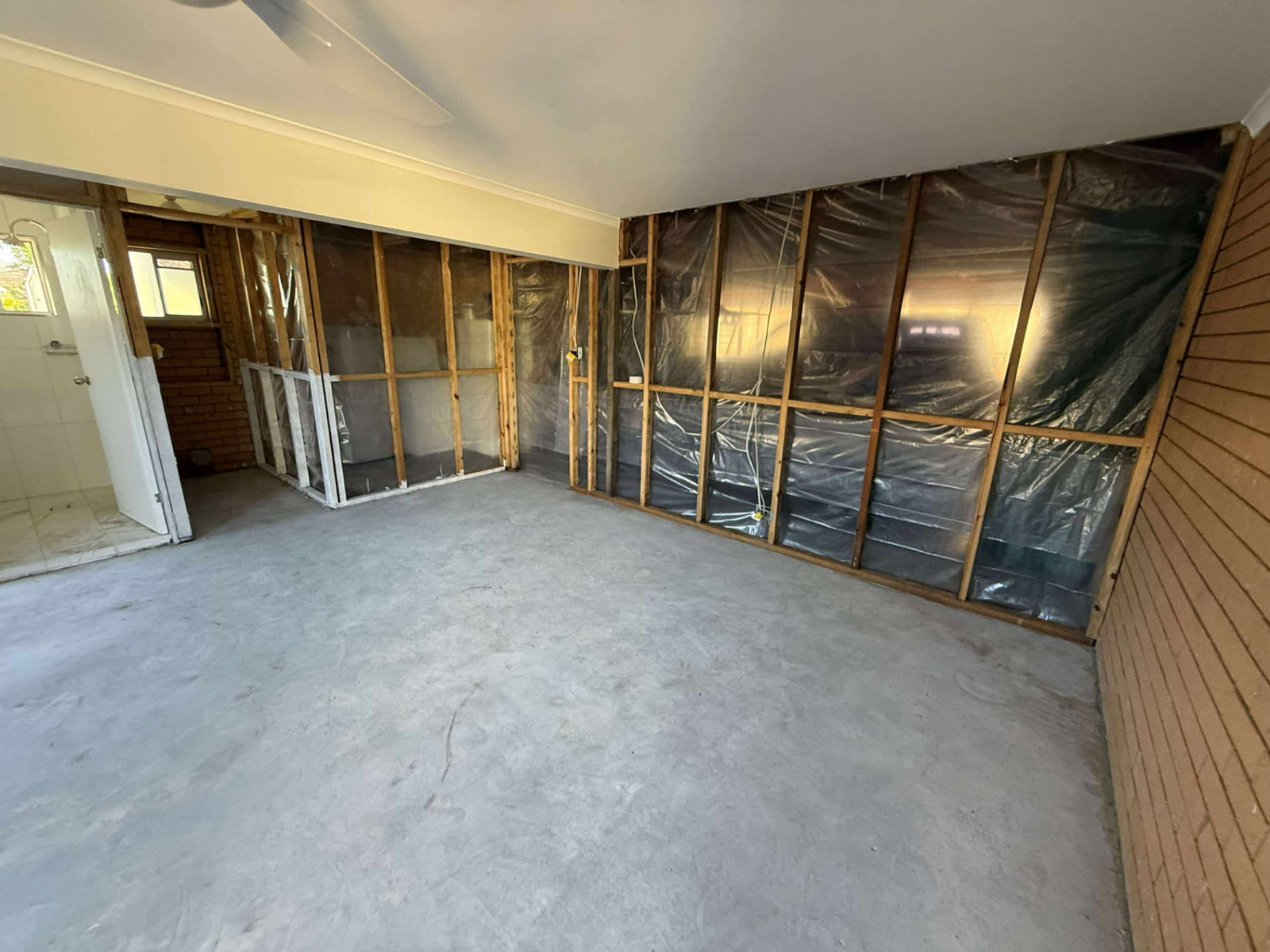
Containment & HEPA Air Filtration
Plastic barriers and HEPA air scrubbers to reduce the spread of spores beyond the work area. The containment plan depends on the property and scope.
Learn more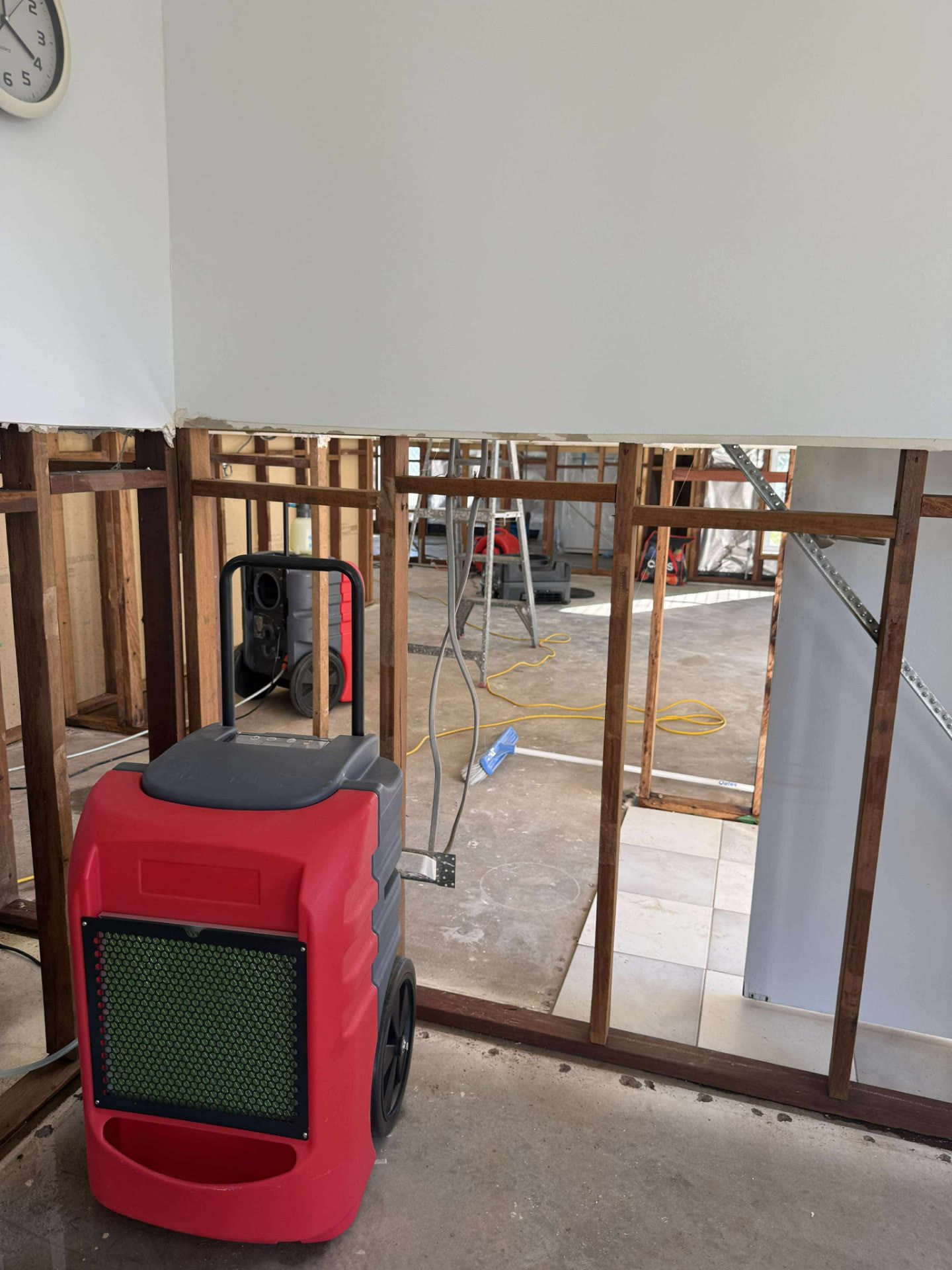
Water Damage & Structural Drying
Water damage restoration in Gilston after roof leaks, plumbing leaks, storms or actual flooding, with structural drying monitored by moisture readings.
Learn moreFor leak-affected framing and ceilings, see our structural drying and moisture monitoring. We also support insurance and commercial remediation projects, with independent hygienist assessments and testing arranged where needed.
How we work
Our Mould Remediation Process
- 1
Inspection & Assessment
We talk through the history, take moisture readings and thermal images, and confirm what's feeding the mould.
- 2
Containment & Air Filtration
Where the scope needs it, we seal the work area and run HEPA air filtration to protect the rest of the property.
- 3
Remediation & Cleaning
Contaminated porous materials are removed and salvageable surfaces are HEPA-vacuumed and cleaned.
- 4
Drying, Verification & Recommendations
Structural drying, final moisture readings and a documented report with photos and advice to stop it returning.
Not every step is needed on every job — we explain the proposed scope before work begins. Independent clearance testing can be arranged where the scope, insurer or a hygienist requires it.
Why Choose The Mould Removers in Gilston?
- Source first. We confirm the moisture source with readings and thermal imaging before we quote removal.
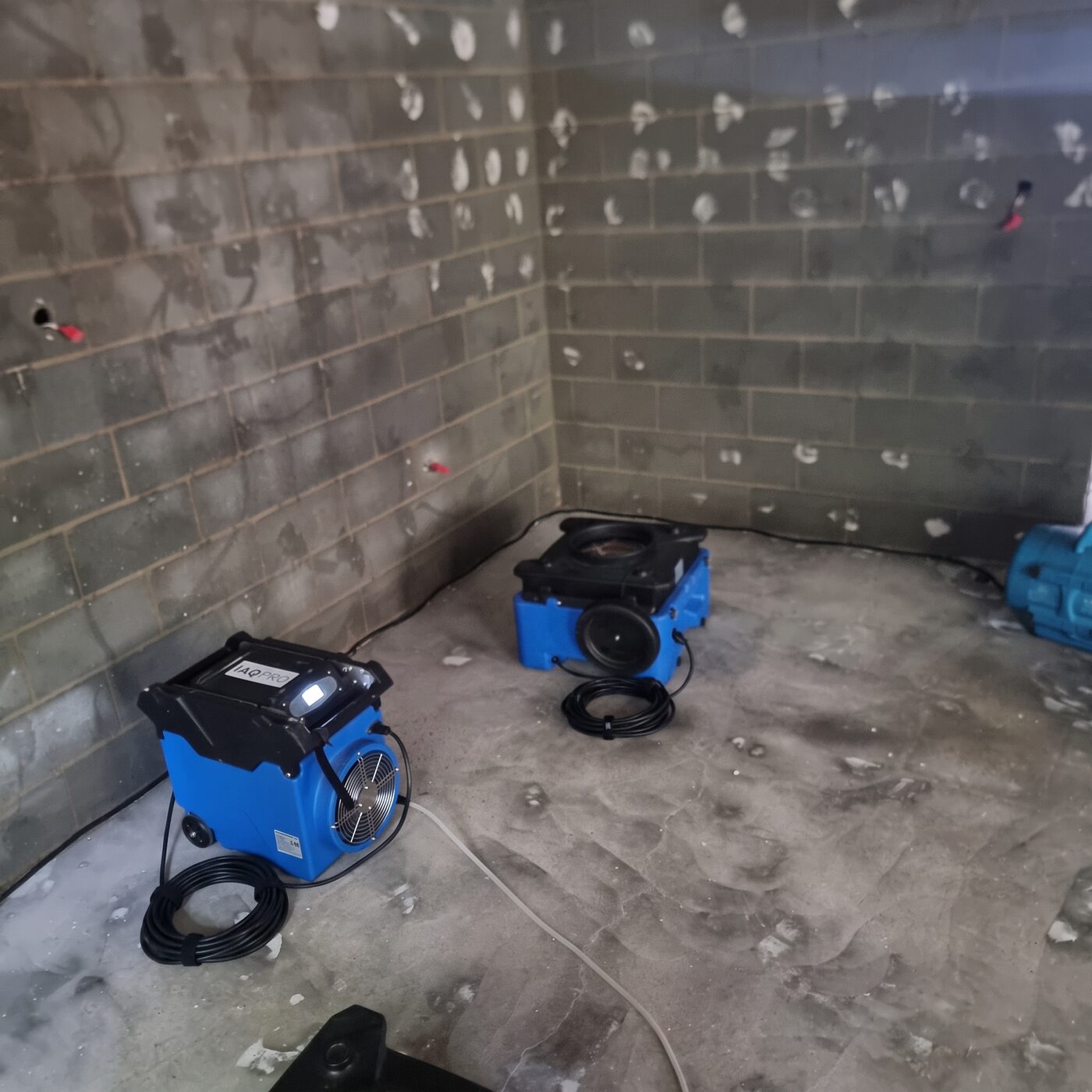
- Professional equipment. HEPA air scrubbers, commercial dehumidifiers, air movers and moisture meters on every job that needs them.
- Clear communication. You'll know the scope, what's being removed and why before work starts.
- Detailed reporting. Every job ends with a documented report — photos, moisture readings and a summary of the work.
- Homes and commercial premises. Houses, units, strata buildings, offices and workshops, including insurance and builder-managed jobs.
 Illustrative image
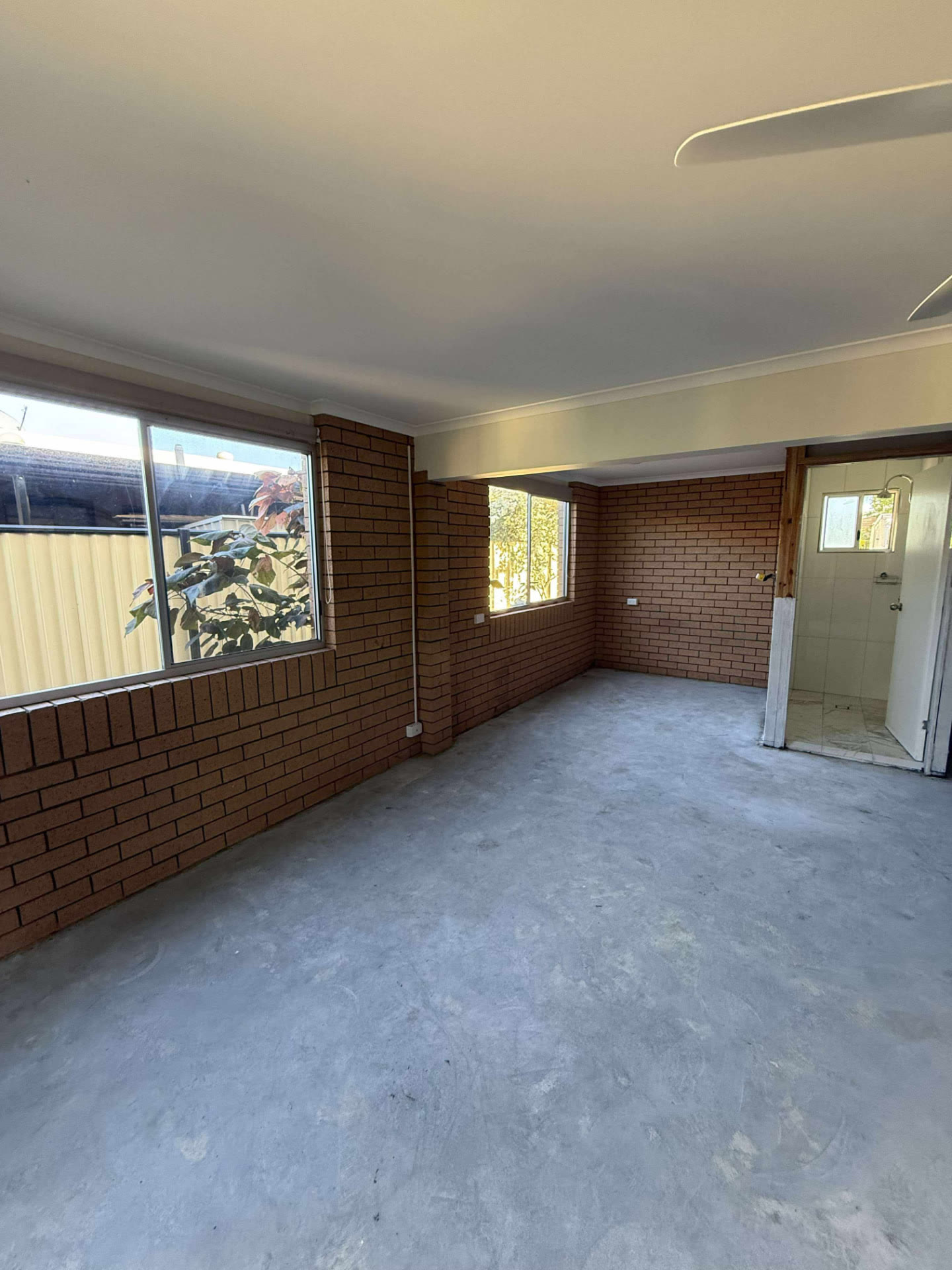
Tailored Moisture & Mould Solutions for Gilston Properties
These are inspection considerations, not a diagnosis of every property. We assess likely contributing conditions on site and explain any limitations or further investigations needed.
Dense Canopy & Microclimates
Heavily shaded valley blocks experience limited direct sunlight and lower airflow, slowing exterior drying times and promoting higher ambient indoor humidity.
Acreage & Valley Homes
Sprawling floor plans and split-level architecture require targeted structural drying and comprehensive HVAC checks to prevent hidden spore spread.
Subfloor & Foundation Moisture
Runoff from sloping ground can saturate foundation soils, causing rising damp or crawl space humidity that penetrates living spaces above.
Strata & Outbuilding Care
From community body corporate townhouses to detached sheds and studios, we provide certified decontamination and clear documentation for insurers.
Our work
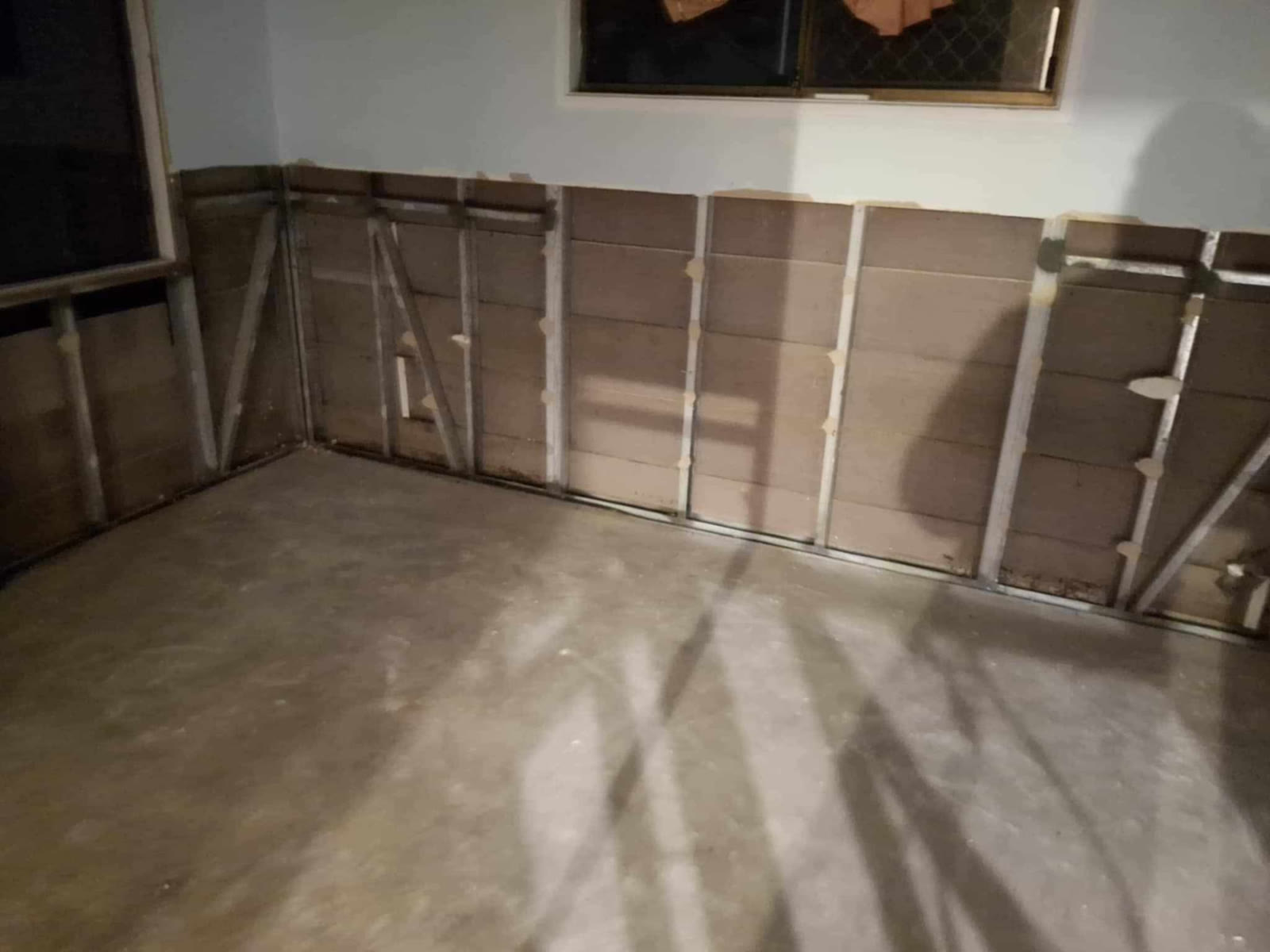
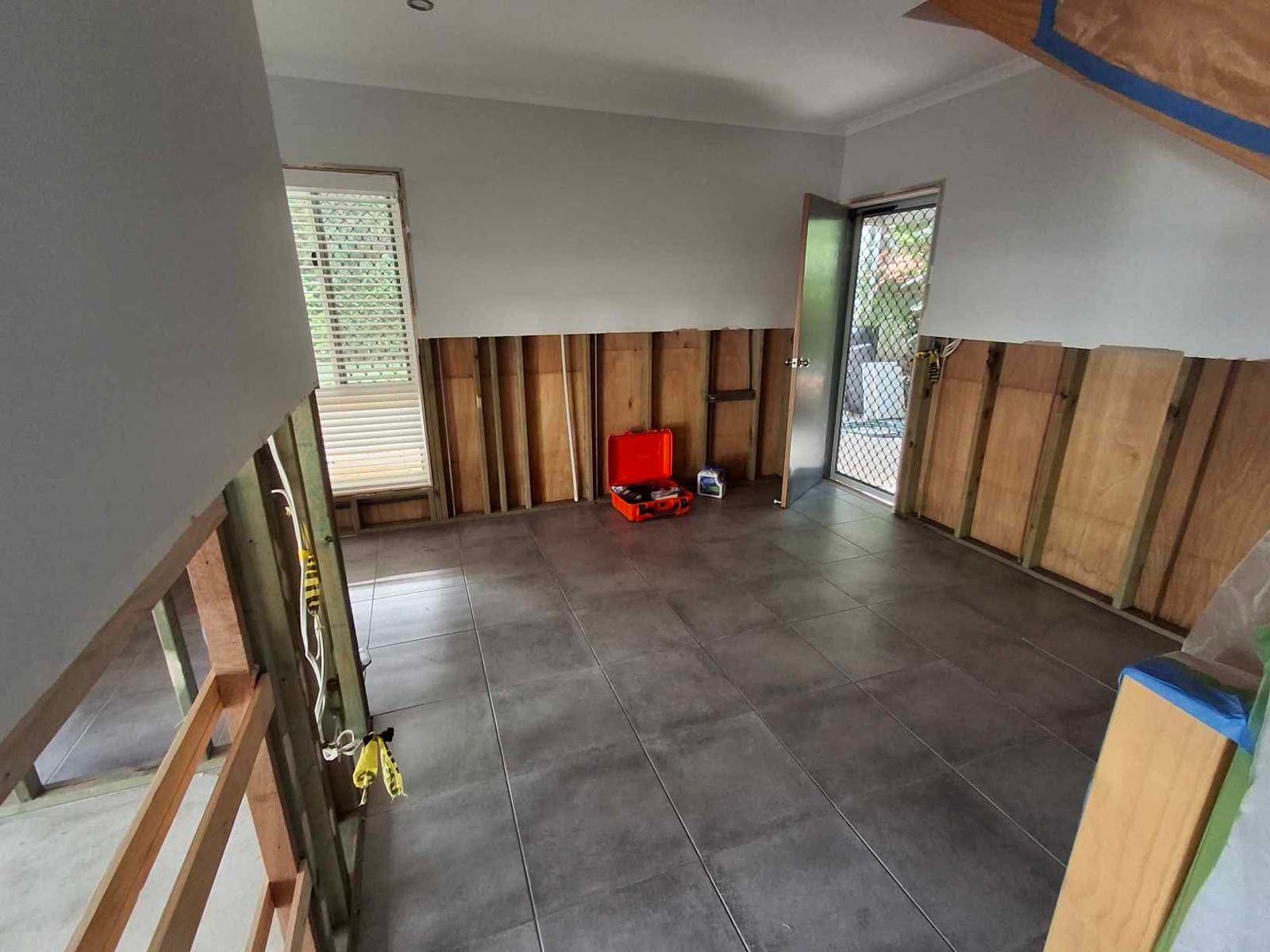
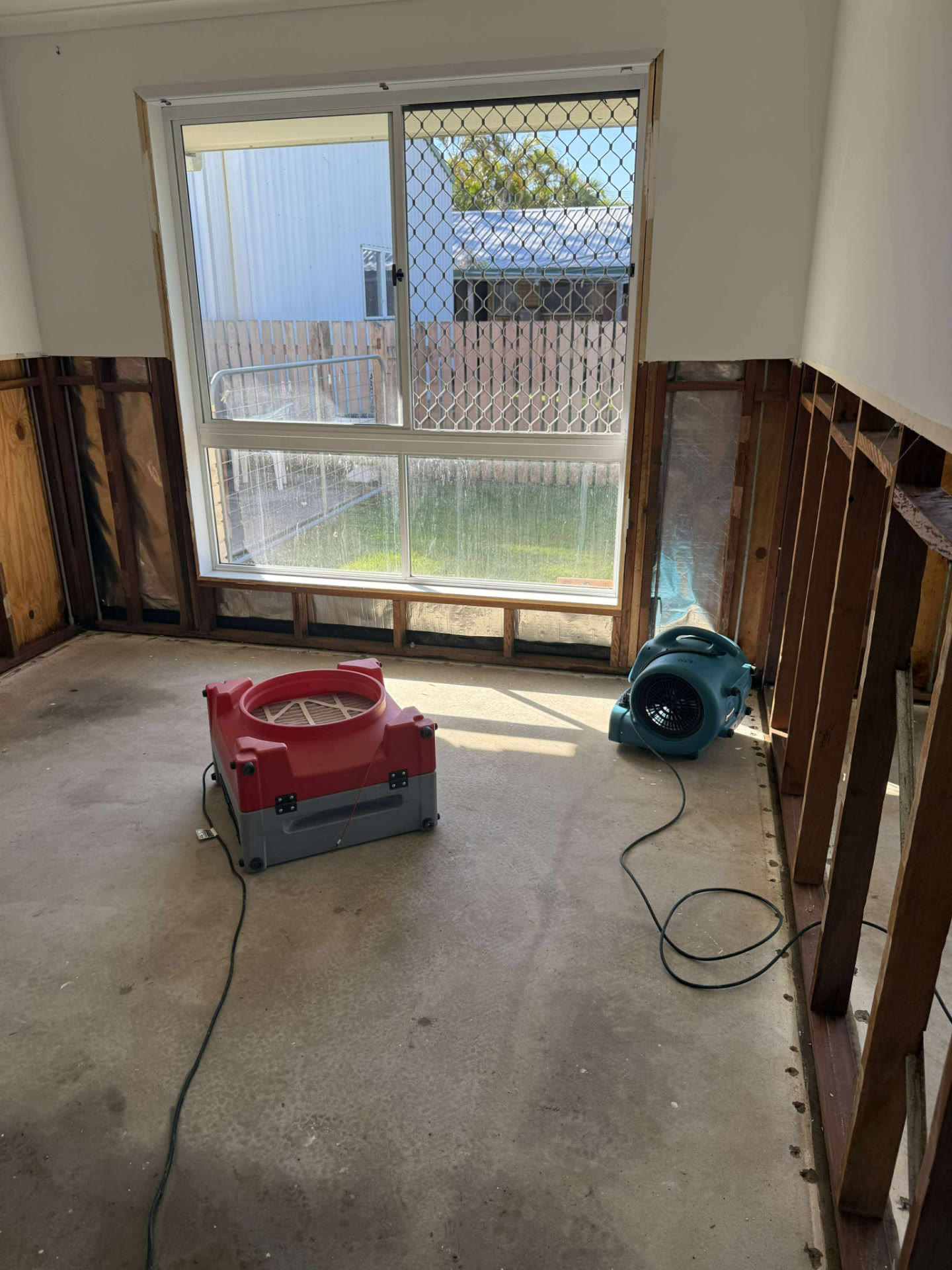
From our recent remediation jobs
Request a mould inspection or quote
Tell us what you're seeing and upload a few photos. A team member reviews every enquiry and will get back to you.
- Don't scrub, sand or pull off mouldy plasterboard — it spreads spores.
- Take clear photos of the affected areas and upload them with the form.
- Note any recent leaks, storms or plumbing work.
- In a unit or tenancy, let your strata or property manager know if the source could be shared.
Mould removal in Gilston — FAQs
Why is indoor mould so prevalent in Gilston valley properties?
Gilston sits in a leafy hinterland pocket where dense vegetation and valley terrain trap morning mist and ambient humidity. When combined with wet summer weather and shaded building envelopes, homes struggle to dry out naturally, allowing mould colonies to develop rapidly on surfaces with poor air movement.
How do you investigate moisture problems under timber floors?
We enter accessible subfloor cavities using non-invasive moisture metres and thermal imaging cameras to inspect bearers, joists, and foundation soil. We trace whether moisture originates from overland stormwater flow, inadequate subfloor cross-ventilation, plumbing leaks, or ground evaporation, and provide actionable remediation steps.
Do you assist Gilston body corporate communities with mould issues?
Yes. While Gilston primarily consists of detached dwellings, we service townhouse and managed community title schemes. We conduct common-property moisture assessments, remediate affected units under strict containment, and supply transparent reports for body corporate managers and committees.
What steps are taken during professional water damage restoration?
When structural water entry occurs from burst pipes or roof failure, we extract standing water, deploy commercial air movers and LGR dehumidifiers to dry affected structural materials, treat exposed surfaces with antimicrobial solutions, and document moisture readings until the structure meets dry standard.
What do we get when the job is finished?
Every job ends with a documented report — photos, moisture readings and a summary of the work. Independent post-remediation verification can be arranged where the scope, insurer or a hygienist requires it.

Book Your Gilston Mould Inspection
A professional inspection and a clear remediation plan from our Gold Coast team.
Photo: Jack Bain, CC BY 4.0