

Local mould remediation · Jacobs Well
Professional Mould Removal Jacobs Well
Our IICRC-certified team provides precise moisture detection, comprehensive water damage restoration, and safe mould remediation across Jacobs Well, delivering detailed documented reports to protect your coastal home or commercial investment.
- QBCC Licence 15082064
- IICRC industry methods
- Homes, units & commercial
- Documented report every job
Photo: Jack Bain, CC BY 4.0
Mould Remediation & Moisture Investigations in Jacobs Well
Positioned beside Moreton Bay and the Pimpama River, Jacobs Well features predominantly freestanding homes subject to persistent coastal humidity and marine breezes. According to the 2021 Census, the suburb is home to 2,882 residents across 1,126 private dwellings, with standalone houses making up the vast majority. Moisture carried by southerly coastal winds, salt air, and sudden subtropical downpours can penetrate building envelopes, leading to elevated indoor humidity levels that support undetected mould colonisation behind wall cavities, skirtings, and ceilings.
The Mould Removers brings QBCC-licensed expertise to residential waterfront properties, local retail premises, and marine commercial operations across Jacobs Well. We begin with calibrated moisture investigations to locate concealed leaks, subfloor dampness, or rising water tables before executing structured IICRC remediation. For local landlords, body corporate schemes, and commercial operators, we deliver thorough remediation, surface deactivation, HEPA filtration, and independent clearance testing accompanied by a comprehensive photographic moisture report verifying the structure has been restored to a safe, dry standard.
Book a Mould Inspection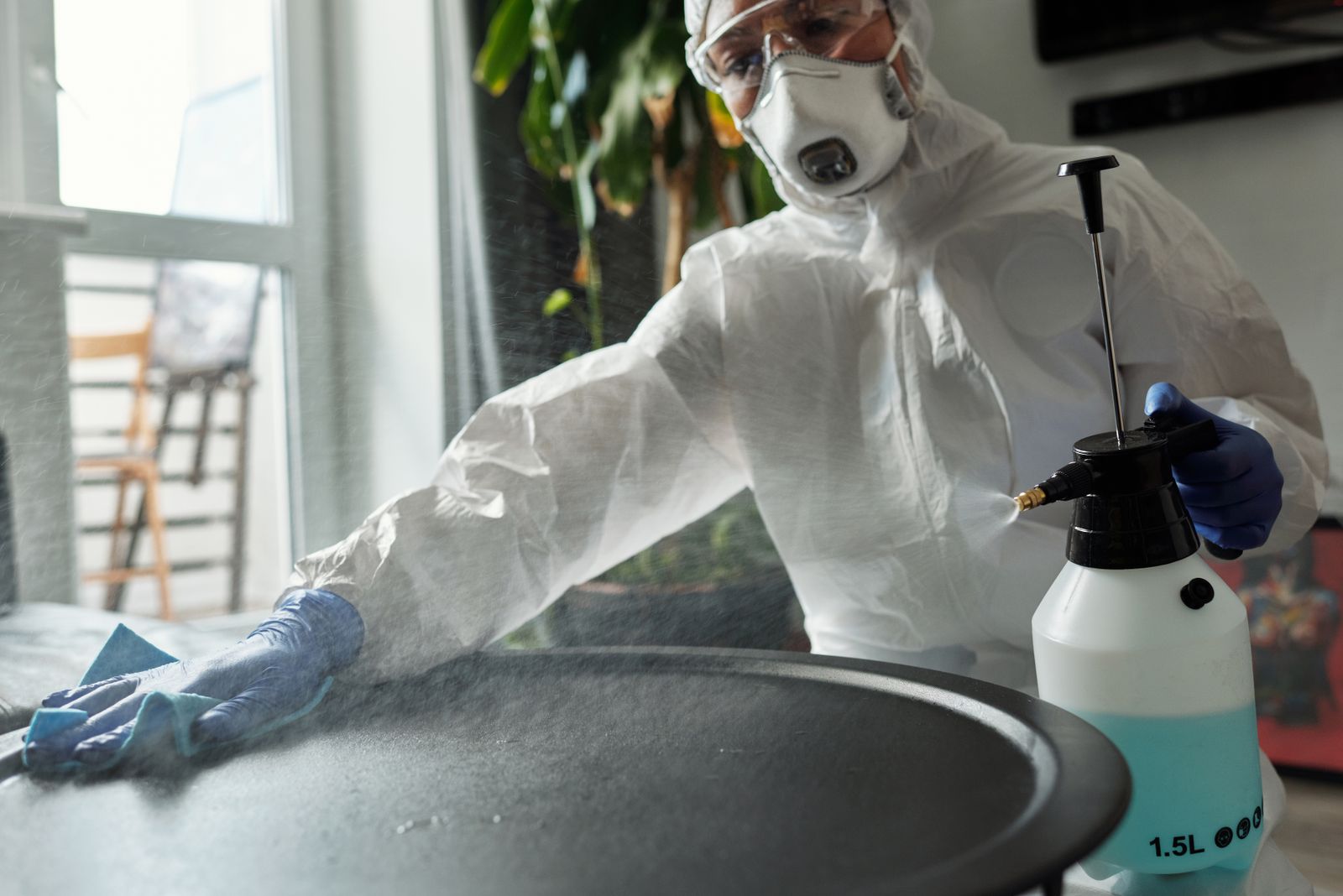
Common signs of mould
- Musty odours intensifying after heavy rains or high coastal tides
- Discolouration or staining along ceiling linings and cornice lines
- Peeling paint or damp patches near waterfront-facing walls
- Visible speckling inside boat sheds, garages, and storage areas
- Persistent condensation on aluminium window frames and glazing
- Warped skirting boards or swollen timber floorboards near wet areas
Our Mould Remediation Services in Jacobs Well
 Illustrative image
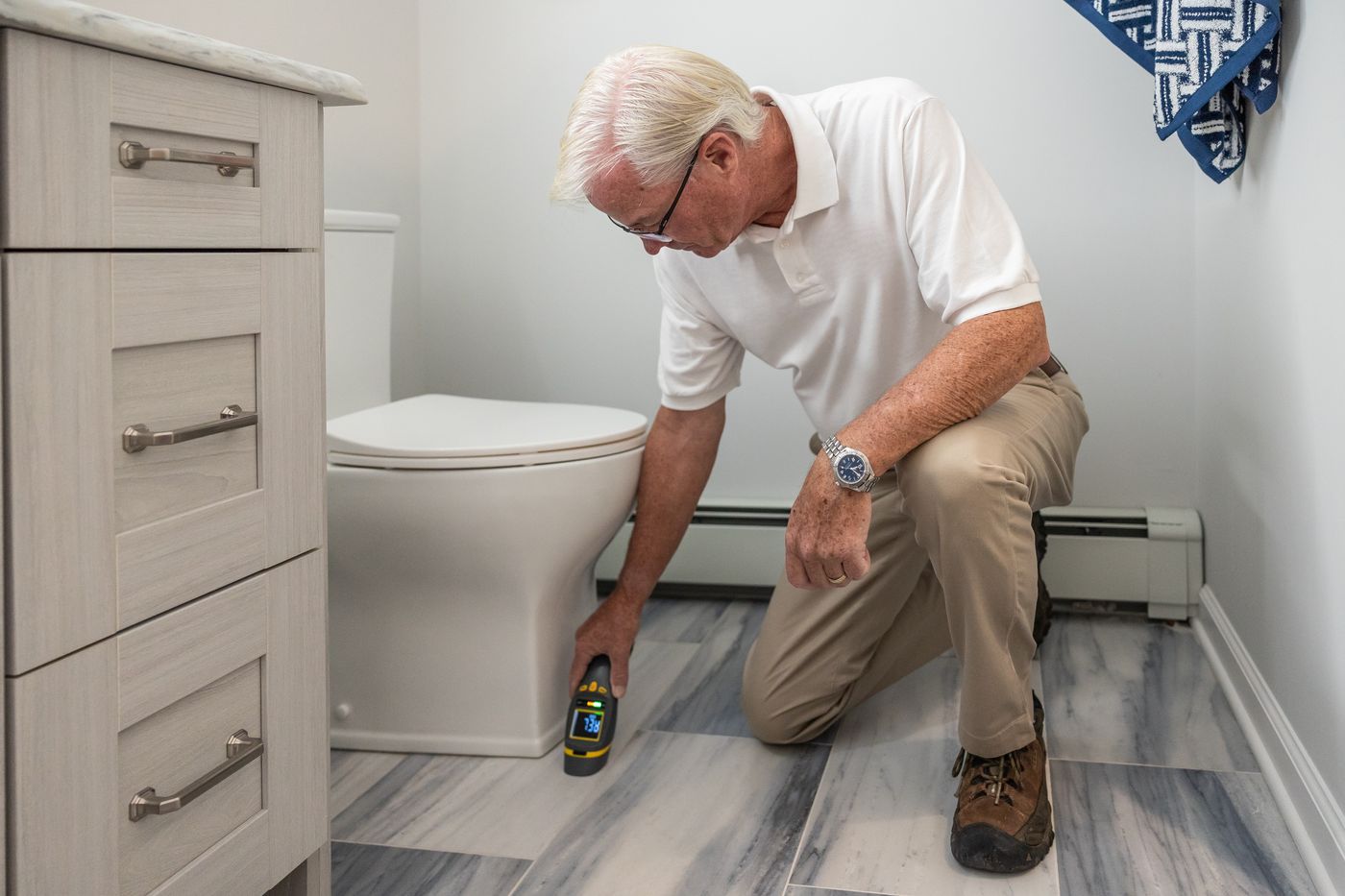
Mould Inspections & Moisture Investigations
Visual assessment, moisture readings and thermal imaging to find the water behind mould in Jacobs Well homes, units and commercial premises. Sampling, where needed, is arranged with an independent hygienist.
Learn more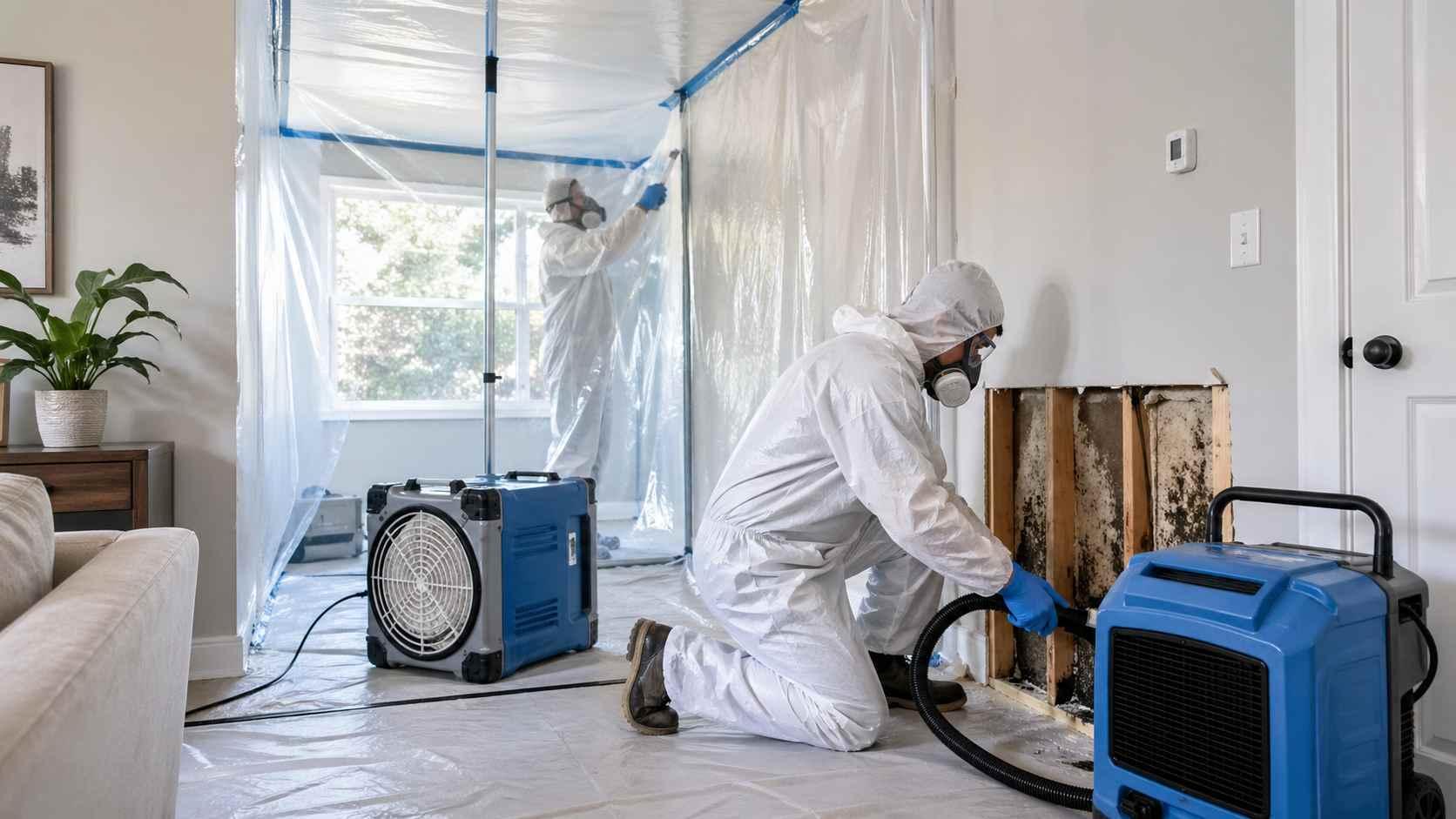 Illustrative image
Residential & Commercial Mould Removal
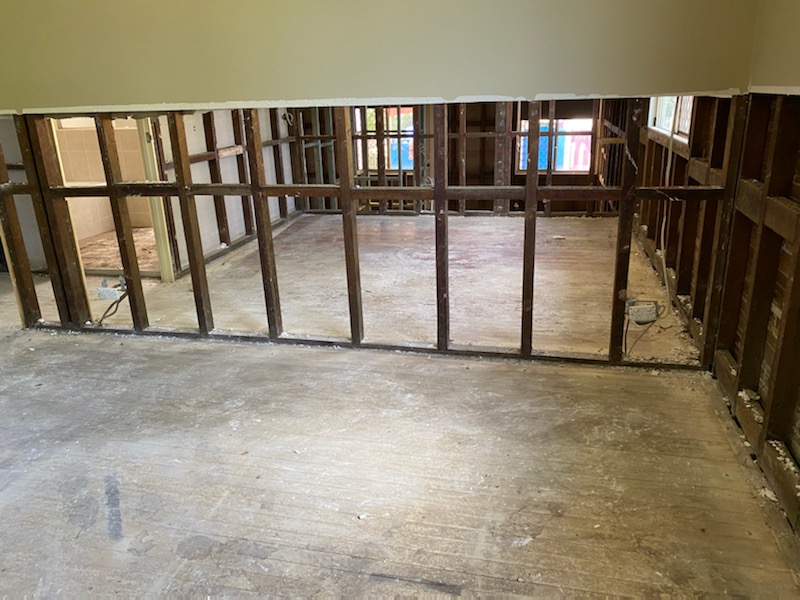
Controlled removal of mould-affected plasterboard, ceilings, insulation and fittings, planned around occupants, tenants and body corporate requirements.
Learn more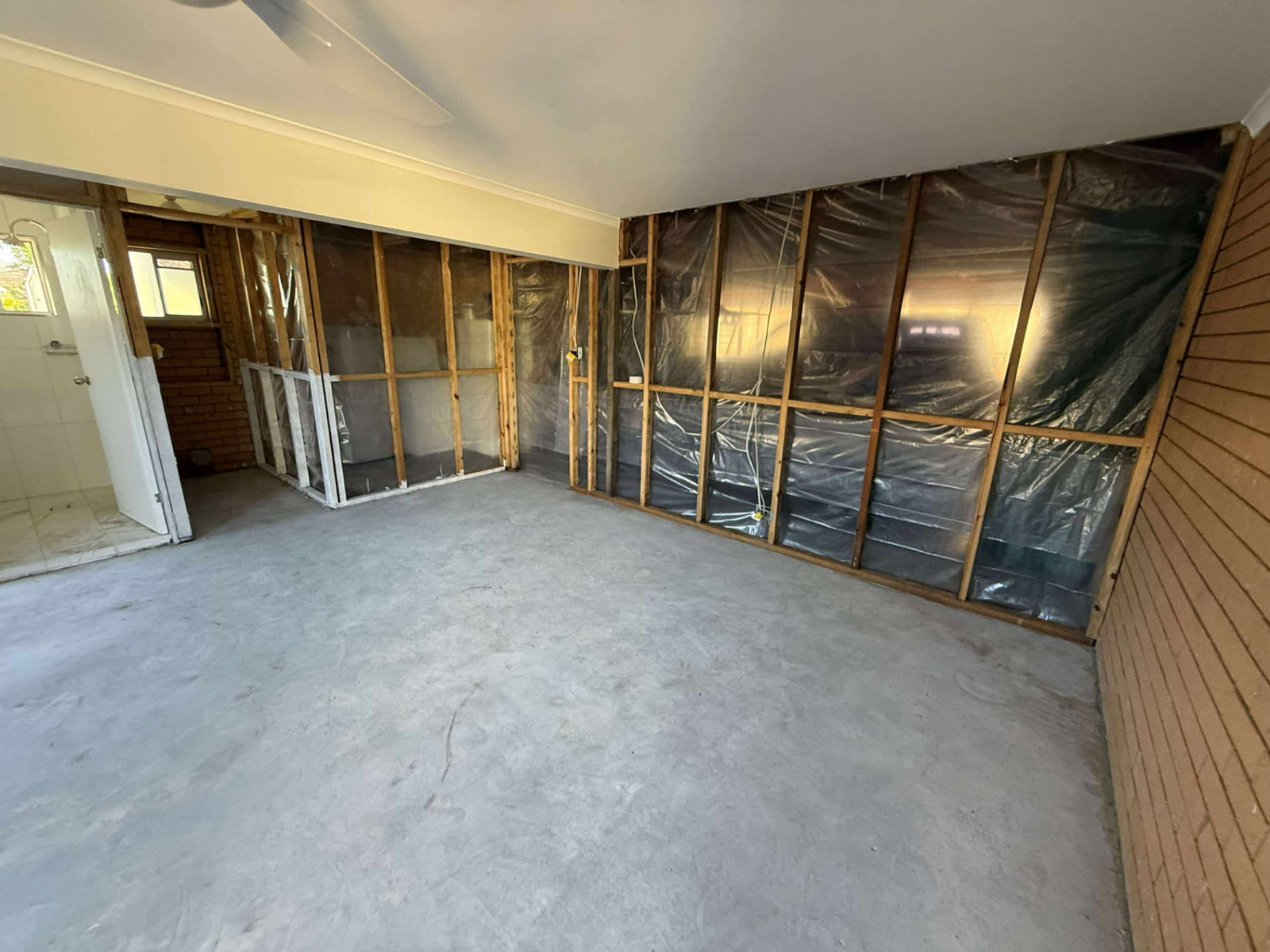
Containment & HEPA Air Filtration
Plastic barriers and HEPA air scrubbers to reduce the spread of spores beyond the work area. The containment plan depends on the property and scope.
Learn more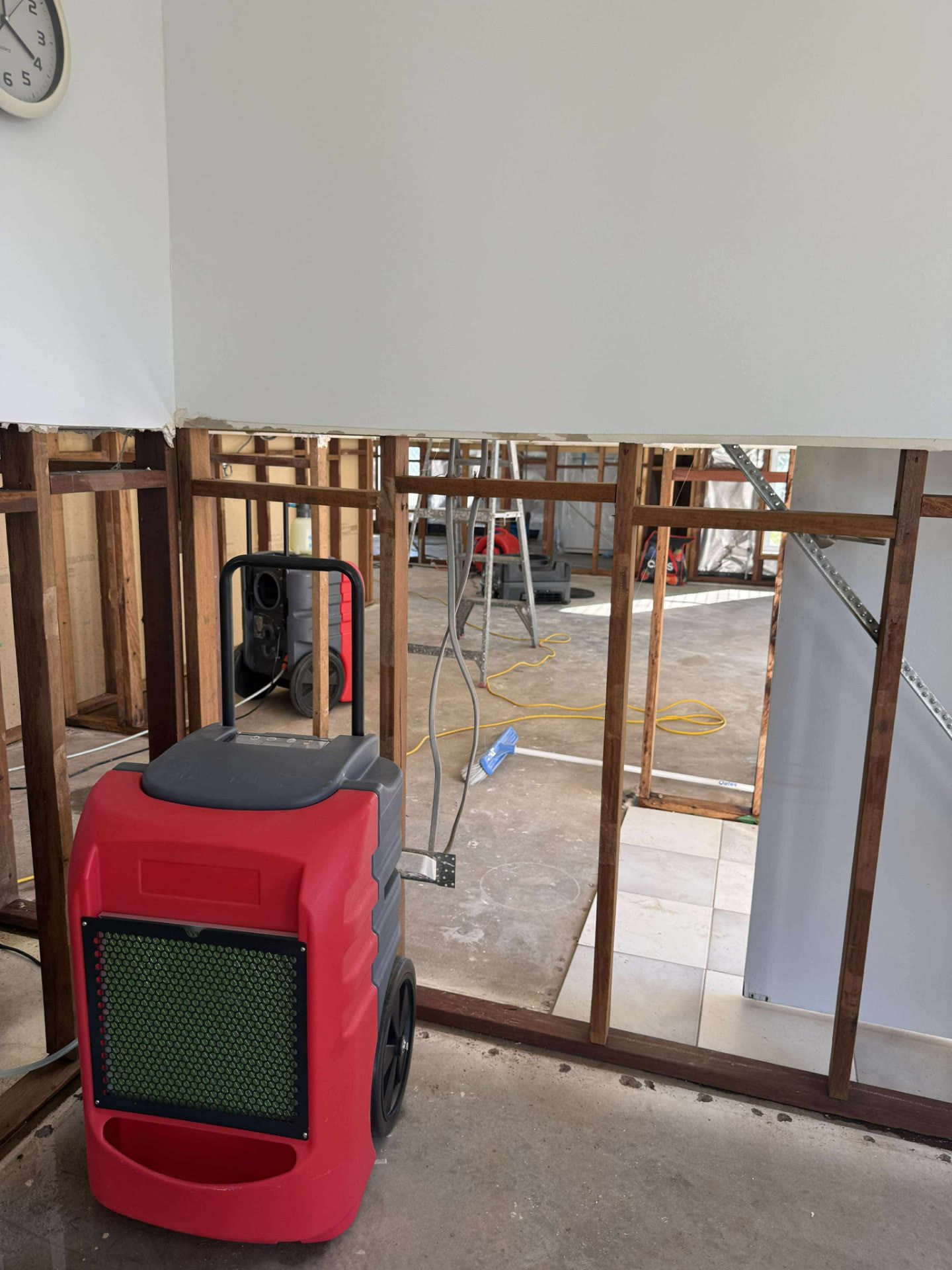
Water Damage & Structural Drying
Water damage restoration in Jacobs Well after roof leaks, plumbing leaks, storms or actual flooding, with structural drying monitored by moisture readings.
Learn moreFor leak-affected framing and ceilings, see our structural drying and moisture monitoring. We also support insurance and commercial remediation projects, with independent hygienist assessments and testing arranged where needed.
How we work
Our Mould Remediation Process
- 1
Inspection & Assessment
We talk through the history, take moisture readings and thermal images, and confirm what's feeding the mould.
- 2
Containment & Air Filtration
Where the scope needs it, we seal the work area and run HEPA air filtration to protect the rest of the property.
- 3
Remediation & Cleaning
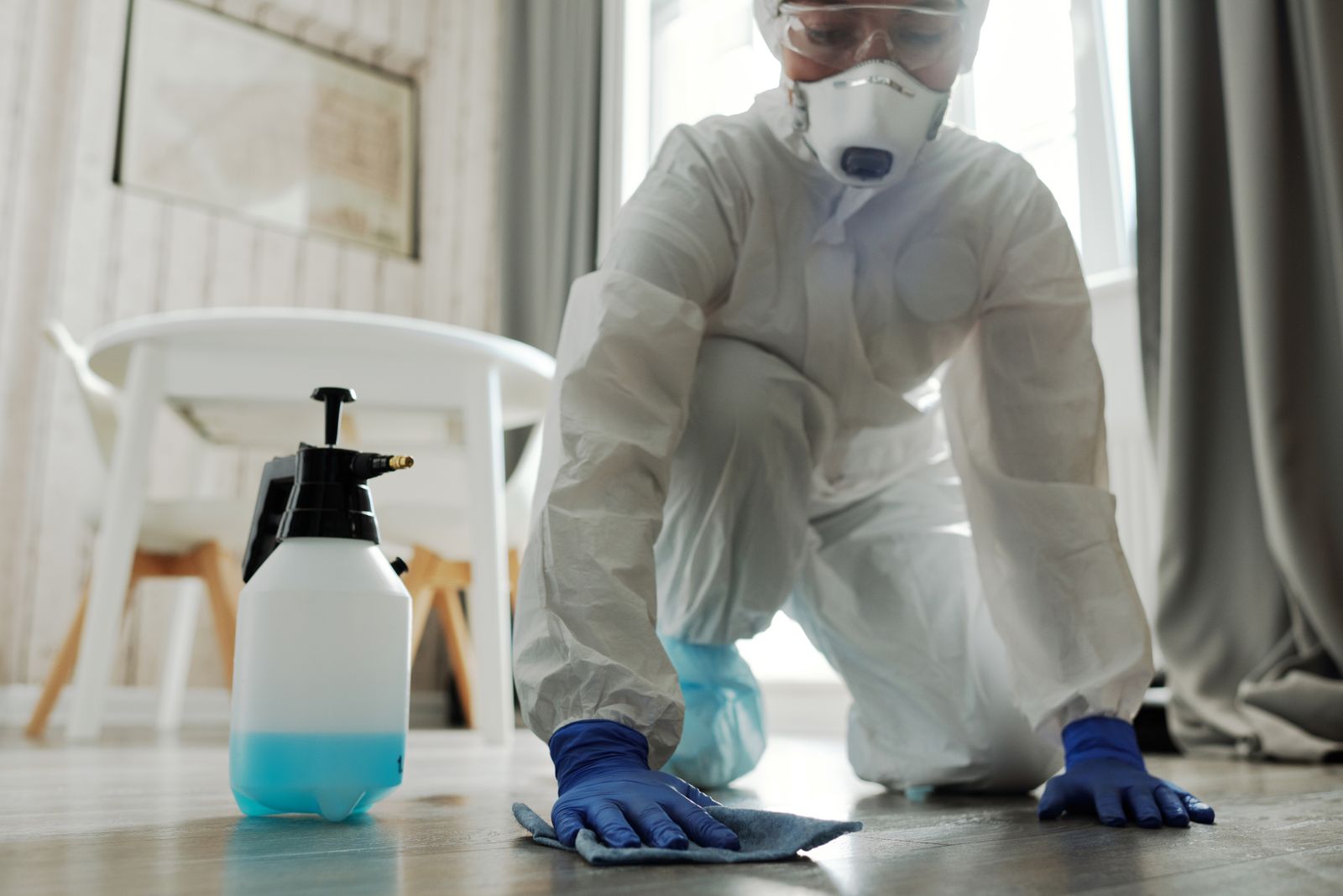
Contaminated porous materials are removed and salvageable surfaces are HEPA-vacuumed and cleaned.
- 4
Drying, Verification & Recommendations
Structural drying, final moisture readings and a documented report with photos and advice to stop it returning.
Not every step is needed on every job — we explain the proposed scope before work begins. Independent clearance testing can be arranged where the scope, insurer or a hygienist requires it.
Why Choose The Mould Removers in Jacobs Well?
- Source first. We confirm the moisture source with readings and thermal imaging before we quote removal.
- Professional equipment. HEPA air scrubbers, commercial dehumidifiers, air movers and moisture meters on every job that needs them.
- Clear communication. You'll know the scope, what's being removed and why before work starts.
- Detailed reporting. Every job ends with a documented report — photos, moisture readings and a summary of the work.
- Homes and commercial premises. Houses, units, strata buildings, offices and workshops, including insurance and builder-managed jobs.
 Illustrative image
Coastal Humidity and Building Risks in Jacobs Well
These are inspection considerations, not a diagnosis of every property. We assess likely contributing conditions on site and explain any limitations or further investigations needed.
Estuarine Humidity
Close proximity to the bay creates sustained ambient humidity that permeates building cavities and encourages mould growth.
Detached Coastal Dwellings
Slab-on-ground and timber homes require specialised inspection of external cladding and window flashings to stop hidden damp.
Subtropical Storm Events
Sudden heavy rainfall can overload gutters and perimeter drainage, forcing moisture into internal structural timbers.
Marine Infrastructure & Sheds
Boat sheds, workshops, and waterfront properties experience salt-laden damp that accelerates timber decay and surface contamination.
Our work
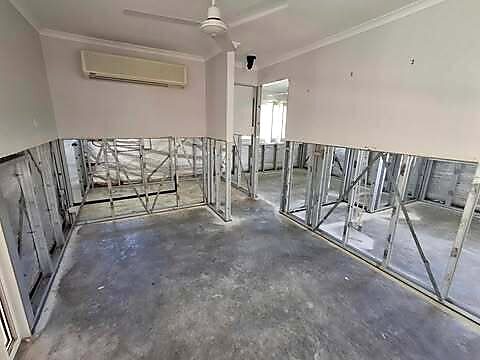
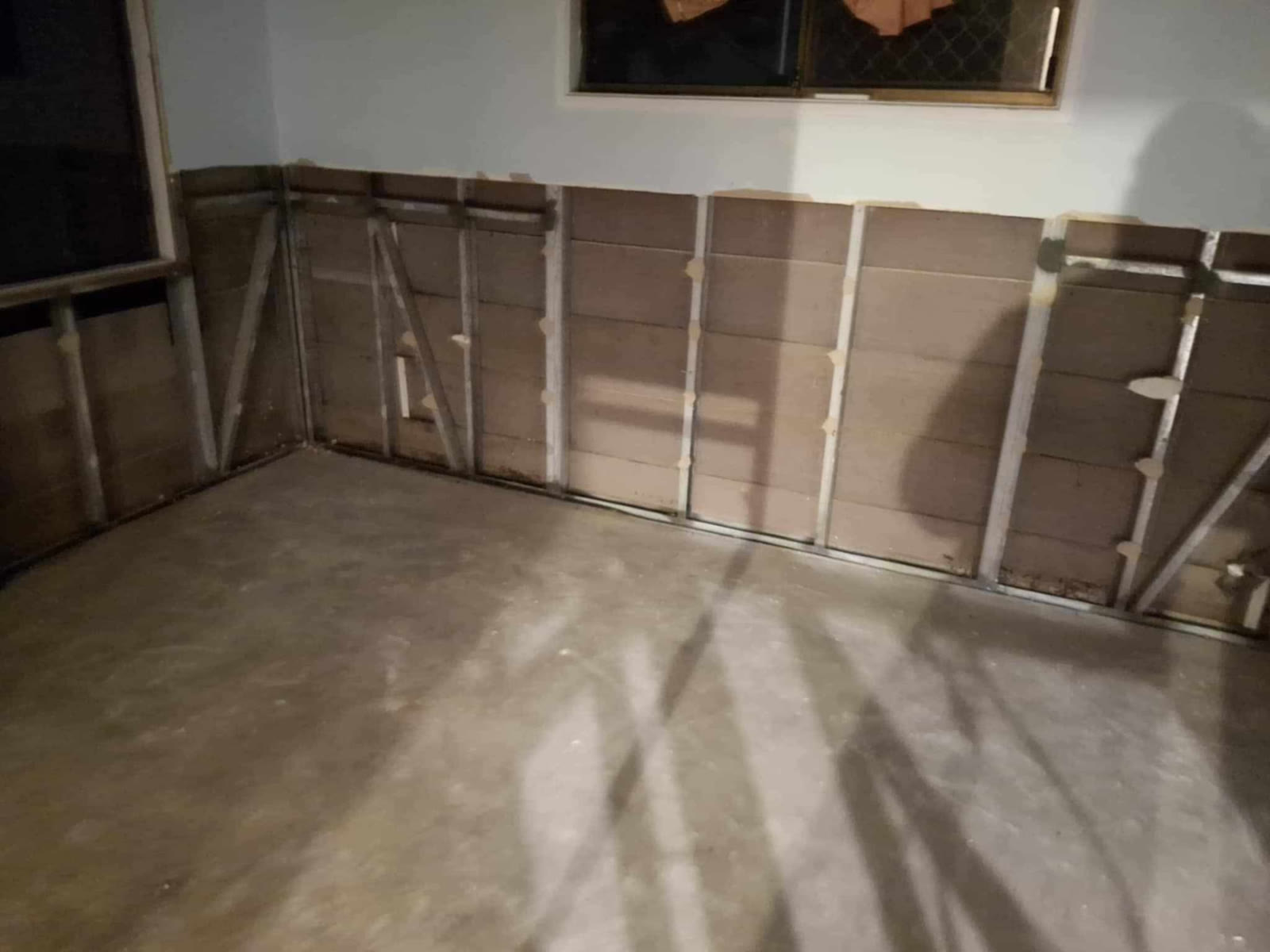
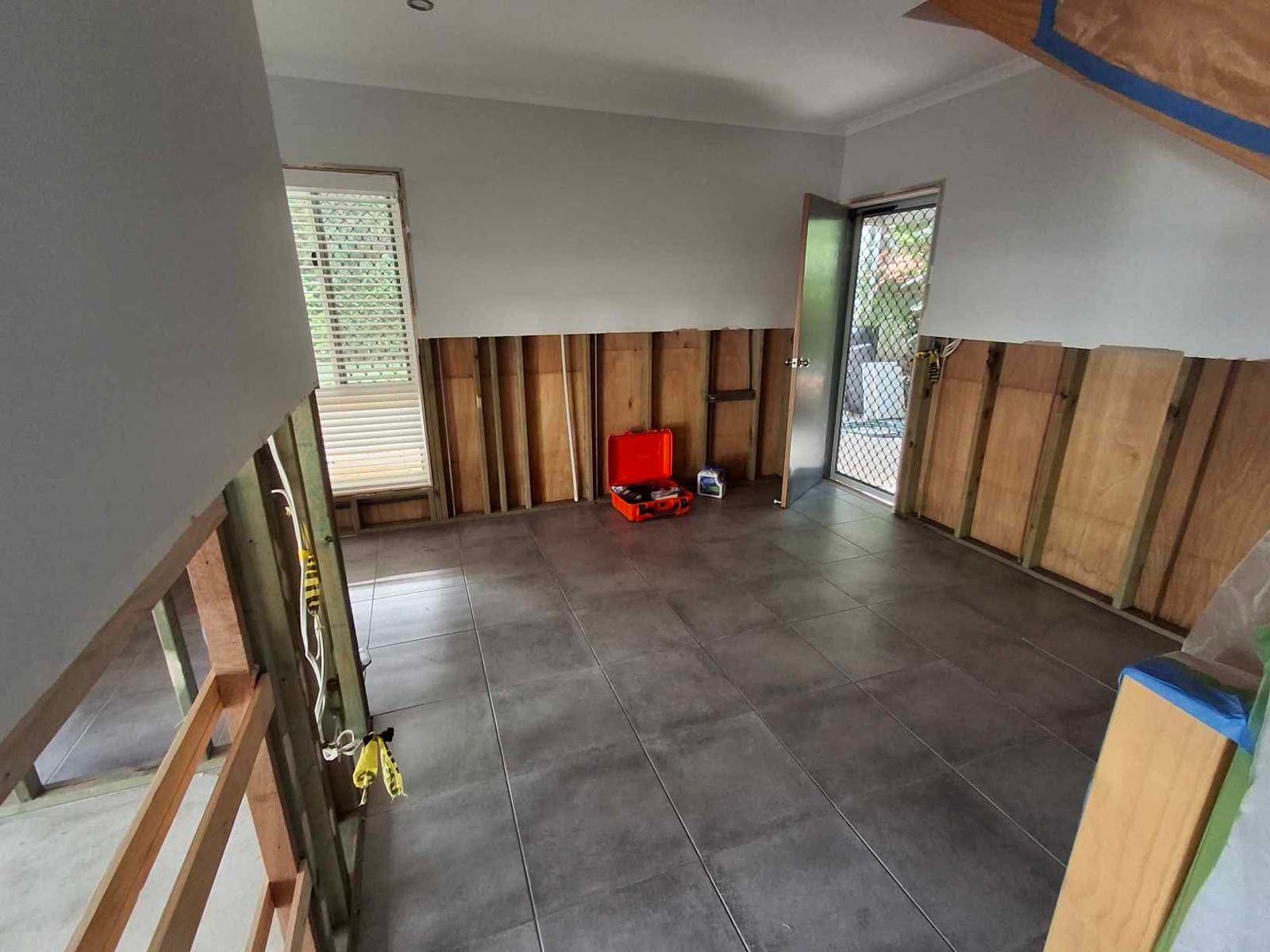
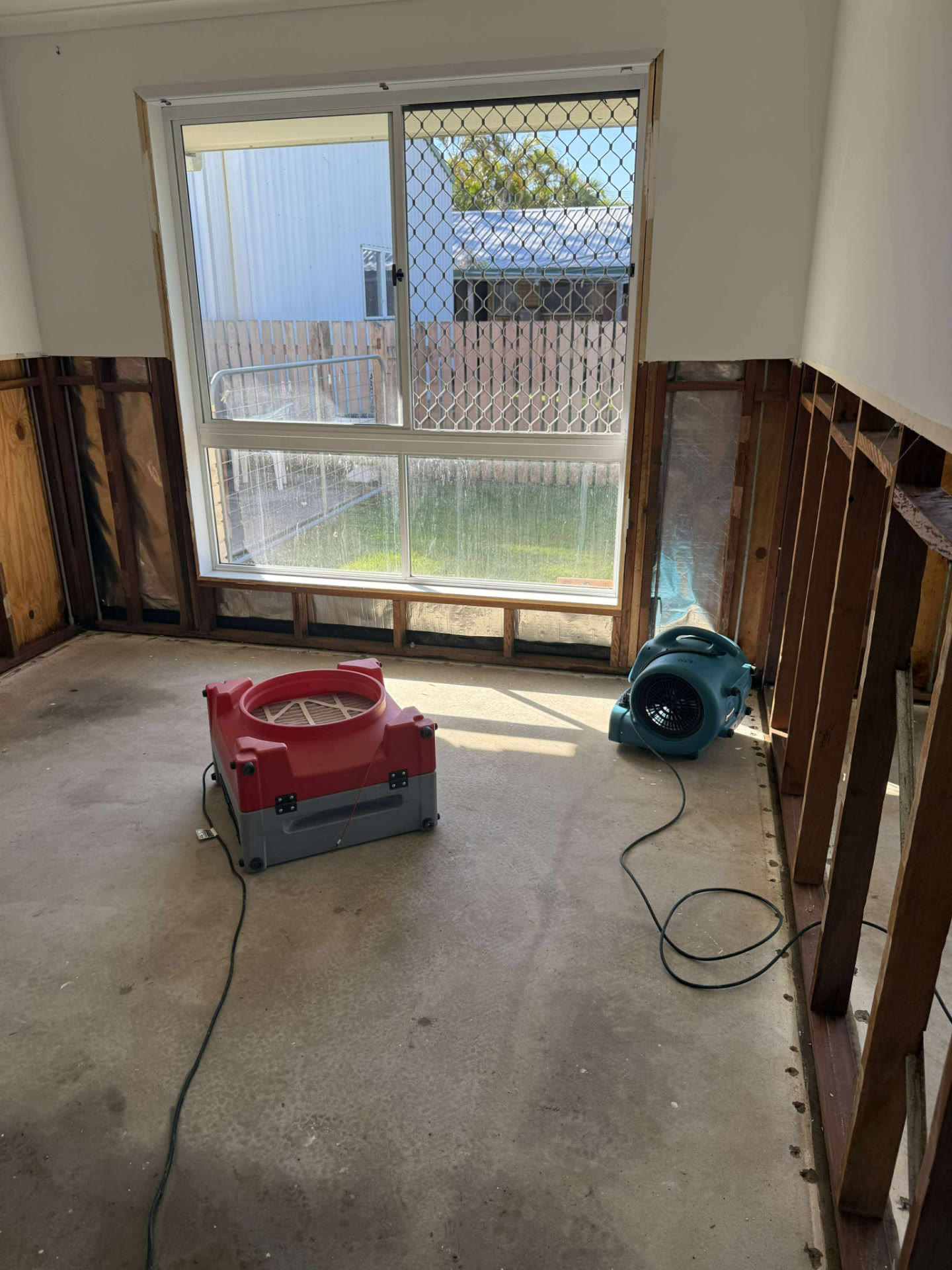
From our recent remediation jobs
Request a mould inspection or quote
Tell us what you're seeing and upload a few photos. A team member reviews every enquiry and will get back to you.
- Don't scrub, sand or pull off mouldy plasterboard — it spreads spores.
- Take clear photos of the affected areas and upload them with the form.
- Note any recent leaks, storms or plumbing work.
- In a unit or tenancy, let your strata or property manager know if the source could be shared.
Mould removal in Jacobs Well — FAQs
How do you trace hidden mould in Jacobs Well homes?
We use non-invasive moisture meters and thermal imaging cameras to track concealed moisture pockets within wall cavities, subfloors, and ceiling spaces without damaging building materials.
What steps are taken during water damage restoration after storm ingress?
We immediately extract standing water, deploy commercial air movers and dehumidifiers to stabilise relative humidity, and remove unsalvageable damp porous materials before sterilising structural elements and providing a detailed drying report.
Do you provide mould remediation for commercial properties and body corporate entities?
Yes, we work closely with commercial facility managers, body corporate committees, and landlords in Jacobs Well, delivering compliant remediation protocols, full containment, and clear documentation for insurance and compliance records.
Can mould in coastal properties affect indoor air quality?
Yes, active fungal colonisation releases microscopic spores and volatile organic compounds that can affect indoor air quality, which is why we employ HEPA air scrubbing during remediation.
What do we get when the job is finished?
Every job ends with a documented report — photos, moisture readings and a summary of the work. Independent post-remediation verification can be arranged where the scope, insurer or a hygienist requires it.

Book Your Jacobs Well Inspection
A professional inspection and a clear remediation plan from our Gold Coast team.
Photo: John Robert McPherson, CC BY-SA 4.0