

Local mould remediation · Cornubia
Professional Mould Removal Cornubia
Providing IICRC-certified mould removal and detailed moisture investigations across Cornubia, we help protect leafy residential acreage properties and local commercial facilities with professional remediation and documented reporting.
- QBCC Licence 15082064
- IICRC industry methods
- Homes, units & commercial
- Documented report every job
Photo: Kgbo, CC BY-SA 4.0
Mould Remediation & Moisture Investigations in Cornubia
Cornubia is defined by expansive residential blocks, quiet cul-de-sacs, and substantial acreage bordering the Cornubia Forest Park. With 2,715 private dwellings recorded in the 2021 Census—predominantly detached family residences—the local architecture faces unique climate challenges. Dense eucalyptus canopies reduce natural sunlight exposure, while South East Queensland's humid summer storms allow condensation and persistent damp to accumulate in crawl spaces, wall cavities, and ceiling voids throughout the suburb.
The Mould Removers delivers tailored mould remediation, water damage restoration, and thorough moisture investigations across Cornubia. Whether managing mould in single-family residences, townhouses, local retail spaces, or body corporate complexes, we apply IICRC-aligned standards to diagnose the root cause of moisture ingress. Using advanced thermal imaging, calibrated moisture meters, and HEPA air filtration, our technicians safely contain fungal growth, restore affected building materials, and provide a comprehensive documented documented report for complete peace of mind.
Book a Mould Inspection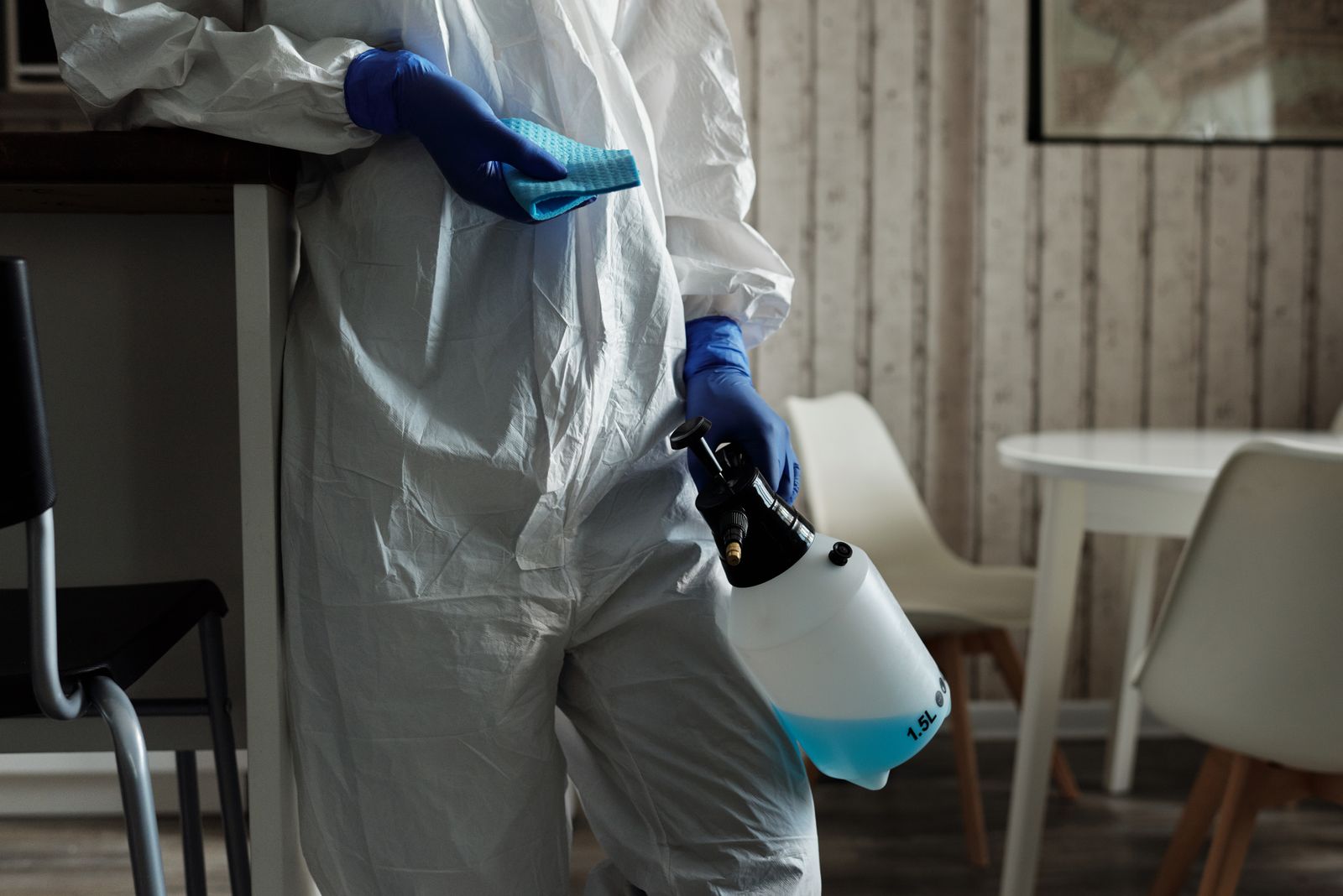
Common signs of mould
- Musty or earthy odours lingering in closed rooms, robes, or subfloors.
- Dark staining or discolouration on gyprock ceilings and cornice lines.
- Surface bloom appearing on timber furniture, cabinetry, or leather goods.
- Peeling paintwork or warped timber architraves caused by moisture build-up.
- Visible damp patches following severe storms or hidden plumbing failures.
- Condensation continually pooling along window panes and aluminium joinery.
Our Mould Remediation Services in Cornubia
 Illustrative image
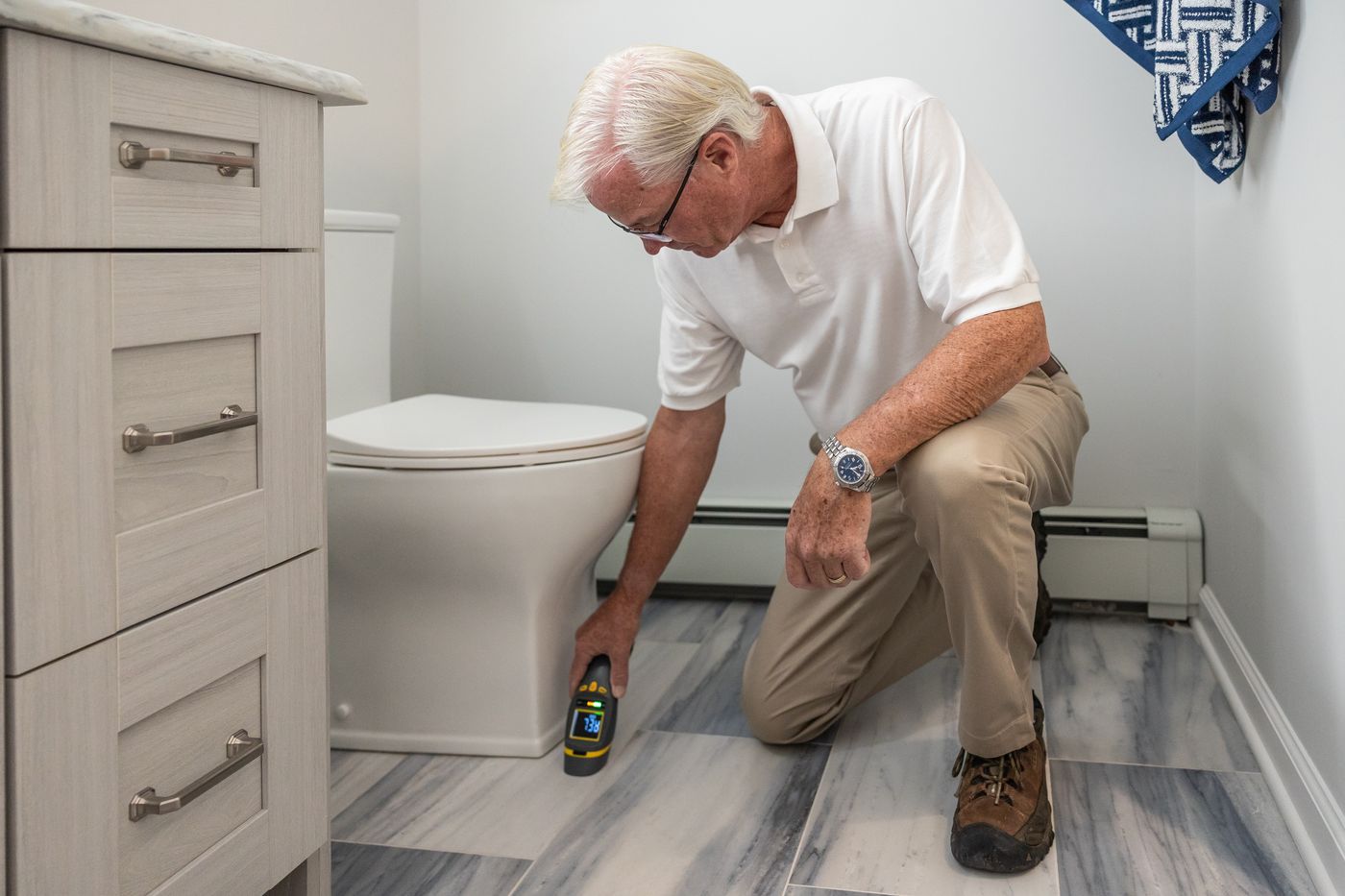
Mould Inspections & Moisture Investigations
Visual assessment, moisture readings and thermal imaging to find the water behind mould in Cornubia homes, units and commercial premises. Sampling, where needed, is arranged with an independent hygienist.
Learn more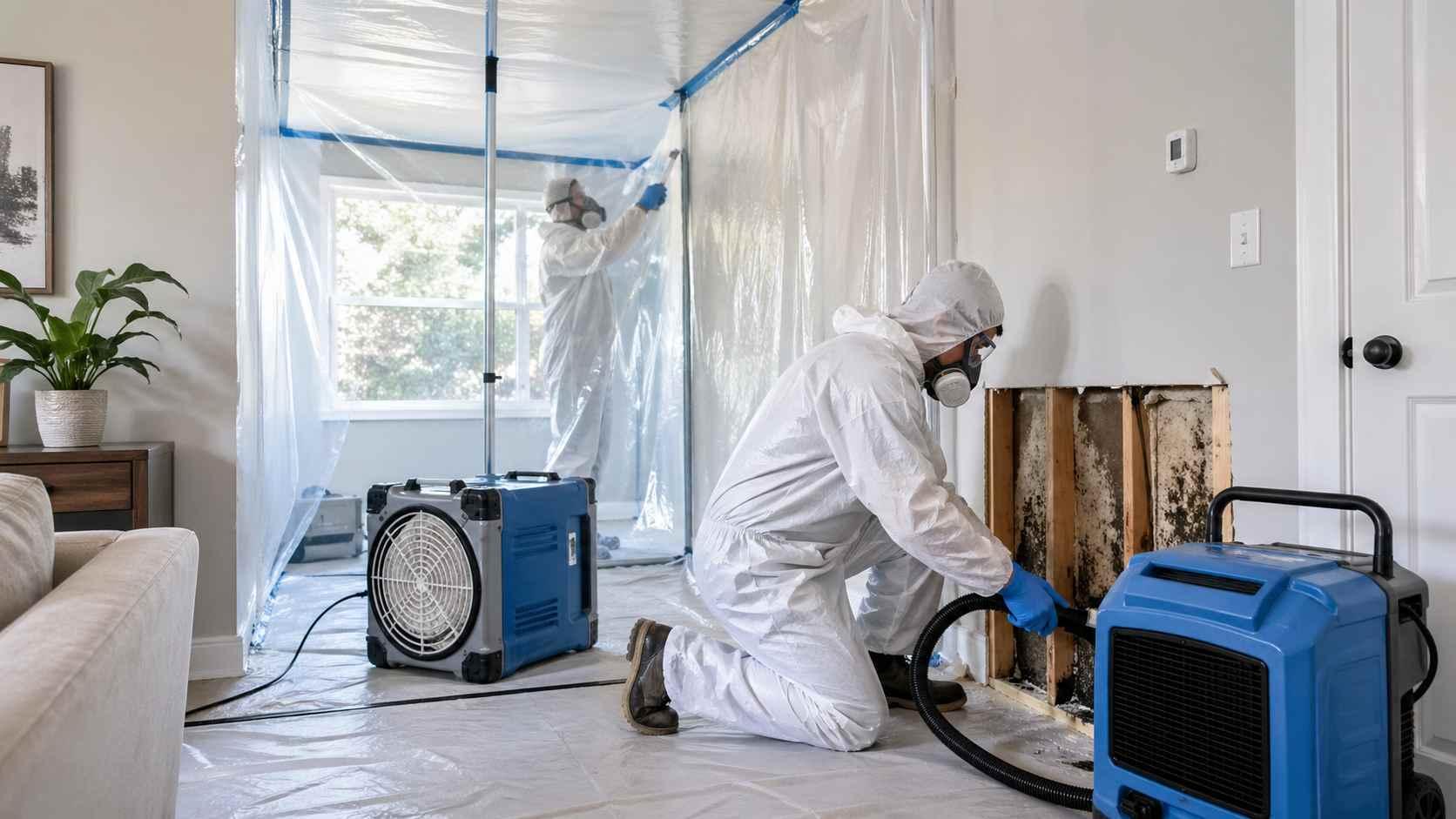 Illustrative image
Residential & Commercial Mould Removal
Controlled removal of mould-affected plasterboard, ceilings, insulation and fittings, planned around occupants, tenants and body corporate requirements.
Learn more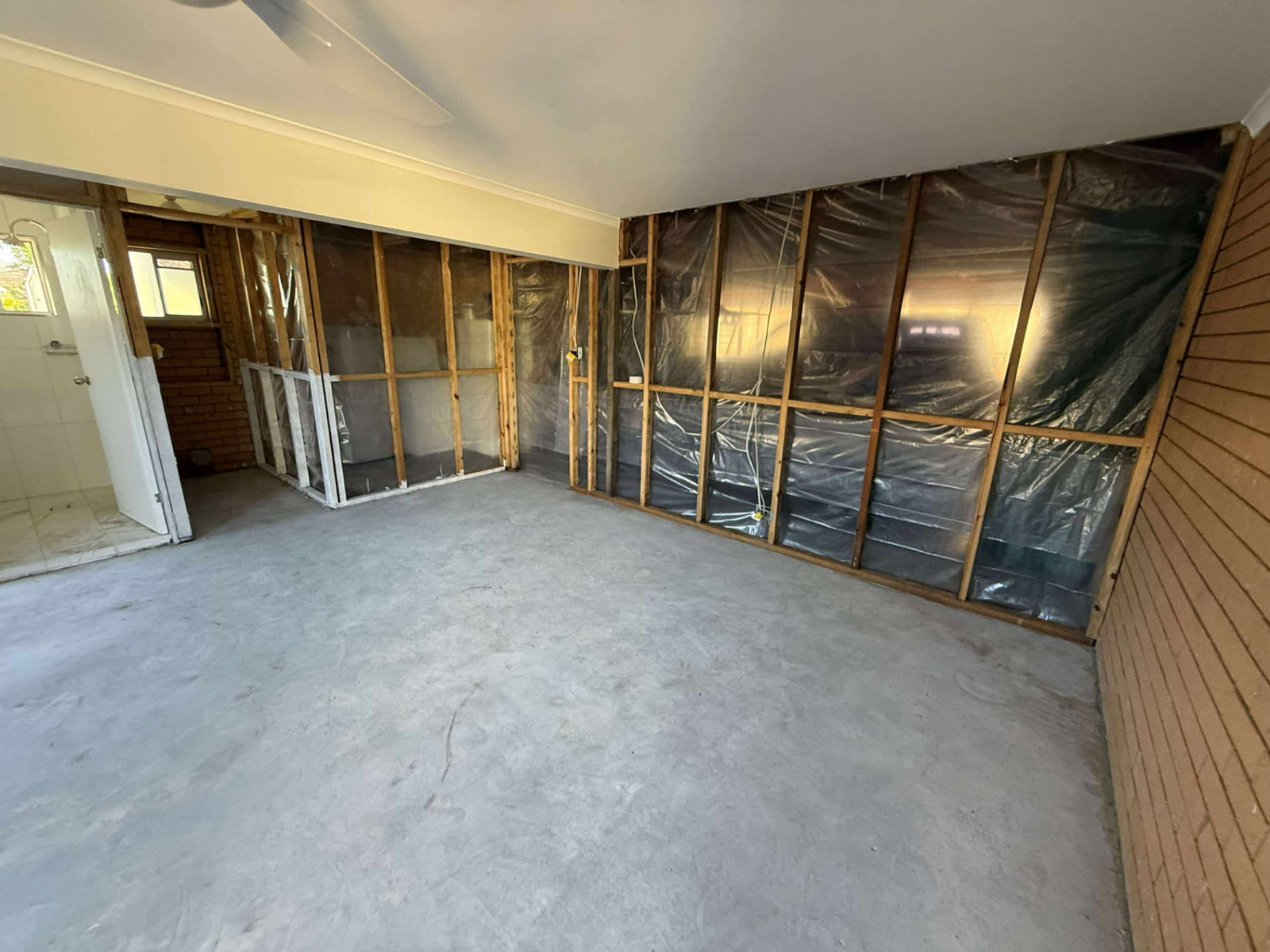
Containment & HEPA Air Filtration
Plastic barriers and HEPA air scrubbers to reduce the spread of spores beyond the work area. The containment plan depends on the property and scope.
Learn more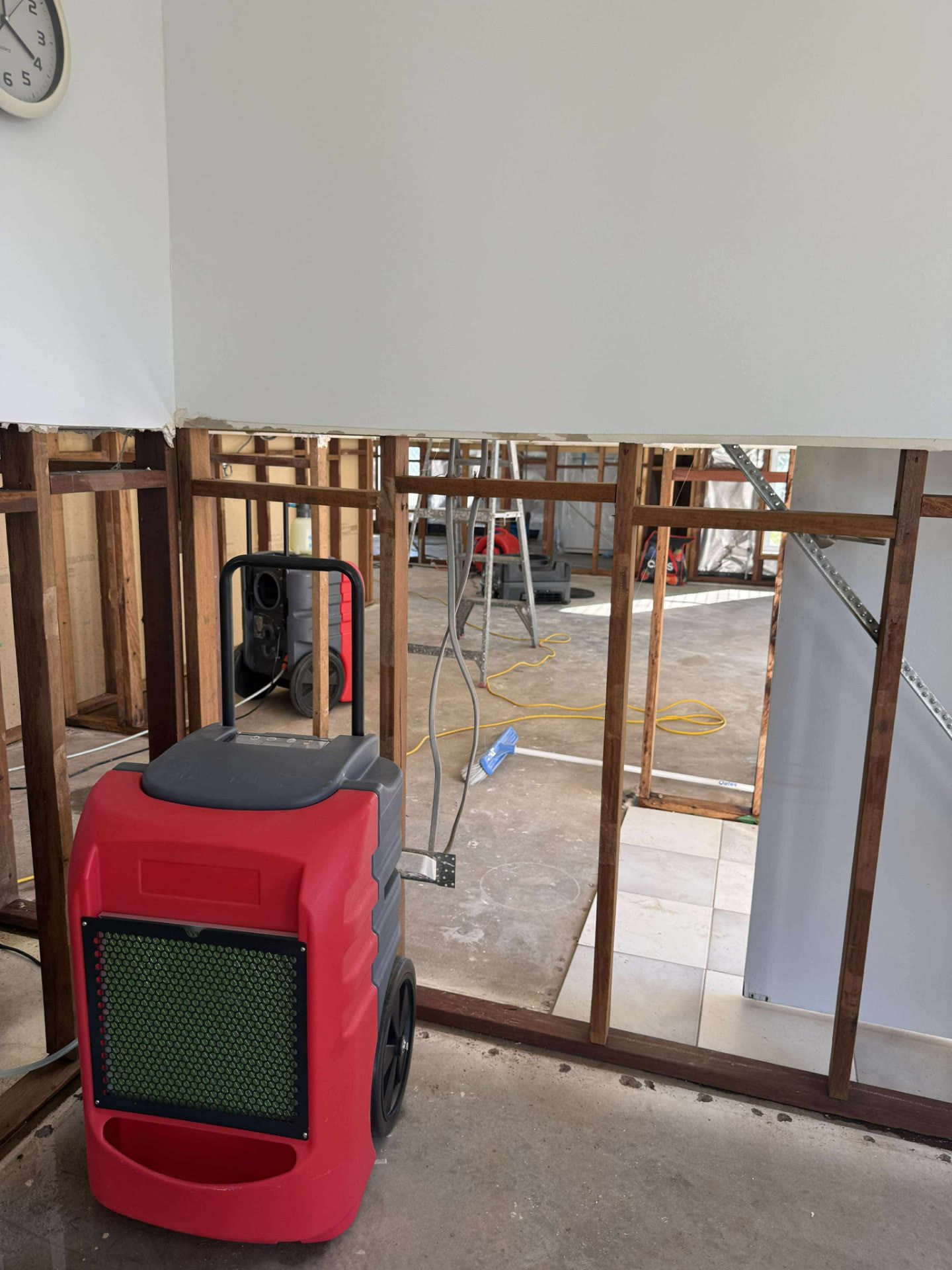
Water Damage & Structural Drying
Water damage restoration in Cornubia after roof leaks, plumbing leaks, storms or actual flooding, with structural drying monitored by moisture readings.
Learn moreFor leak-affected framing and ceilings, see our structural drying and moisture monitoring. We also support insurance and commercial remediation projects, with independent hygienist assessments and testing arranged where needed.
How we work
Our Mould Remediation Process
- 1
Inspection & Assessment
We talk through the history, take moisture readings and thermal images, and confirm what's feeding the mould.
- 2
Containment & Air Filtration
Where the scope needs it, we seal the work area and run HEPA air filtration to protect the rest of the property.
- 3
Remediation & Cleaning
Contaminated porous materials are removed and salvageable surfaces are HEPA-vacuumed and cleaned.
- 4
Drying, Verification & Recommendations
Structural drying, final moisture readings and a documented report with photos and advice to stop it returning.
Not every step is needed on every job — we explain the proposed scope before work begins. Independent clearance testing can be arranged where the scope, insurer or a hygienist requires it.
Why Choose The Mould Removers in Cornubia?
- Source first. We confirm the moisture source with readings and thermal imaging before we quote removal.
- Professional equipment. HEPA air scrubbers, commercial dehumidifiers, air movers and moisture meters on every job that needs them.
- Clear communication. You'll know the scope, what's being removed and why before work starts.
- Detailed reporting. Every job ends with a documented report — photos, moisture readings and a summary of the work.
- Homes and commercial premises. Houses, units, strata buildings, offices and workshops, including insurance and builder-managed jobs.
 Illustrative image
Cornubia Moisture & Environmental Factors
These are inspection considerations, not a diagnosis of every property. We assess likely contributing conditions on site and explain any limitations or further investigations needed.
Dense Bushland Canopy
Heavily shaded blocks near Cornubia Forest retain ambient humidity, slowing down evaporation around residential perimeters.
Large Family Properties
Expansive floorplans with ducted air conditioning frequently encounter condensation imbalances across split-level and slab-on-ground homes.
Subfloor & Perimeter Damp
Sloping allotments can direct stormwater towards building footings, leading to persistent moisture beneath raised timber floors.
Local Commercial & Strata
Community venues, local offices, and townhouse schemes require structured remediation reporting to meet property compliance obligations.
Our work
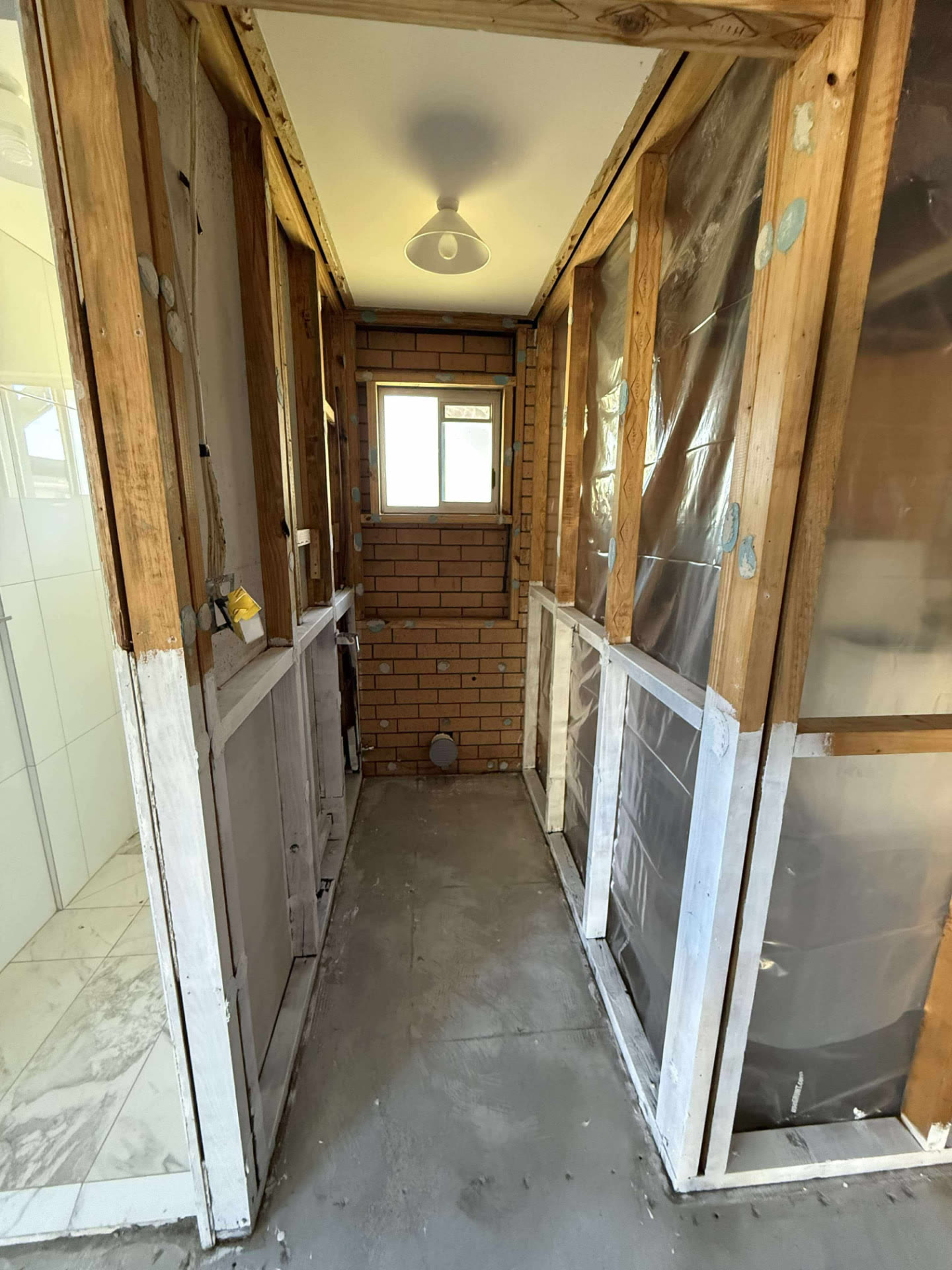
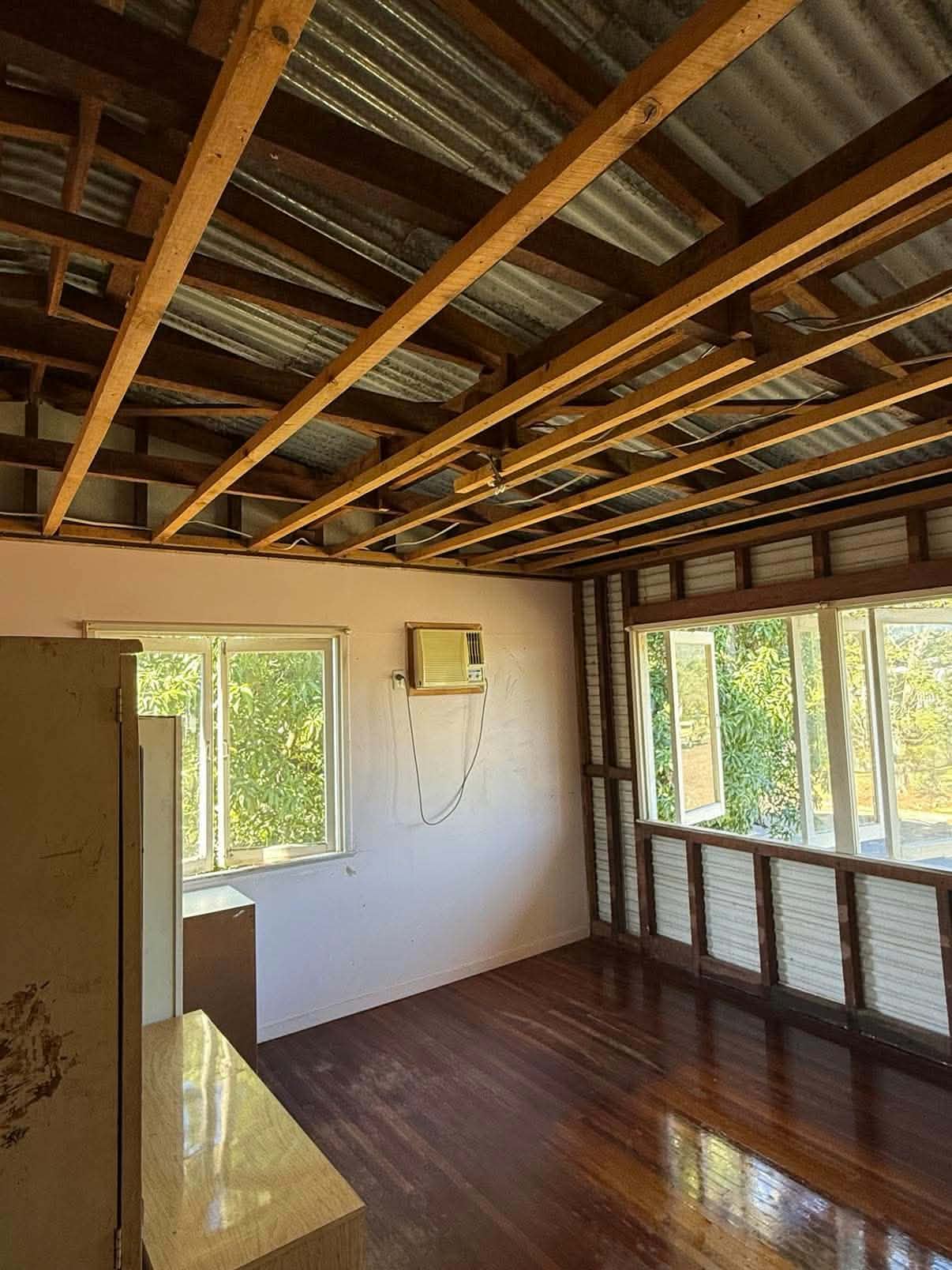
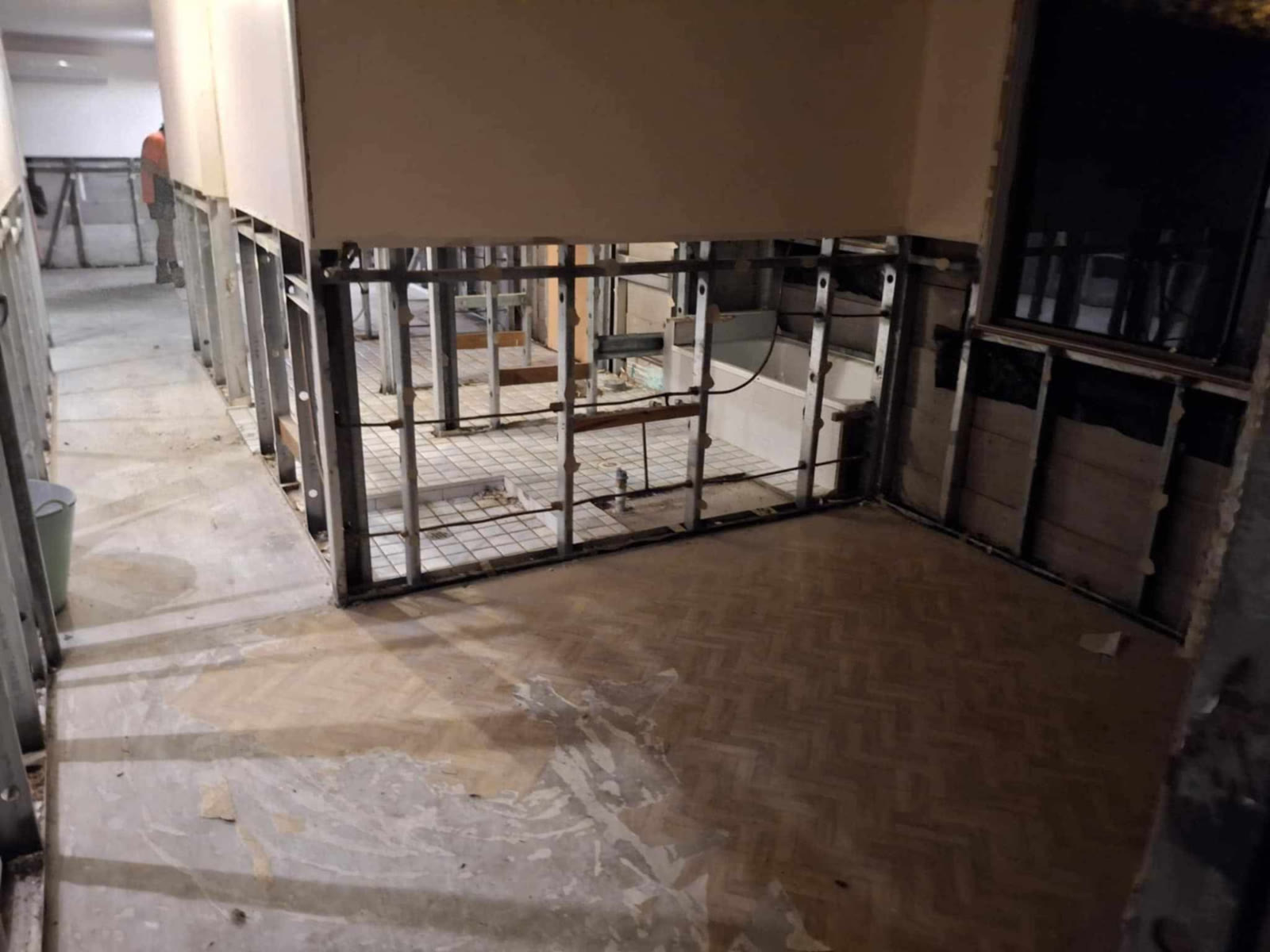
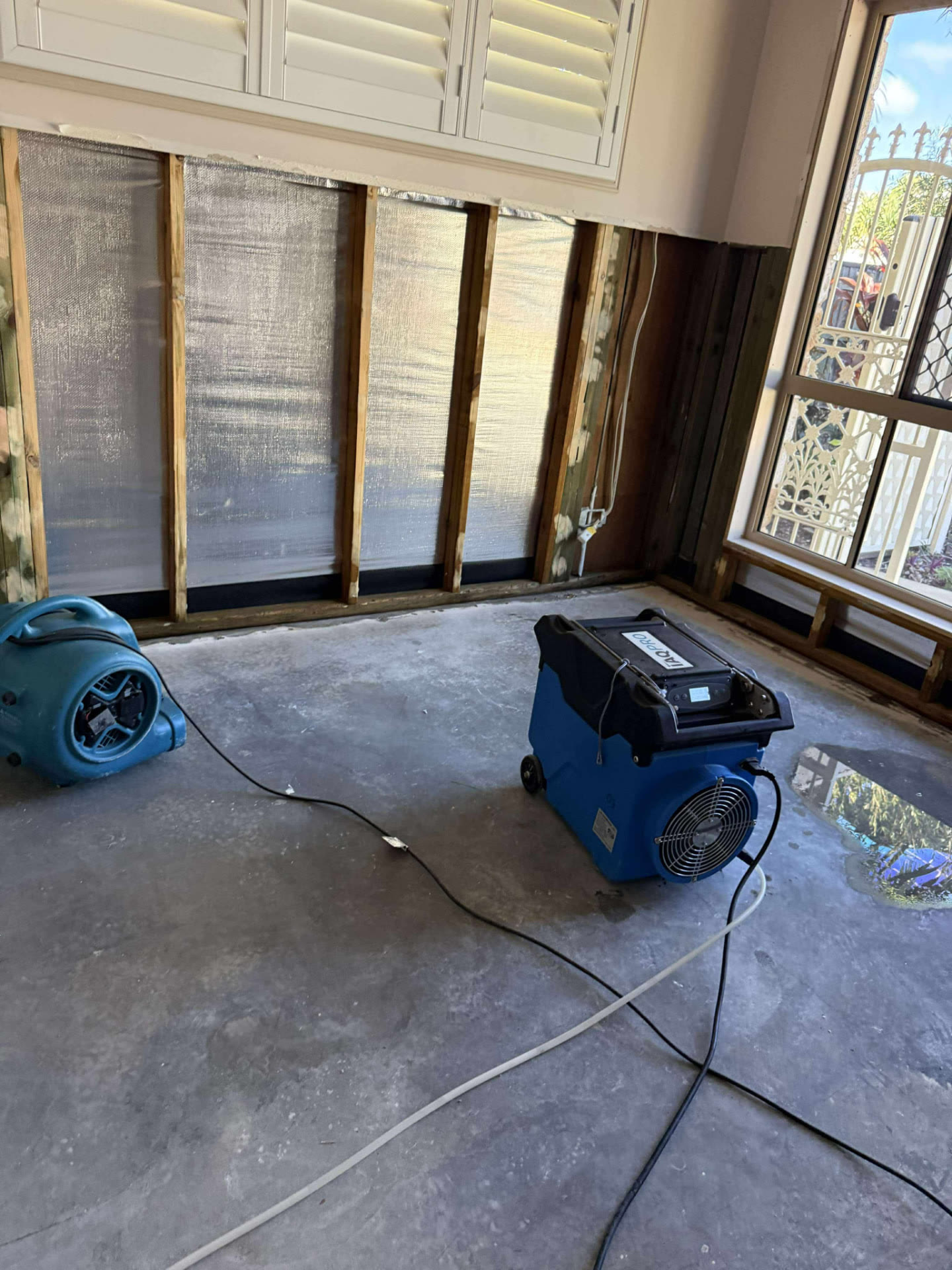
From our recent remediation jobs
Request a mould inspection or quote
Tell us what you're seeing and upload a few photos. A team member reviews every enquiry and will get back to you.
- Don't scrub, sand or pull off mouldy plasterboard — it spreads spores.
- Take clear photos of the affected areas and upload them with the form.
- Note any recent leaks, storms or plumbing work.
- In a unit or tenancy, let your strata or property manager know if the source could be shared.
Mould removal in Cornubia — FAQs
Why is mould common in leafy Cornubia properties?
Cornubia's established tree canopy and bushland backdrop reduce airflow and direct sunlight on external walls and roofs. During prolonged humid spells, moisture remains trapped against building envelopes, creating ideal conditions for fungal spores to colonise indoor surfaces if ventilation is insufficient.
How do you handle water damage restoration after storm ingress or burst pipes?
We respond to water damage by identifying the source, extracting standing water, and deploying commercial desiccant dehumidifiers and air movers. We conduct continuous moisture tracking across building materials, followed by antimicrobial treatment and full documentation to prevent structural degradation and secondary mould growth.
Do you provide mould remediation for body corporate properties in Cornubia?
Yes. While standalone houses dominate Cornubia, we inspect and remediate townhouses and multi-unit complexes under body corporate management. We clearly distinguish between common property issues and lot-owner maintenance, providing independent moisture investigations and comprehensive written reports for committee review.
Will air conditioning systems spread mould spores throughout the home?
If ducted or split-system air conditioning units accumulate dust and condensation, spores can circulate across multiple rooms. We inspect HVAC return air plenums and filtration points during our moisture investigation to determine whether the system is contributing to cross-contamination.
What do we get when the job is finished?
Every job ends with a documented report — photos, moisture readings and a summary of the work. Independent post-remediation verification can be arranged where the scope, insurer or a hygienist requires it.

Book a Cornubia Mould Inspection
A professional inspection and a clear remediation plan from our Logan and Brisbane team.
Photo: Shiftchange, CC0