

Local mould remediation · Logan Reserve
Professional Mould Removal Logan Reserve
Providing IICRC-certified mould remediation, moisture detection, and water damage recovery for modern family homes, rental properties, and residential estates across Logan Reserve and the surrounding Logan River corridor.
- QBCC Licence 15082064
- IICRC industry methods
- Homes, units & commercial
- Documented report every job
Photo: Kerry Raymond, CC BY 4.0
Mould Remediation & Moisture Investigations in Logan Reserve
Logan Reserve has experienced rapid growth, transitioning from rural acreage into vibrant residential developments alongside the Logan River. Contemporary slab-on-ground brick homes and modern townhouses often feature tight thermal envelopes designed for energy efficiency. In South East Queensland's humid subtropical climate, closed windows and continuous air conditioning can trap ambient indoor moisture. When paired with heavy storm seasons, poorly drained perimeters, or inadequate ventilation, internal humidity quickly creates favourable conditions for mould growth on plasterboard, joinery, and ceiling cavities.
We provide professional mould removal and moisture diagnostic services for freestanding residences, investment properties, and body corporate communities throughout Logan Reserve. Our technicians utilise non-invasive thermal imaging and calibrated moisture meters to uncover hidden water intrusion without causing unnecessary property damage. Whether resolving recurring bathroom condensation, addressing ducted air conditioning imbalances, or responding to water damage where actual water entry has occurred, we restore affected spaces thoroughly. Every project concludes with an extensive written report documenting findings and long-term prevention advice.
Book a Mould Inspection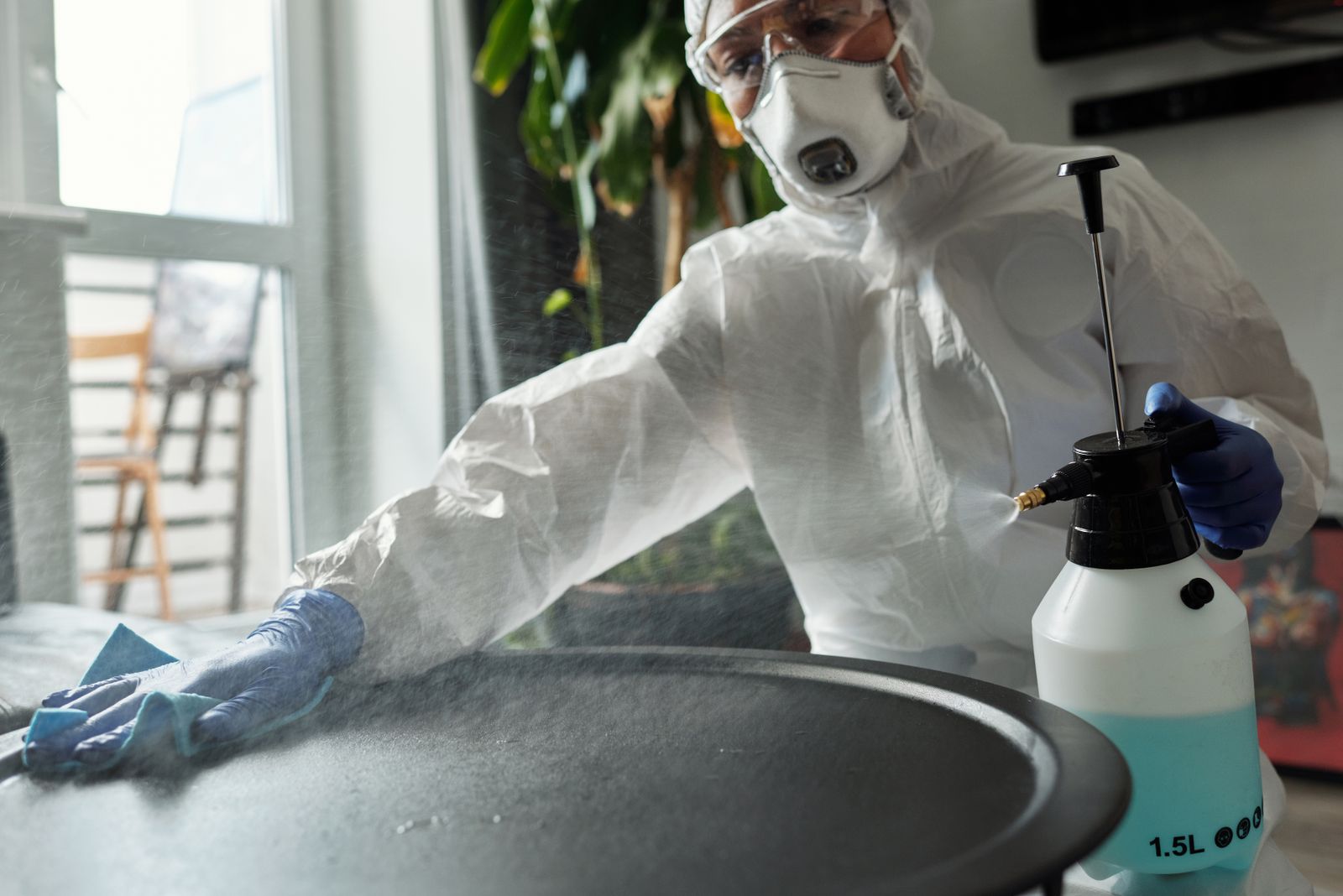
Common signs of mould
- Musty odours circulating through ducted heating and cooling vents
- Visible fungal speckling across lower skirting boards and door frames
- Surface mould forming behind wardrobes placed against external walls
- Persistent window condensation during humid South East Queensland mornings
- Warping, cupping, or damp patches in timber laminate and vinyl flooring
- Dark shadowing or discolouration on plasterboard ceilings and cornices
Our Mould Remediation Services in Logan Reserve
 Illustrative image
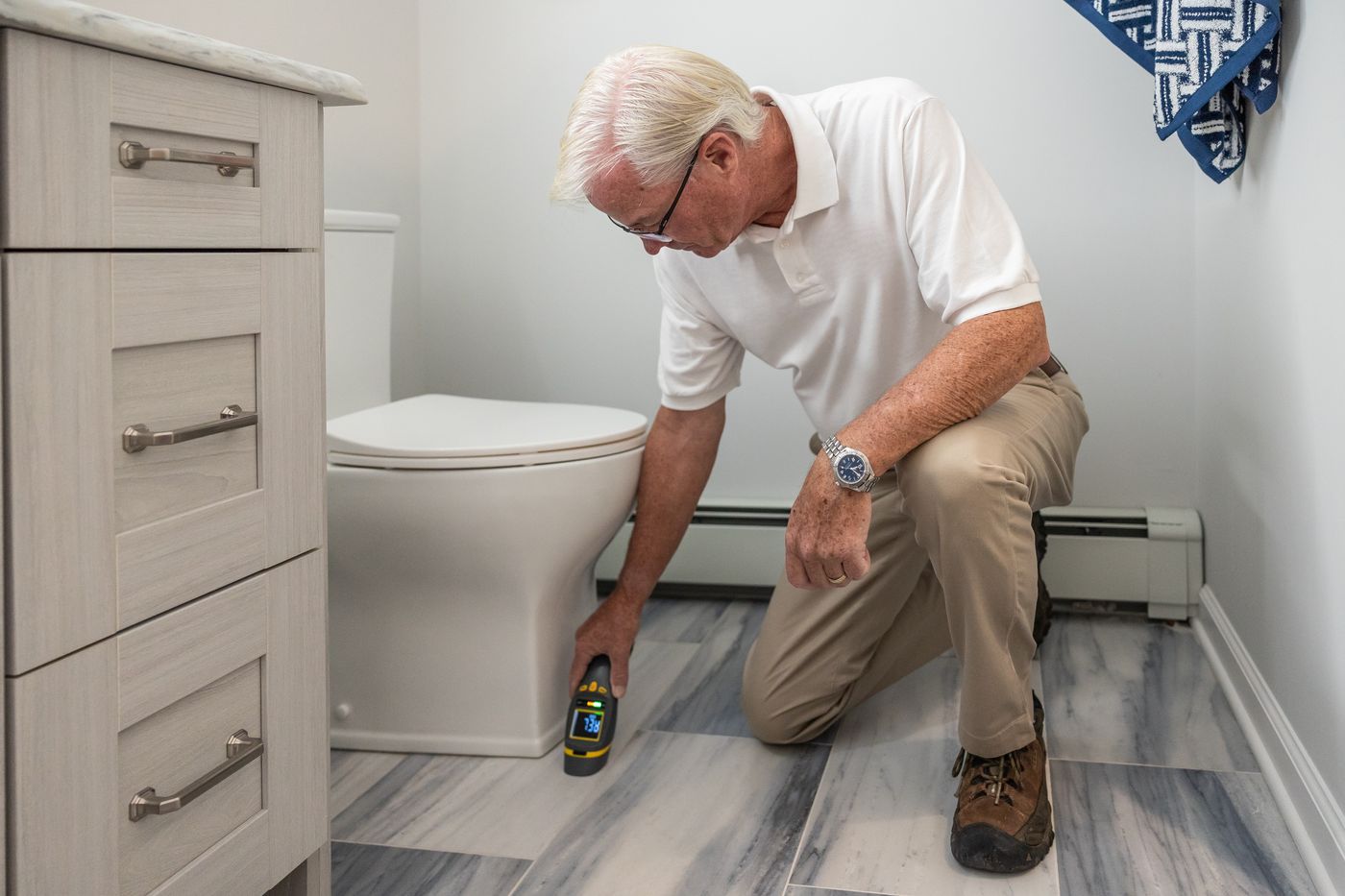
Mould Inspections & Moisture Investigations
Visual assessment, moisture readings and thermal imaging to find the water behind mould in Logan Reserve homes, units and commercial premises. Sampling, where needed, is arranged with an independent hygienist.
Learn more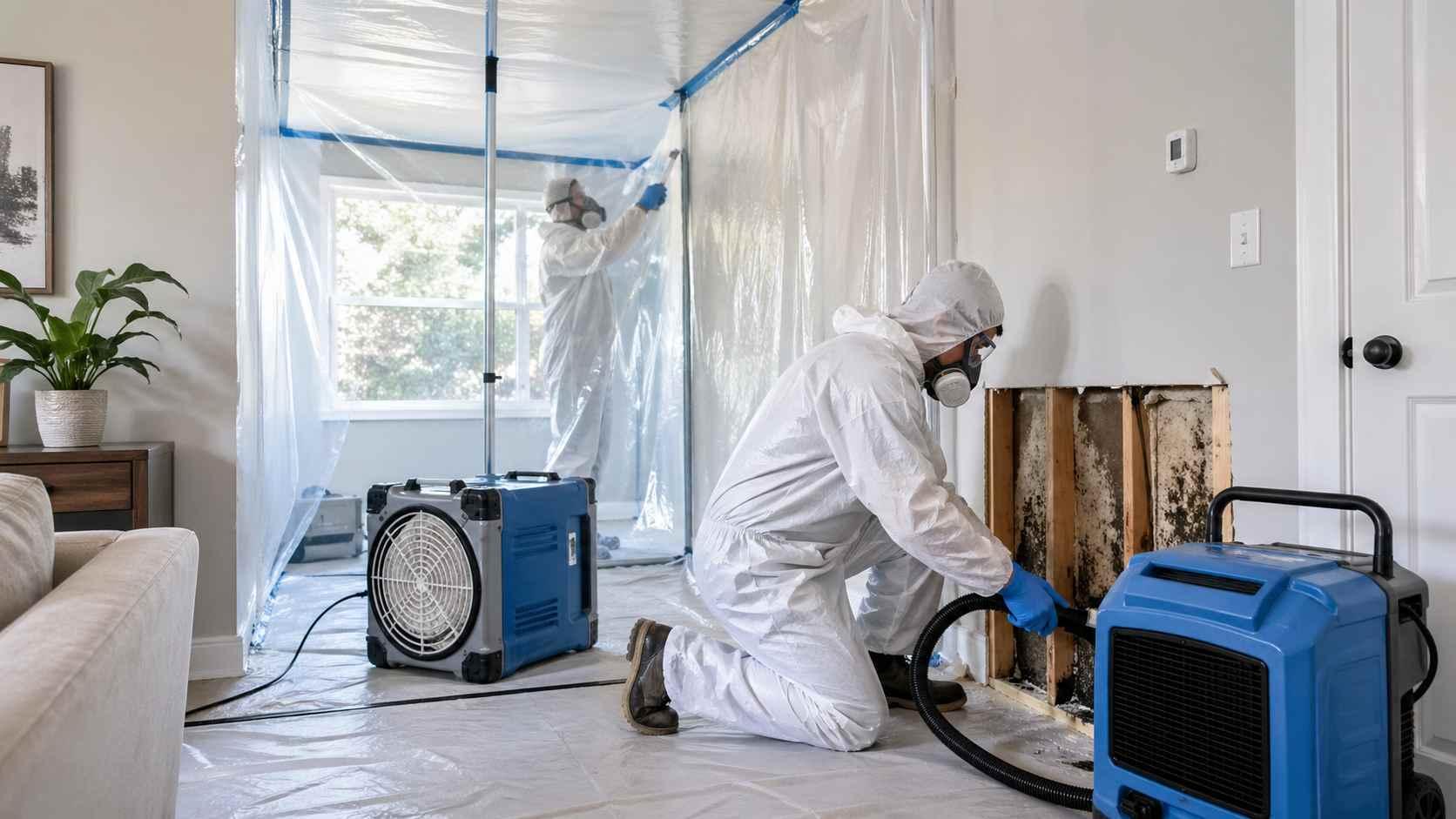 Illustrative image
Residential & Commercial Mould Removal
Controlled removal of mould-affected plasterboard, ceilings, insulation and fittings, planned around occupants, tenants and body corporate requirements.
Learn more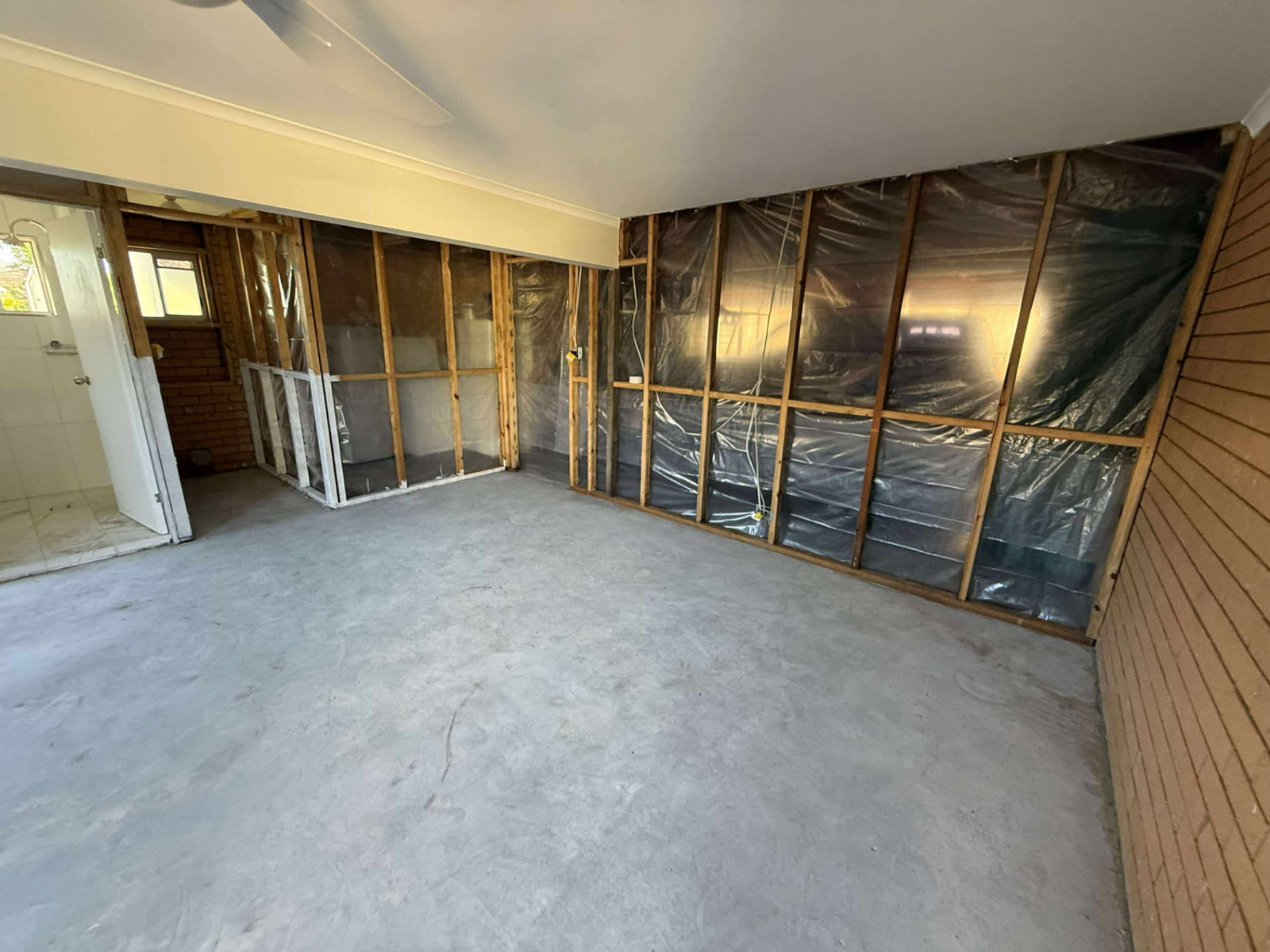
Containment & HEPA Air Filtration
Plastic barriers and HEPA air scrubbers to reduce the spread of spores beyond the work area. The containment plan depends on the property and scope.
Learn more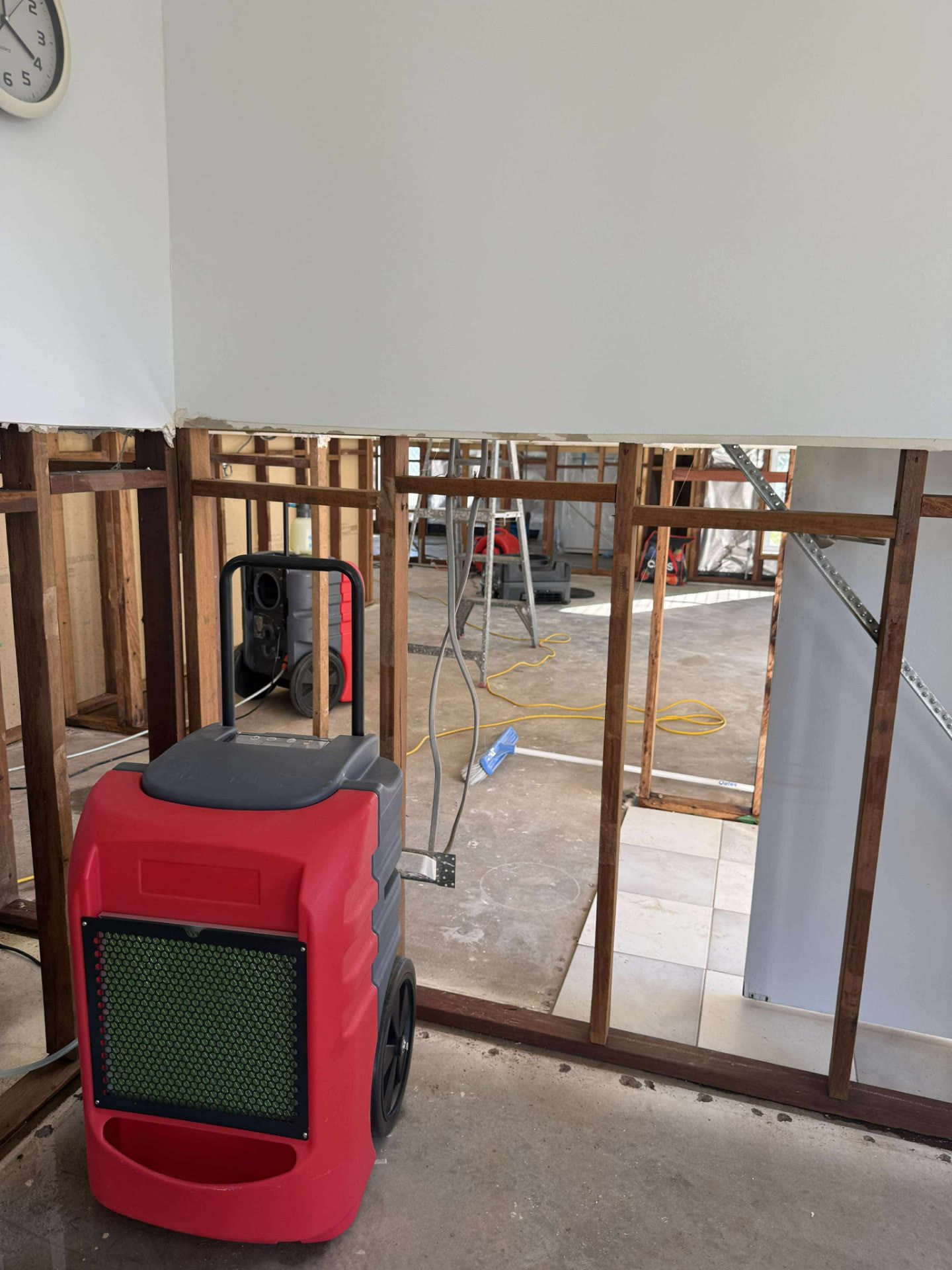
Water Damage & Structural Drying
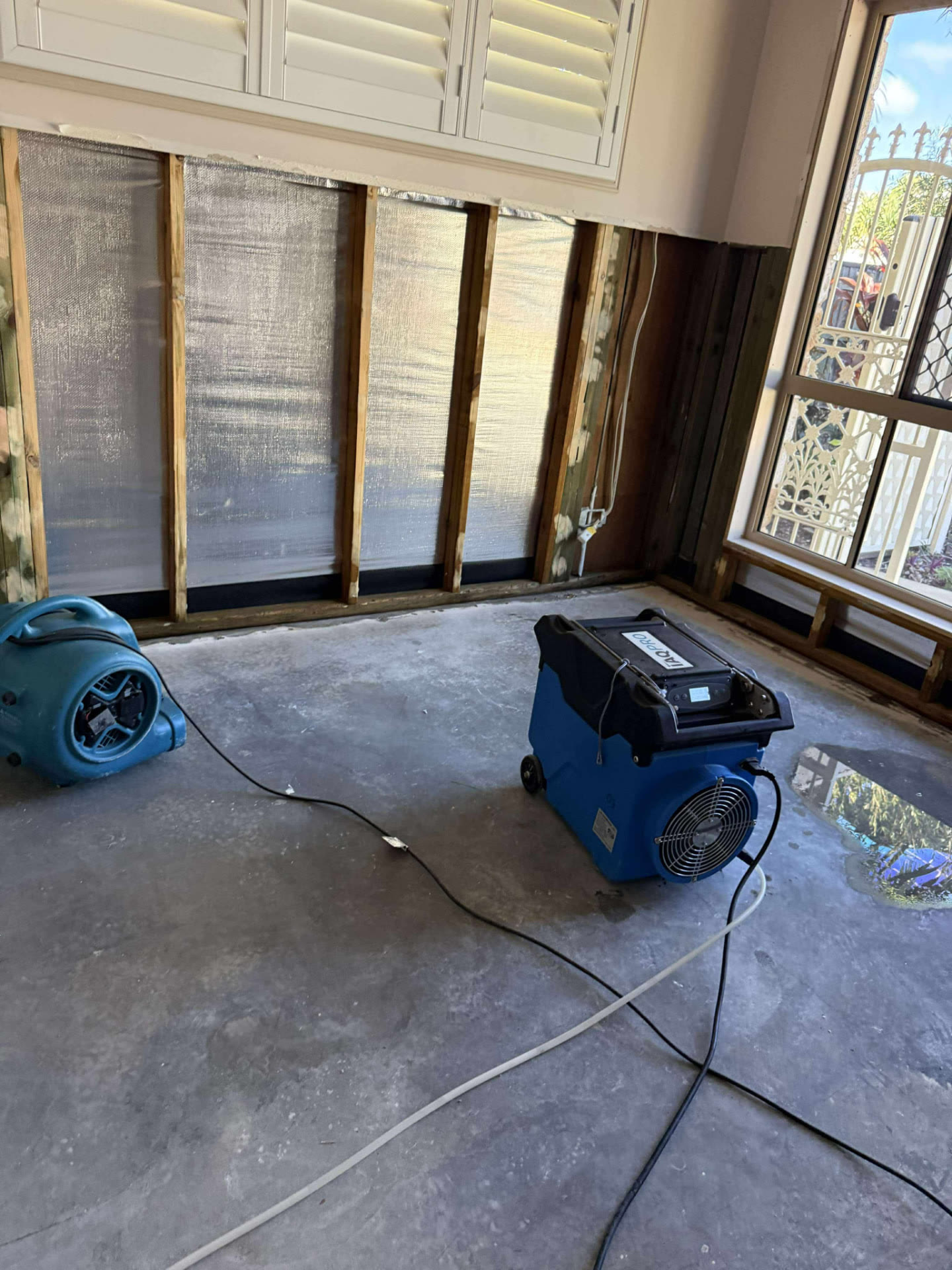
Water damage restoration in Logan Reserve after roof leaks, plumbing leaks, storms or actual flooding, with structural drying monitored by moisture readings.
Learn moreFor leak-affected framing and ceilings, see our structural drying and moisture monitoring. We also support insurance and commercial remediation projects, with independent hygienist assessments and testing arranged where needed.
How we work
Our Mould Remediation Process
- 1
Inspection & Assessment
We talk through the history, take moisture readings and thermal images, and confirm what's feeding the mould.
- 2
Containment & Air Filtration
Where the scope needs it, we seal the work area and run HEPA air filtration to protect the rest of the property.
- 3
Remediation & Cleaning
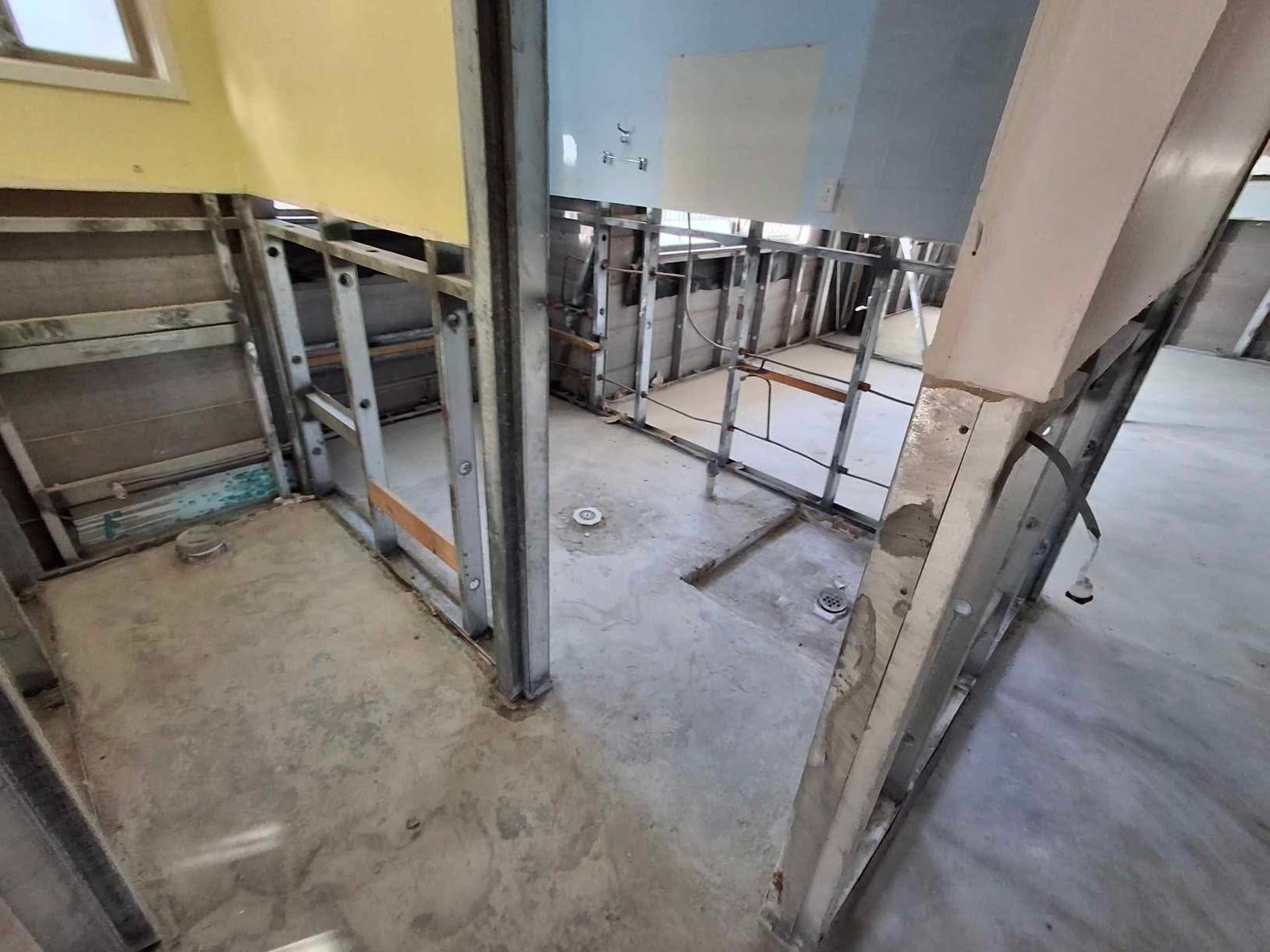
Contaminated porous materials are removed and salvageable surfaces are HEPA-vacuumed and cleaned.
- 4
Drying, Verification & Recommendations
Structural drying, final moisture readings and a documented report with photos and advice to stop it returning.
Not every step is needed on every job — we explain the proposed scope before work begins. Independent clearance testing can be arranged where the scope, insurer or a hygienist requires it.
Why Choose The Mould Removers in Logan Reserve?
- Source first. We confirm the moisture source with readings and thermal imaging before we quote removal.
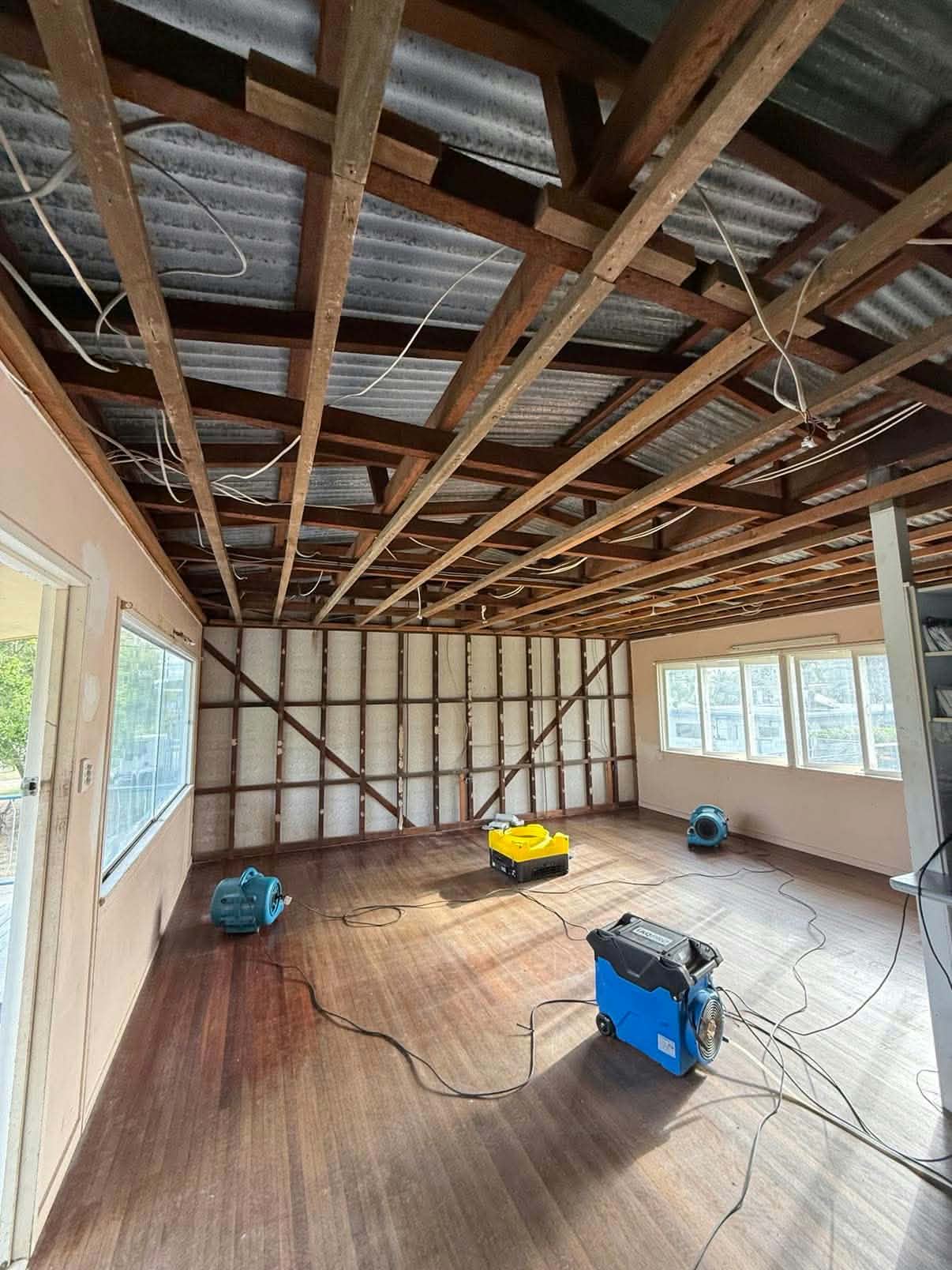
- Professional equipment. HEPA air scrubbers, commercial dehumidifiers, air movers and moisture meters on every job that needs them.
- Clear communication. You'll know the scope, what's being removed and why before work starts.
- Detailed reporting. Every job ends with a documented report — photos, moisture readings and a summary of the work.
- Homes and commercial premises. Houses, units, strata buildings, offices and workshops, including insurance and builder-managed jobs.
 Illustrative image
Targeted Moisture Solutions for Logan Reserve Properties
These are inspection considerations, not a diagnosis of every property. We assess likely contributing conditions on site and explain any limitations or further investigations needed.
New Master-Planned Estates
Modern slab-on-ground residences require balanced airflow strategies to stop high indoor humidity condensing within sealed living areas.
Logan River Catchment
Subdivisions situated near local river waterways experience heightened ambient relative humidity that slows natural building drying times.
Rental & Strata Portfolios
With a high local rental share, our documented documented reports provide owners and property managers with clear, objective liability records.
Subtropical Storm Runoff
Intense seasonal downpours can pool against low slab foundations, drawing unwanted moisture upward through porous building materials.
Our work
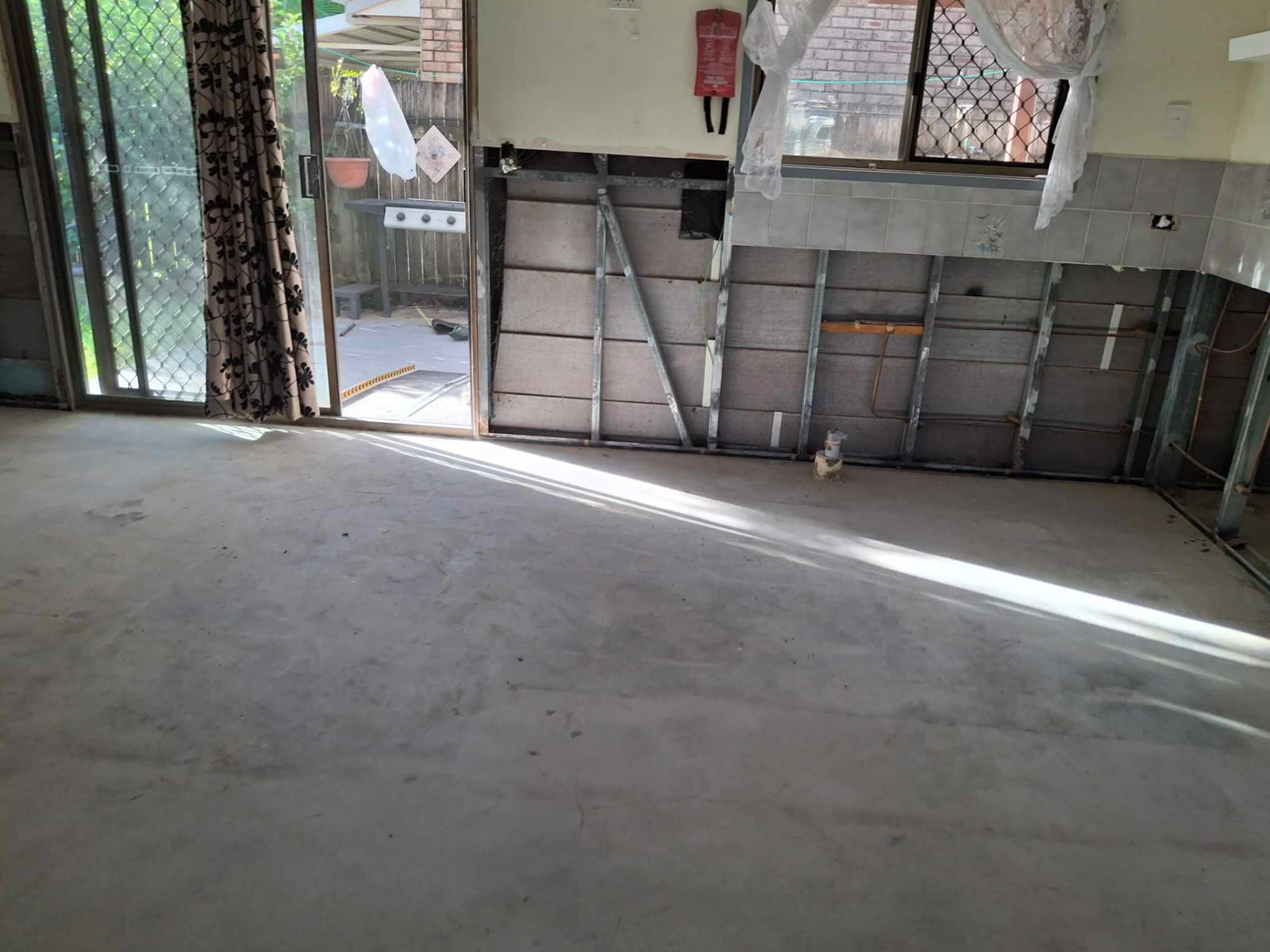
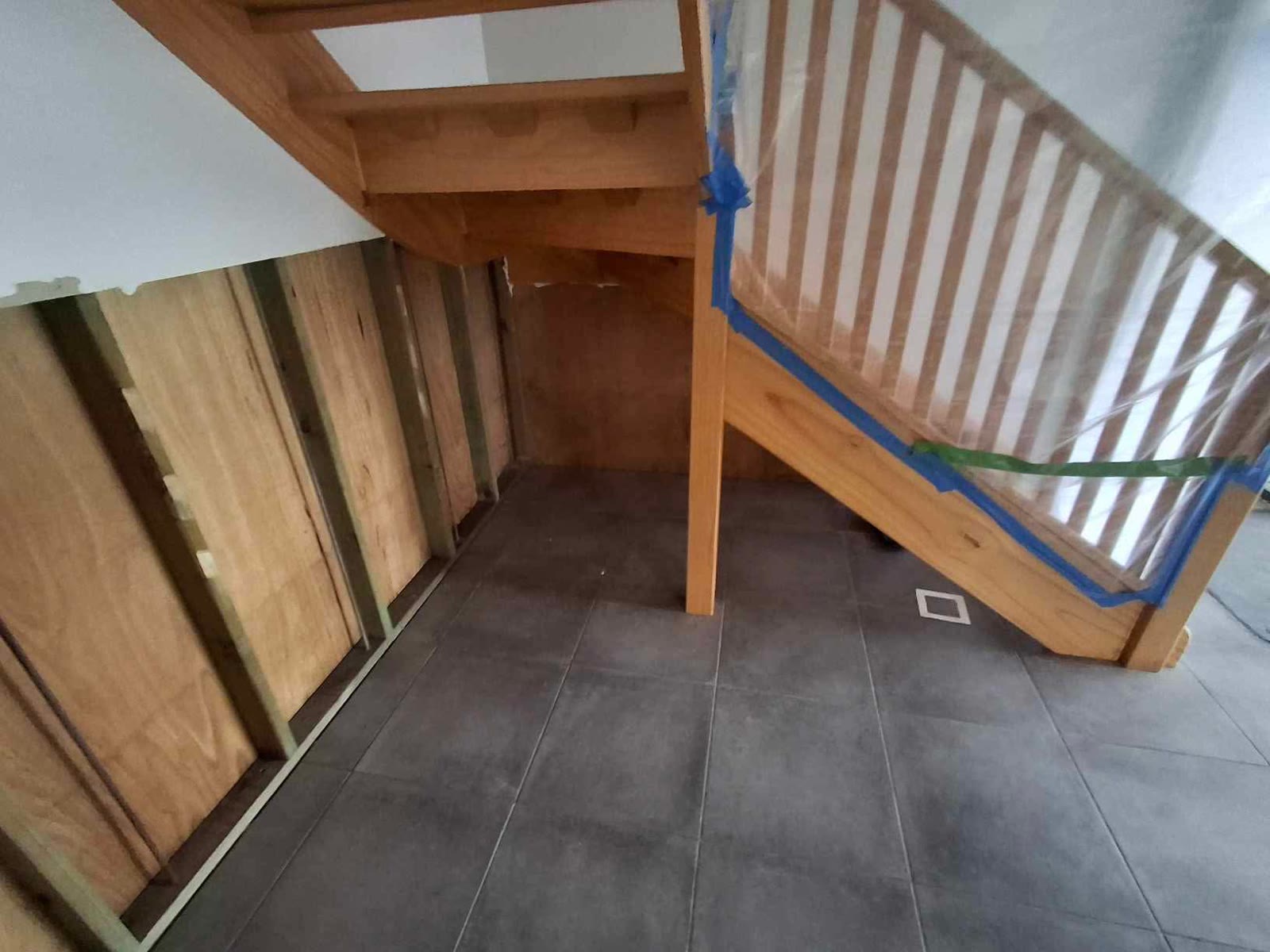
From our recent remediation jobs
Request a mould inspection or quote
Tell us what you're seeing and upload a few photos. A team member reviews every enquiry and will get back to you.
- Don't scrub, sand or pull off mouldy plasterboard — it spreads spores.
- Take clear photos of the affected areas and upload them with the form.
- Note any recent leaks, storms or plumbing work.
- In a unit or tenancy, let your strata or property manager know if the source could be shared.
Mould removal in Logan Reserve — FAQs
Why is mould developing in newer brick homes across Logan Reserve?
Contemporary residences are engineered to seal tightly for thermal efficiency, which can trap moisture generated from daily showering, cooking, and laundry. During muggy South East Queensland summers, indoor relative humidity remains elevated, allowing airborne mould spores to settle and colonise drywall, skirting boards, and furniture backs unless mechanical ventilation is actively managed.
How do you assist body corporate schemes and landlords managing tenancies?
For rental properties and townhouse complexes managed under body corporate schemes, determining whether mould issues stem from building envelope defects, plumbing leaks, or tenant usage is essential. We carry out objective moisture assessments using non-destructive diagnostics, delivering a clear IICRC-compliant report that identifies the moisture source and details actionable remediation steps.
What steps are taken during water damage restoration after heavy storm inundation?
Where actual water entry has occurred following storm activity or plumbing failures, fast action prevents structural deterioration and micro-organism growth. We extract standing moisture, set up industrial dehumidification and air-moving machinery, apply targeted antimicrobial treatments, and monitor structural drying until equilibrium is reached, providing a comprehensive completion report.
Can household bleach permanently resolve indoor mould growth?
Bleach alters surface discolouration temporarily on non-porous fixtures, but it fails to address sub-surface hyphae embedded in porous materials such as plasterboard and timber framing. Furthermore, bleach does not address the underlying moisture source or relative humidity problem, meaning mould will inevitably recur unless physical removal and source remediation take place.
What do we get when the job is finished?
Every job ends with a documented report — photos, moisture readings and a summary of the work. Independent post-remediation verification can be arranged where the scope, insurer or a hygienist requires it.

Book a Logan Reserve Mould Inspection
A professional inspection and a clear remediation plan from our Logan and Brisbane team.
Photo: John Robert McPherson, CC BY-SA 4.0