

Local mould remediation · New Beith
Professional Mould Removal New Beith
Our QBCC-licensed, IICRC-certified specialists deliver thorough moisture investigations and targeted mould remediation for acreage properties and modern family residences throughout New Beith, accompanied by detailed closing reports.
- QBCC Licence 15082064
- IICRC industry methods
- Homes, units & commercial
- Documented report every job
Photo: Shiftchange, CC0
Mould Remediation & Moisture Investigations in New Beith
New Beith features expansive acreage properties and contemporary detached residences set against native bushland. The 2021 Census recorded 1,653 private dwellings housing 5,642 residents, with detached housing predominating. Heavy tree cover and dense canopies often limit natural sunlight around rooflines and perimeter slabs, slowing ground drying after heavy seasonal rains. Combined with high sub-tropical humidity, condensation within modern ducted air conditioning systems and poorly ventilated wall cavities creates conditions where indoor mould can quickly develop.
We deliver comprehensive mould remediation across New Beith, catering primarily to substantial freestanding family residences, as well as local commercial spaces and body corporate facilities. Our IICRC-certified technicians use calibrated thermal imaging and moisture meters to track hidden damp, whether caused by roof leaks, plumbing issues, or sub-floor dampness. Where actual water entry has occurred, we perform structural water damage drying alongside spore containment. Every project concludes with a documented documented report, giving property owners clear evidence of remediation and moisture stability.
Book a Mould Inspection
Common signs of mould
- Persistent musty odours circulating when ducted air conditioning turns on
- Visible dark spotting on gyprock ceilings near insulated roof cavities
- Discolouration or white dusting behind heavy wardrobes and cabinetry against exterior walls
- Warped floorboards or moisture discoloration on timber-look flooring over concrete slabs
- Speckled mould growth across leather goods, clothing, and soft furnishings in master suites
- Damp, shaded external walls developing black surface mould near perimeter landscaping
Our Mould Remediation Services in New Beith
 Illustrative image
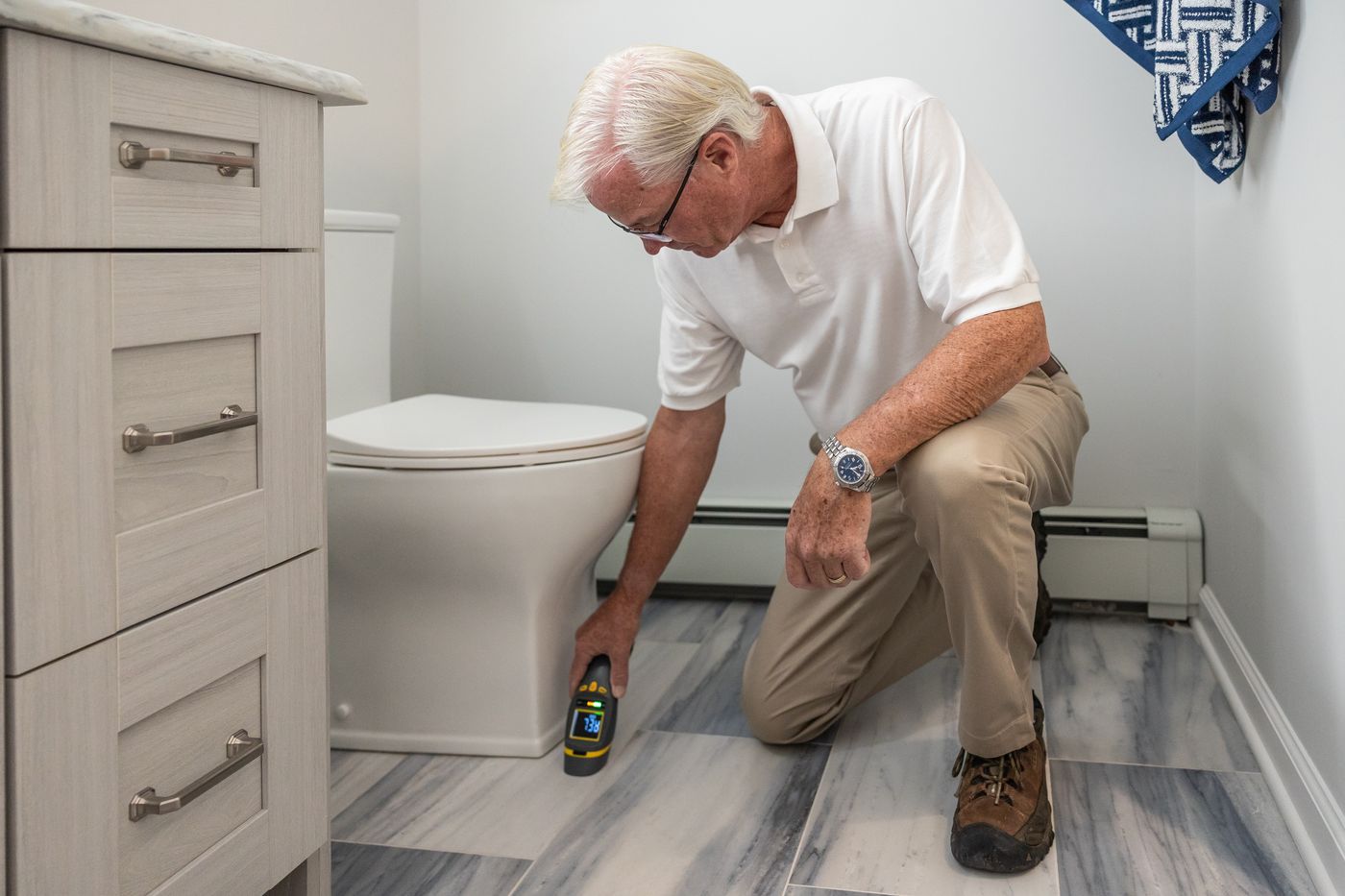
Mould Inspections & Moisture Investigations
Visual assessment, moisture readings and thermal imaging to find the water behind mould in New Beith homes, units and commercial premises. Sampling, where needed, is arranged with an independent hygienist.
Learn more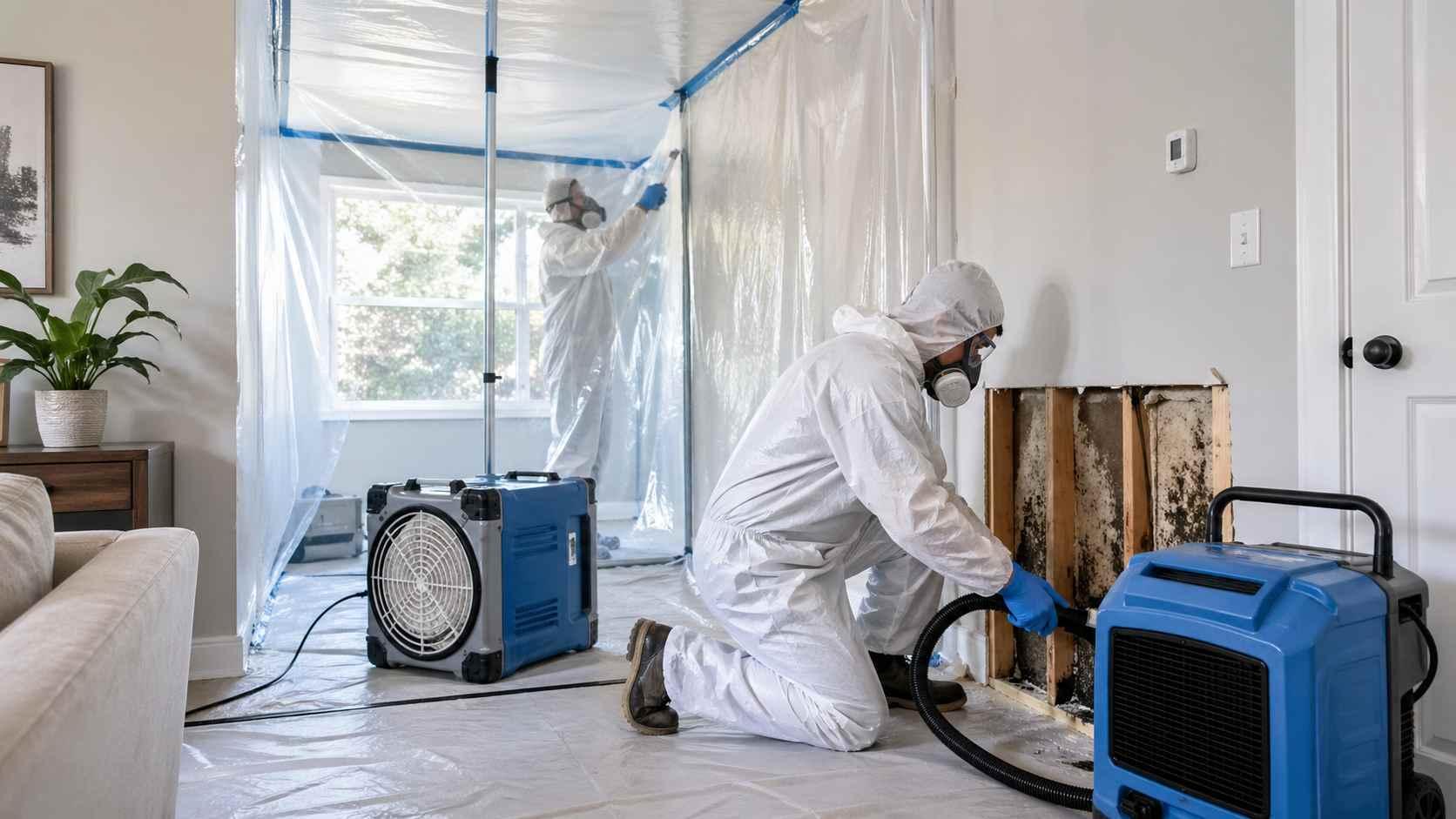 Illustrative image
Residential & Commercial Mould Removal
Controlled removal of mould-affected plasterboard, ceilings, insulation and fittings, planned around occupants, tenants and body corporate requirements.
Learn more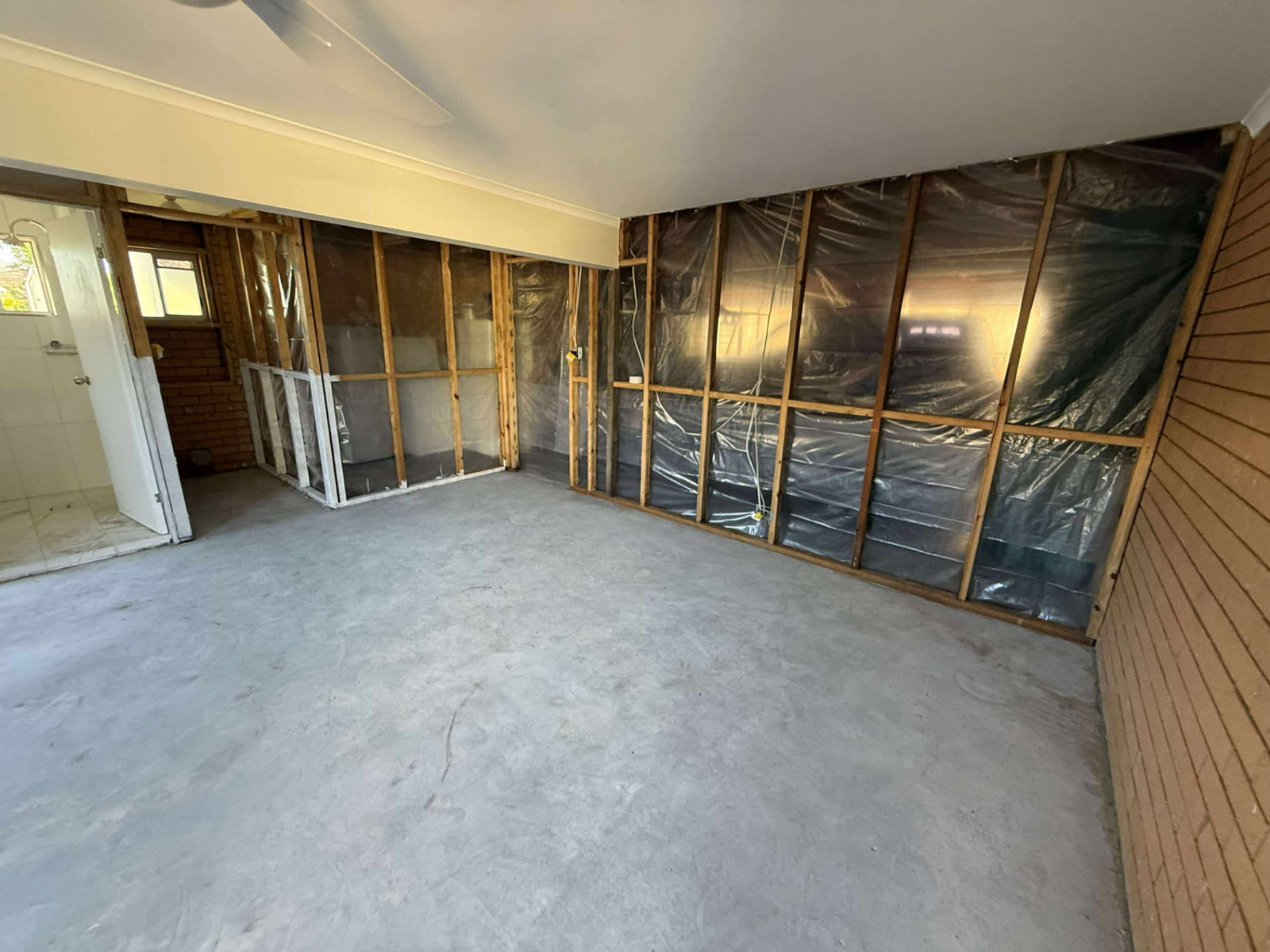
Containment & HEPA Air Filtration
Plastic barriers and HEPA air scrubbers to reduce the spread of spores beyond the work area. The containment plan depends on the property and scope.
Learn more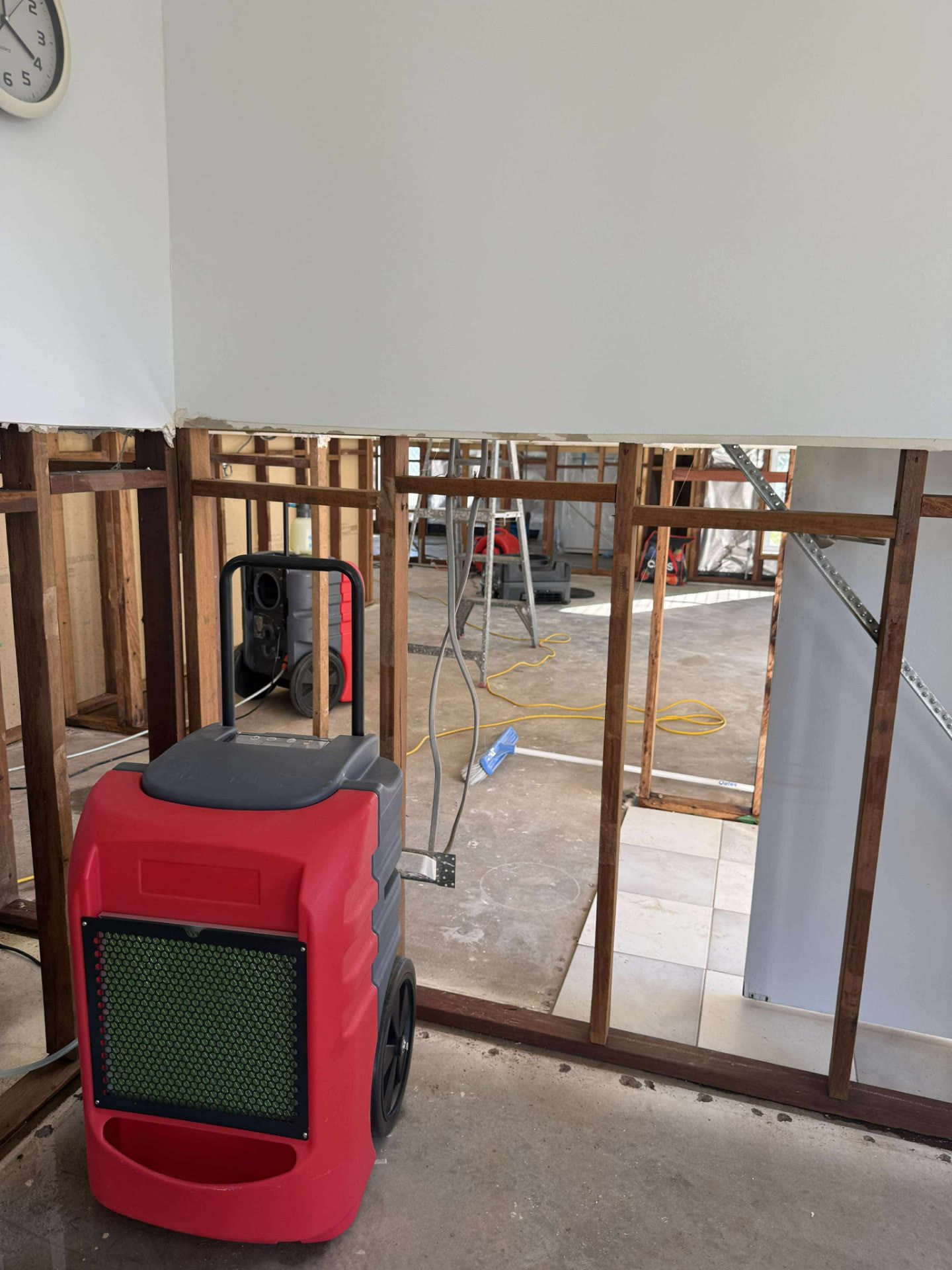
Water Damage & Structural Drying
Water damage restoration in New Beith after roof leaks, plumbing leaks, storms or actual flooding, with structural drying monitored by moisture readings.
Learn moreFor leak-affected framing and ceilings, see our structural drying and moisture monitoring. We also support insurance and commercial remediation projects, with independent hygienist assessments and testing arranged where needed.
How we work
Our Mould Remediation Process
- 1
Inspection & Assessment
We talk through the history, take moisture readings and thermal images, and confirm what's feeding the mould.
- 2
Containment & Air Filtration
Where the scope needs it, we seal the work area and run HEPA air filtration to protect the rest of the property.
- 3
Remediation & Cleaning
Contaminated porous materials are removed and salvageable surfaces are HEPA-vacuumed and cleaned.
- 4
Drying, Verification & Recommendations
Structural drying, final moisture readings and a documented report with photos and advice to stop it returning.
Not every step is needed on every job — we explain the proposed scope before work begins. Independent clearance testing can be arranged where the scope, insurer or a hygienist requires it.
Why Choose The Mould Removers in New Beith?
- Source first. We confirm the moisture source with readings and thermal imaging before we quote removal.
- Professional equipment. HEPA air scrubbers, commercial dehumidifiers, air movers and moisture meters on every job that needs them.
- Clear communication. You'll know the scope, what's being removed and why before work starts.
- Detailed reporting. Every job ends with a documented report — photos, moisture readings and a summary of the work.
- Homes and commercial premises. Houses, units, strata buildings, offices and workshops, including insurance and builder-managed jobs.
 Illustrative image
Moisture Challenges Across New Beith Acreage Living
These are inspection considerations, not a diagnosis of every property. We assess likely contributing conditions on site and explain any limitations or further investigations needed.
Bushland Canopy Shading
Dense perimeter eucalyptus canopies prevent exterior walls and roof valleys from drying rapidly after storms.
Expansive Slab Foundations
Modern slab-on-ground layouts can trap rising damp beneath engineered floorboards if perimeter drainage fails.
Ducted AC Microclimates
Large multi-zoned ducted air conditioning units often develop coil condensation during humid Logan summers.
Overland Flow & Stormwater
Sub-tropical summer deluges can overwhelm rural spoon drains, directing moisture toward garage footings.
Our work
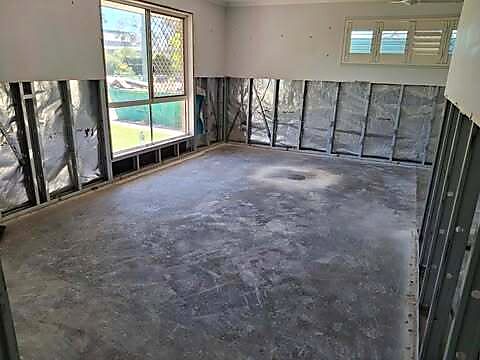
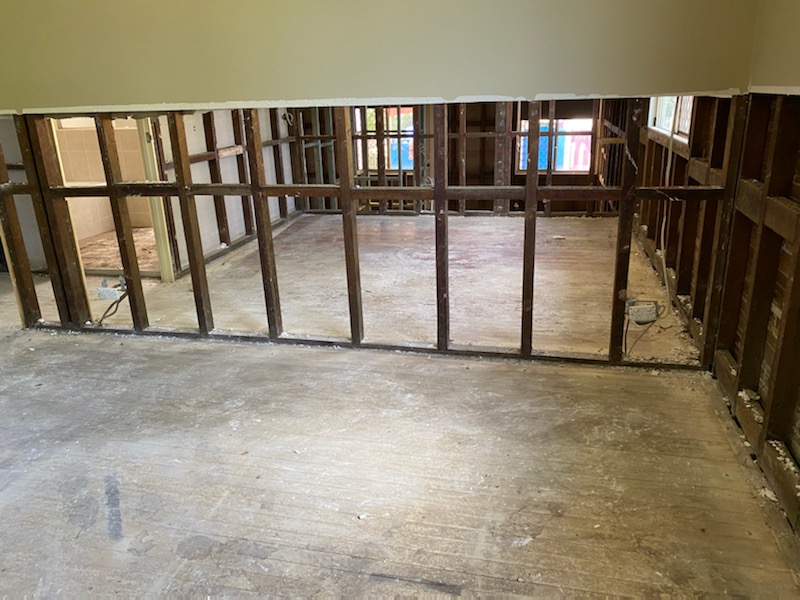
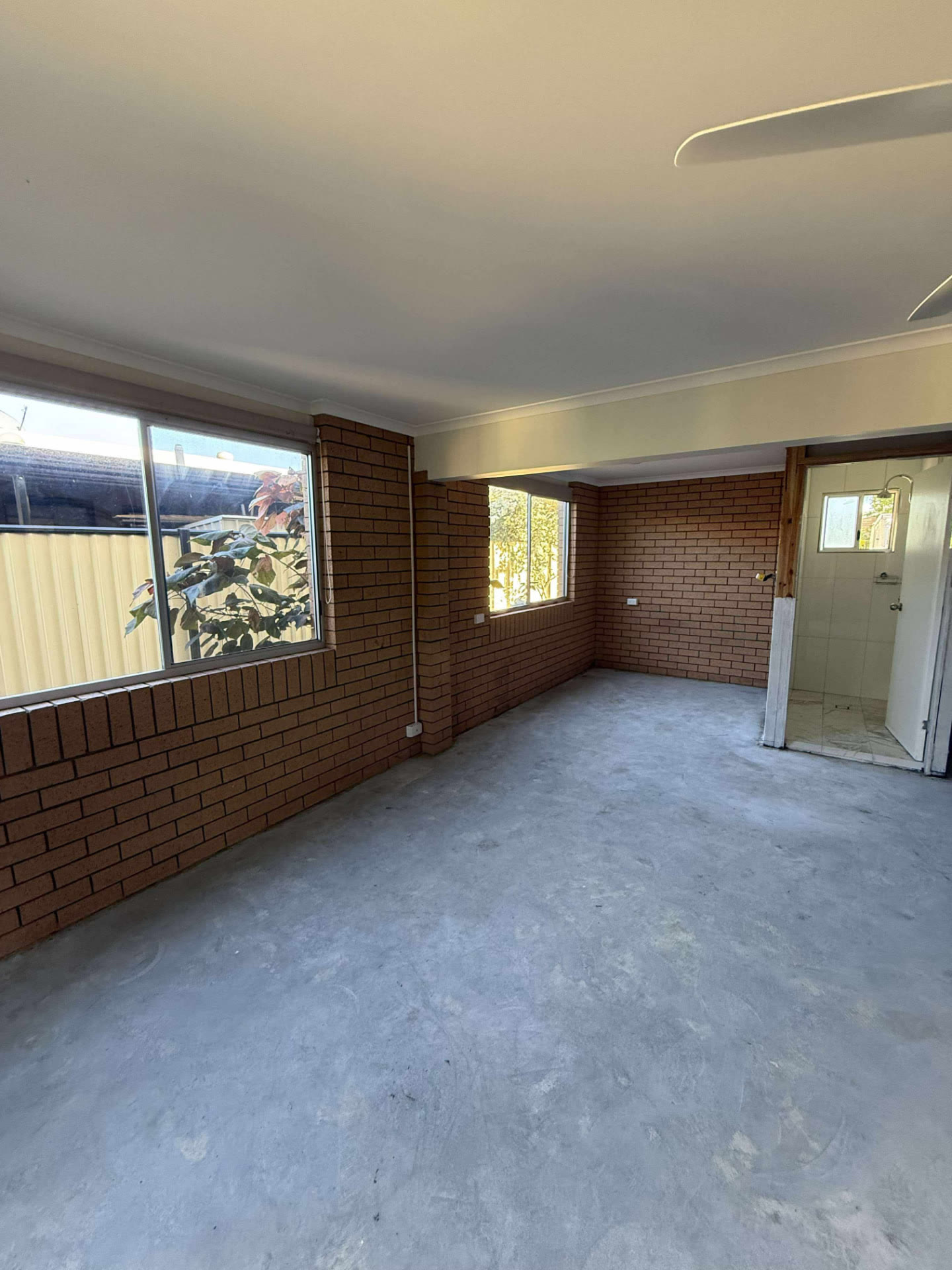
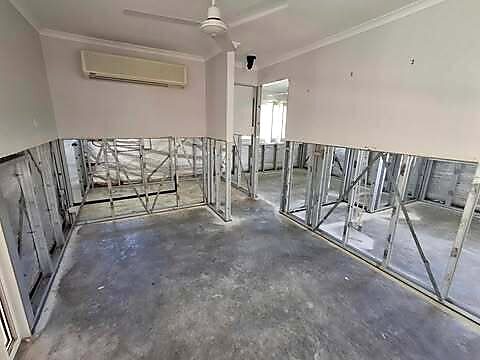
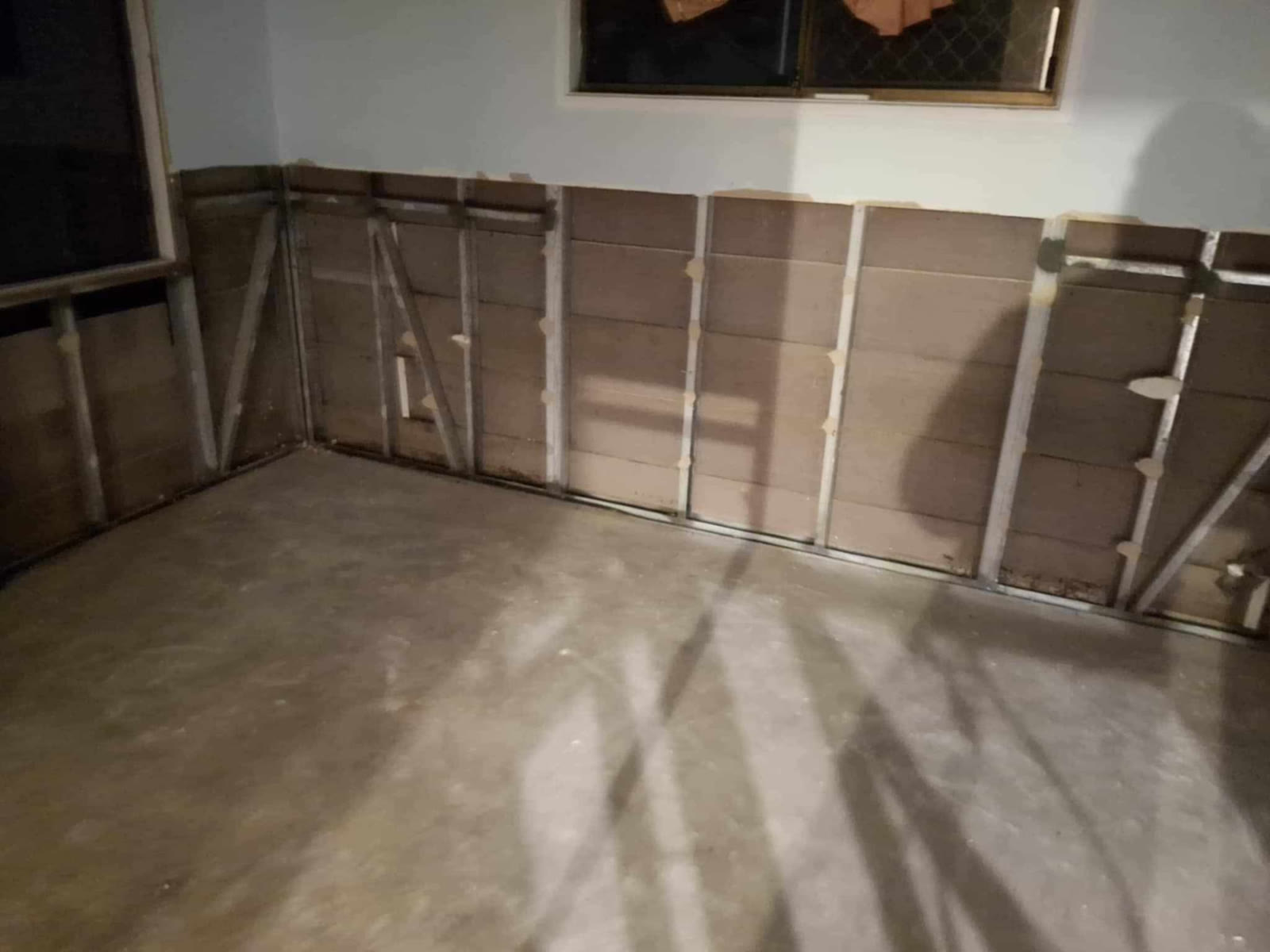
From our recent remediation jobs
Request a mould inspection or quote
Tell us what you're seeing and upload a few photos. A team member reviews every enquiry and will get back to you.
- Don't scrub, sand or pull off mouldy plasterboard — it spreads spores.
- Take clear photos of the affected areas and upload them with the form.
- Note any recent leaks, storms or plumbing work.
- In a unit or tenancy, let your strata or property manager know if the source could be shared.
Mould removal in New Beith — FAQs
Why is indoor mould common in modern New Beith acreage homes?
Modern acreage builds are often sealed tightly for energy efficiency and feature large ducted air conditioning systems. When sub-tropical humidity meets cooled internal surfaces, or when shaded rooflines retain storm moisture, condensation forms on ceilings and behind cabinetry, creating ideal conditions for mould growth.
How do you handle water damage restoration after severe storm runoff or leaks?
Where actual water entry has occurred, our IICRC-certified technicians extract standing water, deploy commercial air movers and LGR dehumidifiers to dry framing and subfloors, and sanitise affected building materials under containment to prevent structural mould colonization.
Do you provide mould remediation reports for body corporate or commercial sites?
Yes. For commercial premises, light industrial sheds, and body corporate managed properties, we supply comprehensive moisture assessment reports. These document the moisture source, remediation steps taken, and post-remediation verification results for insurer or management records.
What containment measures are used during mould removal?
We install negative-air pressure enclosures with commercial HEPA air scrubbers to isolate the work zone. This ensures that mould spores and particulate matter disturbed during physical cleaning and antimicrobial treatment do not cross-contaminate surrounding living spaces.

Book Your New Beith Inspection
A professional inspection and a clear remediation plan from our Logan and Brisbane team.
Photo: Kerry Raymond, CC BY 4.0