

Local mould remediation · Regents Park
Professional Mould Removal Regents Park
Providing certified mould remediation, water damage restoration, and detailed moisture investigations across Regents Park's established residential estates, ensuring your indoor air quality is thoroughly protected with documented post-treatment reporting.
- QBCC Licence 15082064
- IICRC industry methods
- Homes, units & commercial
- Documented report every job
Photo: Shiftchange, CC0
Mould Remediation & Moisture Investigations in Regents Park
Regents Park features established suburban development predominantly made up of low-set brick-and-tile family residences constructed through the 1980s and 1990s. With Logan's humid subtropical climate and prolonged summer rainfall, these properties frequently experience condensation behind large wardrobes, unventilated internal bathrooms, and perimeter wall cavities. Inadequate roof ventilation combined with modern split-system cooling can elevate relative humidity indoors, creating the damp, stagnant microclimates required for concealed microbial colonisation to develop undetected.
The Mould Removers provides certified residential mould remediation, commercial services, and body corporate solutions across Regents Park. Every project begins with calibrated diagnostic tools, including thermal imaging and direct moisture meters, to trace the root water source before physical remediation starts. Our IICRC-trained technicians use negative air containment, HEPA air filtration, and antimicrobials to eliminate mould growth safely, concluding every restoration with comprehensive documentation detailing moisture readings and corrective actions.
Book a Mould Inspection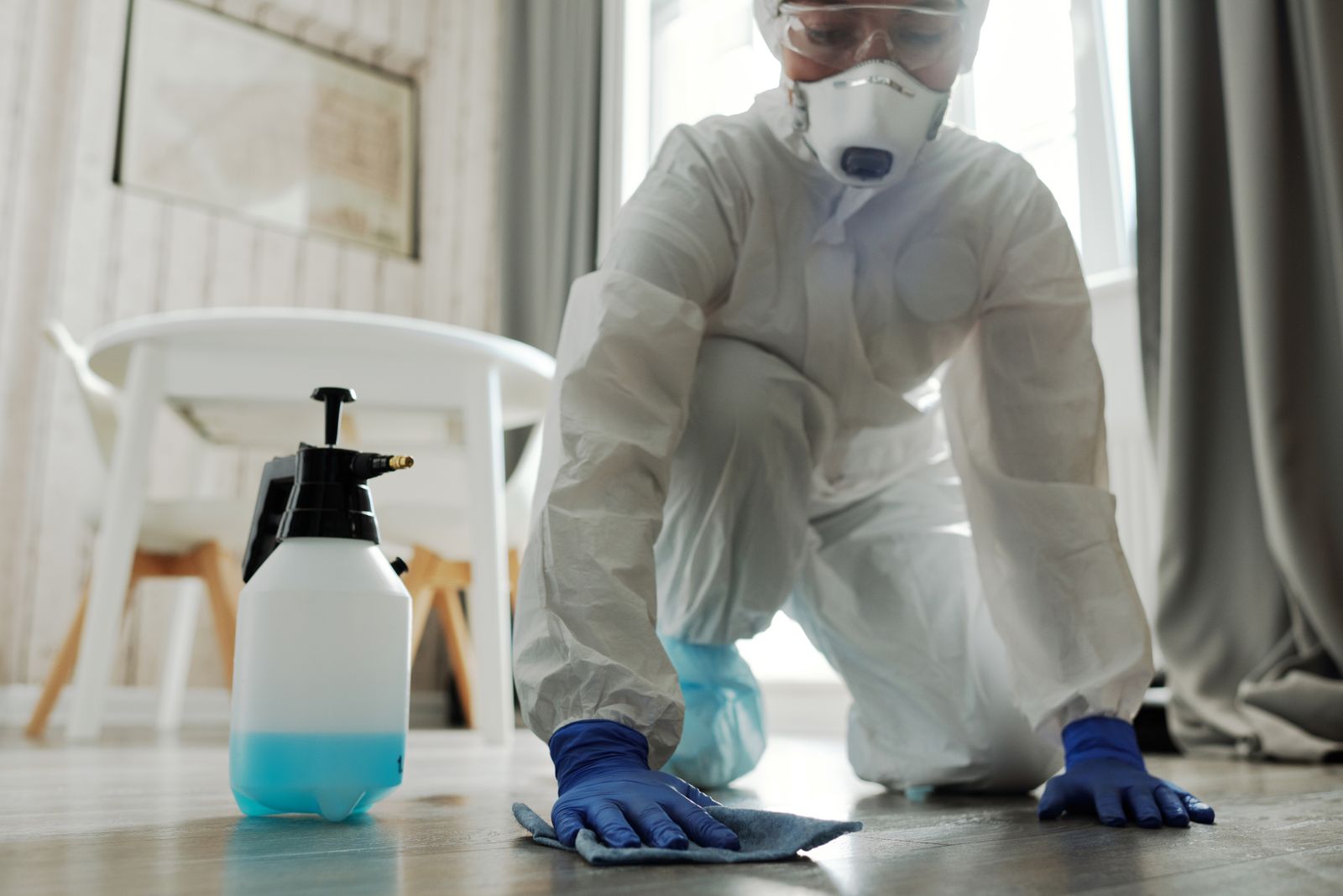
Common signs of mould
- Musty, earthy odours lingering inside closed master bedrooms and walk-in robes.
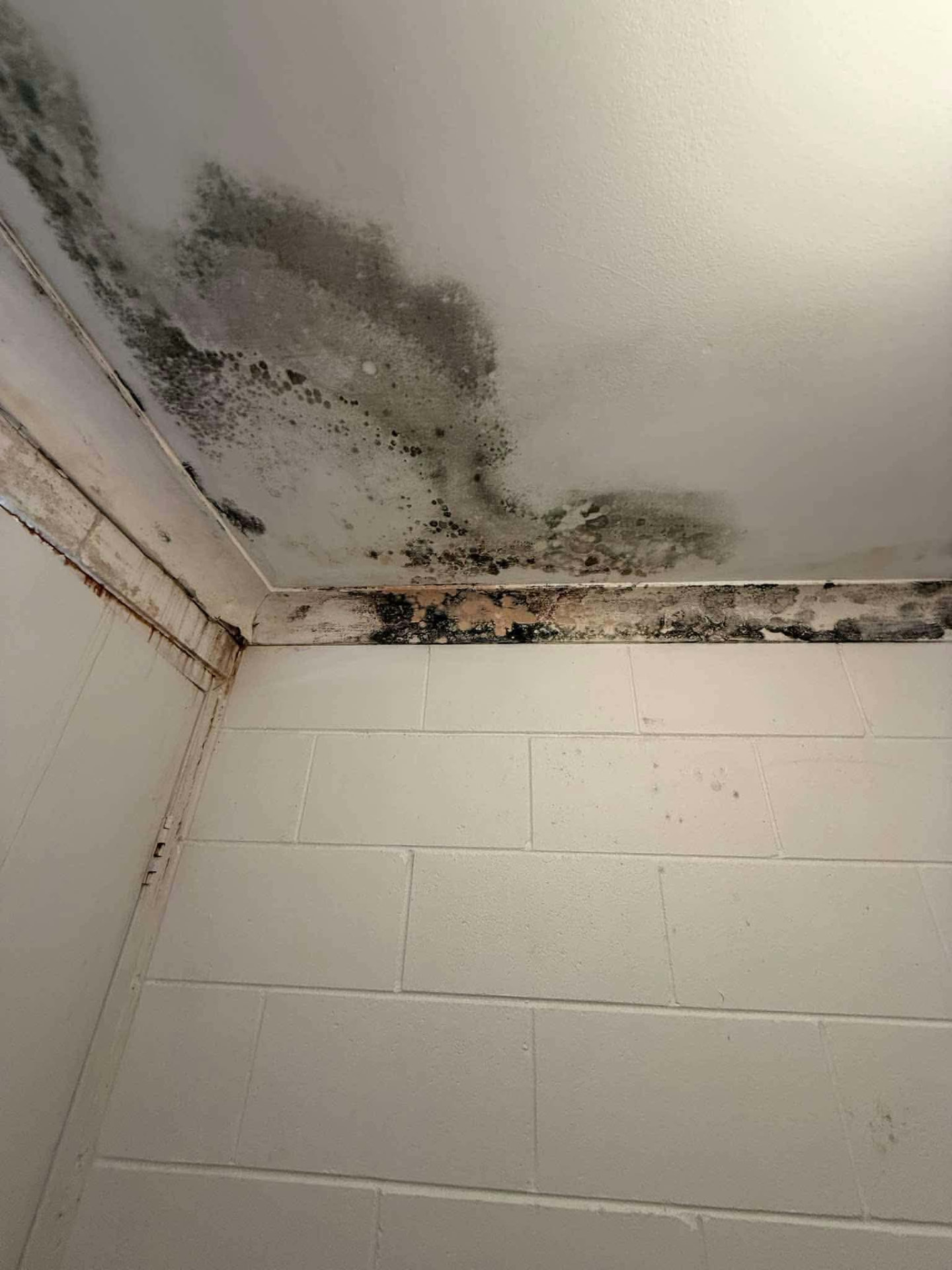
- Dark speckling appearing across plasterboard ceilings in unducted family bathrooms.
- Visible damp patches or efflorescence rising on garage slab edges.
- Peeling paint, swelling cornices, or warped timber skirting boards near wet areas.
- Black growth spreading around rubber window seals and aluminium frames.
- Powdery discolouration forming on stored shoes, leather goods, or clothing.
Our Mould Remediation Services in Regents Park
 Illustrative image
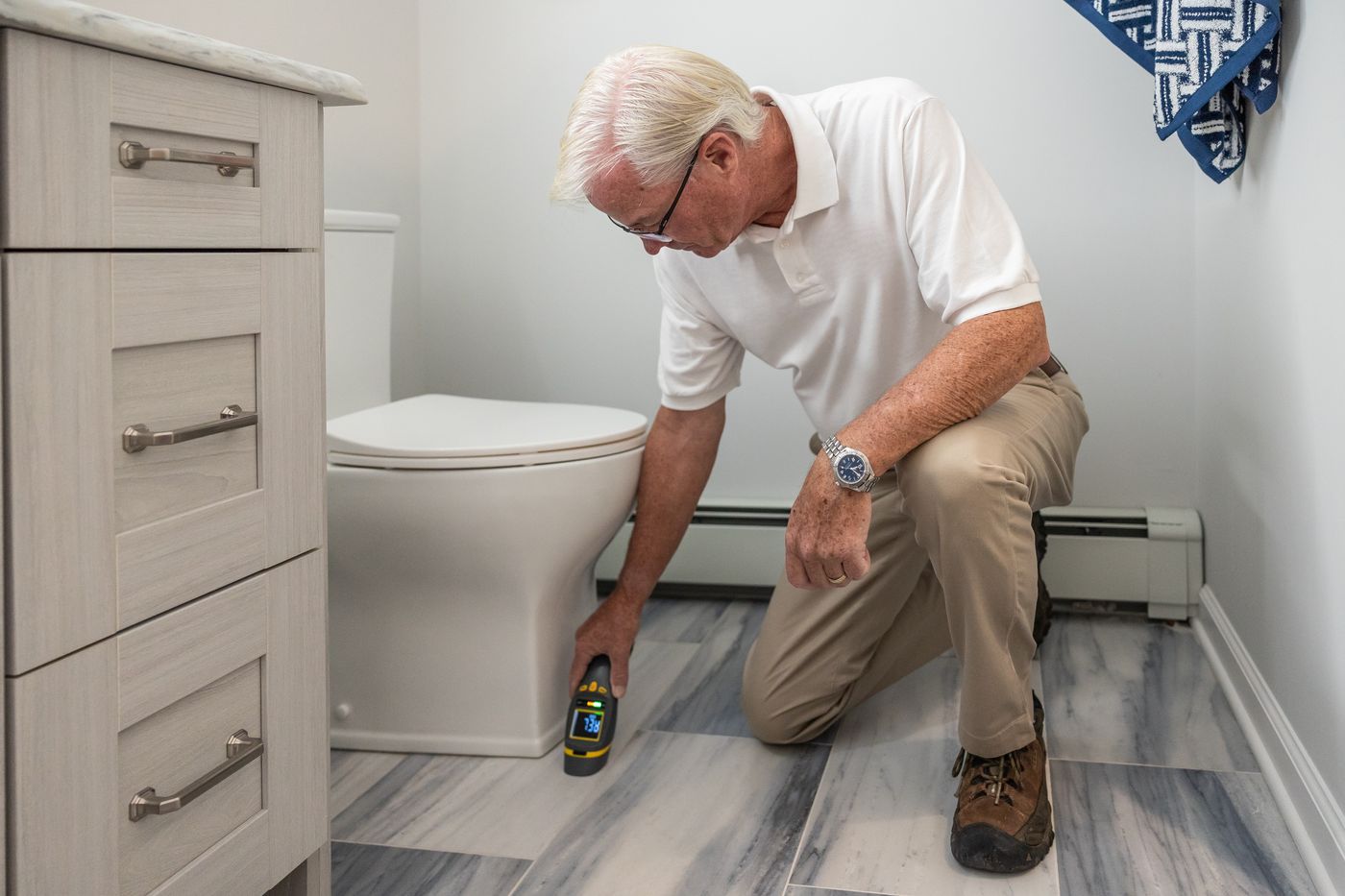
Mould Inspections & Moisture Investigations
Visual assessment, moisture readings and thermal imaging to find the water behind mould in Regents Park homes, units and commercial premises. Sampling, where needed, is arranged with an independent hygienist.
Learn more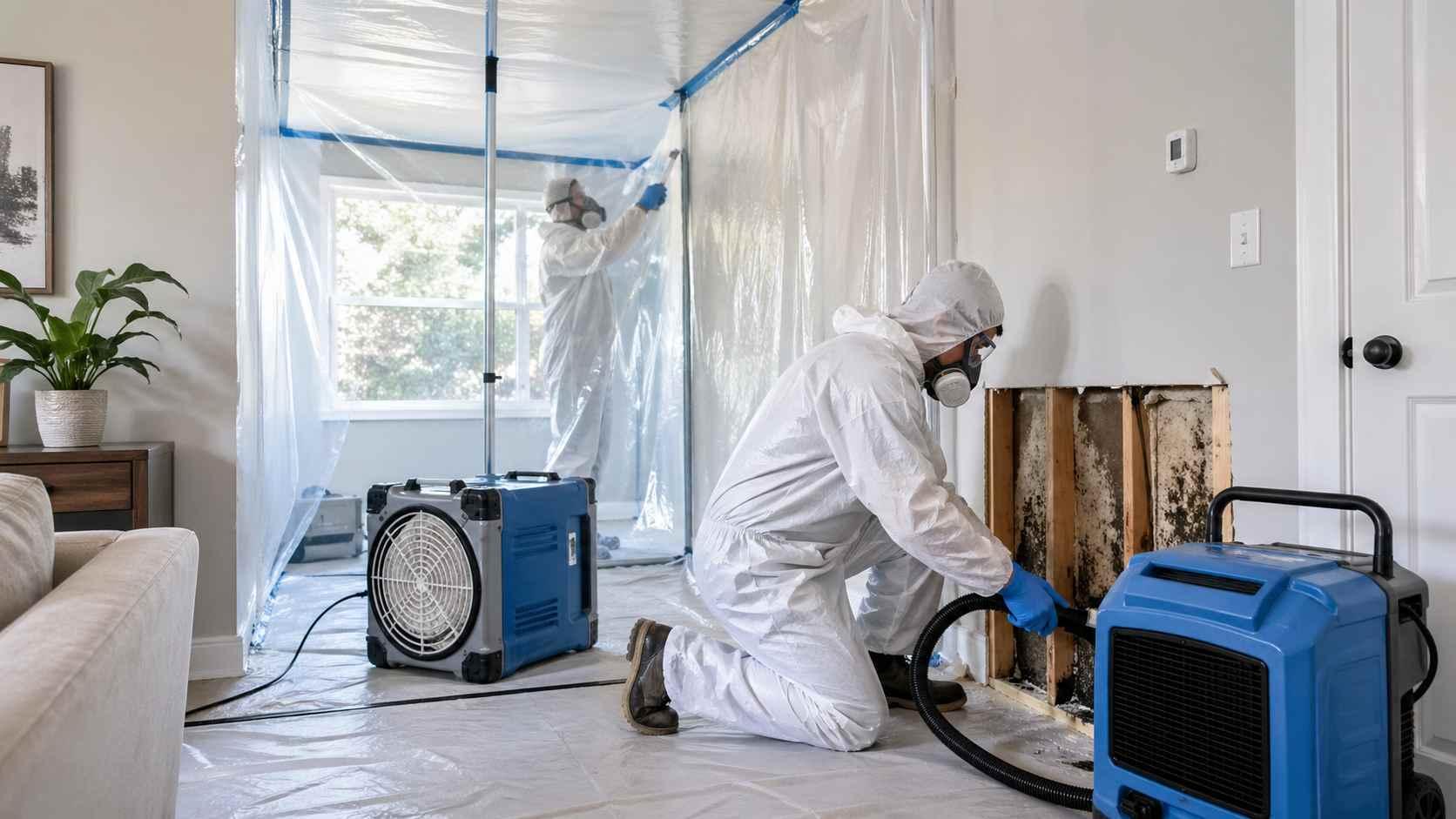 Illustrative image
Residential & Commercial Mould Removal
Controlled removal of mould-affected plasterboard, ceilings, insulation and fittings, planned around occupants, tenants and body corporate requirements.
Learn more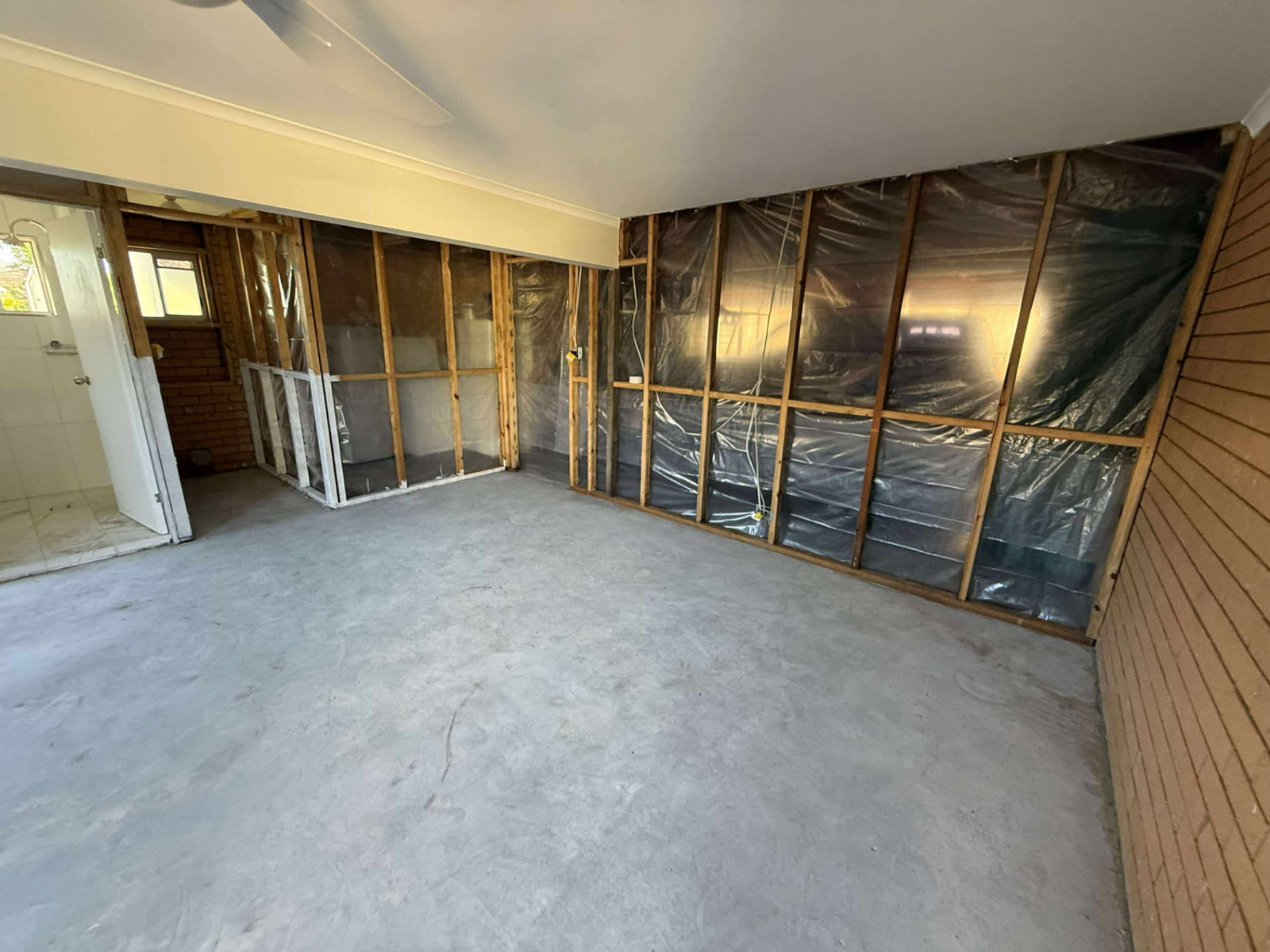
Containment & HEPA Air Filtration
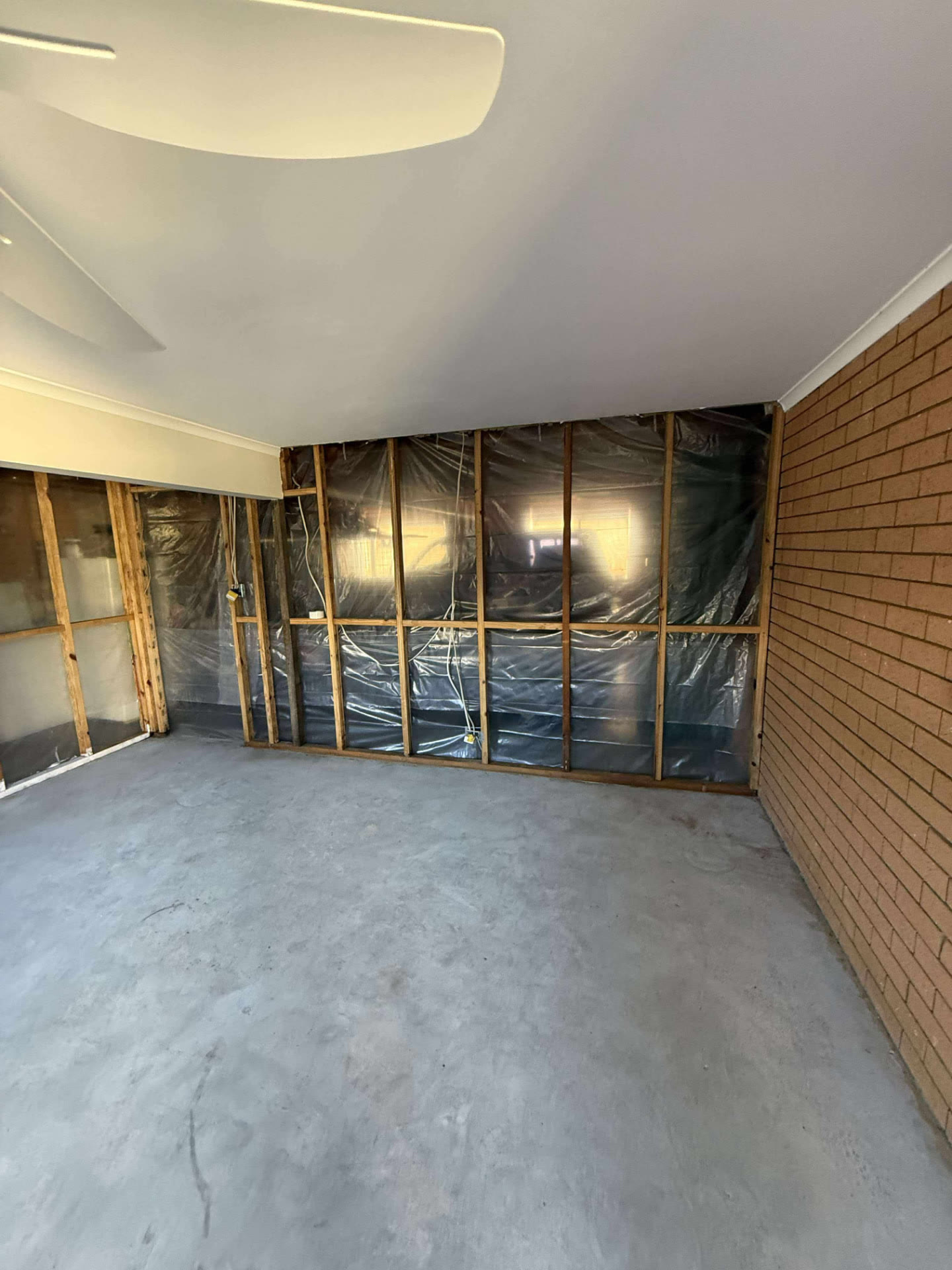
Plastic barriers and HEPA air scrubbers to reduce the spread of spores beyond the work area. The containment plan depends on the property and scope.
Learn more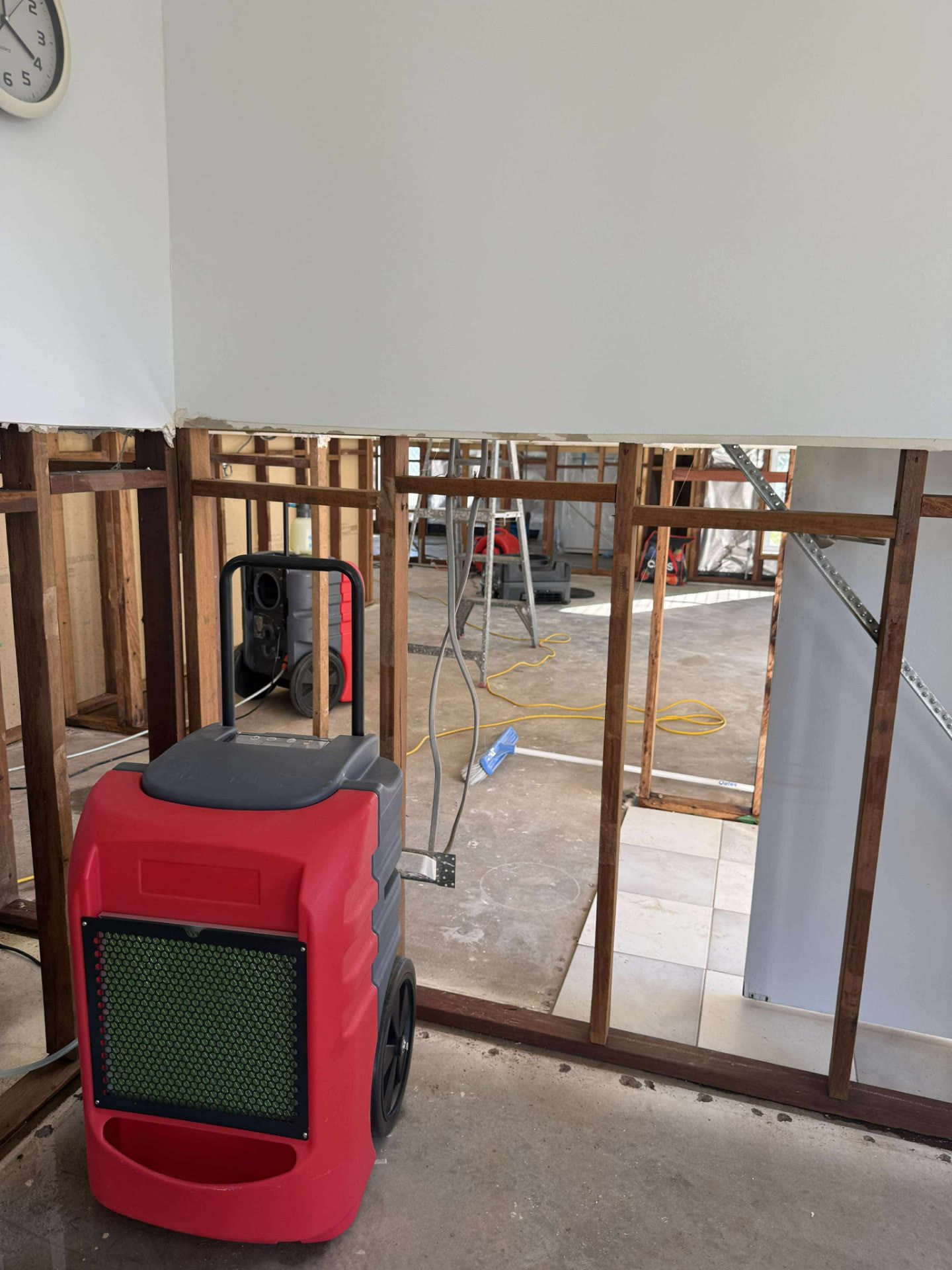
Water Damage & Structural Drying
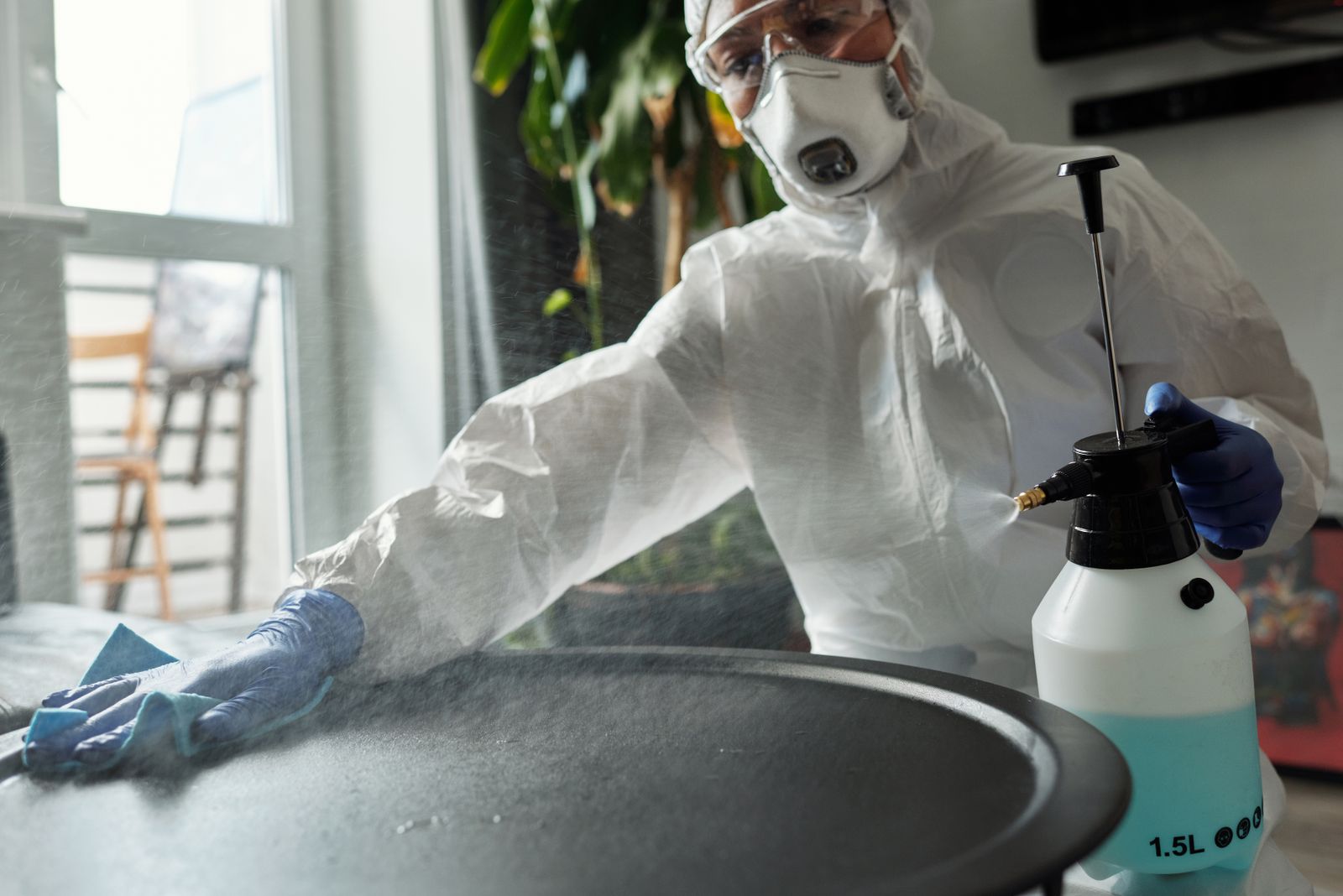
Water damage restoration in Regents Park after roof leaks, plumbing leaks, storms or actual flooding, with structural drying monitored by moisture readings.
Learn moreFor leak-affected framing and ceilings, see our structural drying and moisture monitoring. We also support insurance and commercial remediation projects, with independent hygienist assessments and testing arranged where needed.
How we work
Our Mould Remediation Process
- 1
Inspection & Assessment
We talk through the history, take moisture readings and thermal images, and confirm what's feeding the mould.
- 2
Containment & Air Filtration
Where the scope needs it, we seal the work area and run HEPA air filtration to protect the rest of the property.
- 3
Remediation & Cleaning
Contaminated porous materials are removed and salvageable surfaces are HEPA-vacuumed and cleaned.
- 4
Drying, Verification & Recommendations
Structural drying, final moisture readings and a documented report with photos and advice to stop it returning.
Not every step is needed on every job — we explain the proposed scope before work begins. Independent clearance testing can be arranged where the scope, insurer or a hygienist requires it.
Why Choose The Mould Removers in Regents Park?
- Source first. We confirm the moisture source with readings and thermal imaging before we quote removal.
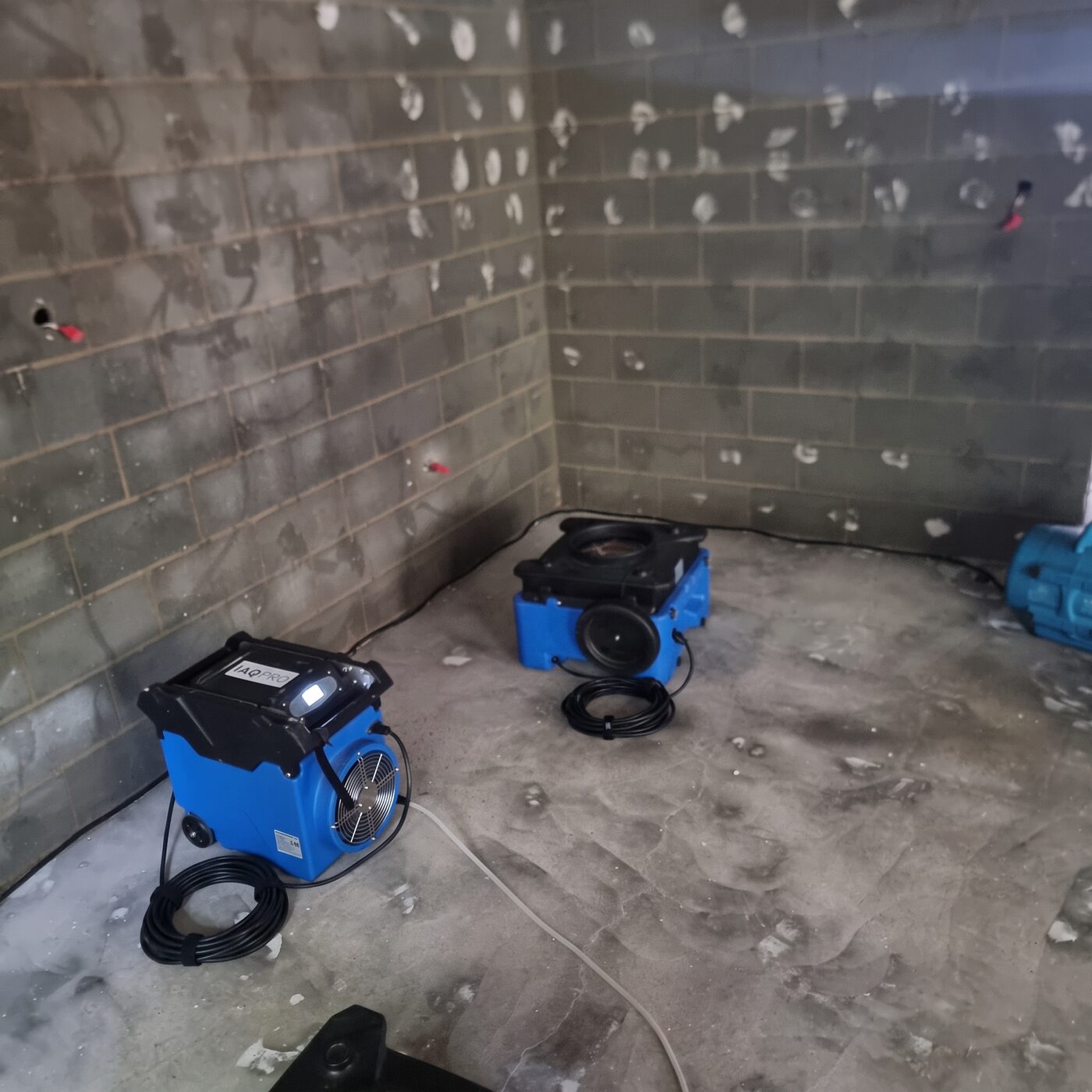
- Professional equipment. HEPA air scrubbers, commercial dehumidifiers, air movers and moisture meters on every job that needs them.
- Clear communication. You'll know the scope, what's being removed and why before work starts.
- Detailed reporting. Every job ends with a documented report — photos, moisture readings and a summary of the work.
- Homes and commercial premises. Houses, units, strata buildings, offices and workshops, including insurance and builder-managed jobs.
 Illustrative image
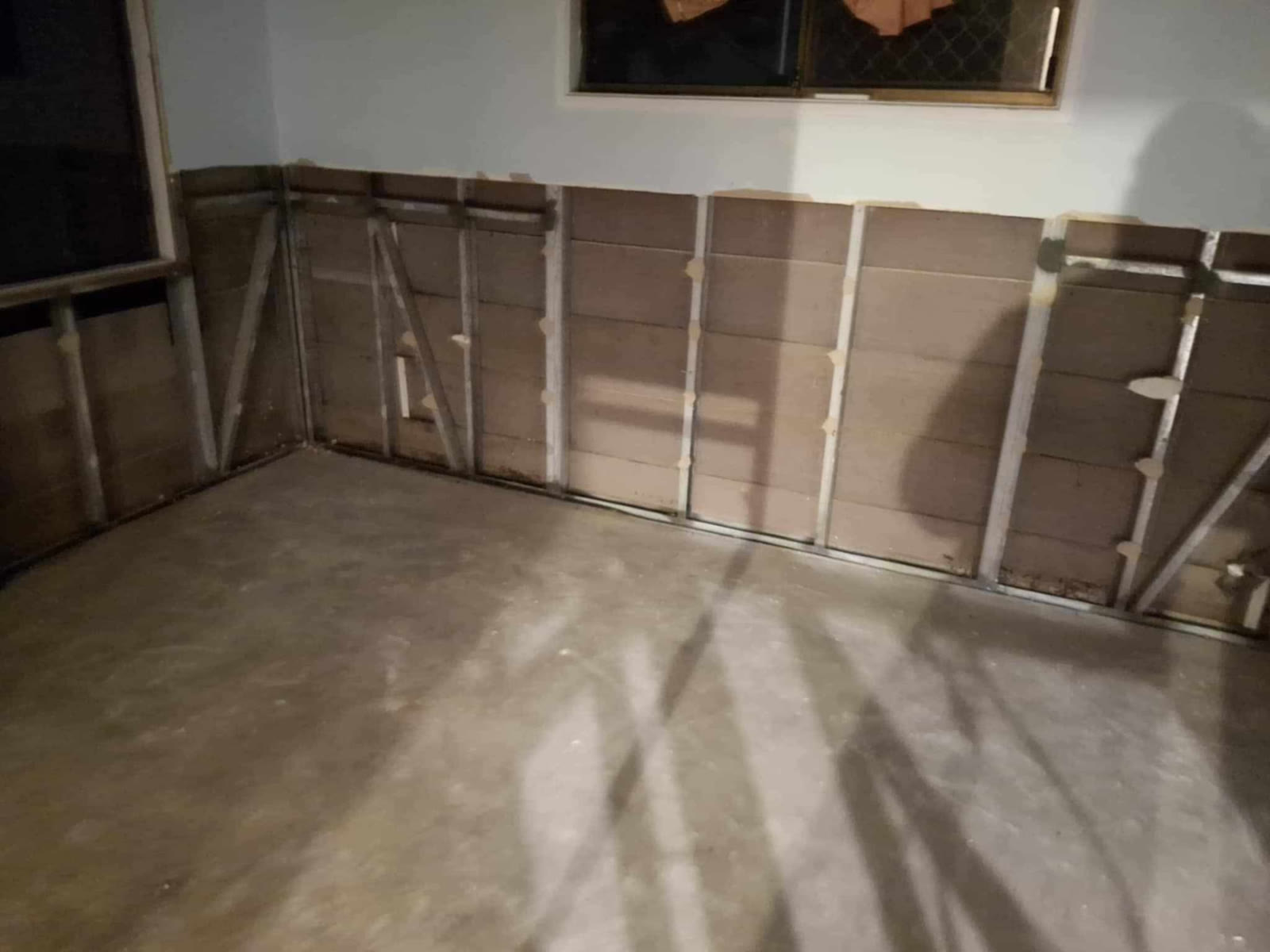
Moisture Management Challenges in Regents Park
These are inspection considerations, not a diagnosis of every property. We assess likely contributing conditions on site and explain any limitations or further investigations needed.
Brick-and-Tile Family Homes
Slab-on-ground brick dwellings common in Regents Park often suffer from trapped sub-surface condensation and perimeter dampness during extended wet seasons.
Inadequate Roof Space Ventilation
Sarking condensation in sealed roof cavities can drip onto ceiling insulation, leading to recurring mould growth on upstairs plasterboard.
Storm Water Runoff & Drainage
Heavy downpours across local streetscapes can overwhelm surface drainage, contributing to perimeter soil saturation and capillary moisture entry.
Rental & Body Corporate Housing
High tenant occupancy in rental properties frequently causes elevated internal humidity from cooking, laundry, and unvented exhaust fans.
Our work
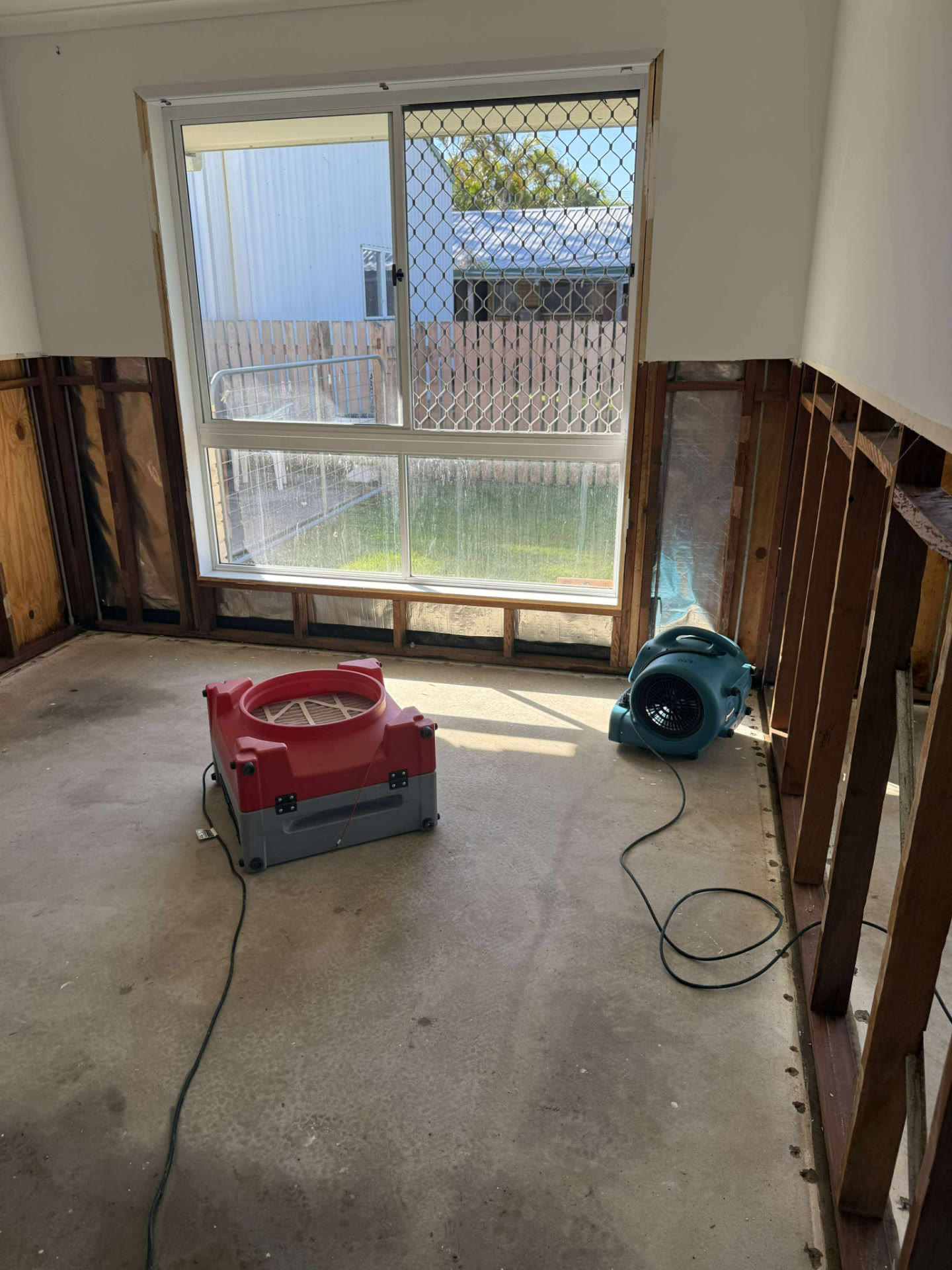
From our recent remediation jobs
Request a mould inspection or quote
Tell us what you're seeing and upload a few photos. A team member reviews every enquiry and will get back to you.
- Don't scrub, sand or pull off mouldy plasterboard — it spreads spores.
- Take clear photos of the affected areas and upload them with the form.
- Note any recent leaks, storms or plumbing work.
- In a unit or tenancy, let your strata or property manager know if the source could be shared.
Mould removal in Regents Park — FAQs
What causes mould in Regents Park brick-and-tile homes?
Most mould issues in Regents Park stem from high ambient humidity paired with restricted airflow in sealed bedrooms, leaking plumbing within wall cavities, or poor ventilation in internal bathrooms and laundry areas.
How do you handle mould remediation in body corporate properties?
For body corporate complexes, we conduct clear moisture investigations to establish whether the source originates from individual unit activity or shared building infrastructure. We provide full written findings and remediation protocols to the committee or property manager.
Can you assist with sudden water damage from storms or plumbing leaks?
Yes. Our water damage restoration service deploys commercial dehumidifiers and air movers to extract water, dry structural materials rapidly, and prevent secondary microbial outbreaks before they take hold.
Do I receive documentation after the mould removal is finished?
Every project concludes with a documented documented report outlining initial moisture levels, the containment procedures undertaken, products applied, and actionable advice to maintain healthy indoor air quality.

Book Your Regents Park Inspection
A professional inspection and a clear remediation plan from our Logan and Brisbane team.
Photo: Kgbo, CC BY-SA 4.0