

Local mould remediation · Geneva
Professional Mould Removal Geneva
Mould remediation for Geneva homes, rental properties and businesses, with attention to the moisture behind the problem. The Mould Removers provides IICRC-certified, QBCC-licensed expertise, from inspection through to remediation and water damage restoration.
- QBCC Licence 15082064
- IICRC industry methods
- Homes, units & commercial
- Documented report every job
Photo: John Robert McPherson, CC BY-SA 4.0
Mould removal suited to Geneva’s inland setting
Geneva sits near Kyogle in the inland Northern Rivers, where humid summers, rainfall and cooler winter nights can create persistent moisture problems inside buildings. Its residential pockets and surrounding rural setting call for a property-specific approach: a timber home with a raised floor has different drying and ventilation needs from a brick house, converted workspace or acreage shed. Shaded walls, enclosed subfloors and poorly ventilated rooms can stay damp after wet weather, while condensation can affect windows and cupboards even without a roof leak. An inspection helps distinguish surface growth from a moisture problem that needs further investigation.
The Mould Removers provides residential and commercial mould remediation in Geneva, alongside inspections, moisture investigations and water damage restoration. We assess affected materials and likely moisture pathways before recommending a scope of work, rather than treating every dark mark as the same problem. Where actual water entry has occurred, drying and assessment of wet building materials are important parts of recovery. Independent hygienist testing can be arranged where needed to inform the work or assess the outcome. At job end, you receive a documented report recording the work completed, relevant findings and recommendations for managing remaining moisture risks.
Book a Mould Inspection
Common signs of mould
- Musty air rising from beneath a raised timber home.
- Mould behind wardrobes against shaded bedroom walls.
- Window condensation and spotting in closed-up rooms.
- Ceiling stains after rain in homes or workspaces.
- Damp linings or stored goods in enclosed acreage sheds.
- Swollen skirting or musty flooring after actual water entry.
Our Mould Remediation Services in Geneva
 Illustrative image
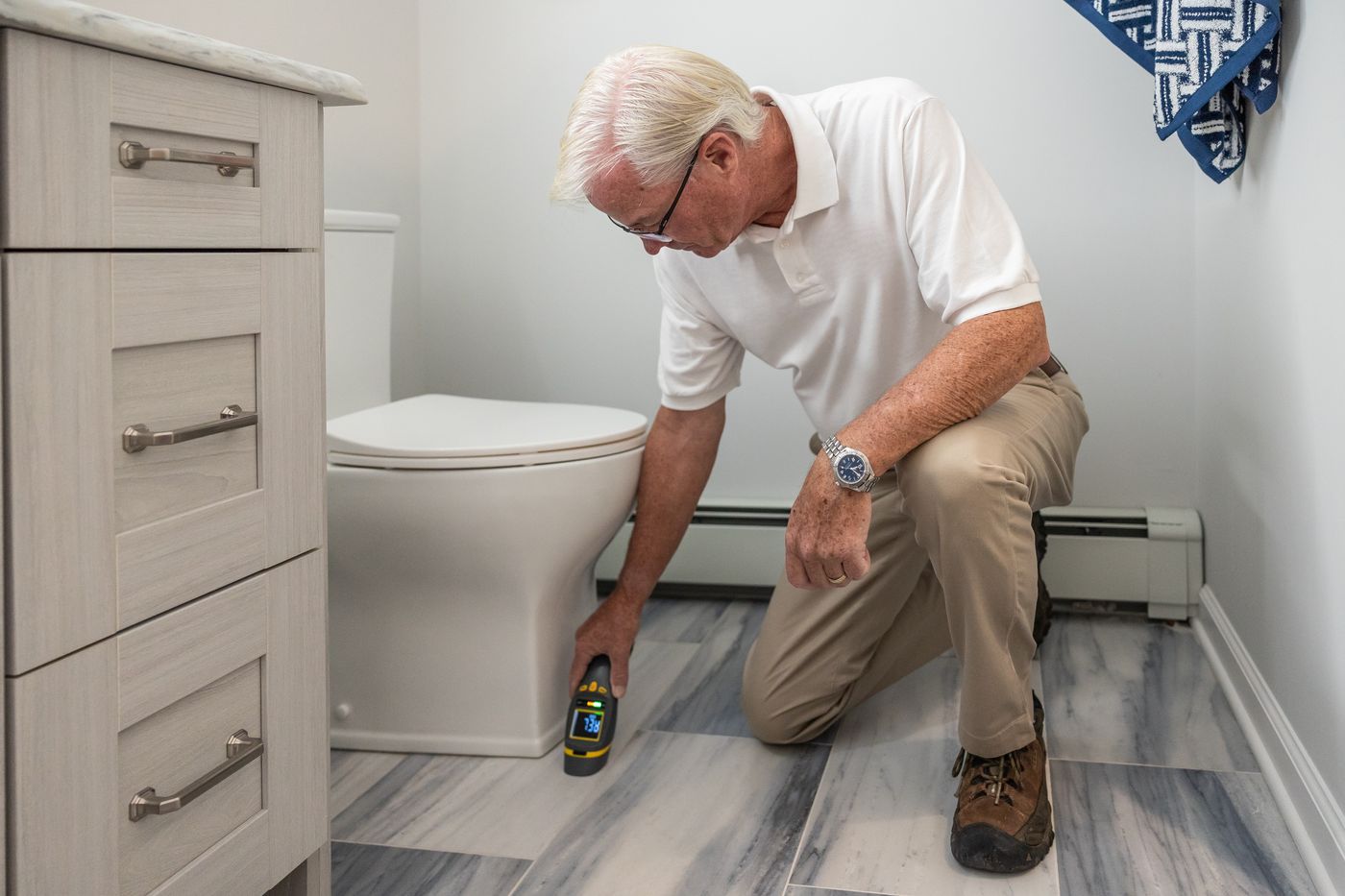
Mould Inspections & Moisture Investigations
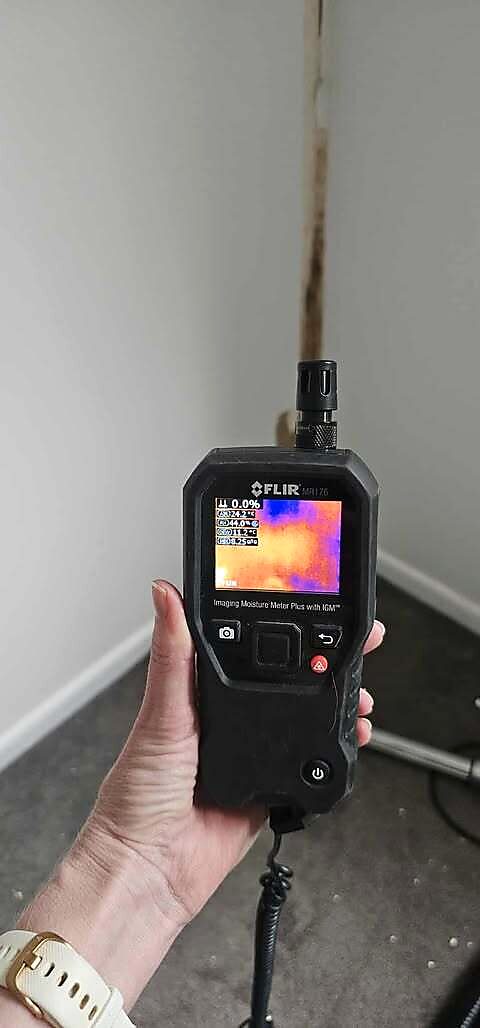
Visual assessment, moisture readings and thermal imaging to find the water behind mould in Geneva homes, units and commercial premises. Sampling, where needed, is arranged with an independent hygienist.
Learn more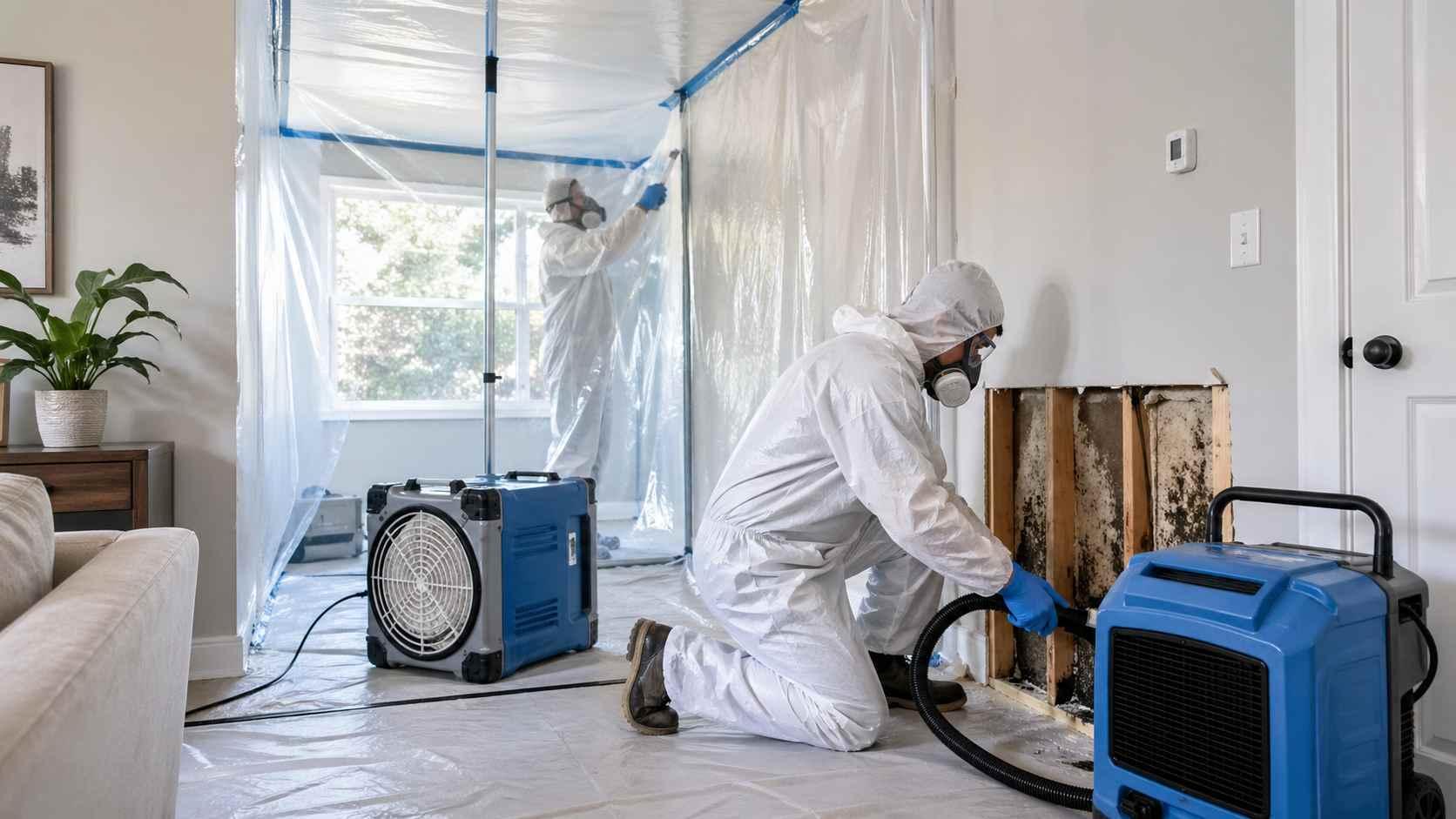 Illustrative image
Residential & Commercial Mould Removal
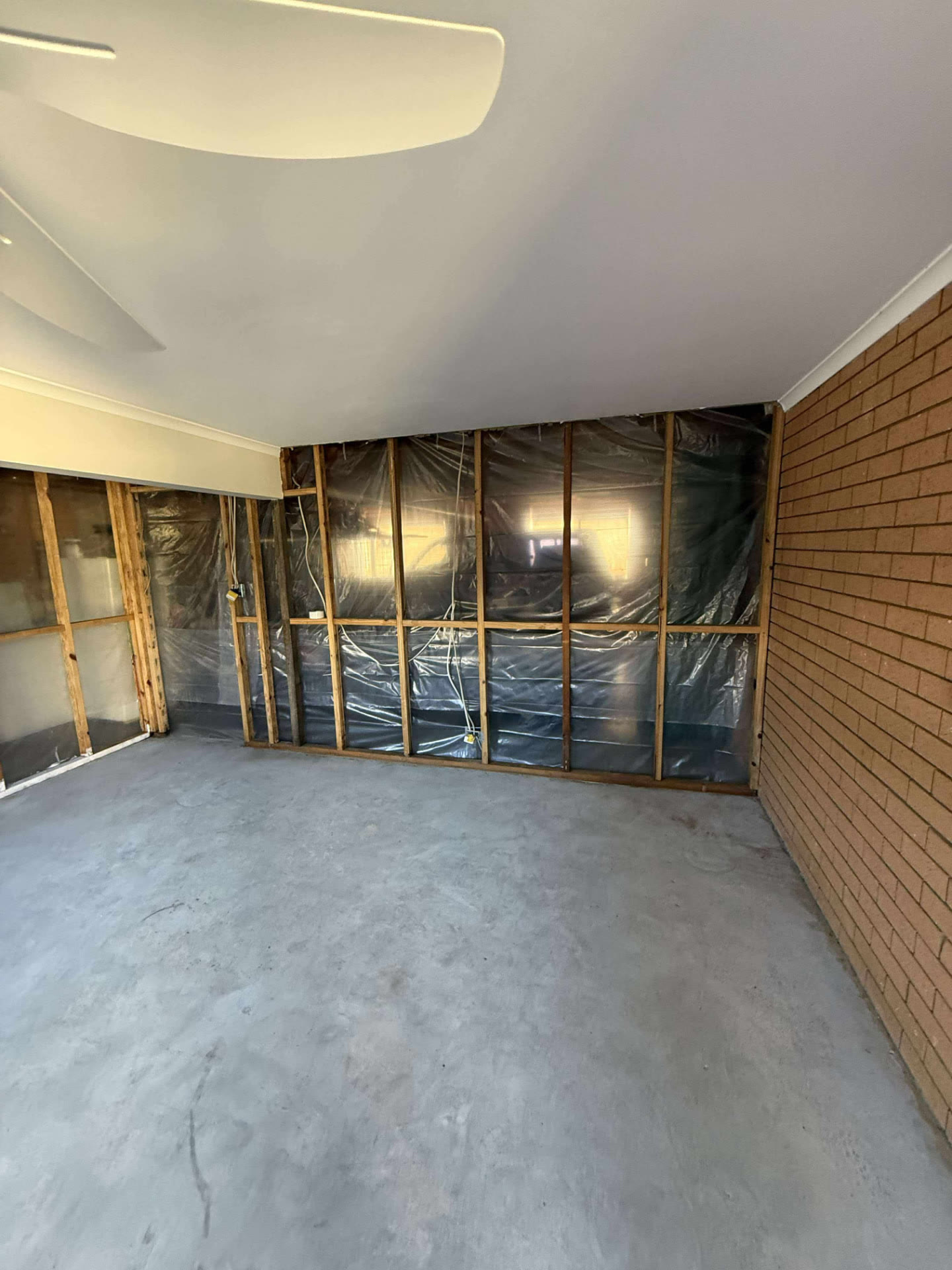
Controlled removal of mould-affected plasterboard, ceilings, insulation and fittings, planned around occupants, tenants and strata requirements.
Learn more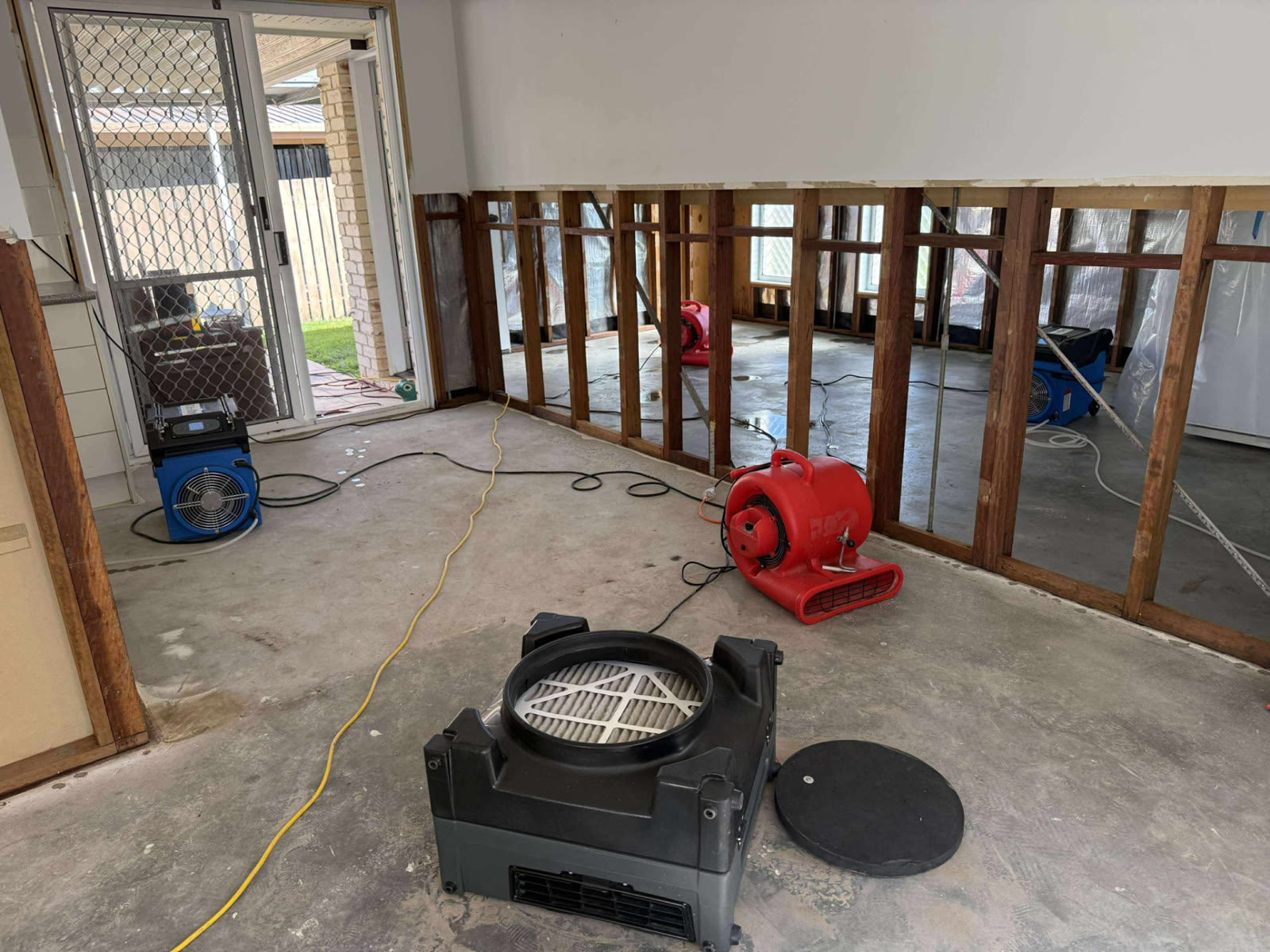
Containment & HEPA Air Filtration
Plastic barriers and HEPA air scrubbers to reduce the spread of spores beyond the work area. The containment plan depends on the property and scope.
Learn more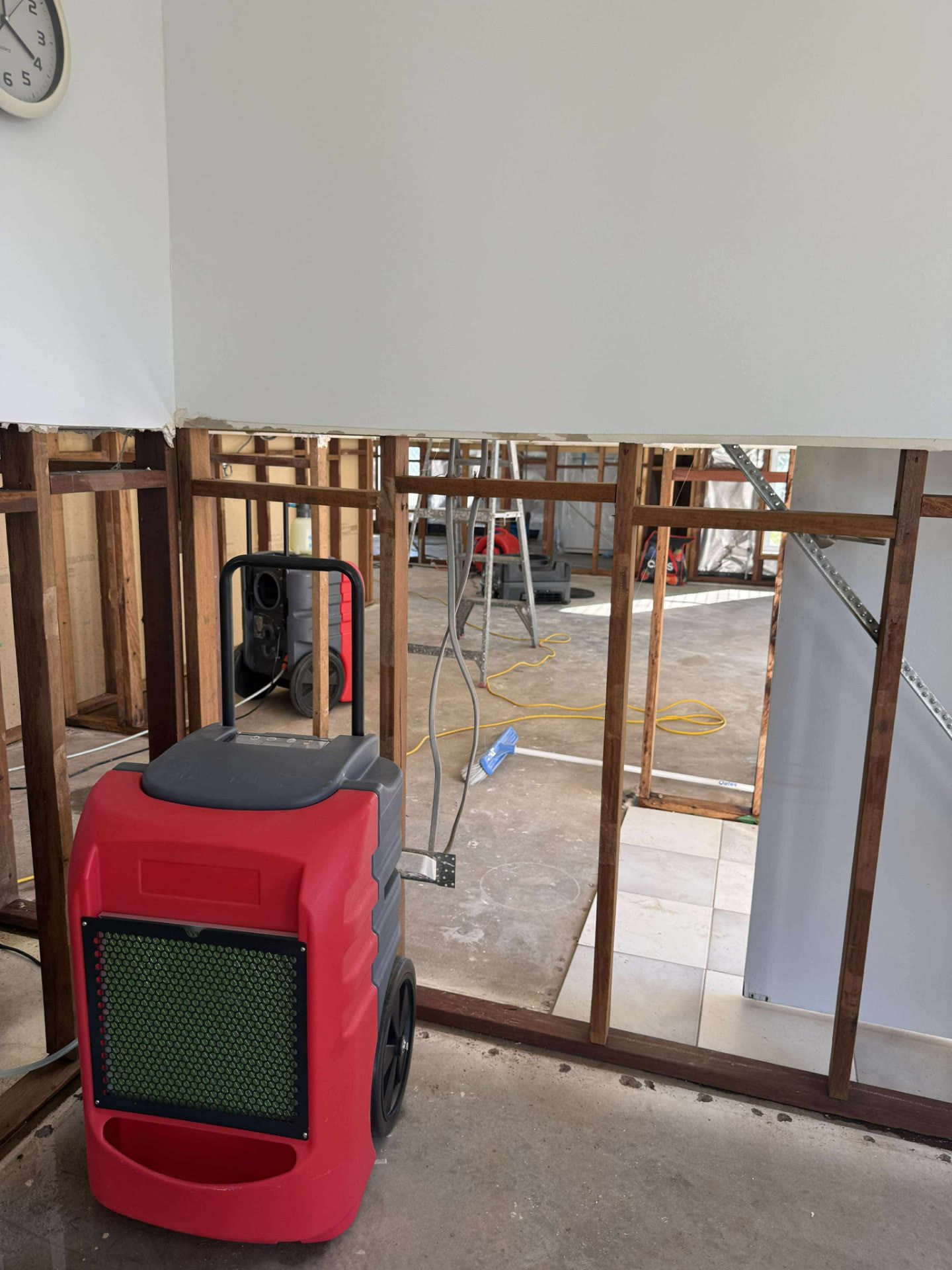
Water Damage & Structural Drying
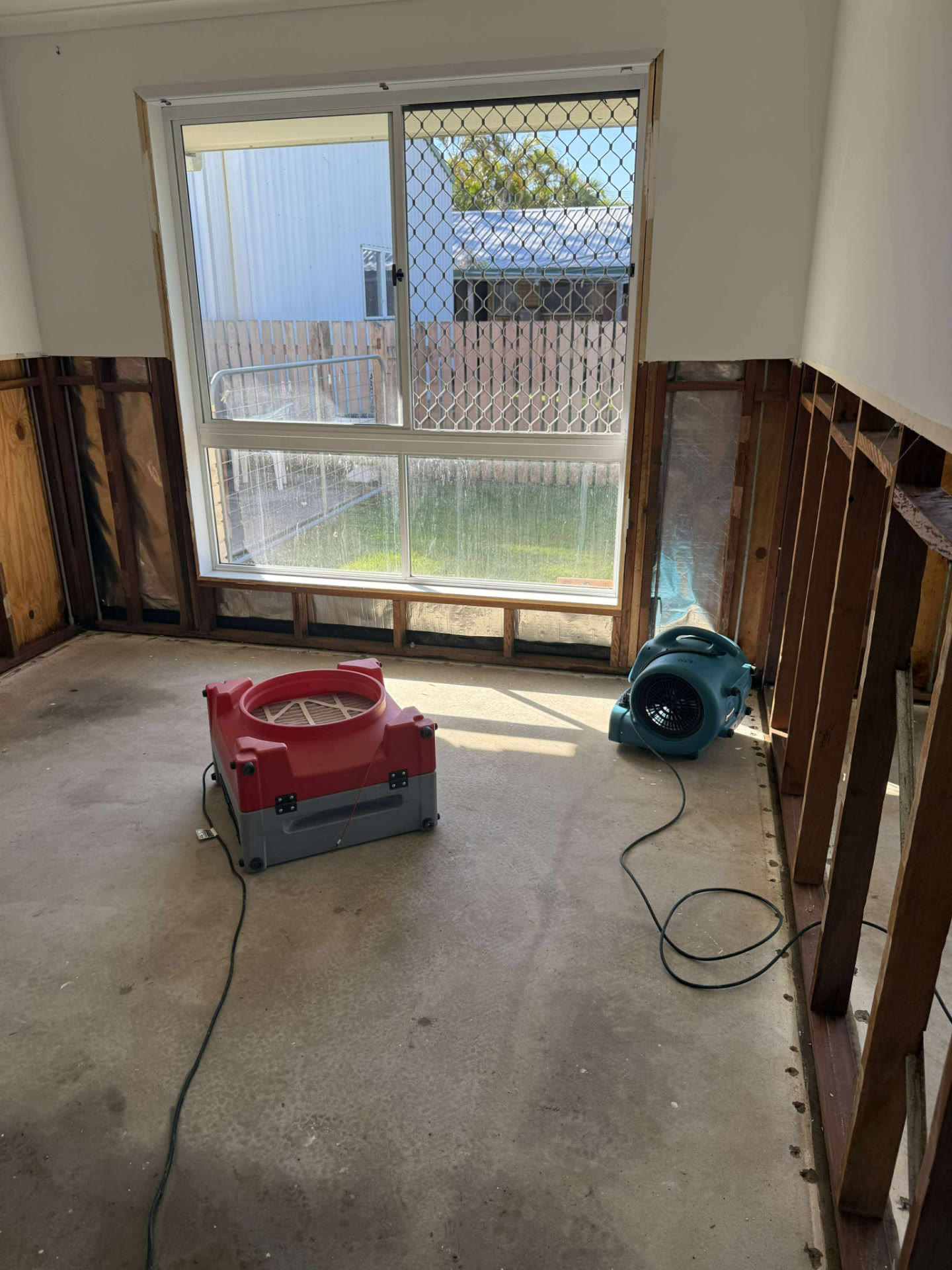
Water damage restoration in Geneva after roof leaks, plumbing leaks, storms or actual flooding, with structural drying monitored by moisture readings.
Learn moreFor leak-affected framing and ceilings, see our structural drying and moisture monitoring. We also support insurance and commercial remediation projects, with independent hygienist assessments and testing arranged where needed.
How we work
Our Mould Remediation Process
- 1
Inspection & Assessment
We talk through the history, take moisture readings and thermal images, and confirm what's feeding the mould.
- 2
Containment & Air Filtration
Where the scope needs it, we seal the work area and run HEPA air filtration to protect the rest of the property.
- 3
Remediation & Cleaning
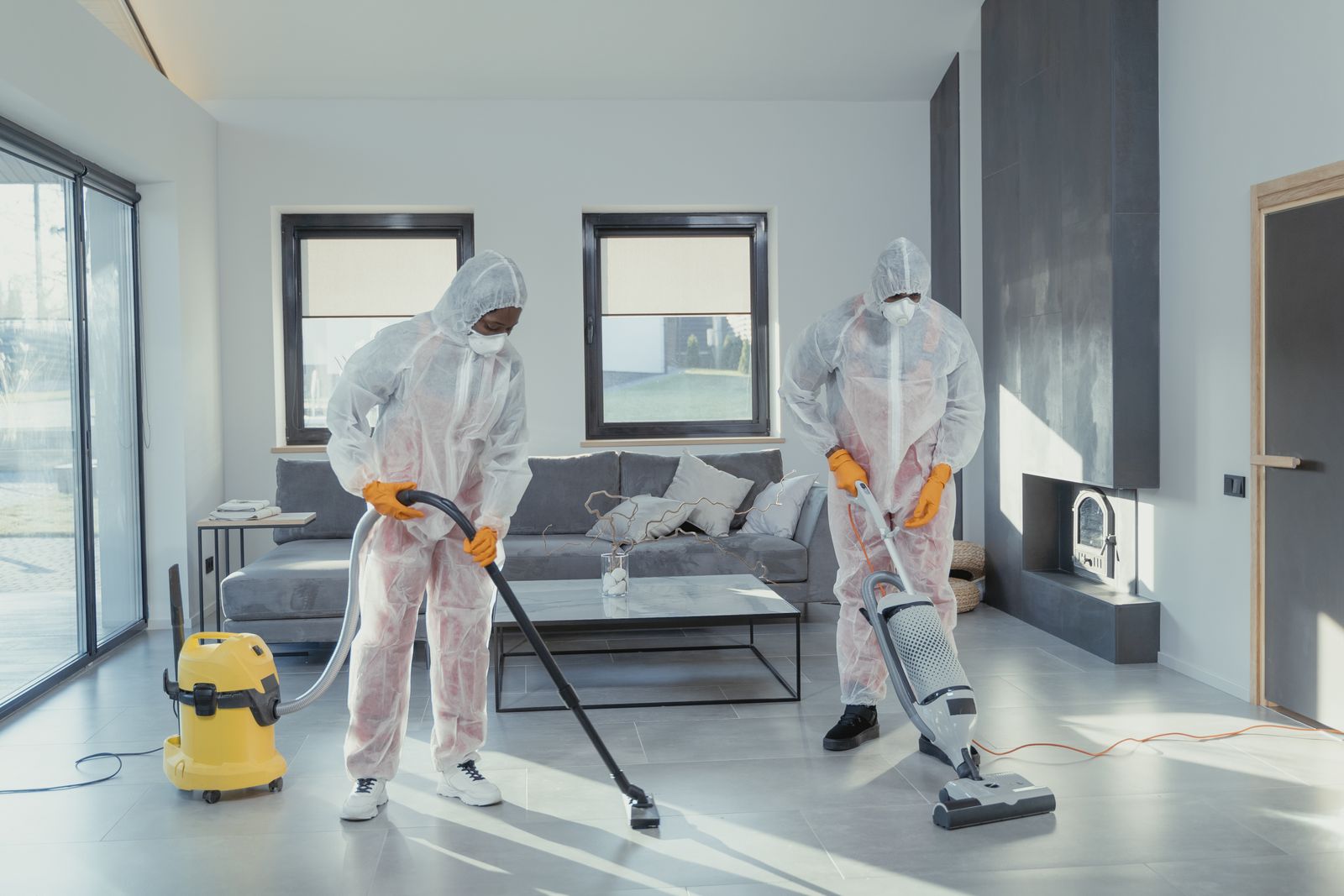
Contaminated porous materials are removed and salvageable surfaces are HEPA-vacuumed and cleaned.
- 4
Drying, Verification & Recommendations
Structural drying, final moisture readings and a documented report with photos and advice to stop it returning.
Not every step is needed on every job — we explain the proposed scope before work begins. Independent clearance testing can be arranged where the scope, insurer or a hygienist requires it.
Why Choose The Mould Removers in Geneva?
- Source first. We confirm the moisture source with readings and thermal imaging before we quote removal.
- Professional equipment. HEPA air scrubbers, commercial dehumidifiers, air movers and moisture meters on every job that needs them.
- Clear communication. You'll know the scope, what's being removed and why before work starts.
- Detailed reporting. Every job ends with a documented report — photos, moisture readings and a summary of the work.
- Homes and commercial premises. Houses, units, strata buildings, offices and workshops, including insurance and builder-managed jobs.
 Illustrative image
Local conditions that shape the work
These are inspection considerations, not a diagnosis of every property. We assess likely contributing conditions on site and explain any limitations or further investigations needed.
Timber homes and enclosed subfloors
In raised-floor homes, restricted airflow, plumbing leaks or damp ground beneath the building can contribute to moisture problems. Inspection should consider the subfloor as well as the rooms above.
Rural blocks and shaded buildings
Trees and sheltered positions can slow drying around houses and outbuildings. We investigate whether drainage, leaks or limited ventilation are contributing to dampness rather than assuming shade alone is the cause.
Inland Northern Rivers weather
Geneva’s humid warm periods and cooler nights can produce different moisture patterns through the year. Where actual water entry has occurred, water damage restoration focuses on affected materials and monitored drying.
Business premises and rural workspaces
Offices, storage areas and enclosed workspaces need an approach suited to their use and contents. Commercial remediation planning considers access, affected stock or equipment, and separation of the work area where required.
Our work
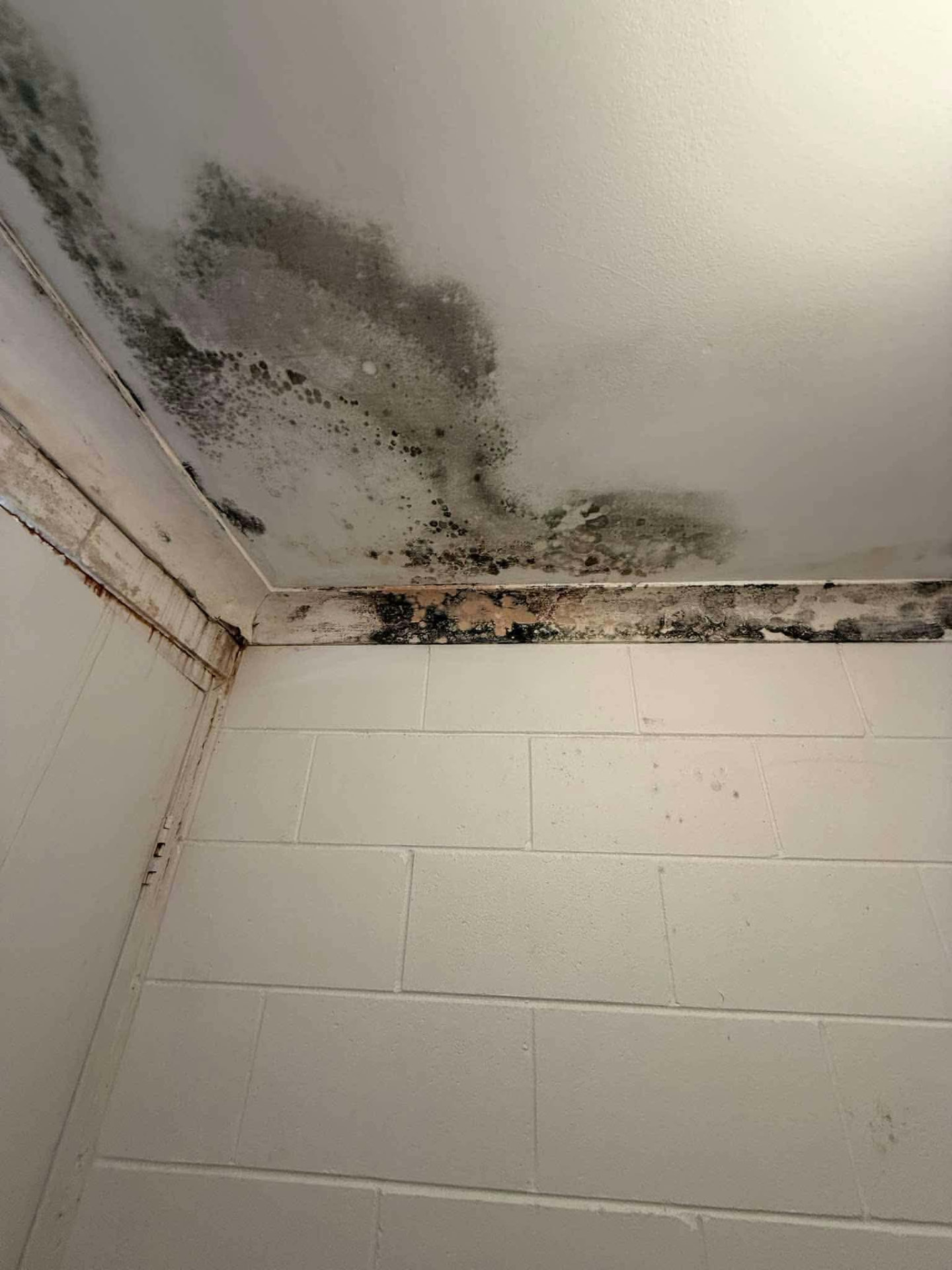
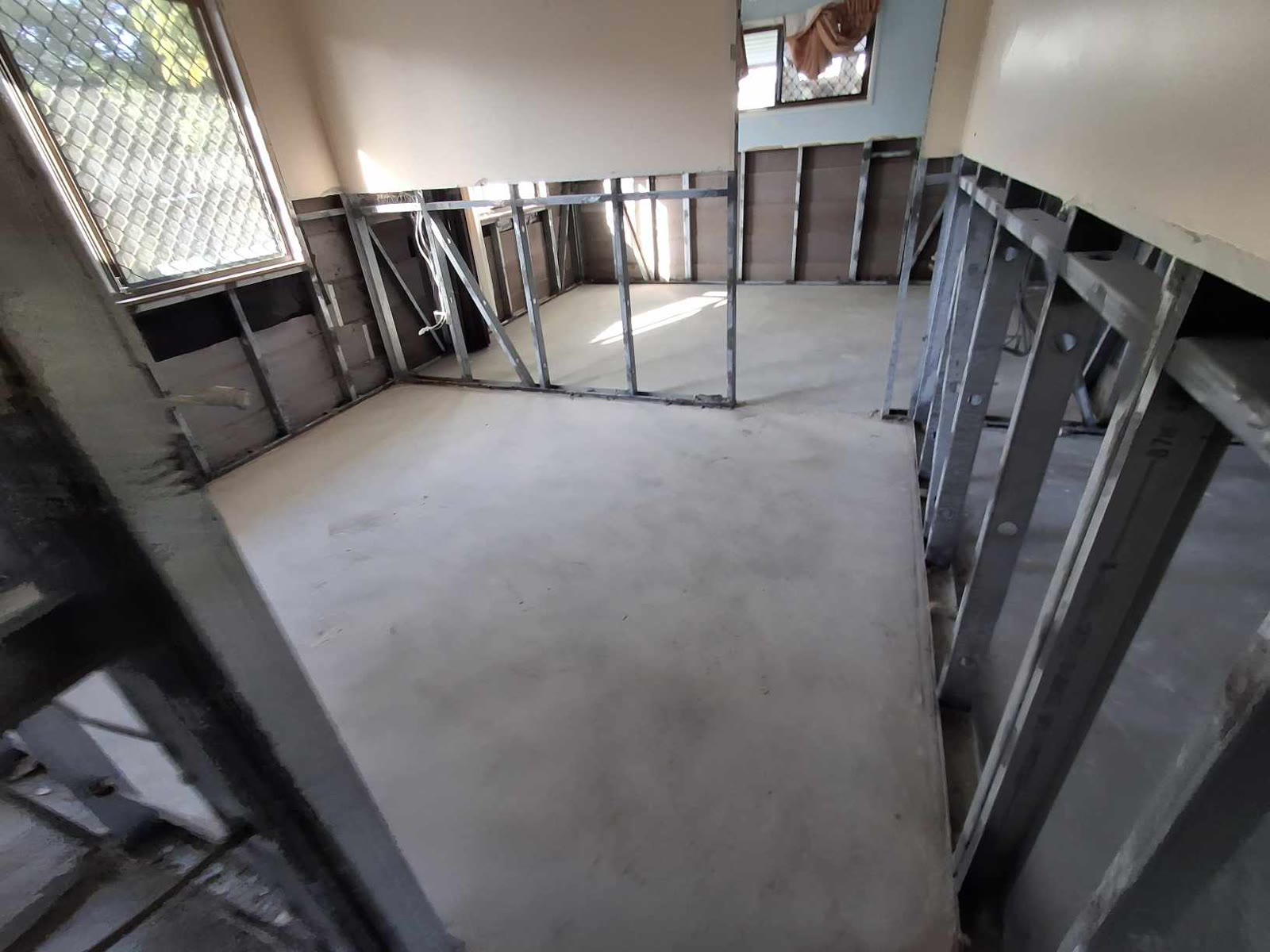
From our recent remediation jobs
Request a mould inspection or quote
Tell us what you're seeing and upload a few photos. A team member reviews every enquiry and will get back to you.
- Don't scrub, sand or pull off mouldy plasterboard — it spreads spores.
- Take clear photos of the affected areas and upload them with the form.
- Note any recent leaks, storms or plumbing work.
- In a unit or tenancy, let your strata or property manager know if the source could be shared.
Mould removal in Geneva — FAQs
Does mould in a Geneva home mean the property has flooded?
No. In Geneva’s inland Northern Rivers setting, mould can follow roof or plumbing leaks, condensation, poor ventilation or dampness beneath a raised floor. Flooding should not be assumed from mould alone. We inspect the affected areas and investigate likely moisture sources before recommending remediation. Where actual water entry has occurred, the assessment also considers wet flooring, wall linings and concealed spaces so that cleaning does not leave the underlying moisture problem unresolved.
Can you investigate mould beneath a raised timber house in Geneva?
Yes. For a raised timber house, an inspection can include accessible subfloor areas as well as affected rooms. We look for evidence of moisture, restricted ventilation, leaking services and damp building materials, subject to safe access. Rural blocks can also have site drainage issues that need assessment by an appropriate trade. We explain what we find and identify moisture-related repairs or further investigations that may be needed alongside remediation, rather than promising that surface cleaning alone will solve it.
Do you handle mould in Geneva rentals, businesses and acreage buildings?
We provide residential and commercial mould remediation, including rental homes, offices and suitable enclosed workspaces or storage buildings on rural properties. The scope depends on the building’s construction, use, affected materials and moisture source. For a tenanted property, access and work arrangements can be coordinated with the owner or property manager. For a business, we discuss practical separation of affected areas and protection of contents. Water-damaged buildings may also need drying and repairs before normal use resumes.
Will my Geneva property need testing, and do I receive a report?
Not every property needs laboratory testing. An inspection and moisture investigation help establish whether independent hygienist testing would add useful information, particularly where contamination is unclear, concealed areas are suspected or an independent assessment of the outcome is required. We can arrange that testing where needed and explain its purpose before proceeding. At job end, you receive a documented report covering the remediation completed, relevant findings and recommendations, including any outstanding moisture issues requiring attention.
Nearby service areas

Call 0418 344 573 for Geneva mould help
A professional inspection and a clear remediation plan from our Northern Rivers team.
Photo: Aliceinthealice, CC0