

Local mould remediation · Bilambil Heights
Professional Mould Removal Bilambil Heights
We provide certified mould remediation, diagnostic moisture inspections and structural drying for hillside homes, duplexes and residential strata properties across Bilambil Heights and the scenic Tweed Shire hinterland ridge.
- QBCC Licence 15082064
- IICRC industry methods
- Homes, units & commercial
- Documented report every job
Photo: Kpravin2, CC BY-SA 4.0
Mould Remediation & Moisture Investigations in Bilambil Heights
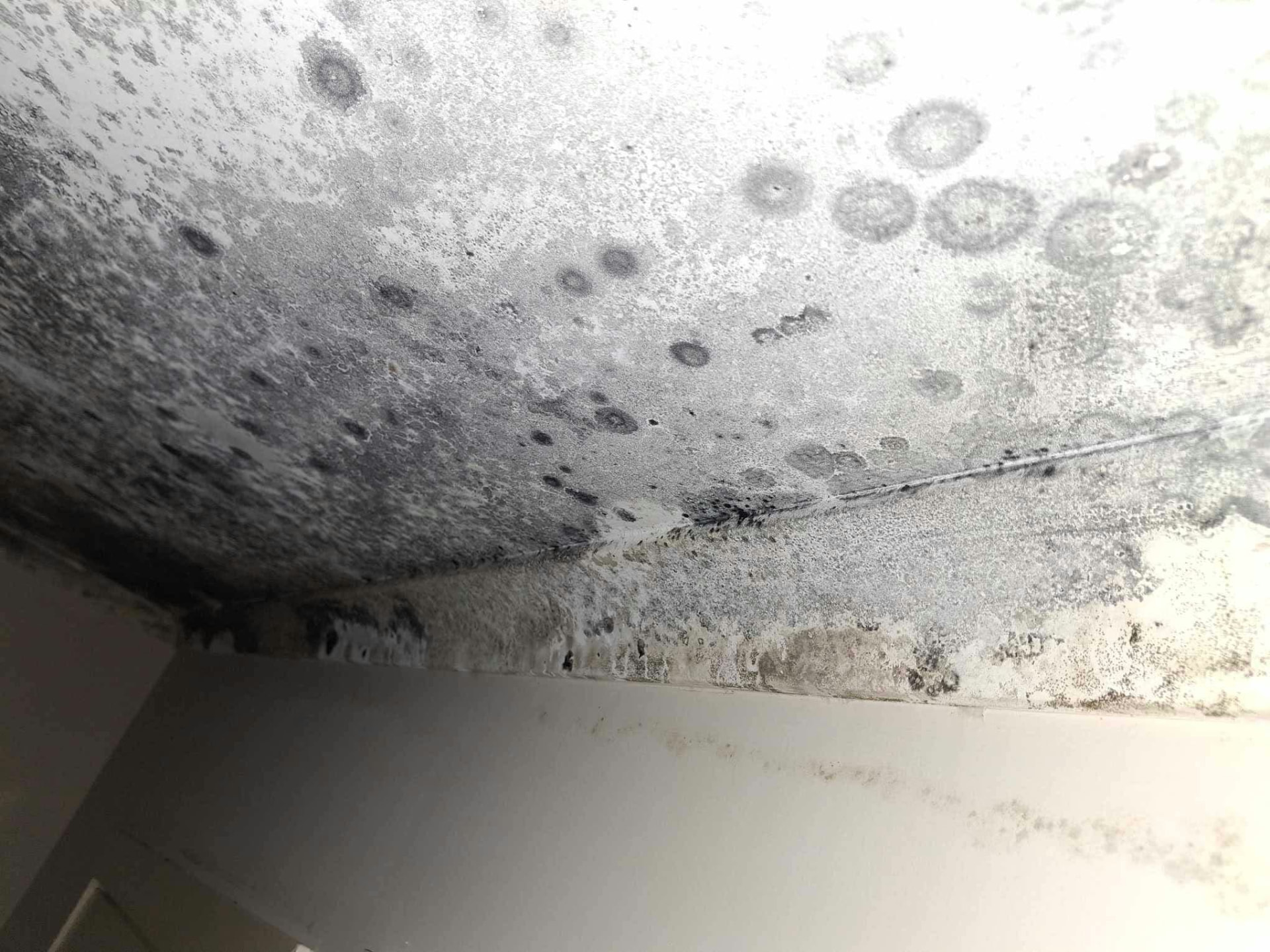
Overlooking the Terranora and Cobaki broadwaters, Bilambil Heights features an elevated landscape of split-level brick residences, timber-framed family homes, and modern architectural builds. According to 2021 Census data, there are 1,388 private dwellings across the suburb. The elevated ridge catches moist maritime air from the Tweed coastline, which frequently cools against the hillside. This dynamic causes persistent condensation within under-house storage areas, suspended timber floors, and poorly ventilated southern elevations, fostering indoor mould where damp air remains trapped.
Our IICRC-certified technicians deliver comprehensive mould remediation, targeted moisture investigations, and water damage restoration for homes, commercial premises, and strata properties in Bilambil Heights. Rather than masking surface contamination, we identify the underlying moisture driver, utilise HEPA filtration and structural drying equipment, and treat affected surfaces safely. Because unaddressed growth can affect indoor air quality, every remediation project concludes with a detailed documented report verifying that moisture levels have stabilised and your indoor environment is secure.
Book a Mould Inspection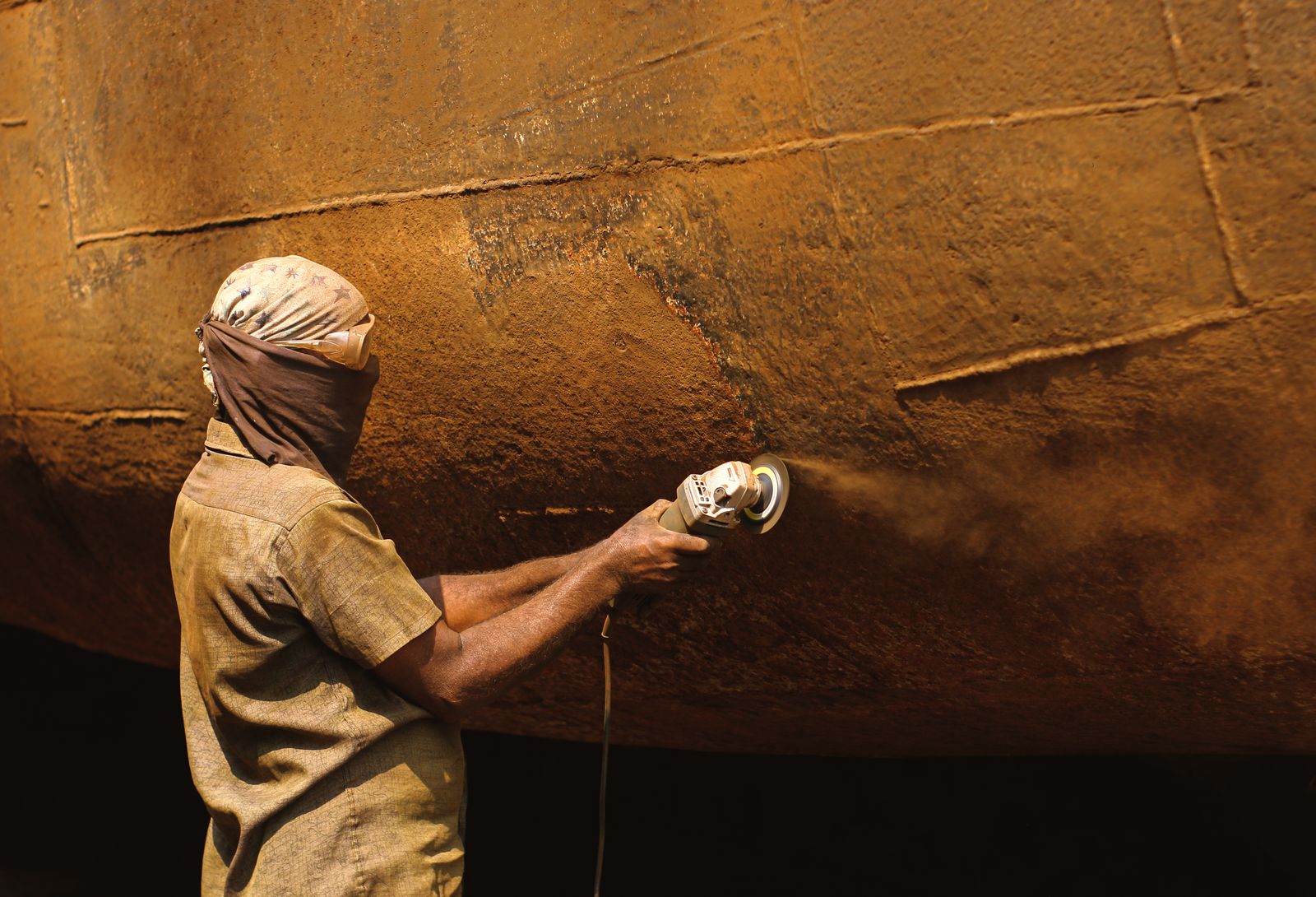
Common signs of mould
- Musty, damp odours circulating through split-level living zones or enclosed basements
- Visible dark speckling or discolouration along external bedroom walls and ceilings
- Persistent condensation forming on window glass and aluminium framing during humid weather
- Efflorescence, peeling paint, or damp staining against sub-grade retaining walls
- Mould colonies flourishing behind built-in wardrobes, under beds, and behind heavy furniture
- Spongy floorboards or musty damp pockets trapped within unvented subfloor cavities
Our Mould Remediation Services in Bilambil Heights
 Illustrative image
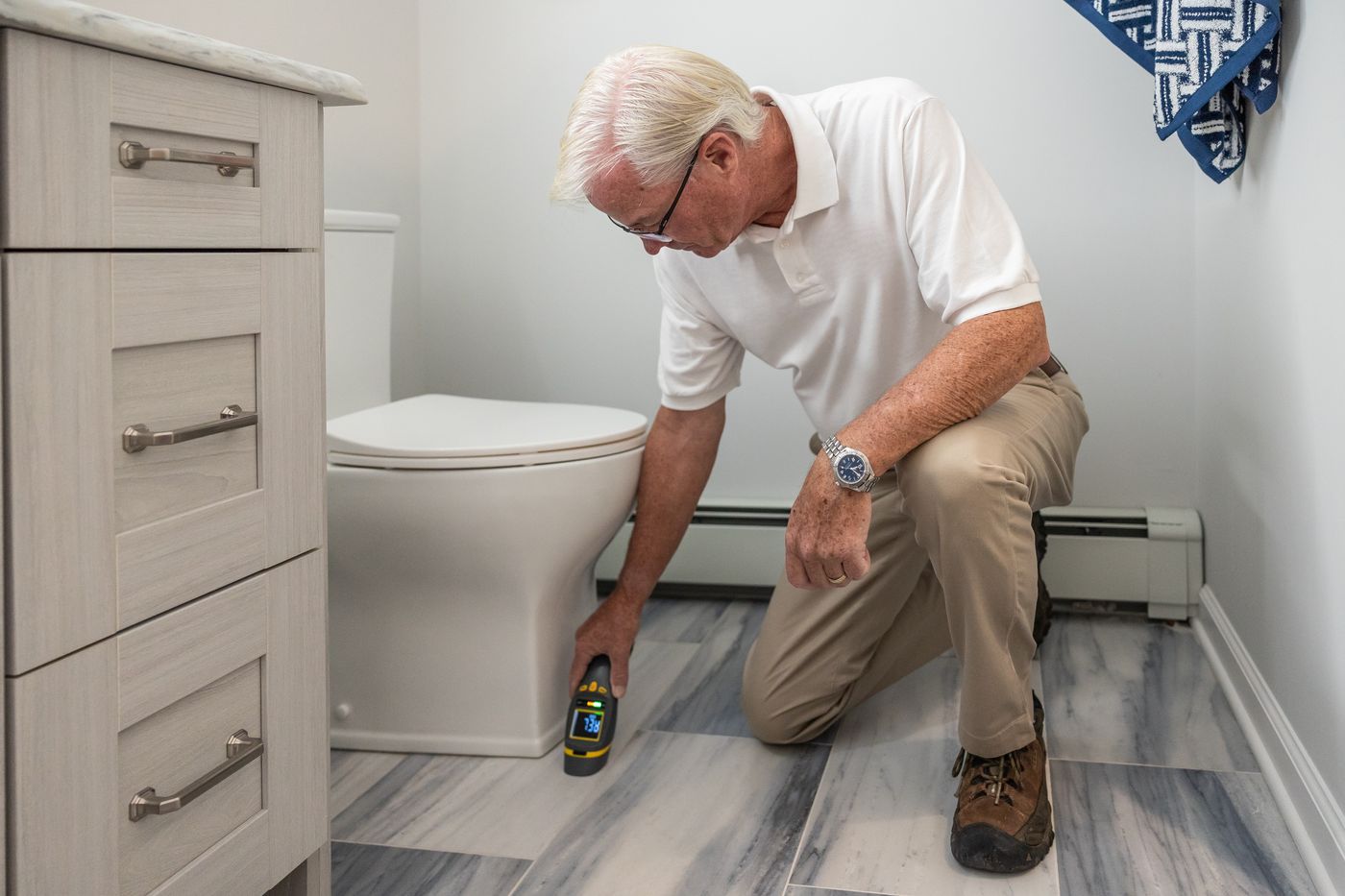
Mould Inspections & Moisture Investigations
Visual assessment, moisture readings and thermal imaging to find the water behind mould in Bilambil Heights homes, units and commercial premises. Sampling, where needed, is arranged with an independent hygienist.
Learn more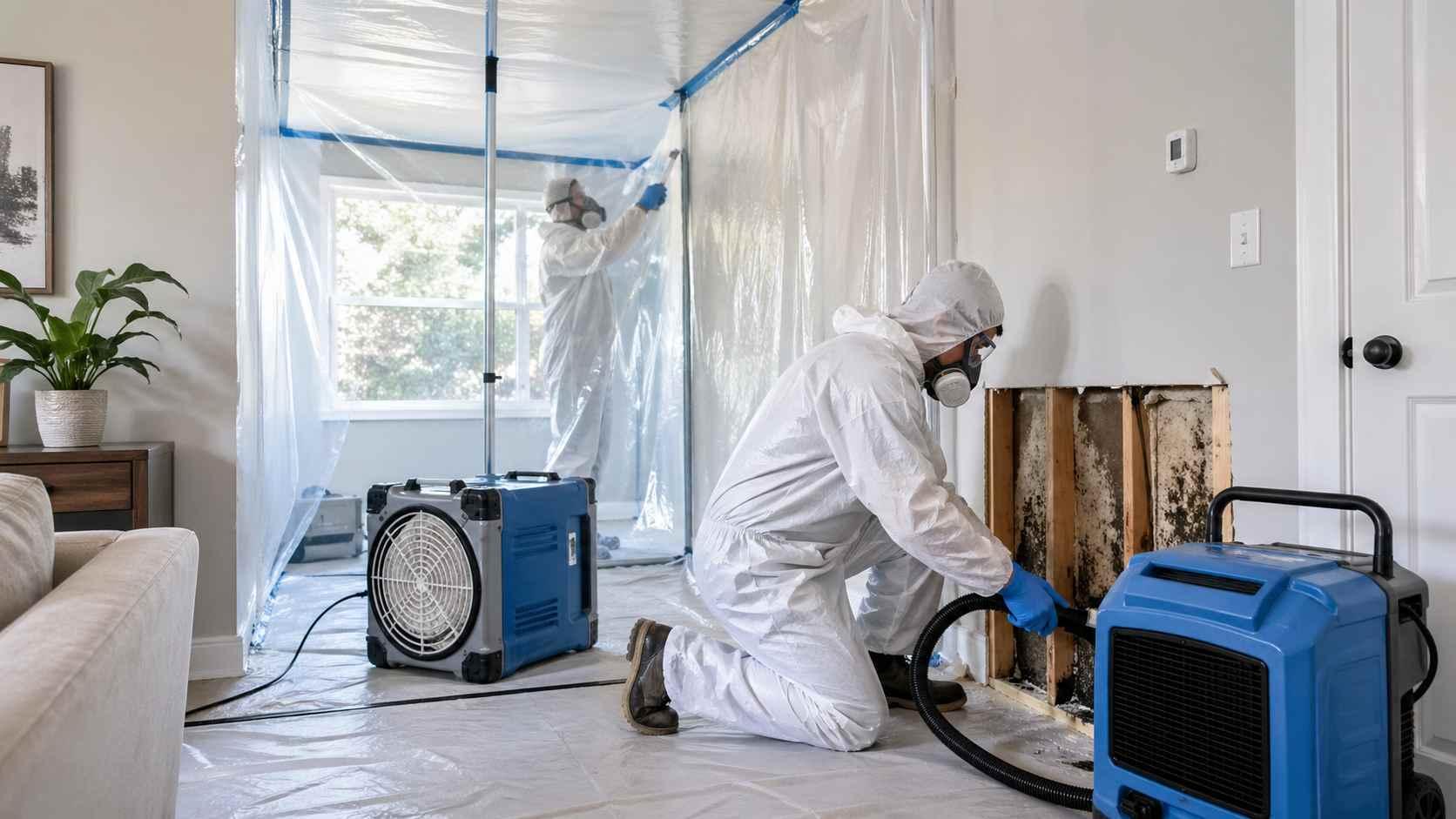 Illustrative image
Residential & Commercial Mould Removal
Controlled removal of mould-affected plasterboard, ceilings, insulation and fittings, planned around occupants, tenants and strata requirements.
Learn more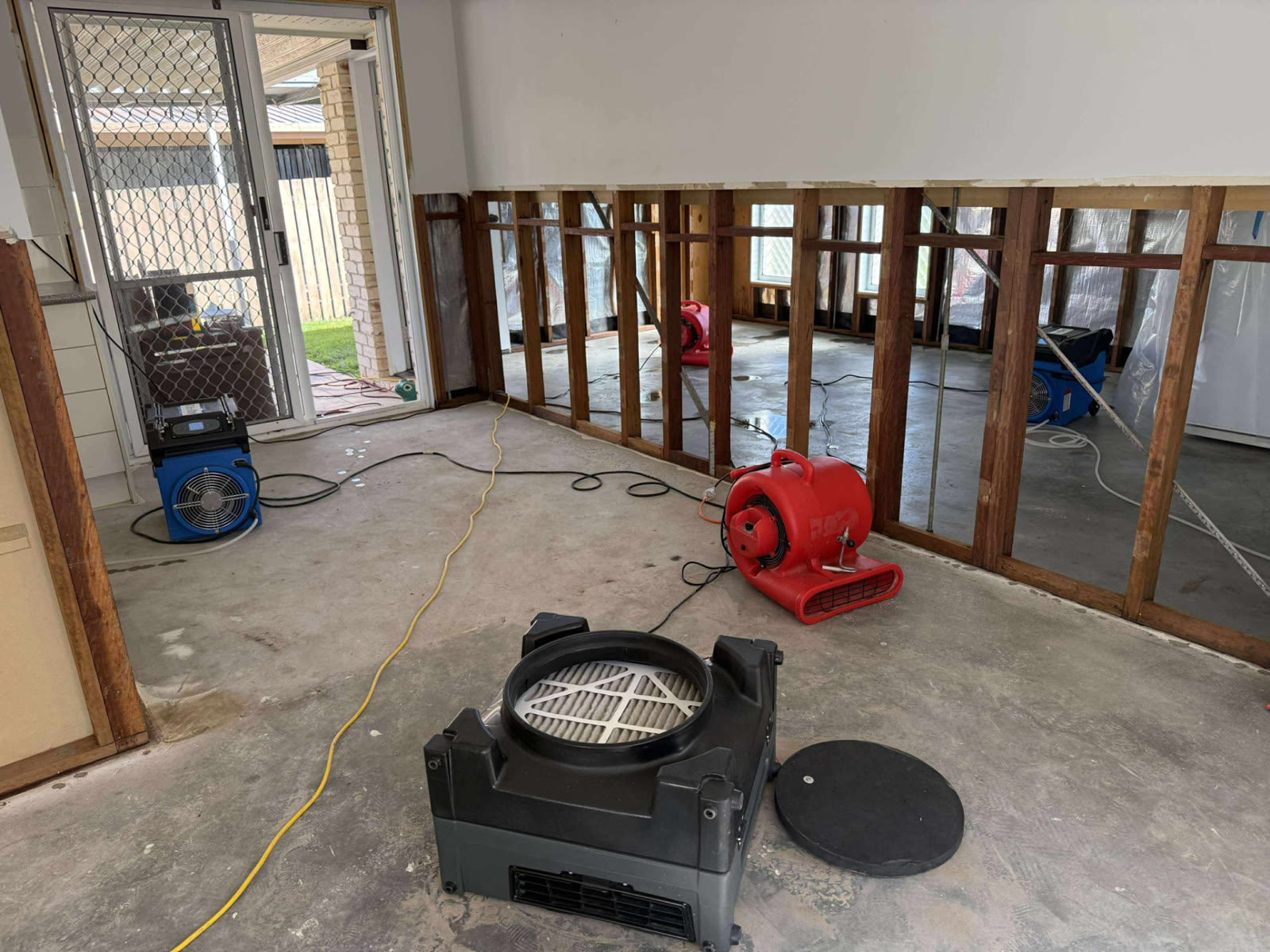
Containment & HEPA Air Filtration
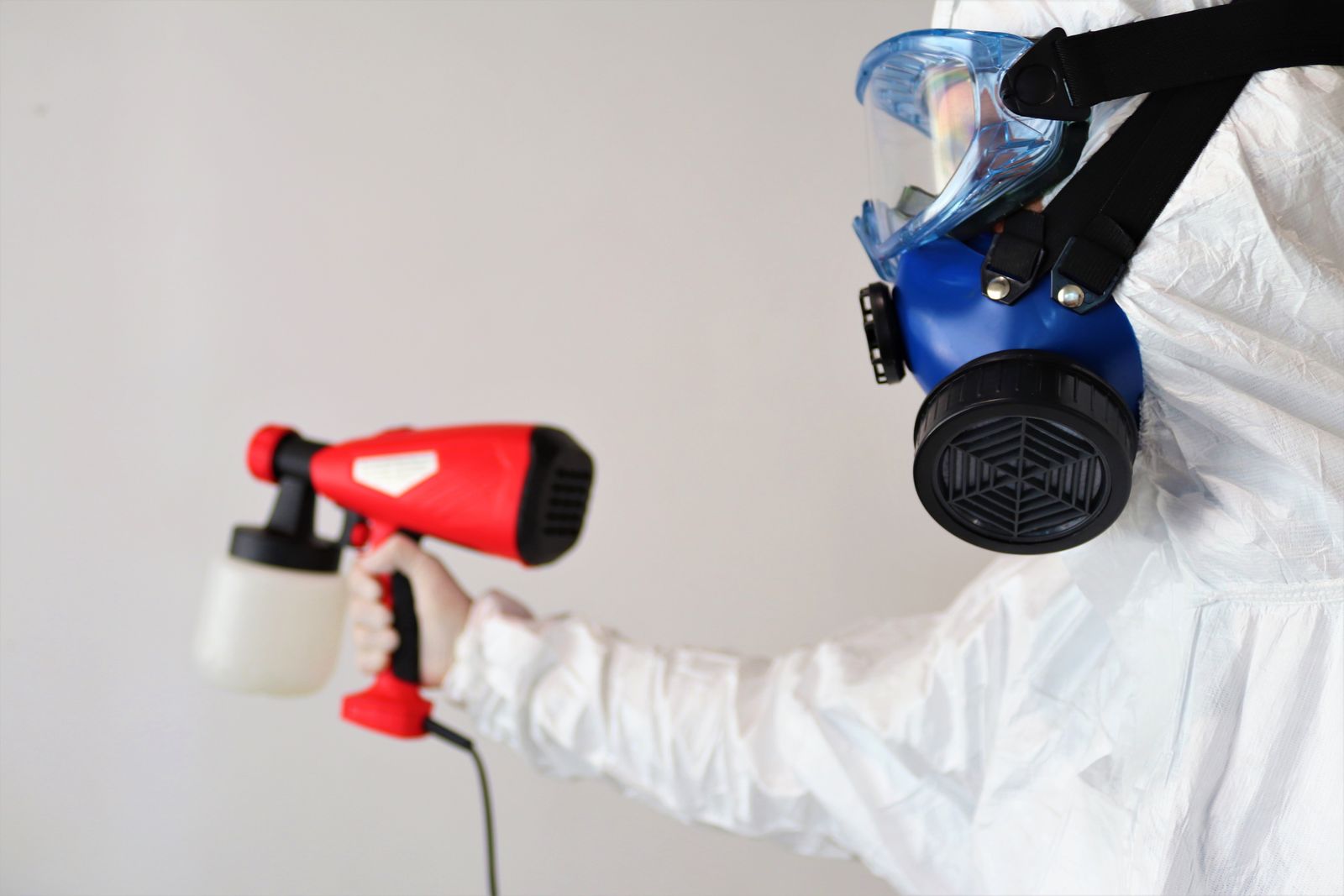
Plastic barriers and HEPA air scrubbers to reduce the spread of spores beyond the work area. The containment plan depends on the property and scope.
Learn more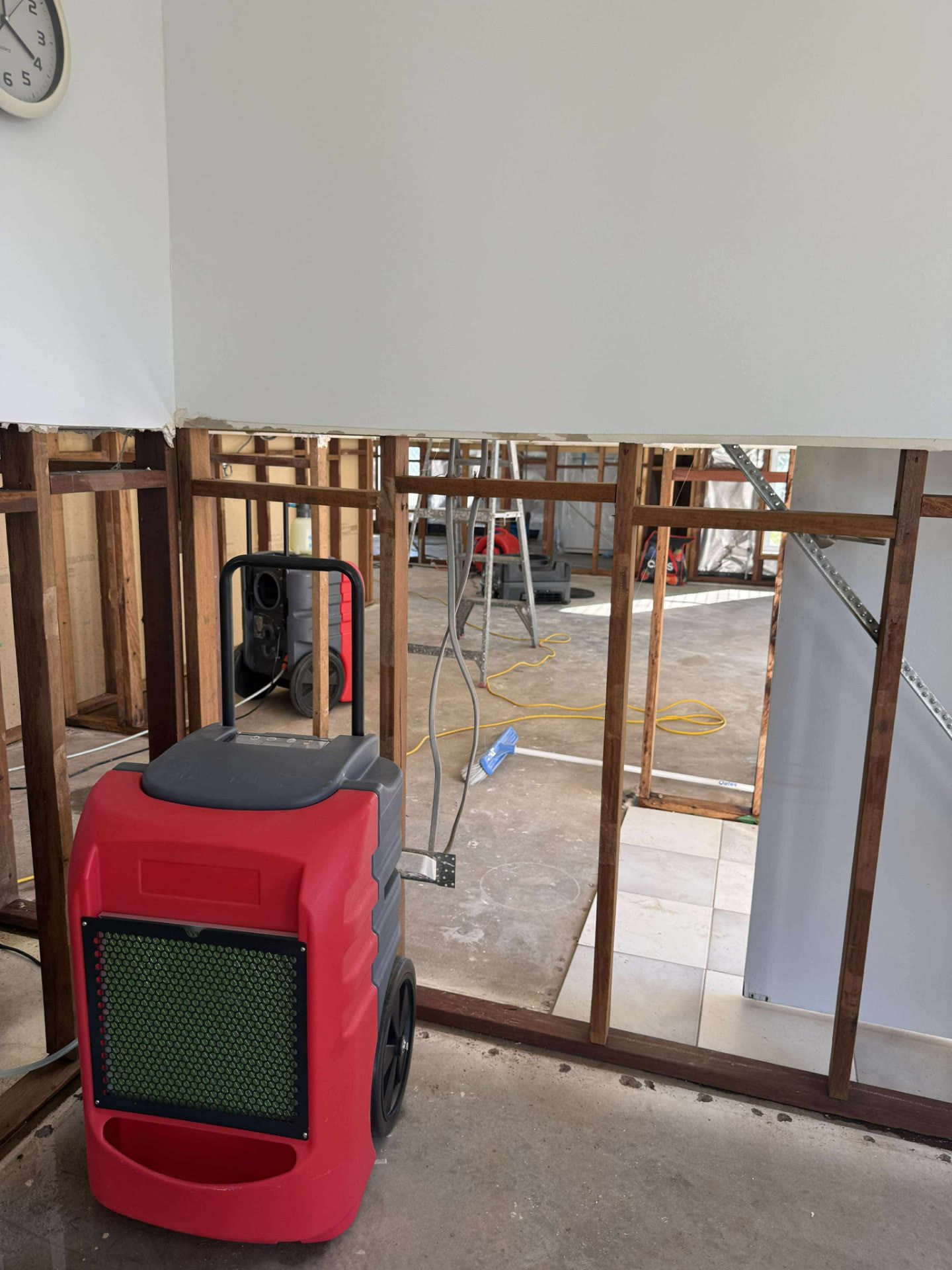
Water Damage & Structural Drying
Water damage restoration in Bilambil Heights after roof leaks, plumbing leaks, storms or actual flooding, with structural drying monitored by moisture readings.
Learn moreFor leak-affected framing and ceilings, see our structural drying and moisture monitoring. We also support insurance and commercial remediation projects, with independent hygienist assessments and testing arranged where needed.
How we work
Our Mould Remediation Process
- 1
Inspection & Assessment
We talk through the history, take moisture readings and thermal images, and confirm what's feeding the mould.
- 2
Containment & Air Filtration
Where the scope needs it, we seal the work area and run HEPA air filtration to protect the rest of the property.
- 3
Remediation & Cleaning
Contaminated porous materials are removed and salvageable surfaces are HEPA-vacuumed and cleaned.
- 4
Drying, Verification & Recommendations
Structural drying, final moisture readings and a documented report with photos and advice to stop it returning.
Not every step is needed on every job — we explain the proposed scope before work begins. Independent clearance testing can be arranged where the scope, insurer or a hygienist requires it.
Why Choose The Mould Removers in Bilambil Heights?
- Source first. We confirm the moisture source with readings and thermal imaging before we quote removal.
- Professional equipment. HEPA air scrubbers, commercial dehumidifiers, air movers and moisture meters on every job that needs them.
- Clear communication. You'll know the scope, what's being removed and why before work starts.
- Detailed reporting. Every job ends with a documented report — photos, moisture readings and a summary of the work.
- Homes and commercial premises. Houses, units, strata buildings, offices and workshops, including insurance and builder-managed jobs.
 Illustrative image
Addressing Hillside & Hinterland Moisture in Bilambil Heights
These are inspection considerations, not a diagnosis of every property. We assess likely contributing conditions on site and explain any limitations or further investigations needed.
Hillside & Split-Level Homes
Steep terrain often creates subfloor moisture pooling and damp migration against earth-retaining walls.
Broadwater Humidity
Elevation above surrounding waterways exposes properties to heavy coastal dew and condensation cycles.
Strata & Townhouse Blocks
Shared structural elements and enclosed ceiling cavities require coordinated moisture assessment across adjoining lots.
Storm Runoff & Water Ingress
High rainfall on sloping allotments can lead to sudden ground saturation and hidden structural water damage.
Our work
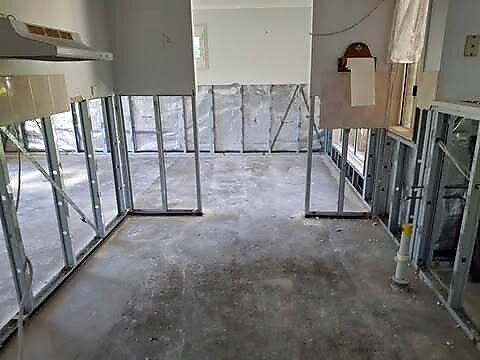
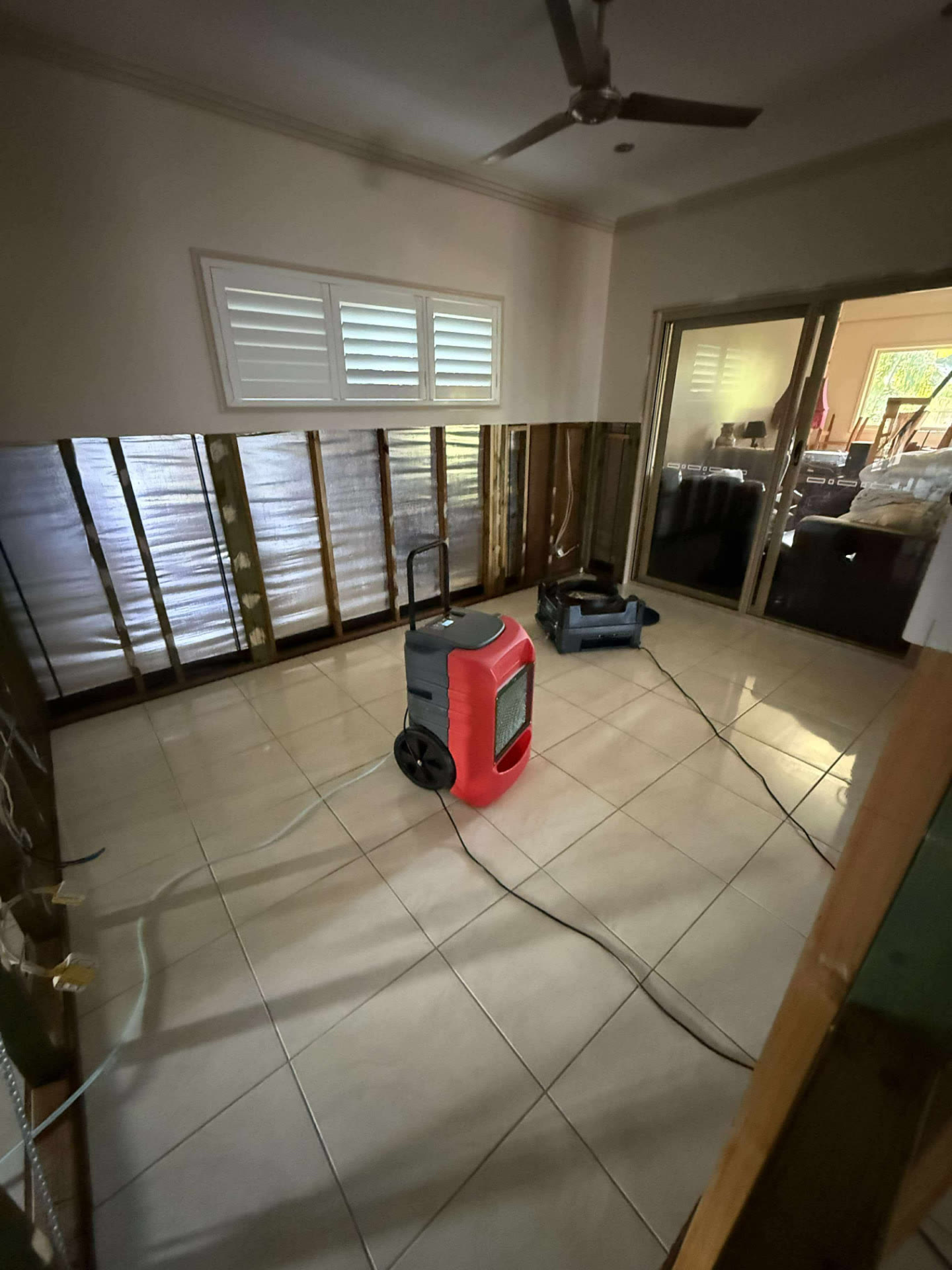
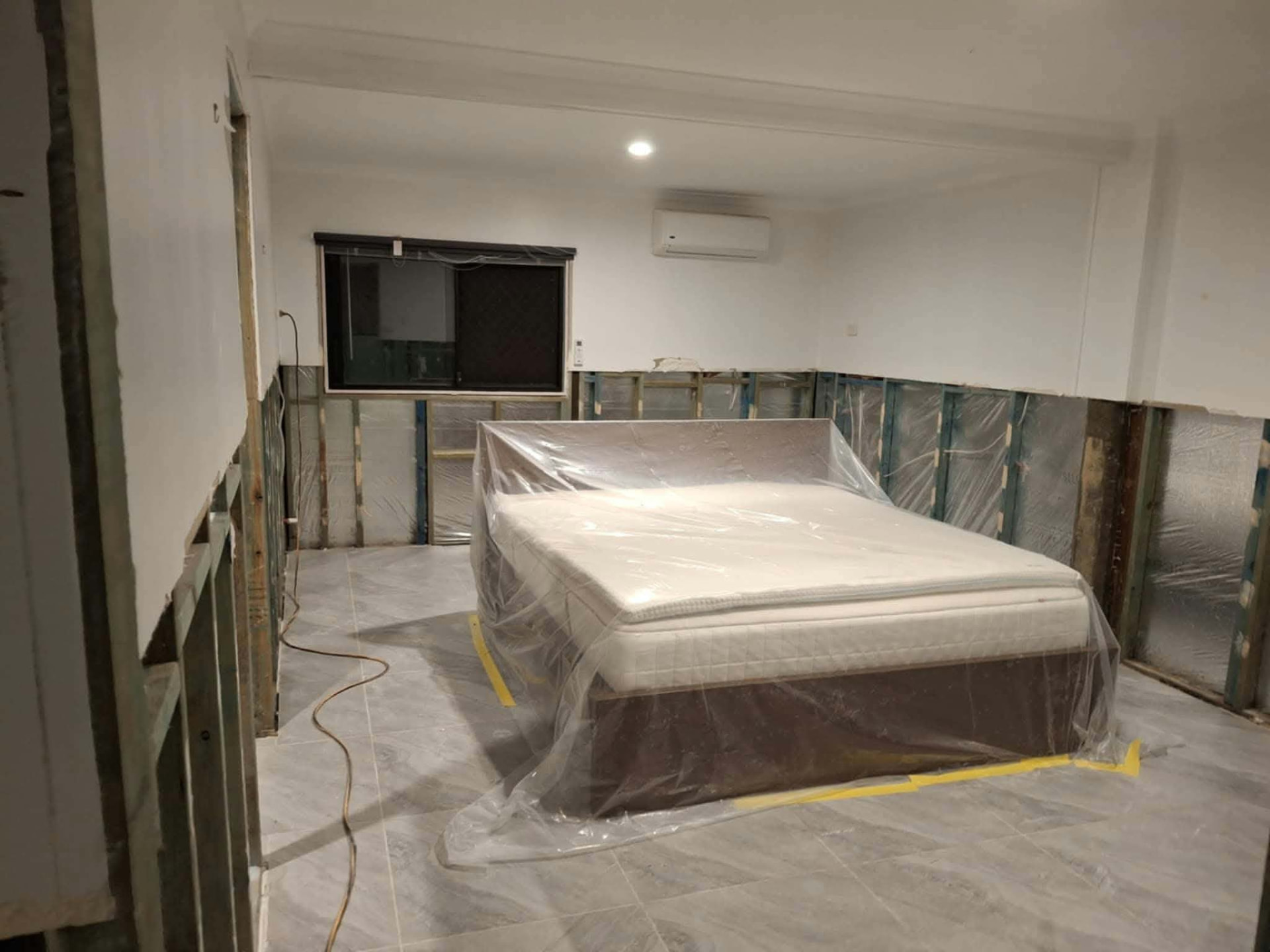
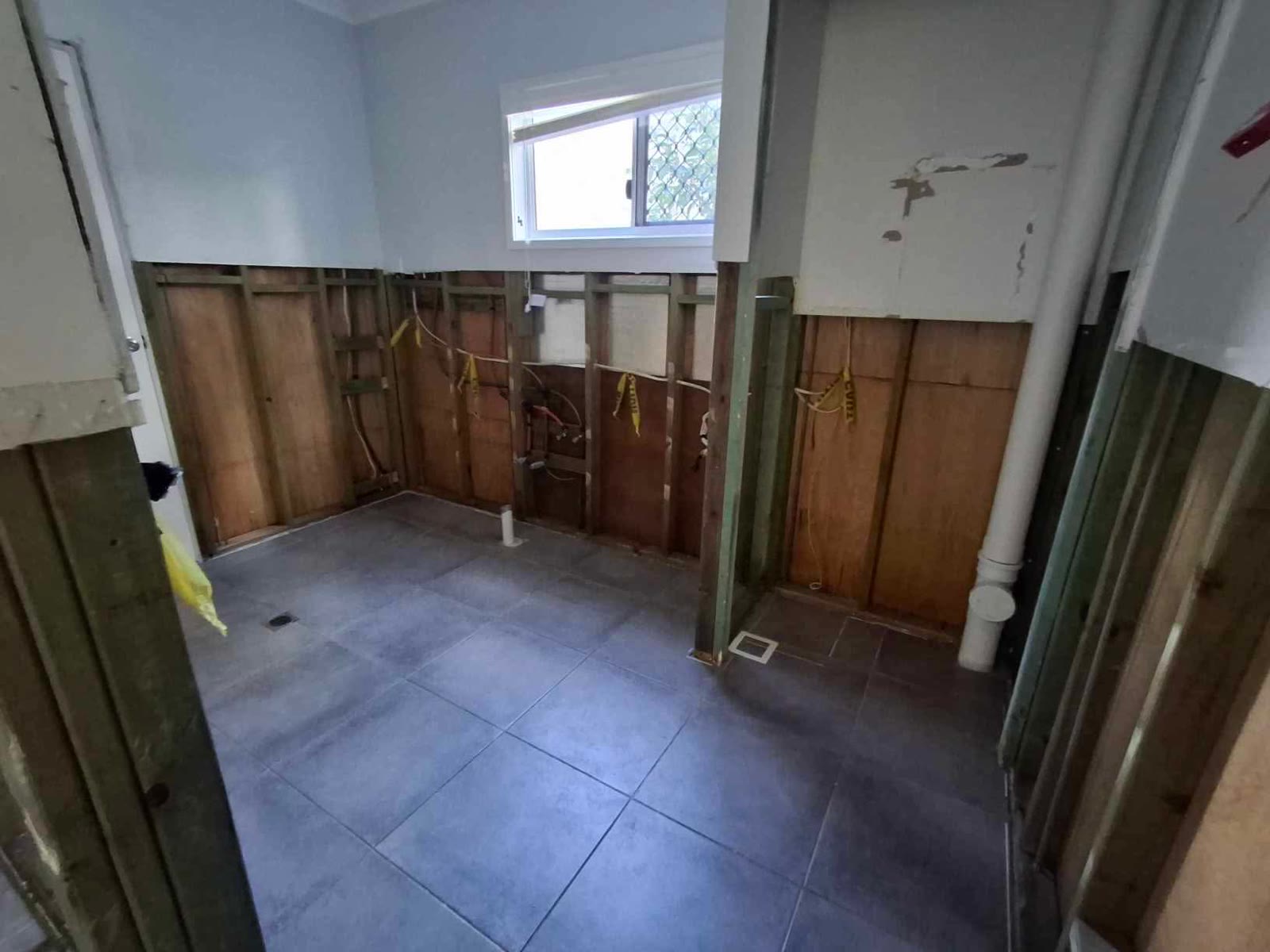
From our recent remediation jobs
Request a mould inspection or quote
Tell us what you're seeing and upload a few photos. A team member reviews every enquiry and will get back to you.
- Don't scrub, sand or pull off mouldy plasterboard — it spreads spores.
- Take clear photos of the affected areas and upload them with the form.
- Note any recent leaks, storms or plumbing work.
- In a unit or tenancy, let your strata or property manager know if the source could be shared.
Mould removal in Bilambil Heights — FAQs
Why is mould so common in Bilambil Heights split-level homes?
Split-level and pole homes built on sloping terrain often feature cut-in earth banks or enclosed subfloors. Ground moisture can seep through retaining structures or rise into living spaces if subfloor cross-ventilation or sub-surface drainage is inadequate.
How do you handle mould remediation in Bilambil Heights strata schemes?
We liaise with strata managers, owners corporations, and residents to investigate moisture sources across shared cavities or external walls. Our team follows strict containment protocols and provides documented reports clearly distinguishing lot property from common property causes.
Can you assist with water damage restoration following heavy rain or burst pipes?
Yes, we provide complete water damage restoration. We extract standing moisture, install industrial dehumidifiers and air movers, monitor drying targets with calibrated meters, and remediate secondary mould growth to restore structural integrity.
What documentation do you provide once mould remediation is complete?
Every project concludes with an independent, documented documented report. This document details pre-remediation moisture readings, thermal imagery, the scope of work performed, and final dry-standard verification for property owners, insurers, or tenants.
What do we get when the job is finished?
Every job ends with a documented report — photos, moisture readings and a summary of the work. Independent post-remediation verification can be arranged where the scope, insurer or a hygienist requires it.

Book Your Bilambil Heights Moisture Inspection
A professional inspection and a clear remediation plan from our Tweed and Gold Coast team.
Photo: Aliceinthealice, CC0