

Local mould remediation · Burringbar
Professional Mould Removal Burringbar
Delivering IICRC-certified mould remediation, moisture investigations, and water damage restoration for rural residences, timber cottages, and local commercial properties throughout the lush Burringbar Valley.
- QBCC Licence 15082064
- IICRC industry methods
- Homes, units & commercial
- Documented report every job
Photo: Grumpyyoungman01 at English Wikipedia, Public domain
Mould Remediation & Moisture Investigations in Burringbar
Nestled in the Tweed Shire hinterland, Burringbar is characterised by standalone homes, classic timber cottages, and small acreage properties surrounded by dense subtropical vegetation. The local geography along Burringbar Creek brings heavy seasonal rainfall, persistent valley dampness, and poor air movement beneath elevated subfloors. With building stock consisting almost entirely of detached dwellings, unmanaged ground moisture, roof leaks, and high relative humidity can quickly allow mould growth to take hold across structural timbers and living areas.
The Mould Removers delivers expert mould remediation and moisture investigations tailored to Burringbar's distinct rural climate. We support residential homeowners, rural landlords, and local village commercial premises, as well as strata-titled community lots. In properties where actual water entry has occurred or dampness lingers, our technicians use calibrated moisture detection tools to find the root cause, clean affected surfaces with antimicrobial treatments, and dry wet building materials. Every project concludes with a documented documented report detailing our findings and completed remediation.
Book a Mould Inspection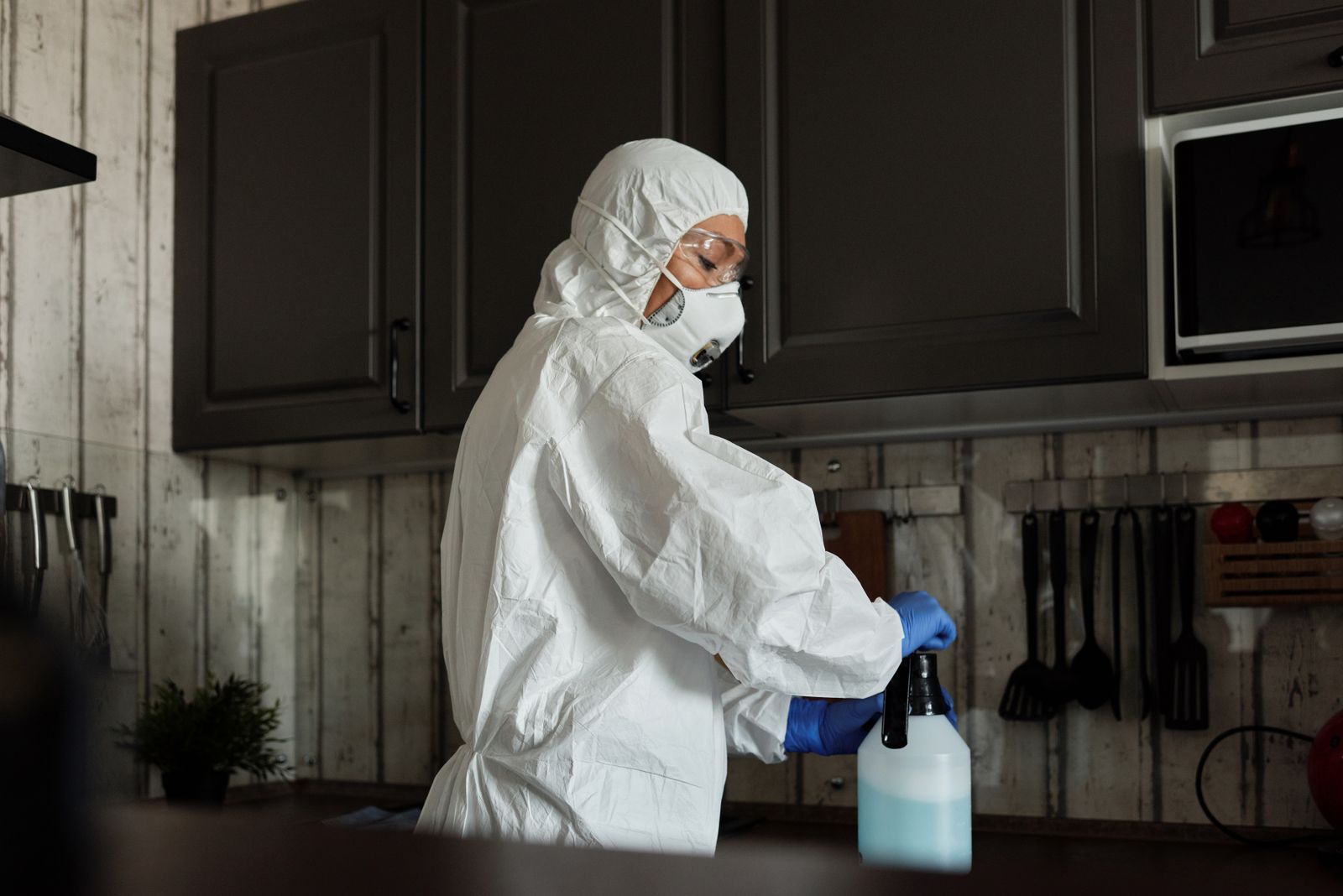
Common signs of mould
- Persistent earthy or musty odours inside rural timber cottages
- Visible fungal growth along timber floorboards, joists, and subfloors
- Mould blooms spreading on plasterboard walls and ceilings
- Discolouration on wardrobe backing boards, footwear, and soft furnishings
- Trapped damp or condensation pooling along window frames during wet spells
- Water stains or peeling paint following severe rainfall events
Our Mould Remediation Services in Burringbar
 Illustrative image
Mould Inspections & Moisture Investigations
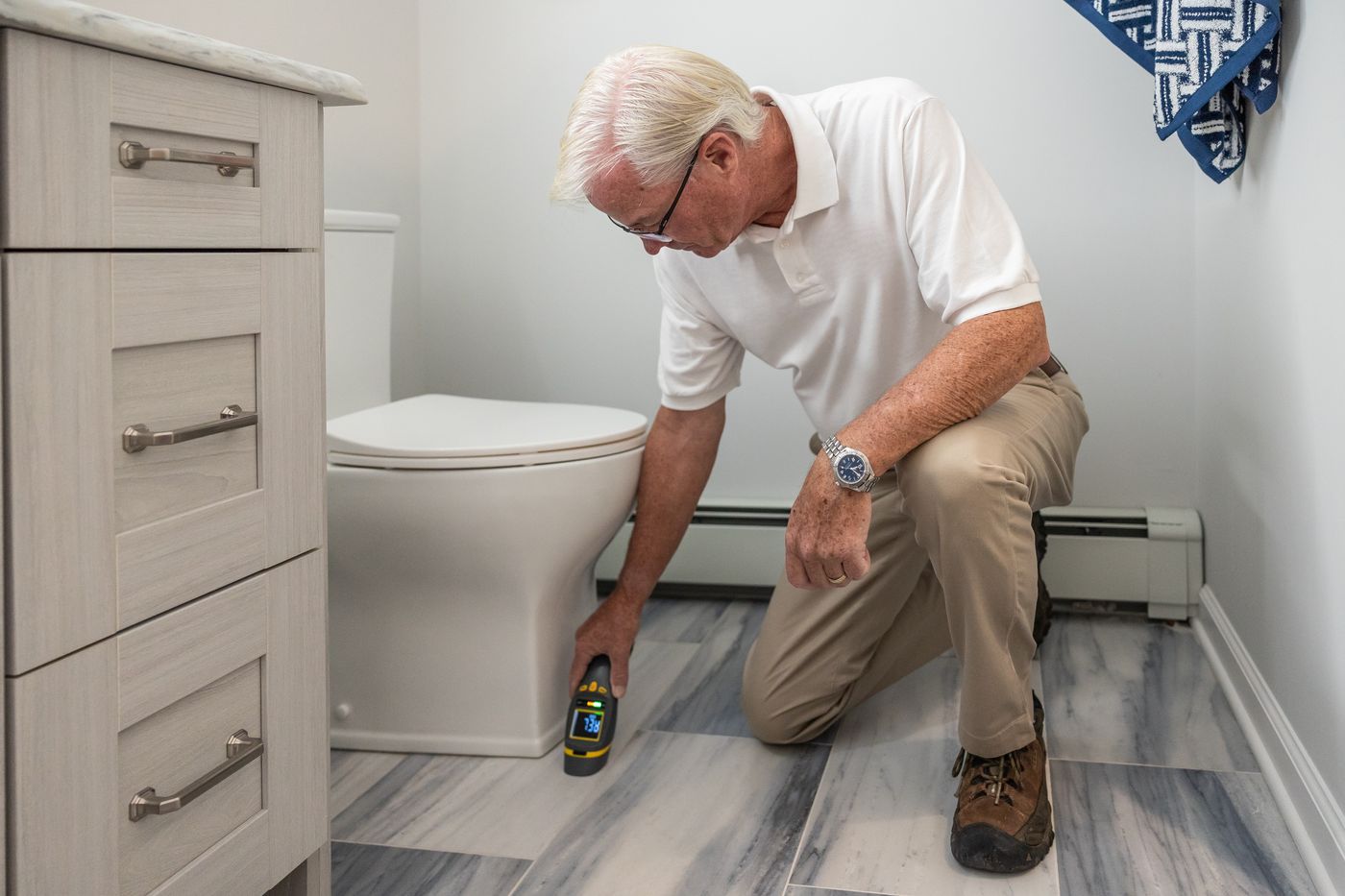
Visual assessment, moisture readings and thermal imaging to find the water behind mould in Burringbar homes, units and commercial premises. Sampling, where needed, is arranged with an independent hygienist.
Learn more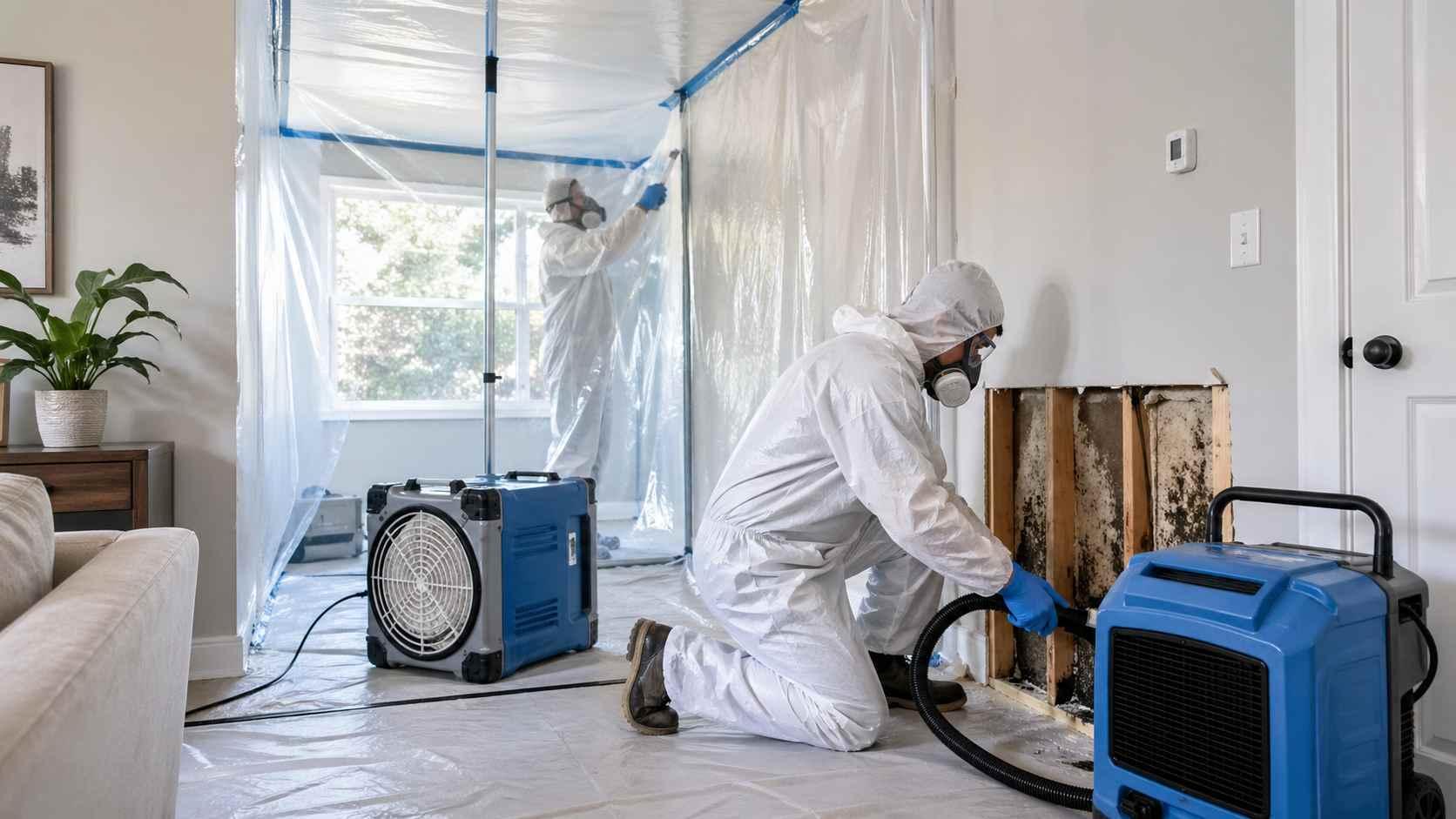 Illustrative image
Residential & Commercial Mould Removal
Controlled removal of mould-affected plasterboard, ceilings, insulation and fittings, planned around occupants, tenants and strata requirements.
Learn more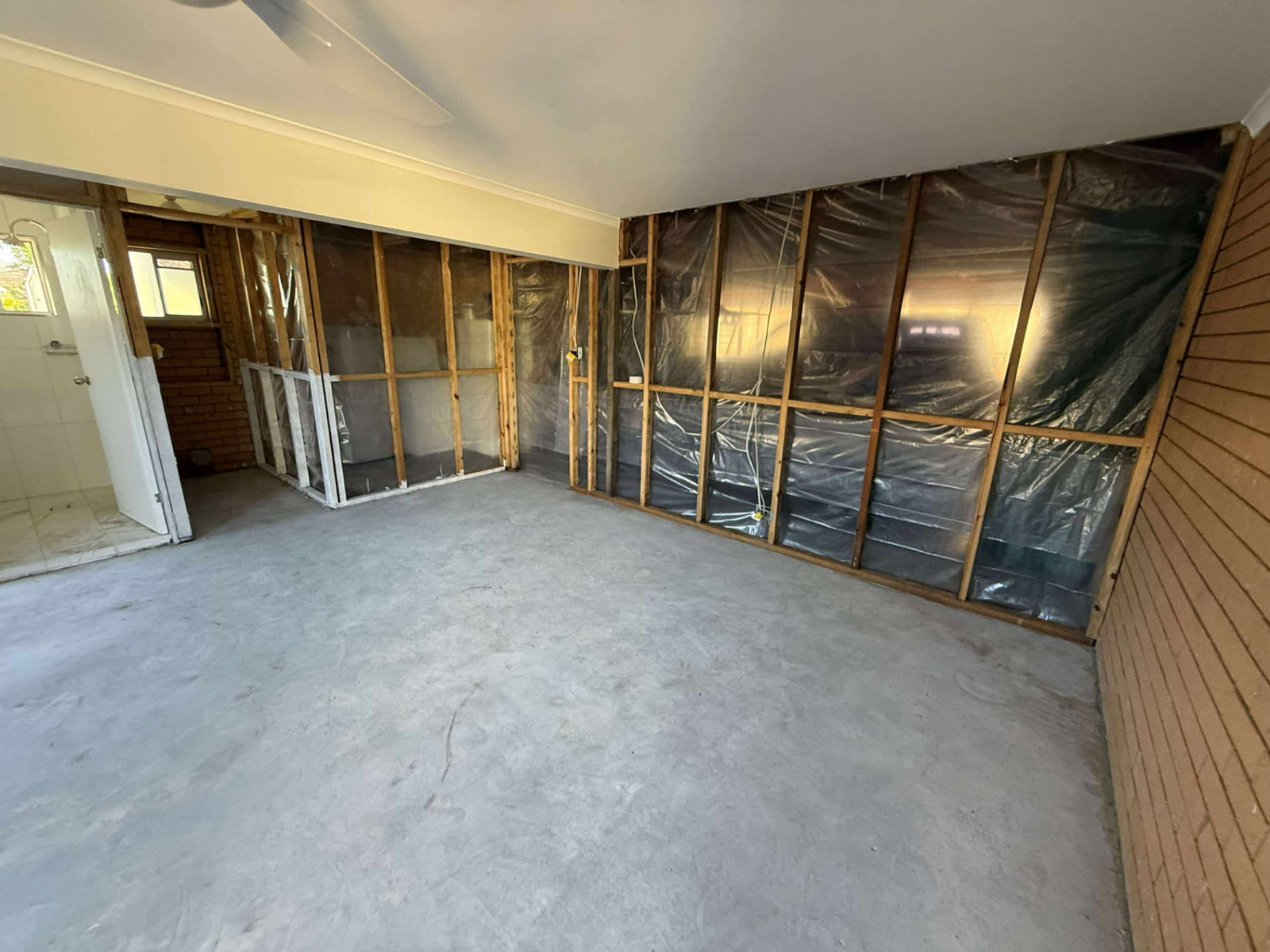
Containment & HEPA Air Filtration
Plastic barriers and HEPA air scrubbers to reduce the spread of spores beyond the work area. The containment plan depends on the property and scope.
Learn more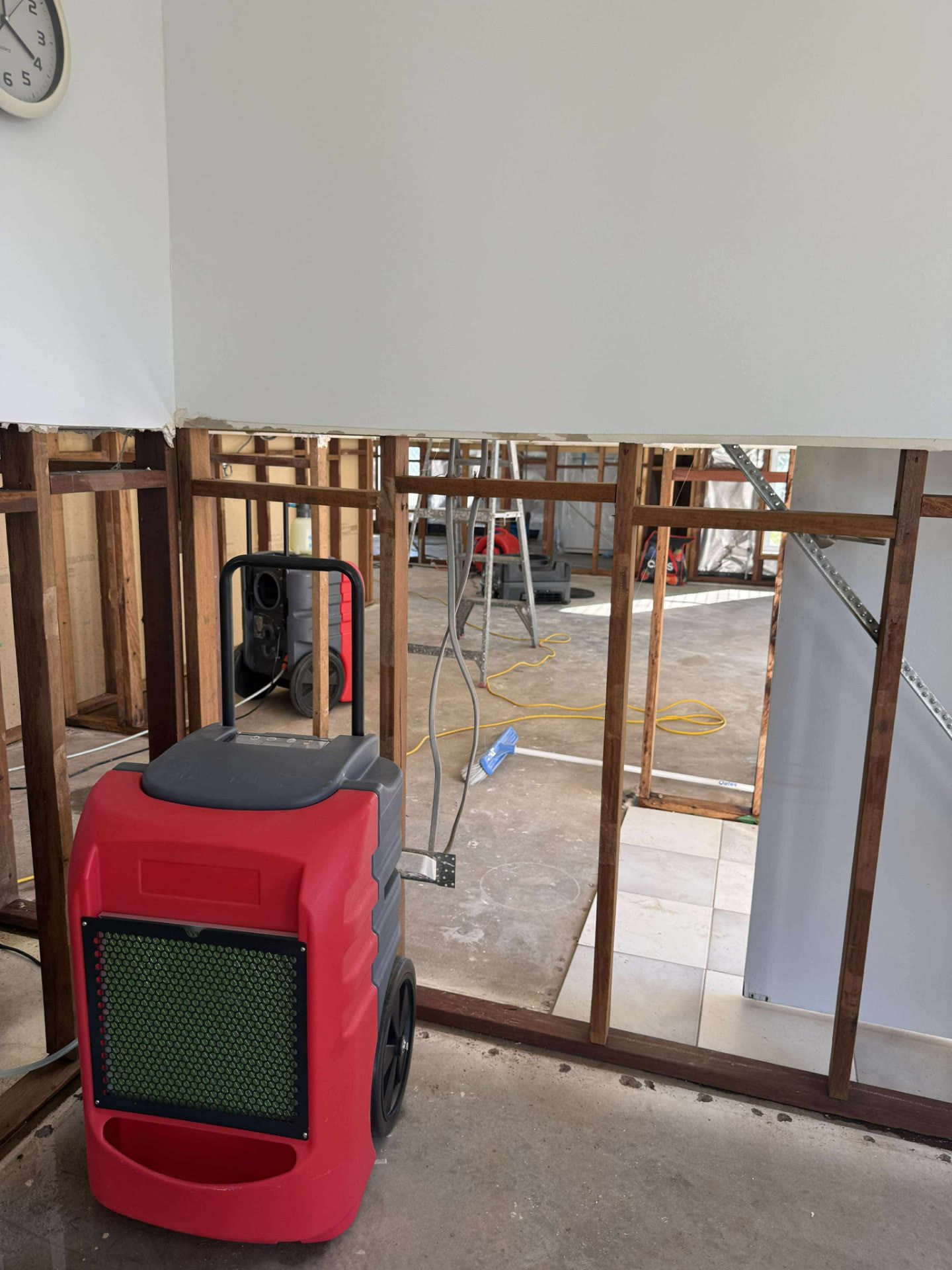
Water Damage & Structural Drying
Water damage restoration in Burringbar after roof leaks, plumbing leaks, storms or actual flooding, with structural drying monitored by moisture readings.
Learn moreFor leak-affected framing and ceilings, see our structural drying and moisture monitoring. We also support insurance and commercial remediation projects, with independent hygienist assessments and testing arranged where needed.
How we work
Our Mould Remediation Process
- 1
Inspection & Assessment
We talk through the history, take moisture readings and thermal images, and confirm what's feeding the mould.
- 2
Containment & Air Filtration
Where the scope needs it, we seal the work area and run HEPA air filtration to protect the rest of the property.
- 3
Remediation & Cleaning
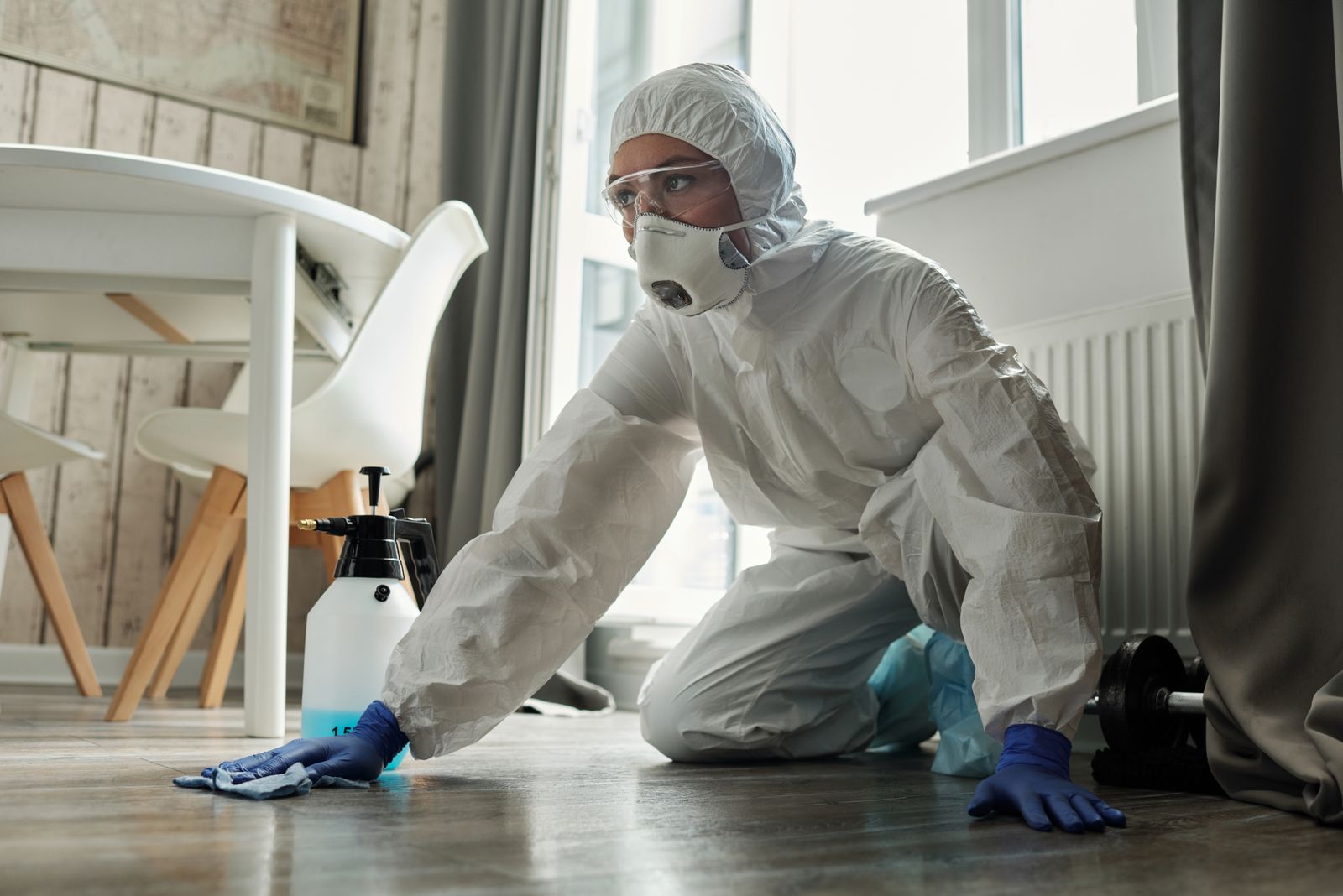
Contaminated porous materials are removed and salvageable surfaces are HEPA-vacuumed and cleaned.
- 4
Drying, Verification & Recommendations
Structural drying, final moisture readings and a documented report with photos and advice to stop it returning.
Not every step is needed on every job — we explain the proposed scope before work begins. Independent clearance testing can be arranged where the scope, insurer or a hygienist requires it.
Why Choose The Mould Removers in Burringbar?
- Source first. We confirm the moisture source with readings and thermal imaging before we quote removal.
- Professional equipment. HEPA air scrubbers, commercial dehumidifiers, air movers and moisture meters on every job that needs them.
- Clear communication. You'll know the scope, what's being removed and why before work starts.
- Detailed reporting. Every job ends with a documented report — photos, moisture readings and a summary of the work.
- Homes and commercial premises. Houses, units, strata buildings, offices and workshops, including insurance and builder-managed jobs.
 Illustrative image
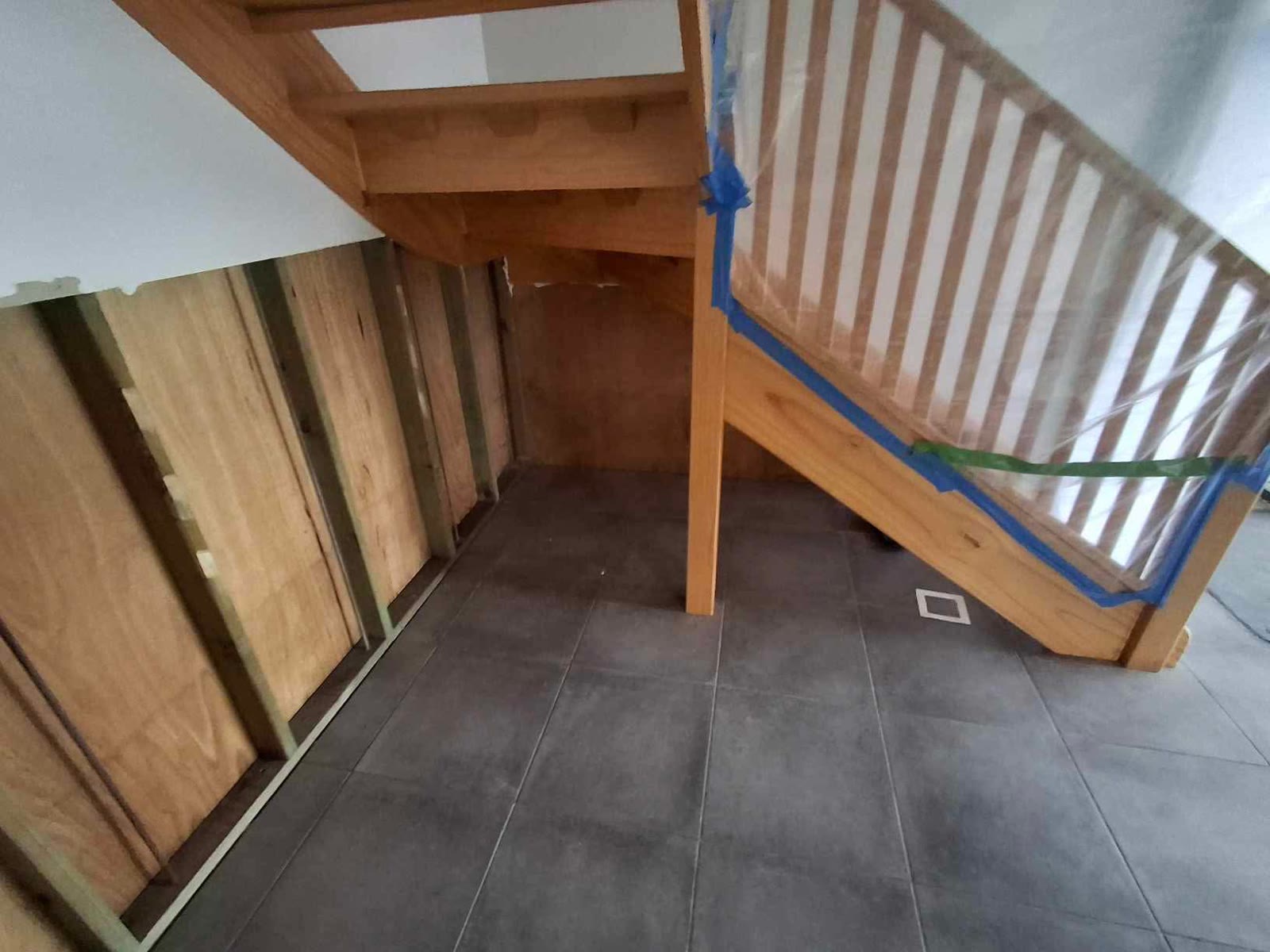
Subtropical Valley Moisture Challenges in Burringbar
These are inspection considerations, not a diagnosis of every property. We assess likely contributing conditions on site and explain any limitations or further investigations needed.
Subtropical Valley Climate
Dense vegetation and surrounding valley ridges reduce natural airflow, trapping high relative humidity around rural homes.
Elevated Timber Dwellings
Traditional timber and pole homes frequently experience rising damp and fungal spread beneath unsealed subfloor structures.
Creek Proximity & Runoff
Heavy downpours along the Burringbar Creek catchment can saturate foundational soils and cause persistent structural dampness.
Village Commercial Properties
Local shopfronts and commercial spaces require prompt, thorough decontamination and clear reporting to protect indoor air quality.
Our work
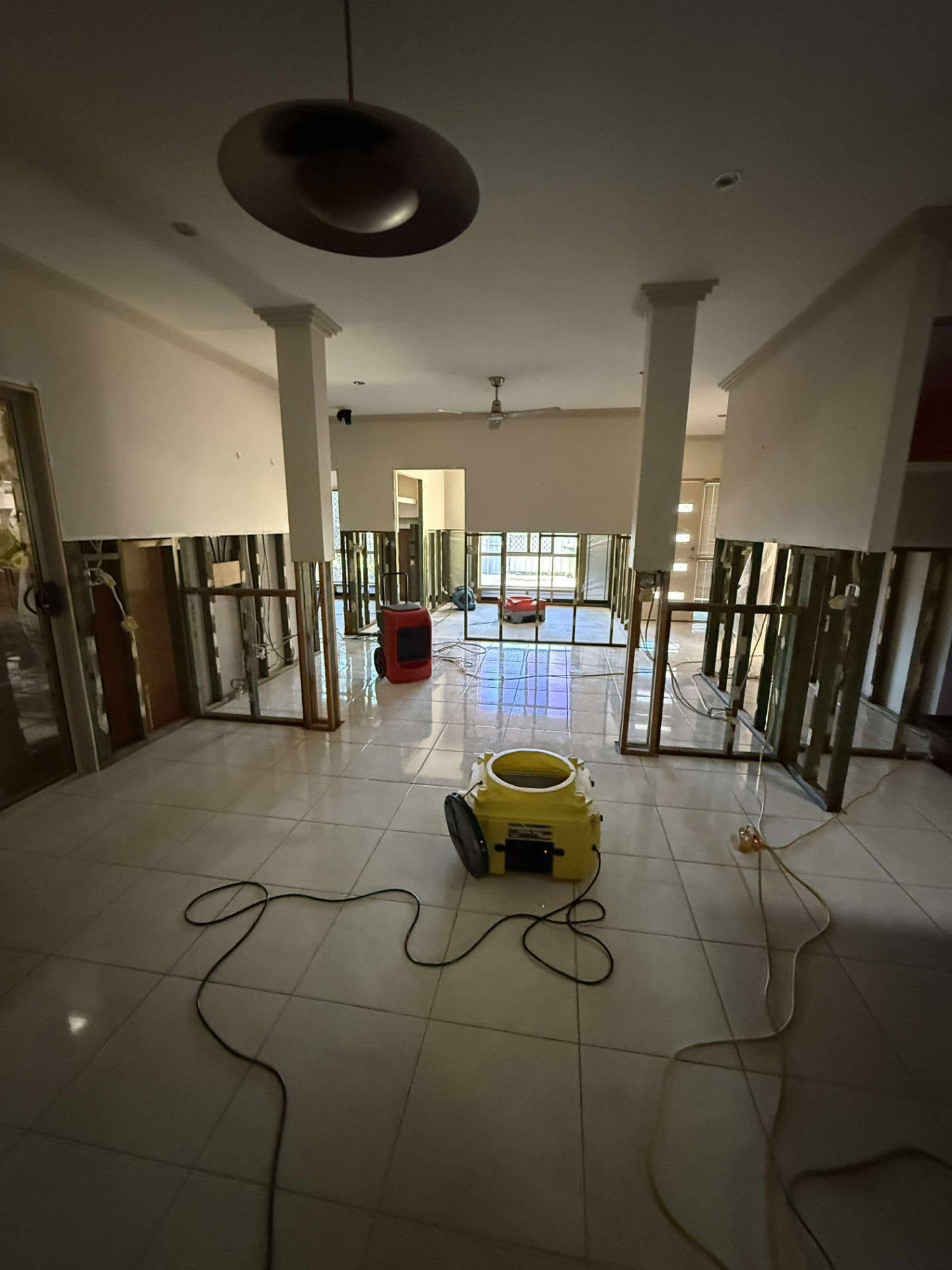
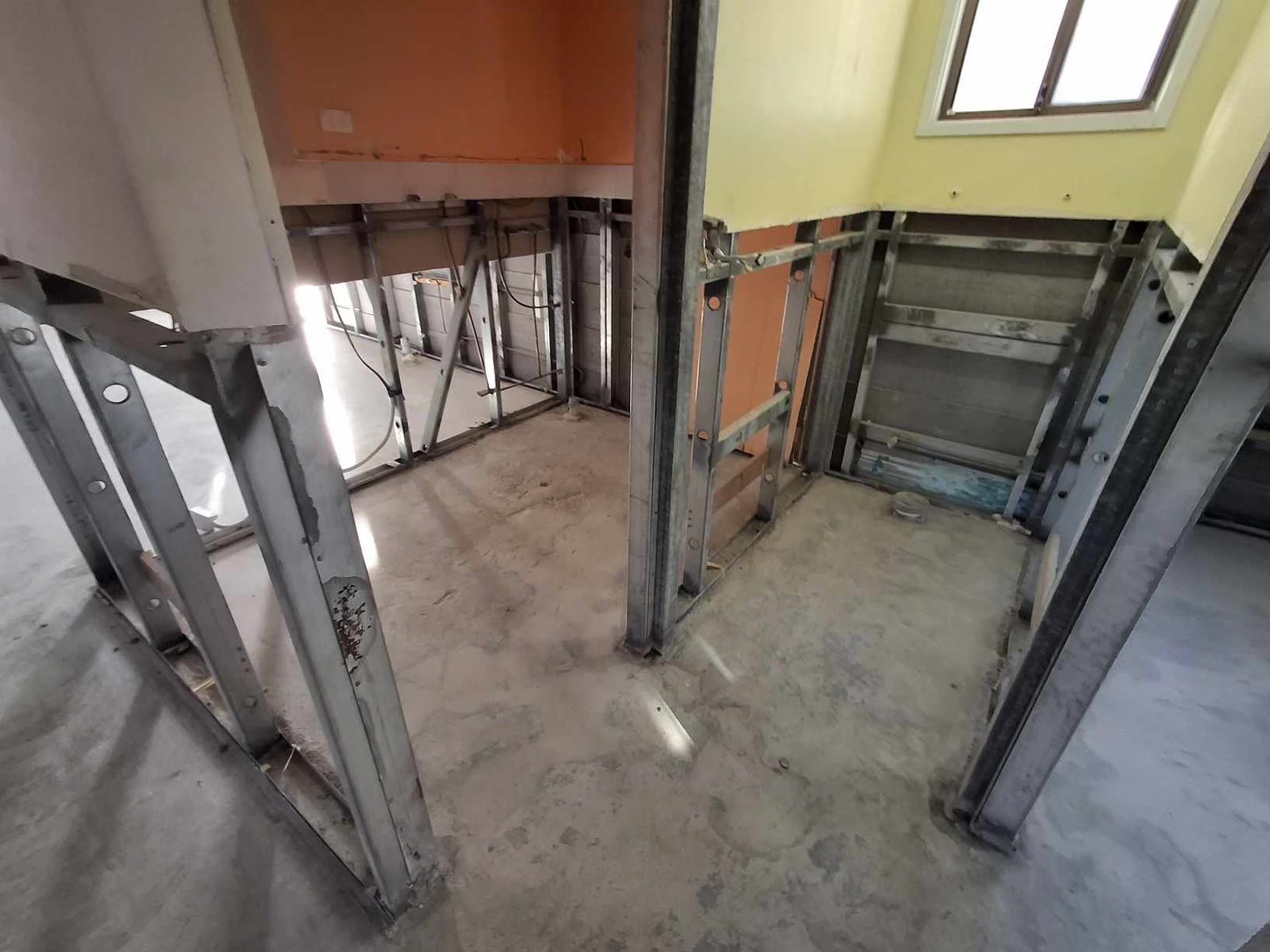
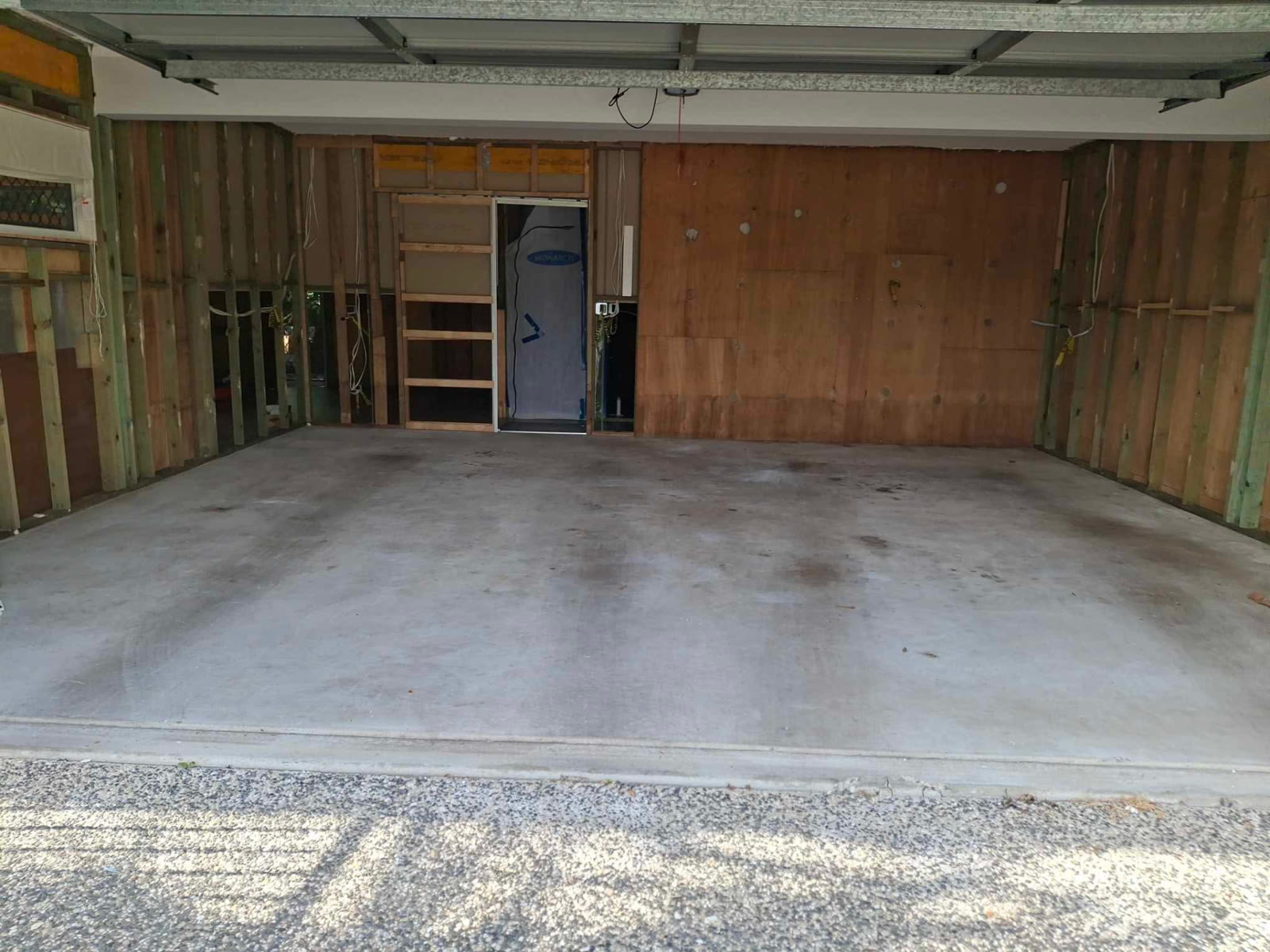
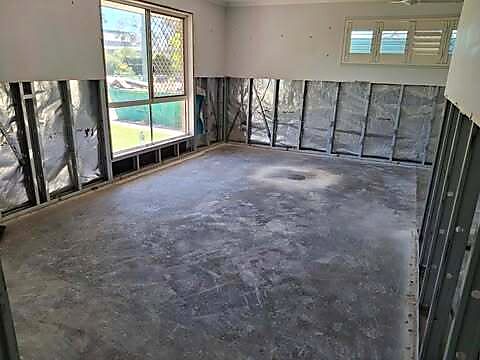
From our recent remediation jobs
Request a mould inspection or quote
Tell us what you're seeing and upload a few photos. A team member reviews every enquiry and will get back to you.
- Don't scrub, sand or pull off mouldy plasterboard — it spreads spores.
- Take clear photos of the affected areas and upload them with the form.
- Note any recent leaks, storms or plumbing work.
- In a unit or tenancy, let your strata or property manager know if the source could be shared.
Mould removal in Burringbar — FAQs
Why is mould so common in Burringbar timber homes?
Burringbar experiences heavy subtropical rain and prolonged high humidity, while surrounding hills often shield dwellings from drying breezes. When natural airflow is restricted, timber framing, tongue-and-groove boards, and subfloors absorb airborne moisture, creating fertile conditions for mould growth.
How do you assist commercial properties and strata schemes?
Whether managing a village storefront, workshop, or community strata property, we conduct thorough moisture inspections and contained remediation. We work discretely to minimise trade disruption, ensure compliant safety standards, and provide a full documented report upon completion for landlords, tenants, or strata managers.
What steps are taken if my property suffers water damage?
Where actual water entry has occurred, we deploy industrial air movers and commercial dehumidifiers to extract structural moisture. We moisture-map framing, flooring, and cavities to verify complete structural drying before applying antimicrobial solutions, preventing deep fungal colonization and secondary damage.
Does mould colour indicate the level of risk?
No. Mould colour does not identify species or risk, and many types appear black, green, or white depending on the substrate and moisture level. Regardless of colour, any indoor mould growth can affect indoor air quality and should be treated systematically.
What do we get when the job is finished?
Every job ends with a documented report — photos, moisture readings and a summary of the work. Independent post-remediation verification can be arranged where the scope, insurer or a hygienist requires it.

Book a Burringbar Inspection
A professional inspection and a clear remediation plan from our Tweed and Gold Coast team.
Photo: Pouts31, CC BY 3.0