

Local mould remediation · Fingal Head
Professional Mould Removal Fingal Head
We provide IICRC-certified mould remediation, moisture investigations, and water damage restoration for residential properties and strata schemes across the coastal Fingal Head peninsula in the Tweed Shire.
- QBCC Licence 15082064
- IICRC industry methods
- Homes, units & commercial
- Documented report every job
Photo: Aliceinthealice, CC0
Mould Remediation & Moisture Investigations in Fingal Head
Situated on a narrow peninsula bounded by the Pacific Ocean and the Tweed River, Fingal Head presents distinct building moisture challenges. With 318 private dwellings comprising beach cottages, elevated timber homes, modern coastal builds, and modest strata units, properties endure steady salt-laden air, persistent sea breezes, and subtropical river humidity. When damp ocean air meets cool air-conditioned interiors, or when sea mist settles into shaded subfloors, condensation quickly forms and can impact indoor air quality if unaddressed.
The Mould Removers delivers systematic, science-led remediation across Fingal Head, catering to freestanding homes, holiday lets, commercial premises, and strata managers. Whether handling slow internal plumbing leaks, structural moisture ingress following prolonged coastal rain, or water damage restoration where actual water entry has occurred, we identify the underlying source. Our technicians utilise specialised containment, HEPA air filtration, antimicrobial treatments, and structural drying, completing every inspection and treatment with a comprehensive documented report.
Book a Mould Inspection
Common signs of mould
- Musty or earthy odours trapped in closed holiday cottages or bedrooms
- Visible spore growth on window frames exposed to humid ocean breezes
- Surface mould forming on wardrobes, shoes, or leather furnishings
- Discolouration or bubbling paint on drywall near coastal weatherboards
- Persistent condensation pooling on ocean-facing glass sliding doors
- Damp subfloors or mould development on timber underfloor joists
Our Mould Remediation Services in Fingal Head
 Illustrative image
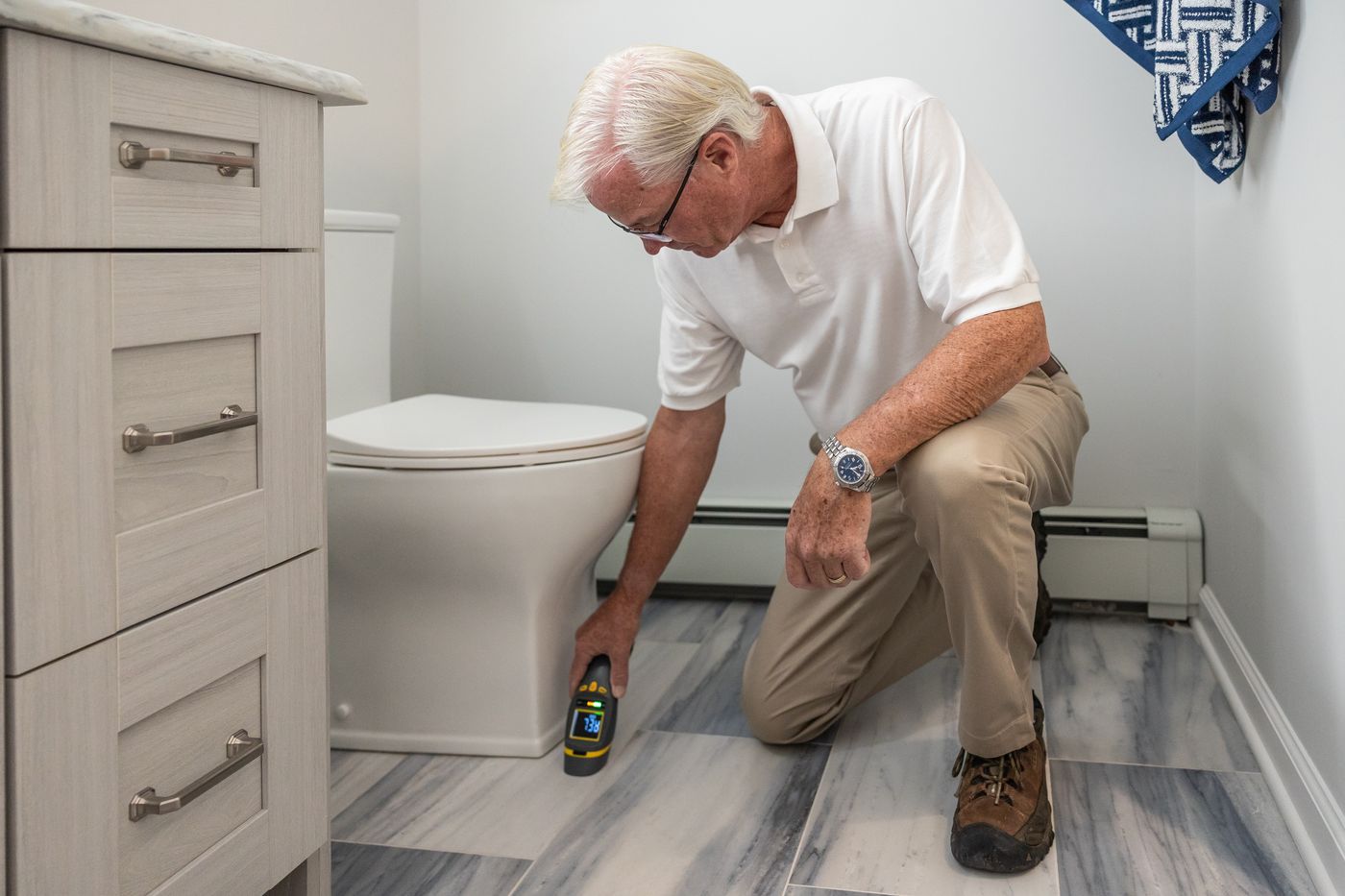
Mould Inspections & Moisture Investigations
Visual assessment, moisture readings and thermal imaging to find the water behind mould in Fingal Head homes, units and commercial premises. Sampling, where needed, is arranged with an independent hygienist.
Learn more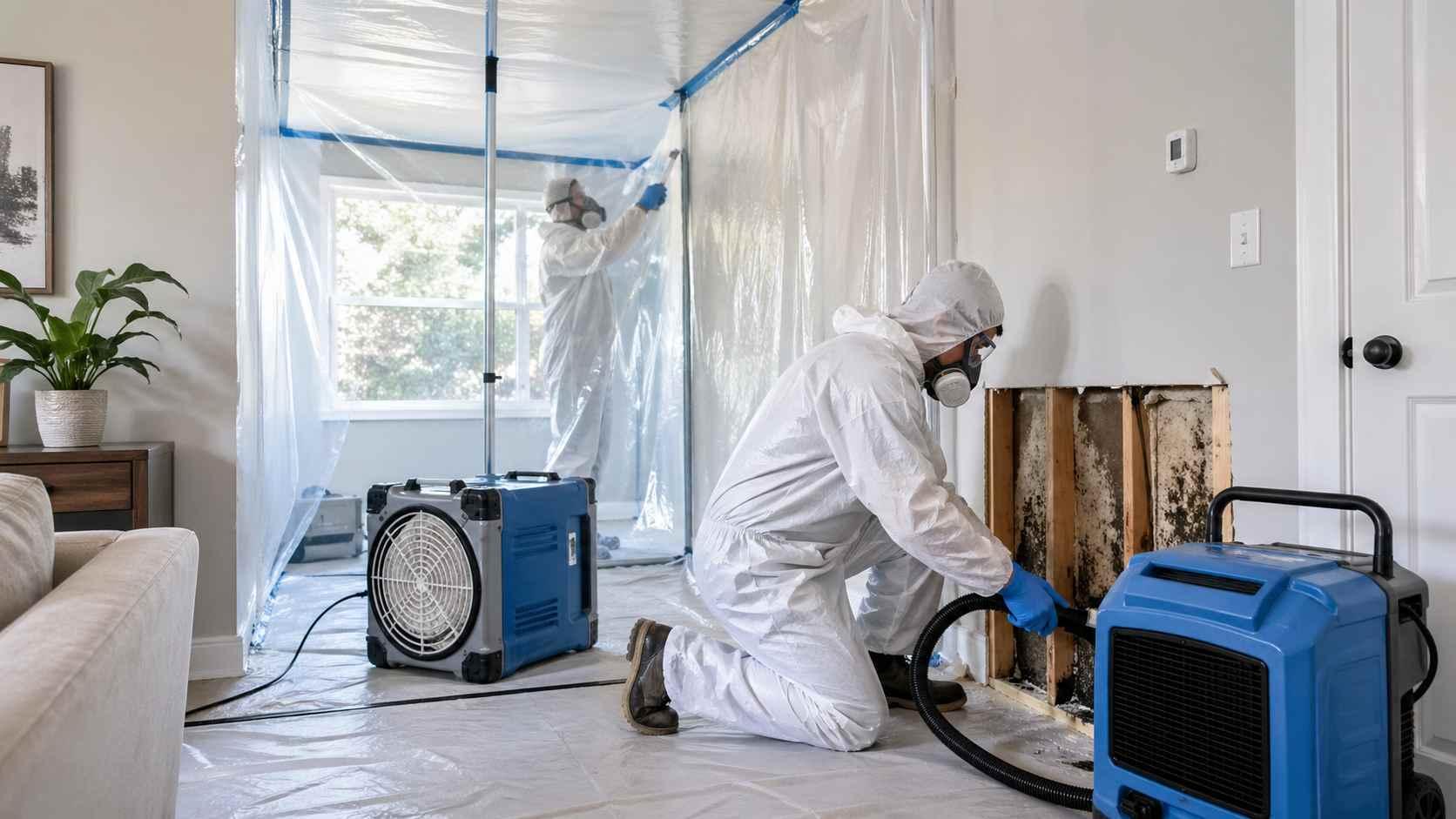 Illustrative image
Residential & Commercial Mould Removal
Controlled removal of mould-affected plasterboard, ceilings, insulation and fittings, planned around occupants, tenants and strata requirements.
Learn more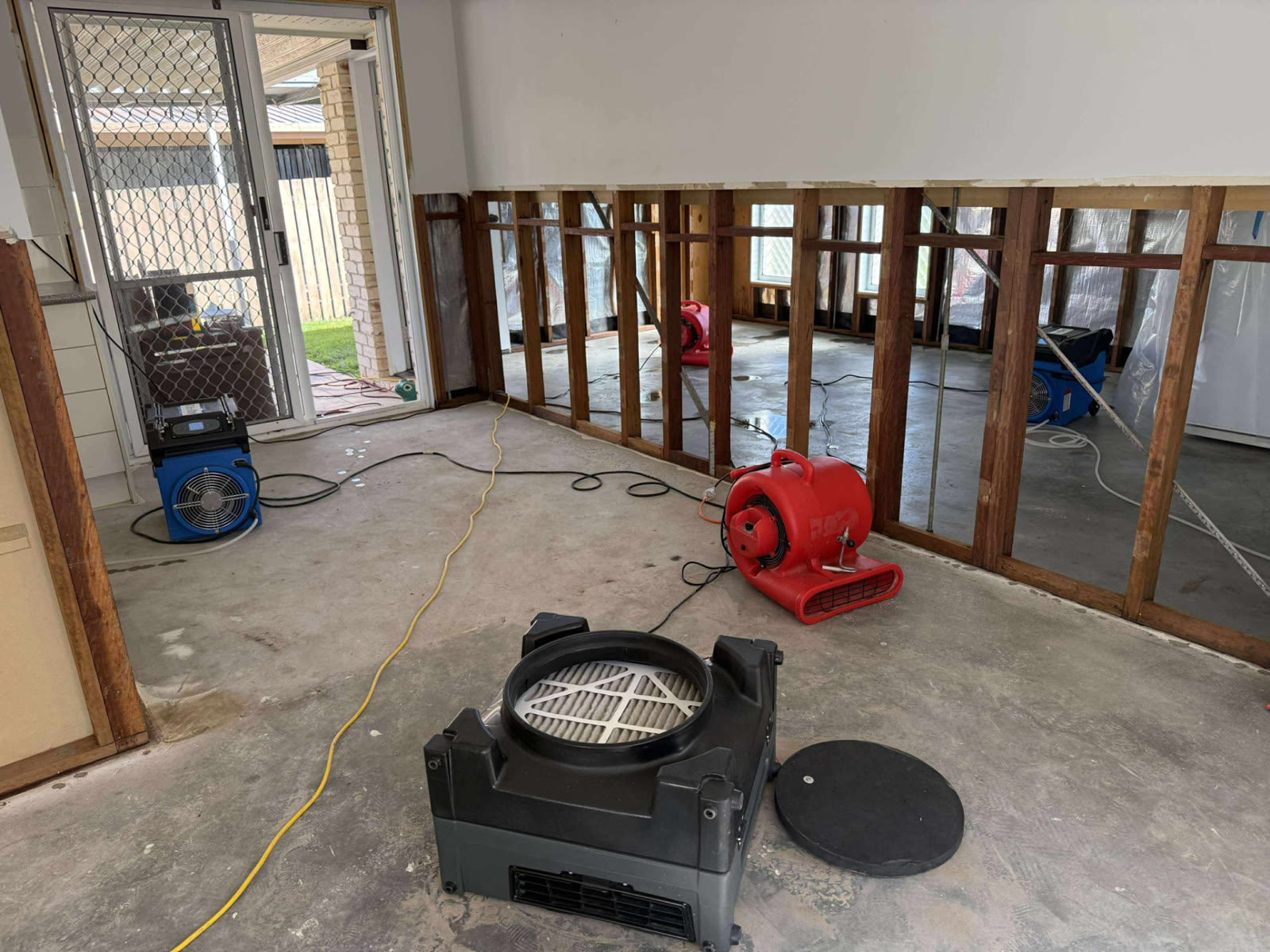
Containment & HEPA Air Filtration
Plastic barriers and HEPA air scrubbers to reduce the spread of spores beyond the work area. The containment plan depends on the property and scope.
Learn more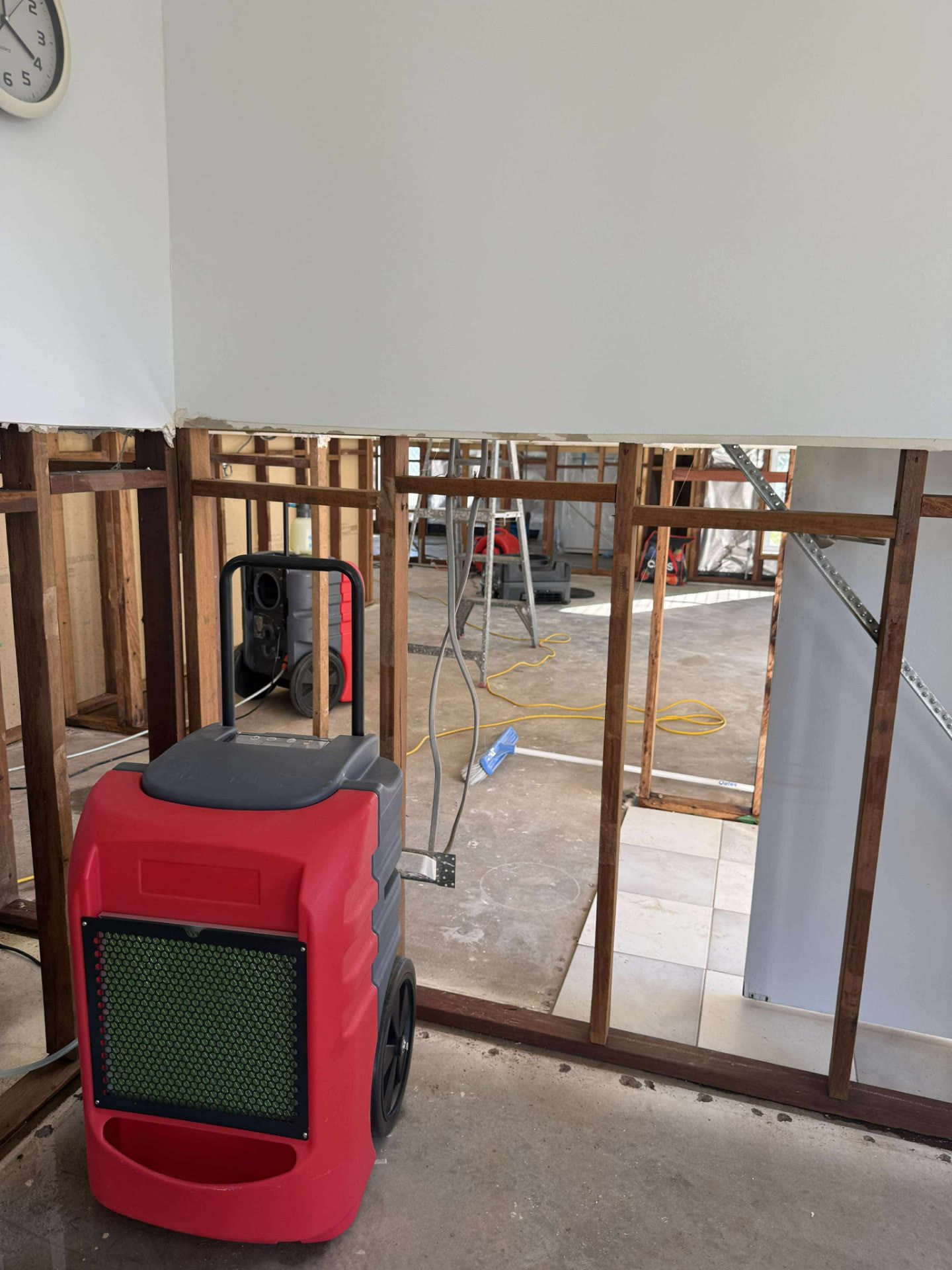
Water Damage & Structural Drying
Water damage restoration in Fingal Head after roof leaks, plumbing leaks, storms or actual flooding, with structural drying monitored by moisture readings.
Learn moreFor leak-affected framing and ceilings, see our structural drying and moisture monitoring. We also support insurance and commercial remediation projects, with independent hygienist assessments and testing arranged where needed.
How we work
Our Mould Remediation Process
- 1
Inspection & Assessment
We talk through the history, take moisture readings and thermal images, and confirm what's feeding the mould.
- 2
Containment & Air Filtration
Where the scope needs it, we seal the work area and run HEPA air filtration to protect the rest of the property.
- 3
Remediation & Cleaning
Contaminated porous materials are removed and salvageable surfaces are HEPA-vacuumed and cleaned.
- 4
Drying, Verification & Recommendations
Structural drying, final moisture readings and a documented report with photos and advice to stop it returning.
Not every step is needed on every job — we explain the proposed scope before work begins. Independent clearance testing can be arranged where the scope, insurer or a hygienist requires it.
Why Choose The Mould Removers in Fingal Head?
- Source first. We confirm the moisture source with readings and thermal imaging before we quote removal.
- Professional equipment. HEPA air scrubbers, commercial dehumidifiers, air movers and moisture meters on every job that needs them.
- Clear communication. You'll know the scope, what's being removed and why before work starts.
- Detailed reporting. Every job ends with a documented report — photos, moisture readings and a summary of the work.
- Homes and commercial premises. Houses, units, strata buildings, offices and workshops, including insurance and builder-managed jobs.
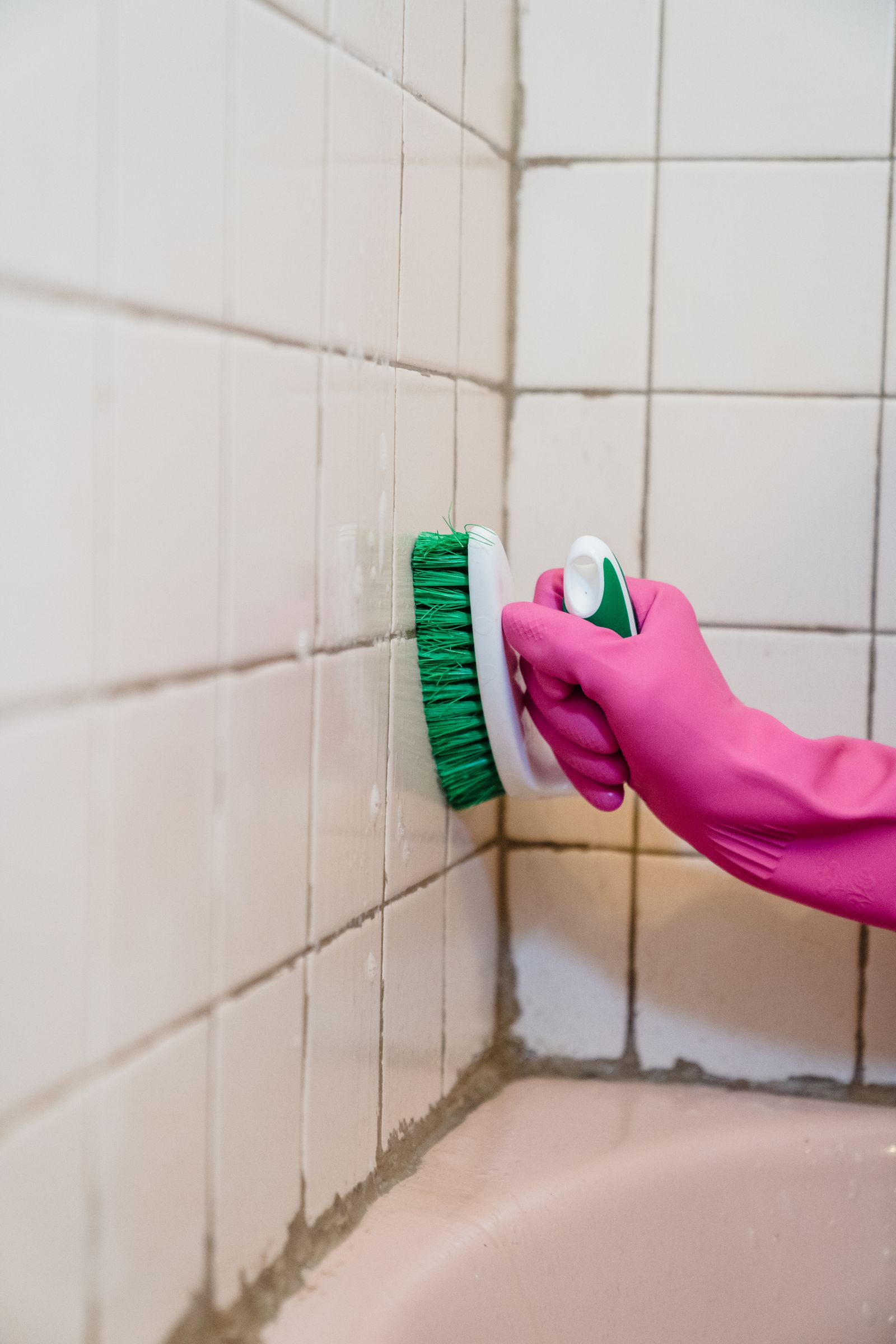 Illustrative image
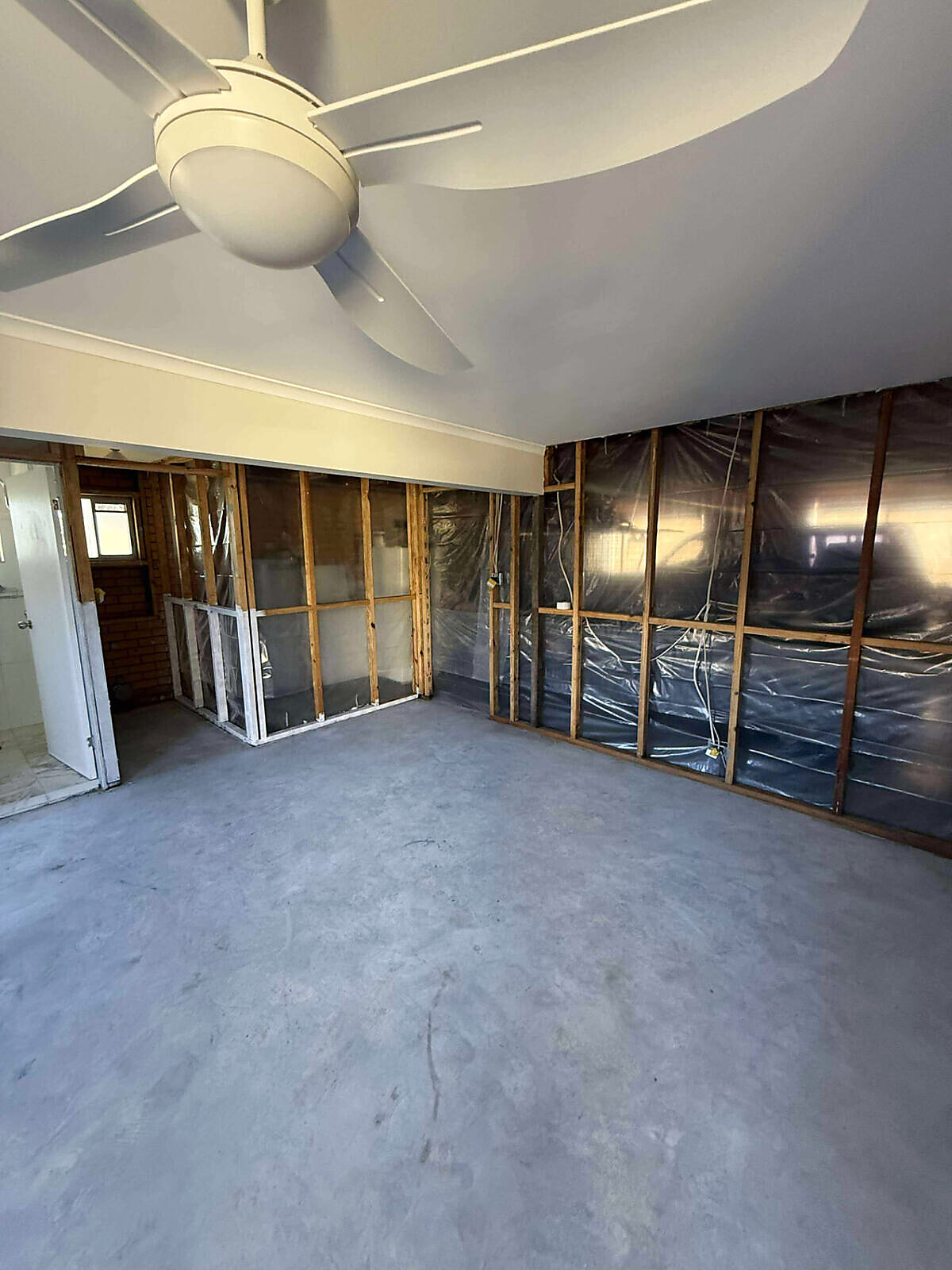
Coastal Moisture & Property Factors in Fingal Head
These are inspection considerations, not a diagnosis of every property. We assess likely contributing conditions on site and explain any limitations or further investigations needed.
Marine Atmosphere
Flanked by the Pacific Ocean and Tweed River, high ambient relative humidity continually penetrates unsealed wall cavities and building envelopes.
Coastal Timber Cottages
Traditional timber and weatherboard residences can accumulate trapped damp beneath enclosed subfloors and within shaded verandah framing.
Driving Coastal Rains
Exposed headland storms often push moisture past older window sills, external cladding joints, and unsealed roof flashings.
Strata & Holiday Lets
Townhouses, apartments, and intermittently occupied holiday homes often suffer from reduced air circulation, elevating internal condensation levels.
Our work
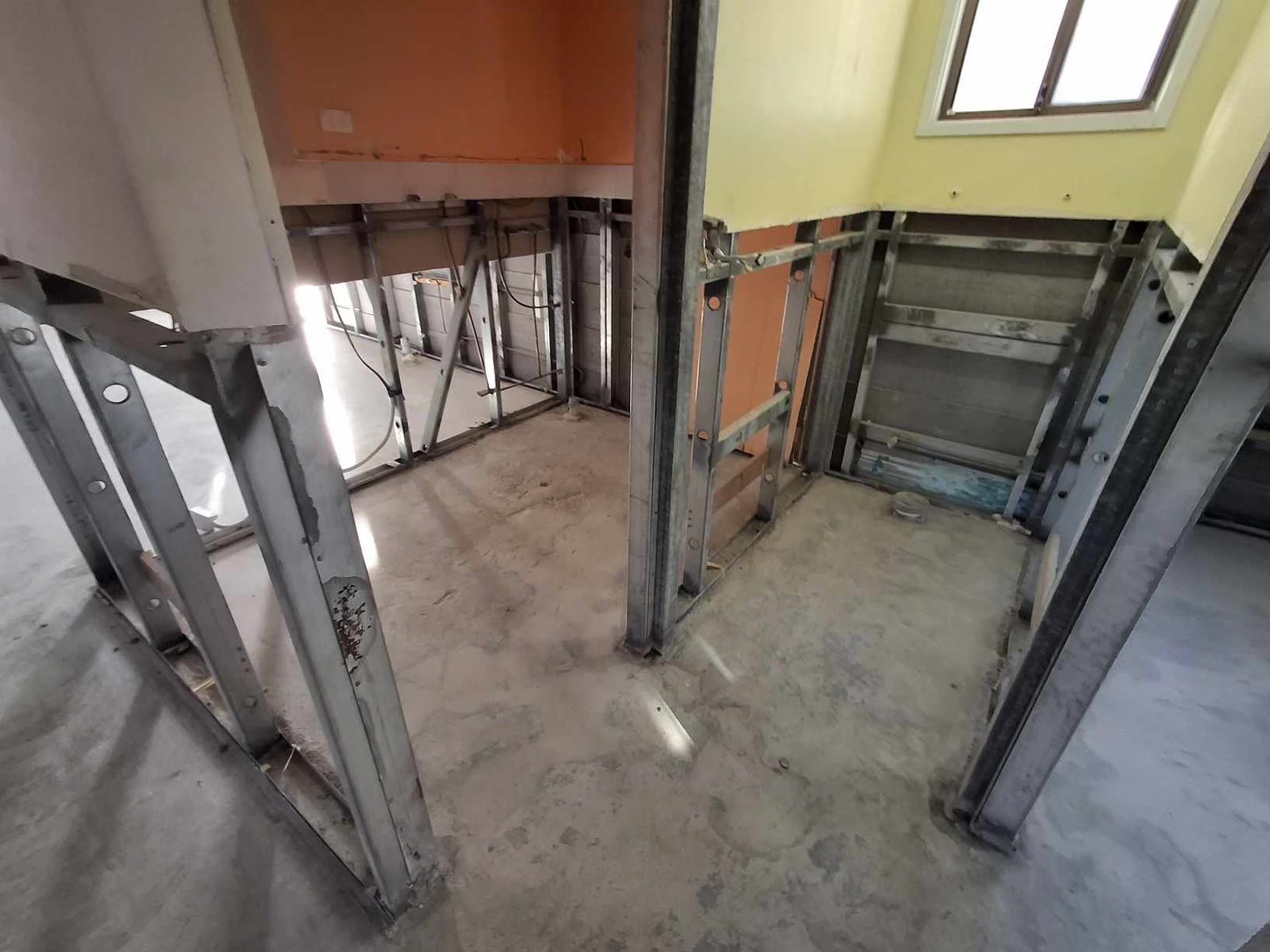
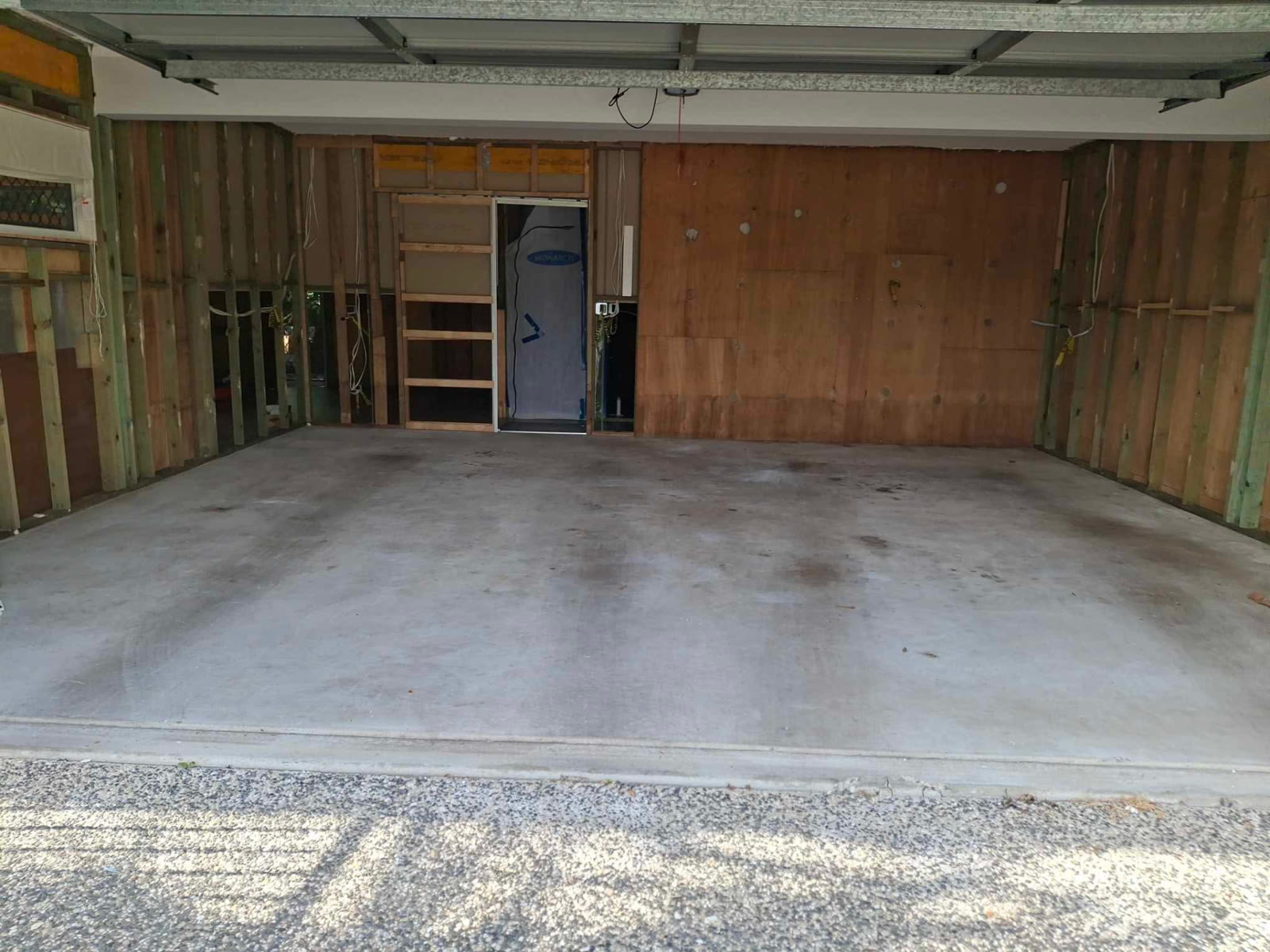
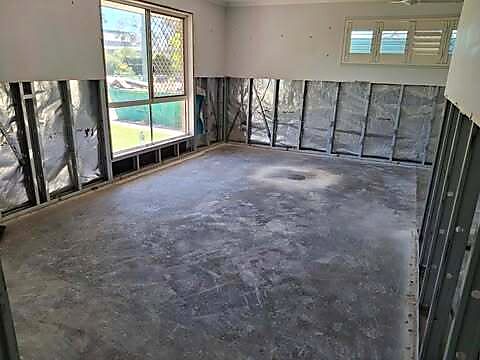
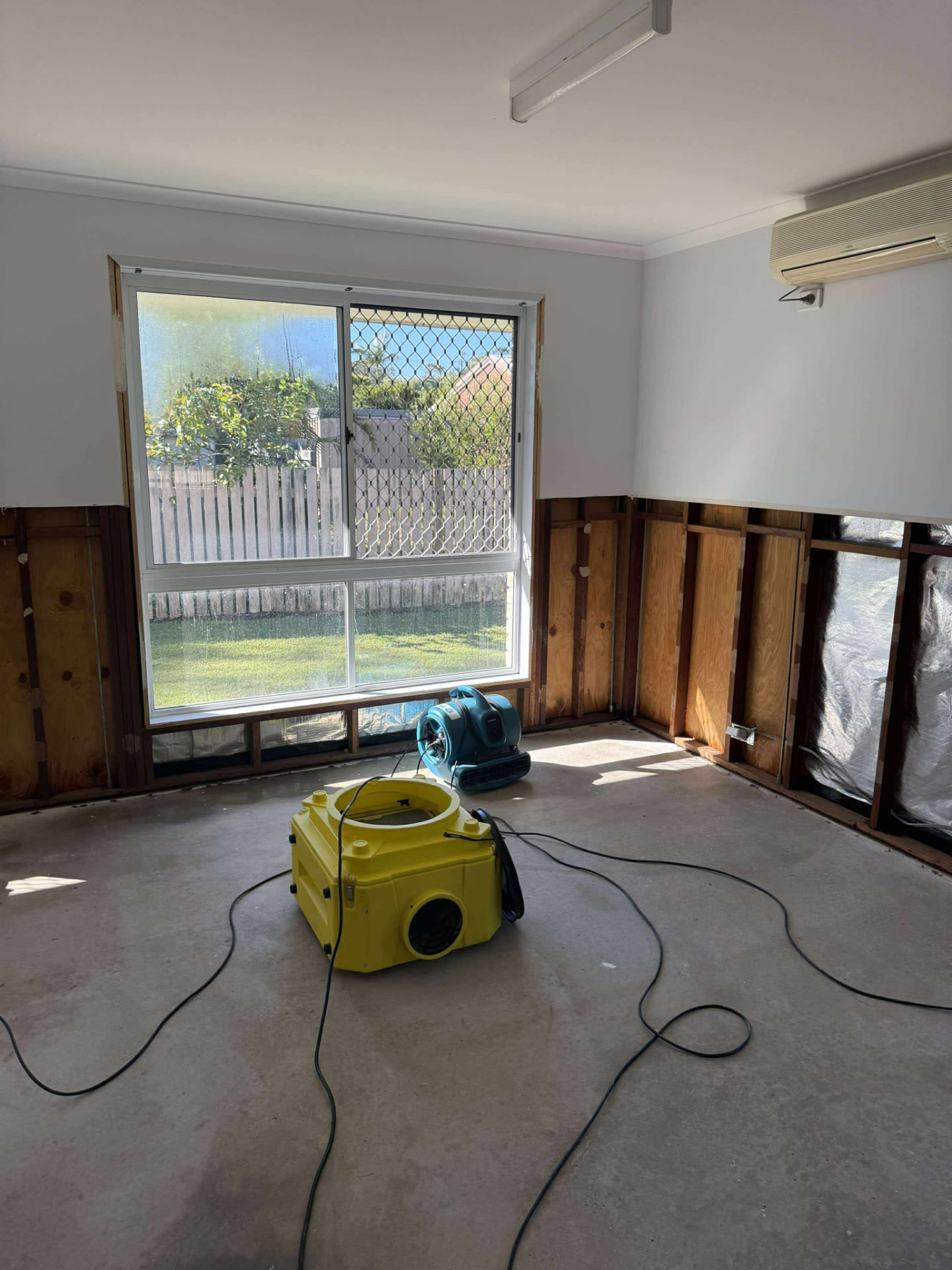
From our recent remediation jobs
Request a mould inspection or quote
Tell us what you're seeing and upload a few photos. A team member reviews every enquiry and will get back to you.
- Don't scrub, sand or pull off mouldy plasterboard — it spreads spores.
- Take clear photos of the affected areas and upload them with the form.
- Note any recent leaks, storms or plumbing work.
- In a unit or tenancy, let your strata or property manager know if the source could be shared.
Mould removal in Fingal Head — FAQs
Why is mould so common in Fingal Head homes?
Fingal Head sits on an exposed sand peninsula surrounded by the Tweed River and open ocean. The combination of persistent maritime humidity, warm subtropical temperatures, and sea winds driving damp air against coastal properties creates conditions where surface condensation readily settles on walls, ceilings, and soft furnishings.
How do you assist Fingal Head strata managers and landlords?
We provide targeted assessments for strata schemes, property managers, and holiday rentals in the Tweed Shire Council area. We establish whether mould issues stem from building envelope defects, internal ventilation, or tenant usage, carrying out contained remediation and providing a detailed, documented report for owners and strata committees.
What steps are taken during water damage restoration after heavy weather?
Where actual water entry has occurred from storm-driven rain or plumbing failures, we perform moisture mapping using calibrated thermal and moisture meters, extract residual water, install commercial dehumidifiers, and apply antimicrobials to stabilise building materials before secondary mould colonization takes hold.
Will air conditioning prevent mould in coastal properties?
Air conditioning cools indoor air, but if running constantly without adequate fresh airflow or dehumidification in humid environments, it can chill interior wall linings. When warm, humid ocean air enters through open doors or leaky building seals, it condenses against these chilled surfaces, fostering mould behind furniture and around cornices.
What do we get when the job is finished?
Every job ends with a documented report — photos, moisture readings and a summary of the work. Independent post-remediation verification can be arranged where the scope, insurer or a hygienist requires it.

Book a Fingal Head Moisture & Mould Inspection
A professional inspection and a clear remediation plan from our Tweed and Gold Coast team.
Photo: Kpravin2, CC BY-SA 4.0