

Local mould remediation · Bannockburn
Professional Mould Removal Bannockburn
We deliver IICRC-certified mould remediation, moisture diagnostics, and comprehensive post-treatment reporting for homeowners, landlords, and commercial facilities across Bannockburn and the surrounding Albert River catchment.
- QBCC Licence 15082064
- IICRC industry methods
- Homes, units & commercial
- Documented report every job
Photo: Kgbo, CC BY-SA 4.0
Mould Remediation & Moisture Investigations in Bannockburn
According to the 2021 Census, Bannockburn is home to 960 residents across 340 private dwellings, dominated by standalone houses alongside a 46.2% rental presence. Bordering the Albert River basin, properties frequently experience microclimatic humidity, seasonal downpours, and river plain dampness. These conditions, combined with ground moisture rising into subfloors or lingering in ceiling voids, create persistent indoor humidity that encourages mould colonies to form across plasterboard, timber joinery, and wardrobe cavities.
Whether managing a rental property, a family residence, or light commercial operations in Bannockburn, our IICRC-certified technicians address mould at its moisture source. We provide detailed structural drying, HEPA air scrubbing, antimicrobial sanitisation, and targeted source repairs rather than superficial cosmetic fixes. For landlords, property managers, and body corporate stakeholders, our investigations trace hidden leaks, poorly vented laundries, and slab damp. Every project concludes with a documented documented report detailing our methodology, moisture readings, and prevention recommendations.
Book a Mould Inspection
Common signs of mould
- Musty odours in closed bedrooms and built-in wardrobes
- Visible mould growth along baseboards near subfloor moisture
- Discolouration on ceiling linings following heavy seasonal rainfall
- High indoor condensation on windows during humid Logan mornings
- Surface spotting on walls behind poorly ventilated furniture
- Persistent dampness in ground-level rooms or slab edges
Our Mould Remediation Services in Bannockburn
 Illustrative image
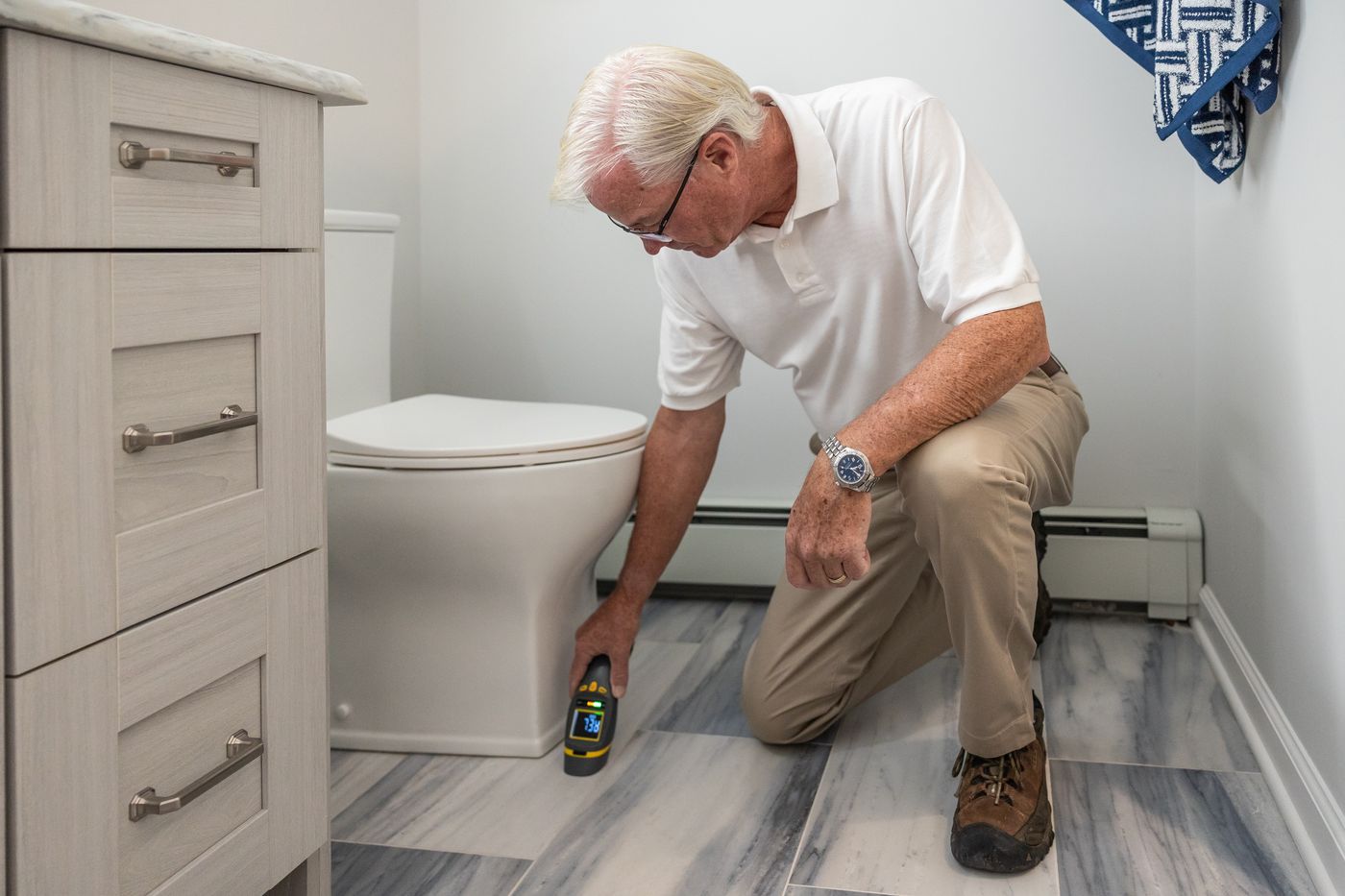
Mould Inspections & Moisture Investigations
Visual assessment, moisture readings and thermal imaging to find the water behind mould in Bannockburn homes, units and commercial premises. Sampling, where needed, is arranged with an independent hygienist.
Learn more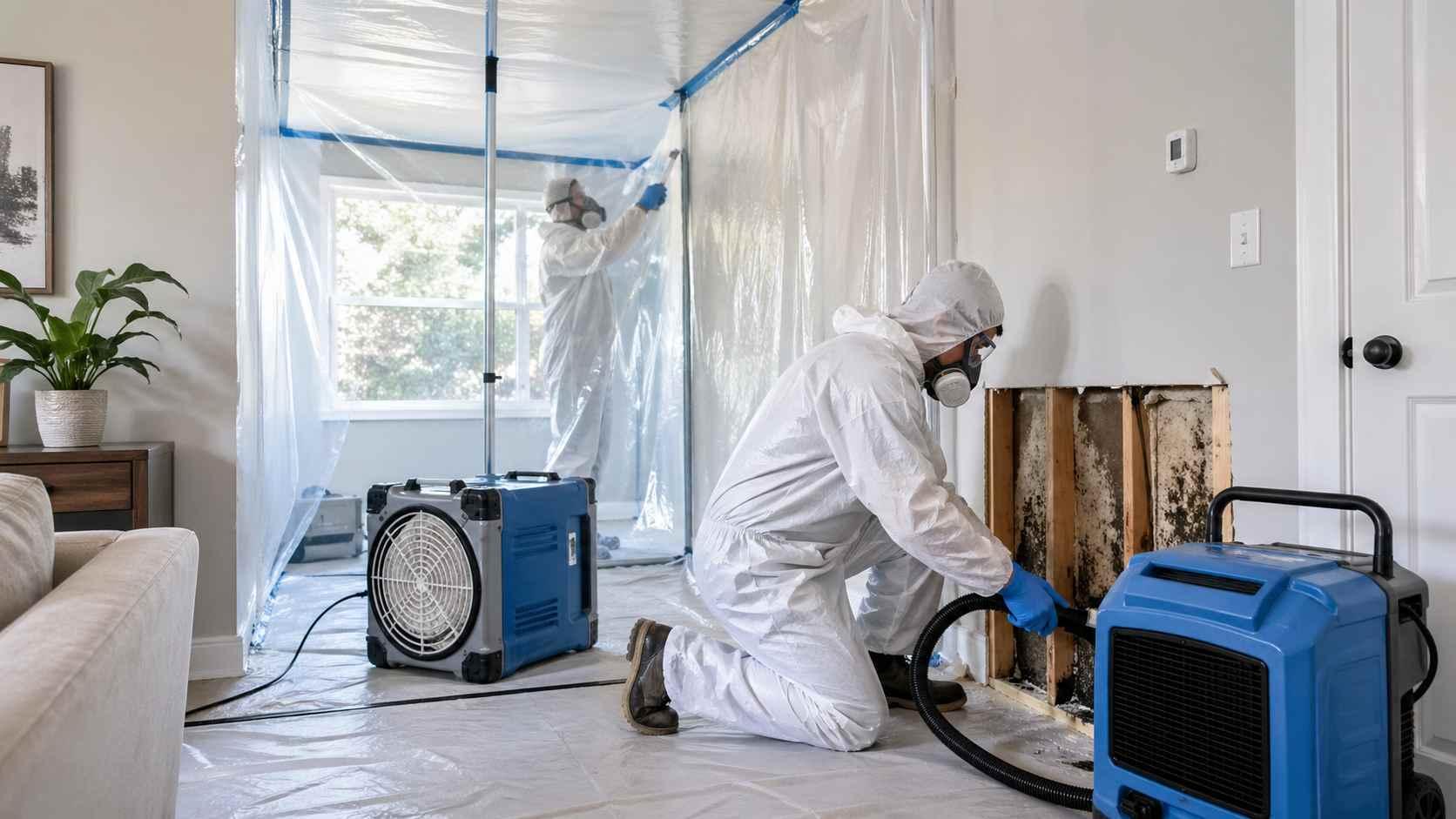 Illustrative image
Residential & Commercial Mould Removal
Controlled removal of mould-affected plasterboard, ceilings, insulation and fittings, planned around occupants, tenants and body corporate requirements.
Learn more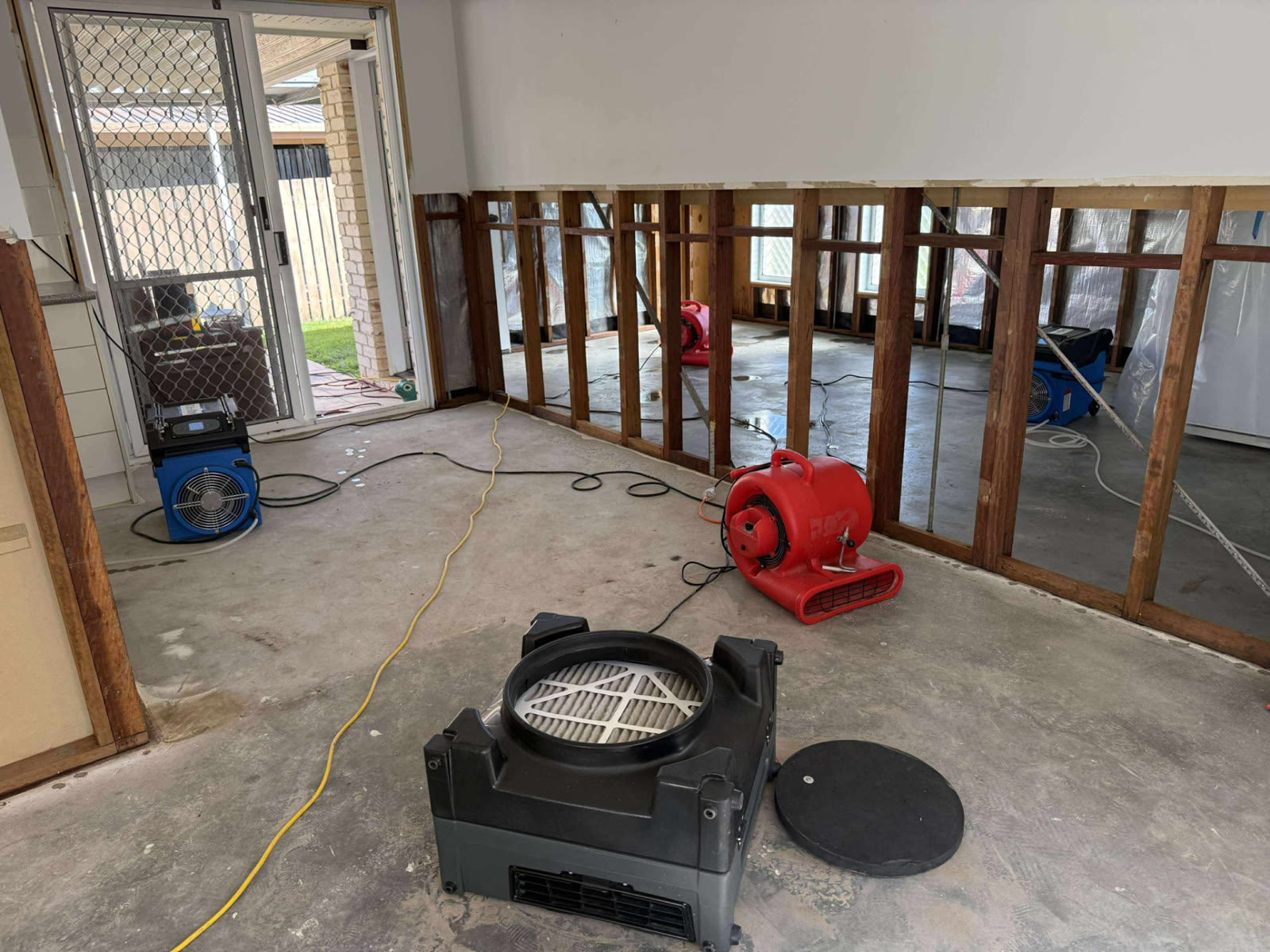
Containment & HEPA Air Filtration
Plastic barriers and HEPA air scrubbers to reduce the spread of spores beyond the work area. The containment plan depends on the property and scope.
Learn more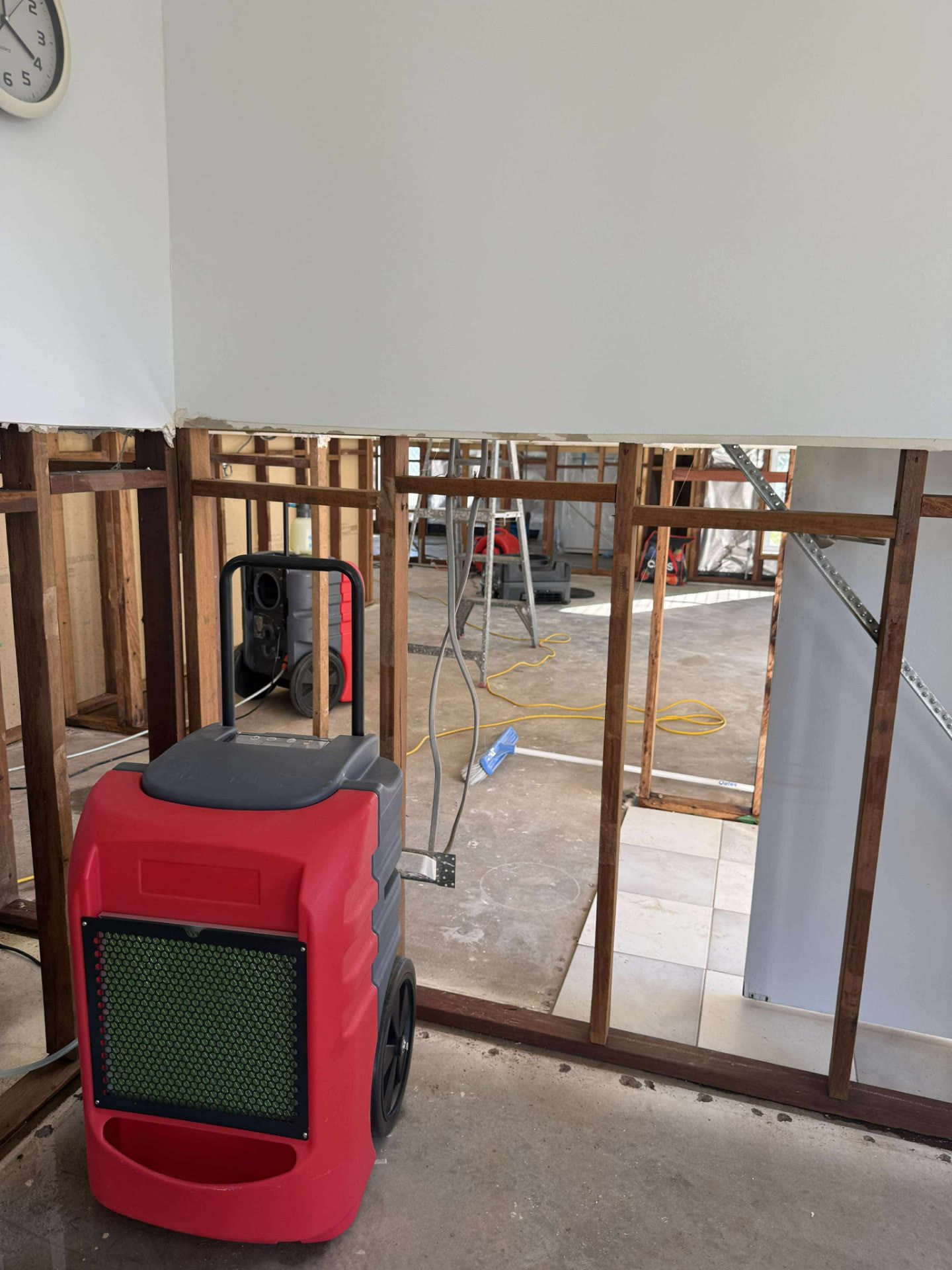
Water Damage & Structural Drying
Water damage restoration in Bannockburn after roof leaks, plumbing leaks, storms or actual flooding, with structural drying monitored by moisture readings.
Learn moreFor leak-affected framing and ceilings, see our structural drying and moisture monitoring. We also support insurance and commercial remediation projects, with independent hygienist assessments and testing arranged where needed.
How we work
Our Mould Remediation Process
- 1
Inspection & Assessment
We talk through the history, take moisture readings and thermal images, and confirm what's feeding the mould.
- 2
Containment & Air Filtration
Where the scope needs it, we seal the work area and run HEPA air filtration to protect the rest of the property.
- 3
Remediation & Cleaning
Contaminated porous materials are removed and salvageable surfaces are HEPA-vacuumed and cleaned.
- 4
Drying, Verification & Recommendations
Structural drying, final moisture readings and a documented report with photos and advice to stop it returning.
Not every step is needed on every job — we explain the proposed scope before work begins. Independent clearance testing can be arranged where the scope, insurer or a hygienist requires it.
Why Choose The Mould Removers in Bannockburn?
- Source first. We confirm the moisture source with readings and thermal imaging before we quote removal.
- Professional equipment. HEPA air scrubbers, commercial dehumidifiers, air movers and moisture meters on every job that needs them.
- Clear communication. You'll know the scope, what's being removed and why before work starts.
- Detailed reporting. Every job ends with a documented report — photos, moisture readings and a summary of the work.
- Homes and commercial premises. Houses, units, strata buildings, offices and workshops, including insurance and builder-managed jobs.
 Illustrative image
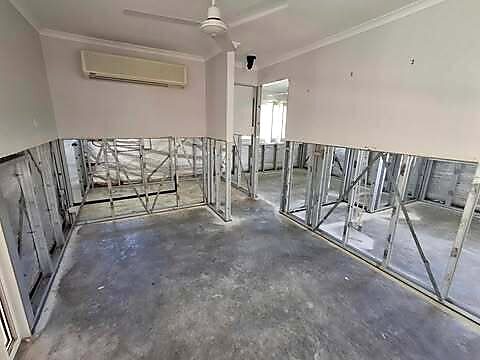
Targeted Mould & Moisture Solutions in Bannockburn
These are inspection considerations, not a diagnosis of every property. We assess likely contributing conditions on site and explain any limitations or further investigations needed.
Albert River Catchment Humidity
Proximity to the Albert River can drive elevated localized relative humidity, leading to condensation inside unventilated living spaces.
Detached Acreage & Family Homes
Free-standing homes with expansive rooflines and subfloors require thorough moisture mapping to ensure damp does not enter internal wall cavities.
Rental & Tenanted Properties
With 46.2% of private dwellings rented, we assist property managers with prompt, clear assessments that resolve underlying moisture problems.
Subfloor & Drainage Ingress
Heavy rain across local undulating terrain can saturate foundation soils, allowing capillary action to transfer moisture into timber frames.
Our work
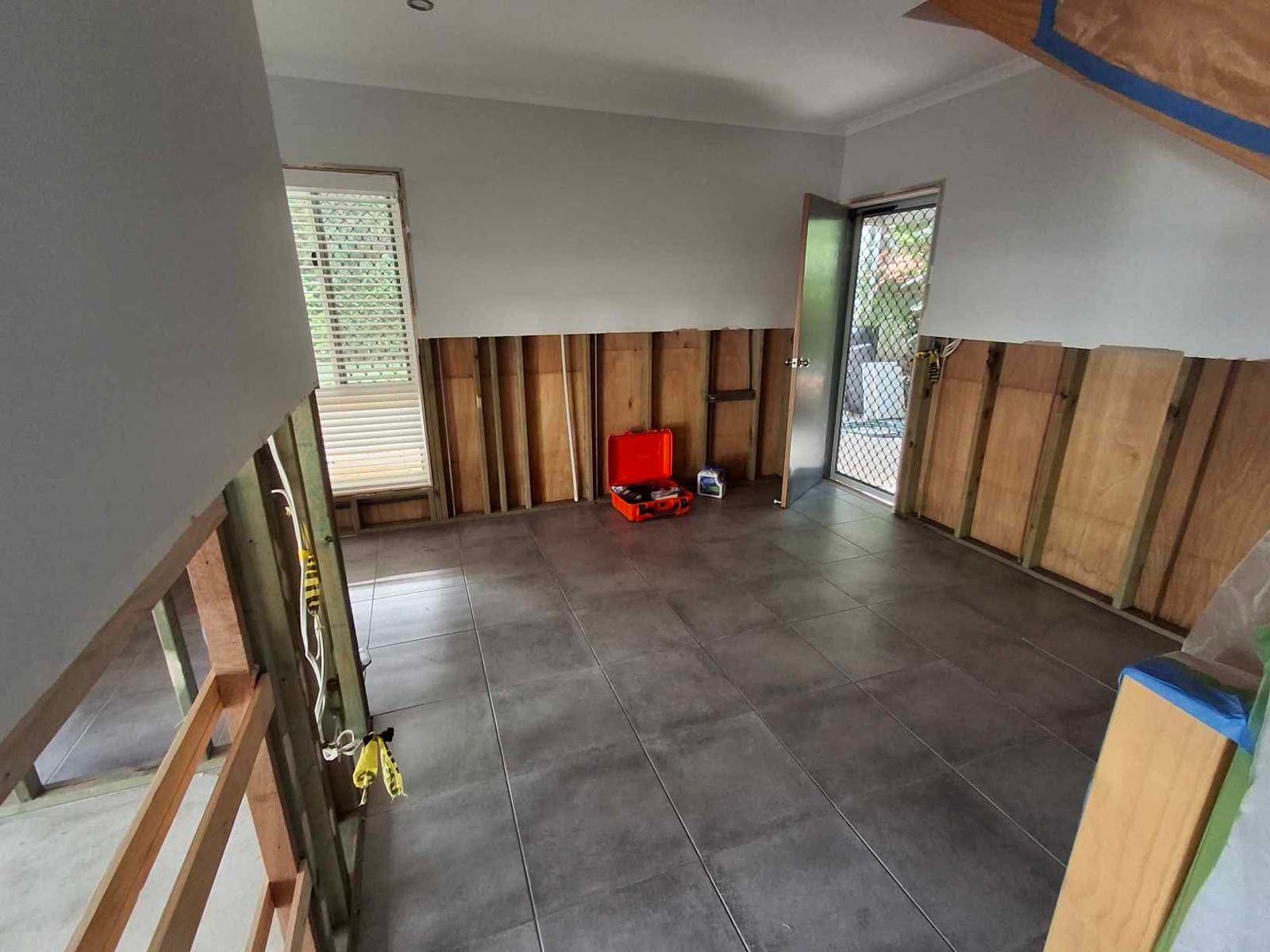
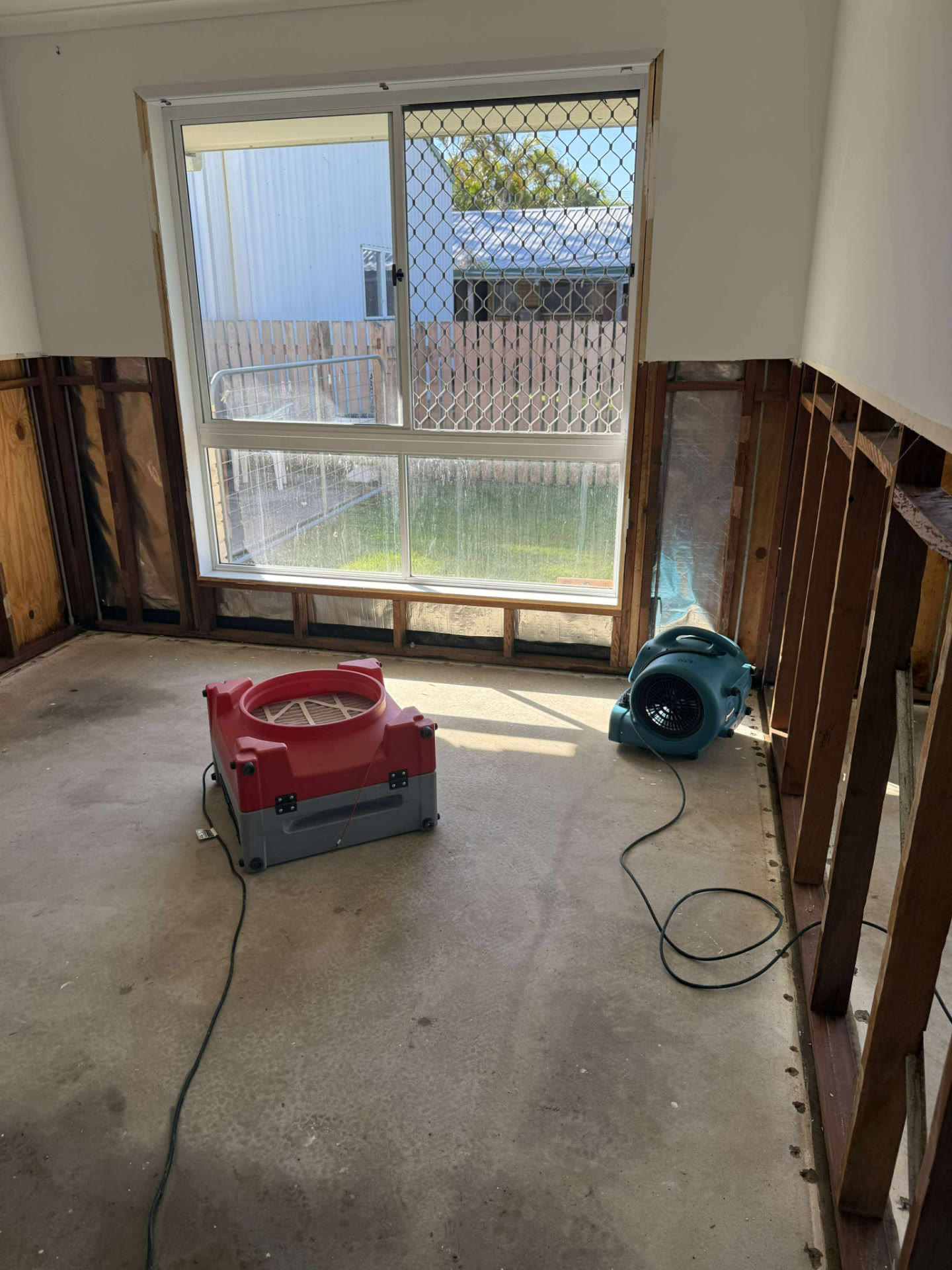
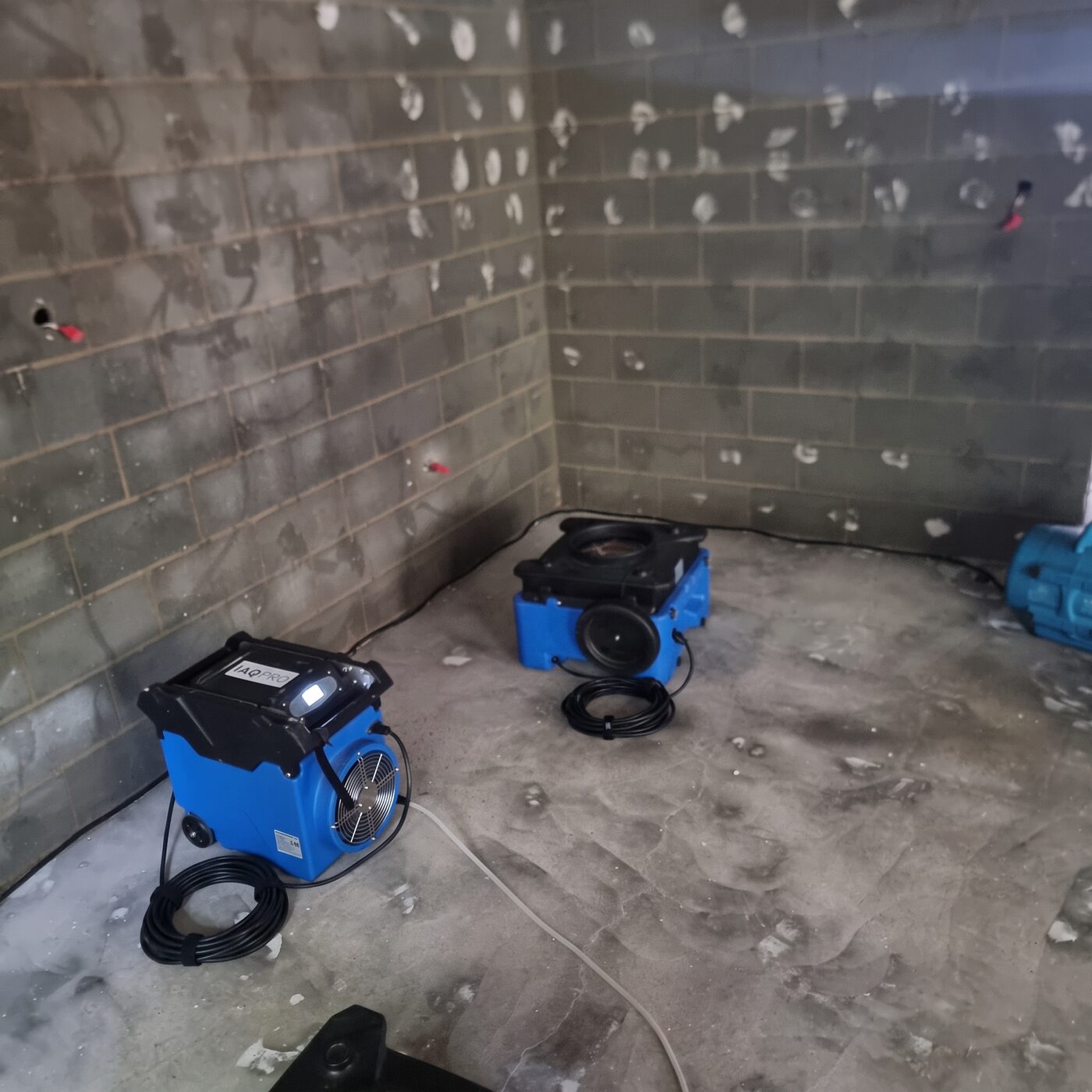
From our recent remediation jobs
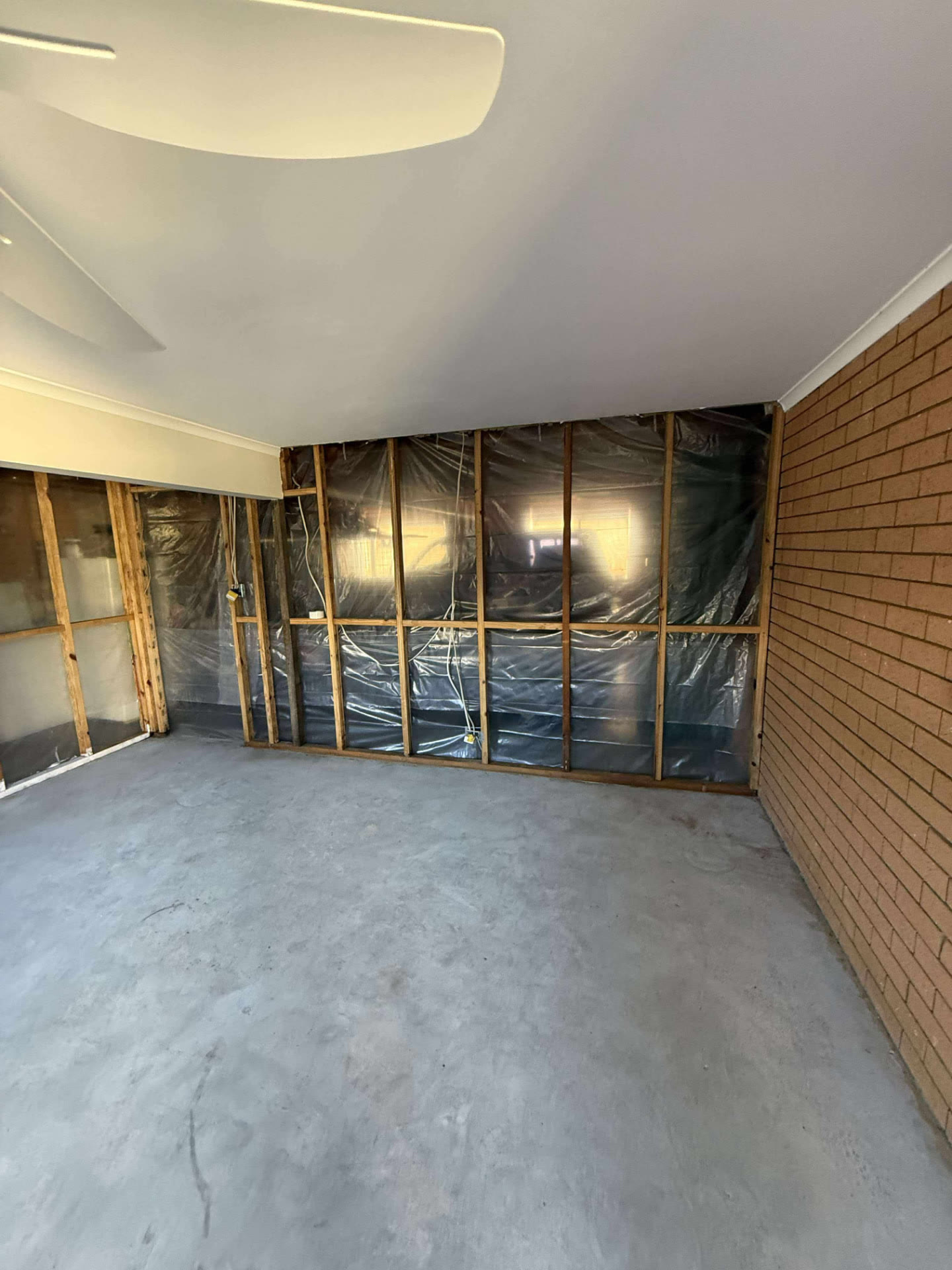
Request a mould inspection or quote
Tell us what you're seeing and upload a few photos. A team member reviews every enquiry and will get back to you.
- Don't scrub, sand or pull off mouldy plasterboard — it spreads spores.
- Take clear photos of the affected areas and upload them with the form.
- Note any recent leaks, storms or plumbing work.
- In a unit or tenancy, let your strata or property manager know if the source could be shared.
Mould removal in Bannockburn — FAQs
What causes recurring mould growth in Bannockburn homes?
Recurring mould is commonly driven by sustained relative humidity and insufficient ventilation, especially in valley and river-adjacent pockets of Logan. Subfloor moisture, unsealed foundation slabs, and unchecked roof leaks also contribute to lingering dampness that mould requires to establish.
How do you handle water damage restoration after a storm or leak?
We quickly extract standing water, deploy industrial dehumidifiers and HEPA air movers, and track drying progress with calibrated moisture meters and thermal imaging. Once structural drying is achieved, we treat affected surfaces with antimicrobial solutions to prevent mould development.
Do you provide mould remediation for body corporate and commercial properties?
Yes. We work alongside body corporate committees, commercial property owners, and real estate property managers in Bannockburn. We assess shared building envelopes, pinpoint moisture sources, remediate affected spaces, and supply full documentation for strata compliance and insurance purposes.
What is included in your mould inspection and remediation report?
Every assessment and completed remediation project concludes with a detailed written report. It records baseline moisture levels, infrared imaging results, identified structural or plumbing defects, remediation steps carried out, and practical guidance to prevent mould re-emergence.

Book Your Bannockburn Mould Inspection
A professional inspection and a clear remediation plan from our Logan and Brisbane team.
Photo: Kgbo, CC BY-SA 4.0