

Local mould remediation · Windaroo
Professional Mould Removal Windaroo
We provide IICRC-certified mould remediation and detailed moisture investigations for Windaroo homes and commercial facilities, identifying hidden dampness and restoring healthy indoor air quality with clear, documented reporting.
- QBCC Licence 15082064
- IICRC industry methods
- Homes, units & commercial
- Documented report every job
Photo: Shiftchange, CC0
Mould Remediation & Moisture Investigations in Windaroo
Windaroo is predominantly composed of detached brick-and-tile family homes set across rolling terrain near Windaroo Creek and the Albert River corridor. While the suburb features well-maintained properties, Logan’s hot, humid summer climate creates substantial moisture challenges. Poor subfloor cross-ventilation, shaded wall profiles near bushland reserves, and high indoor humidity can cause microbial growth on ceilings, behind joinery, and within roof cavities, particularly where seasonal storms or condensation overwhelm building envelopes.
The Mould Removers delivers targeted, IICRC-certified mould remediation across Windaroo for freestanding houses, local commercial tenancies, and low-density body corporate schemes. We use precision moisture meters and calibrated thermal imaging to uncover the exact water source, avoiding surface-only fixes. Our technicians contain affected areas, filter airborne spores using HEPA air scrubbers, and clean or remove affected materials safely. Every residential and commercial project concludes with comprehensive photographic documentation and actionable recommendations to keep indoor spaces dry.
Book a Mould Inspection
Common signs of mould
- Musty odours lingering in closed walk-in wardrobes and carpeted bedrooms.
- Dark spotting spreading across ceiling plasterboard under ducted A/C vents.
- Visible microbial growth along skirting boards backing onto external brick veneer.
- Discolouration or softening of timber kitchen and vanity cabinetry.
- Persistent window condensation pooling on sills during humid Logan mornings.
- Damp, earthy smells originating from enclosed subfloor spaces or garages.
Our Mould Remediation Services in Windaroo
 Illustrative image
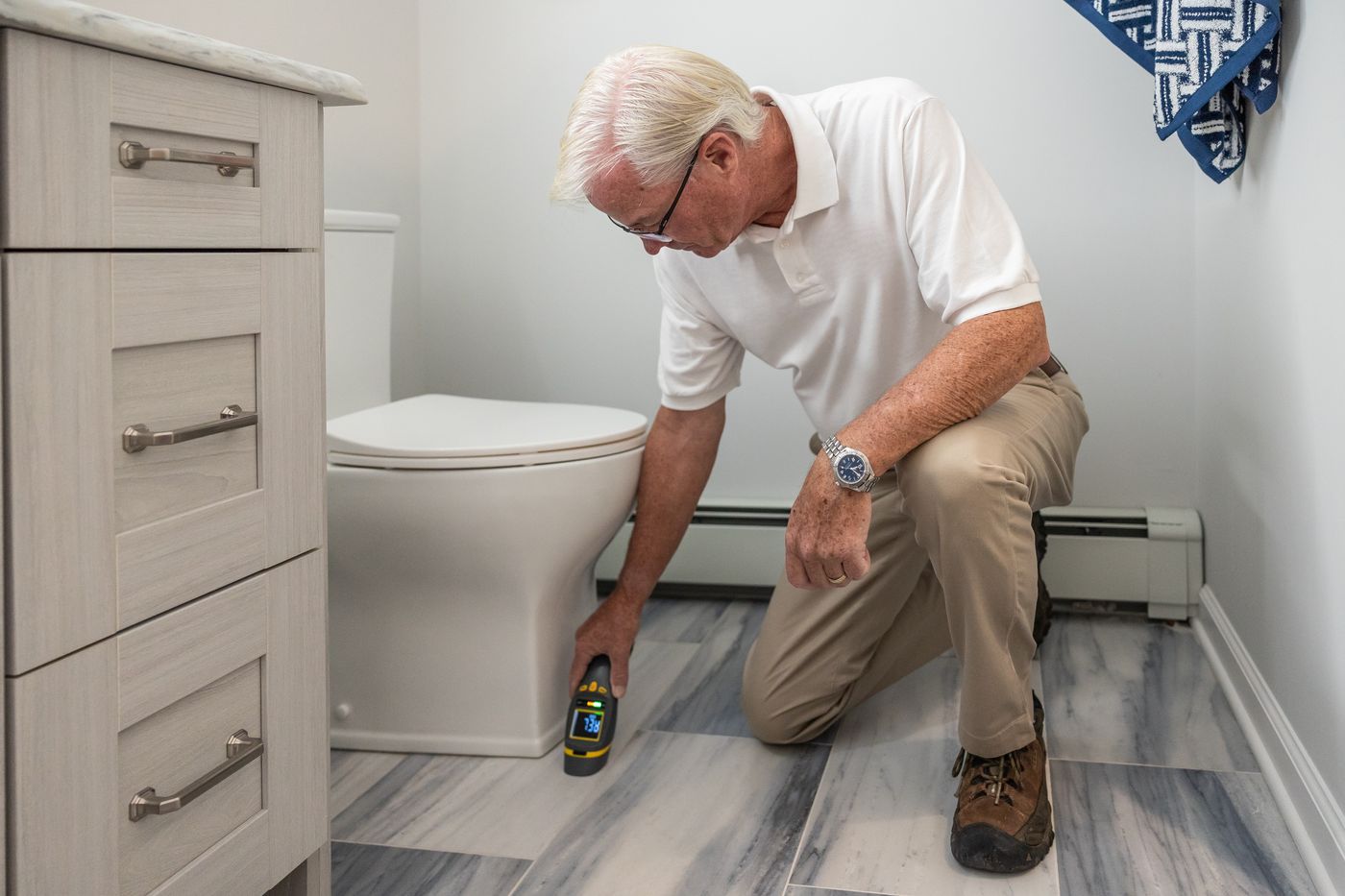
Mould Inspections & Moisture Investigations
Visual assessment, moisture readings and thermal imaging to find the water behind mould in Windaroo homes, units and commercial premises. Sampling, where needed, is arranged with an independent hygienist.
Learn more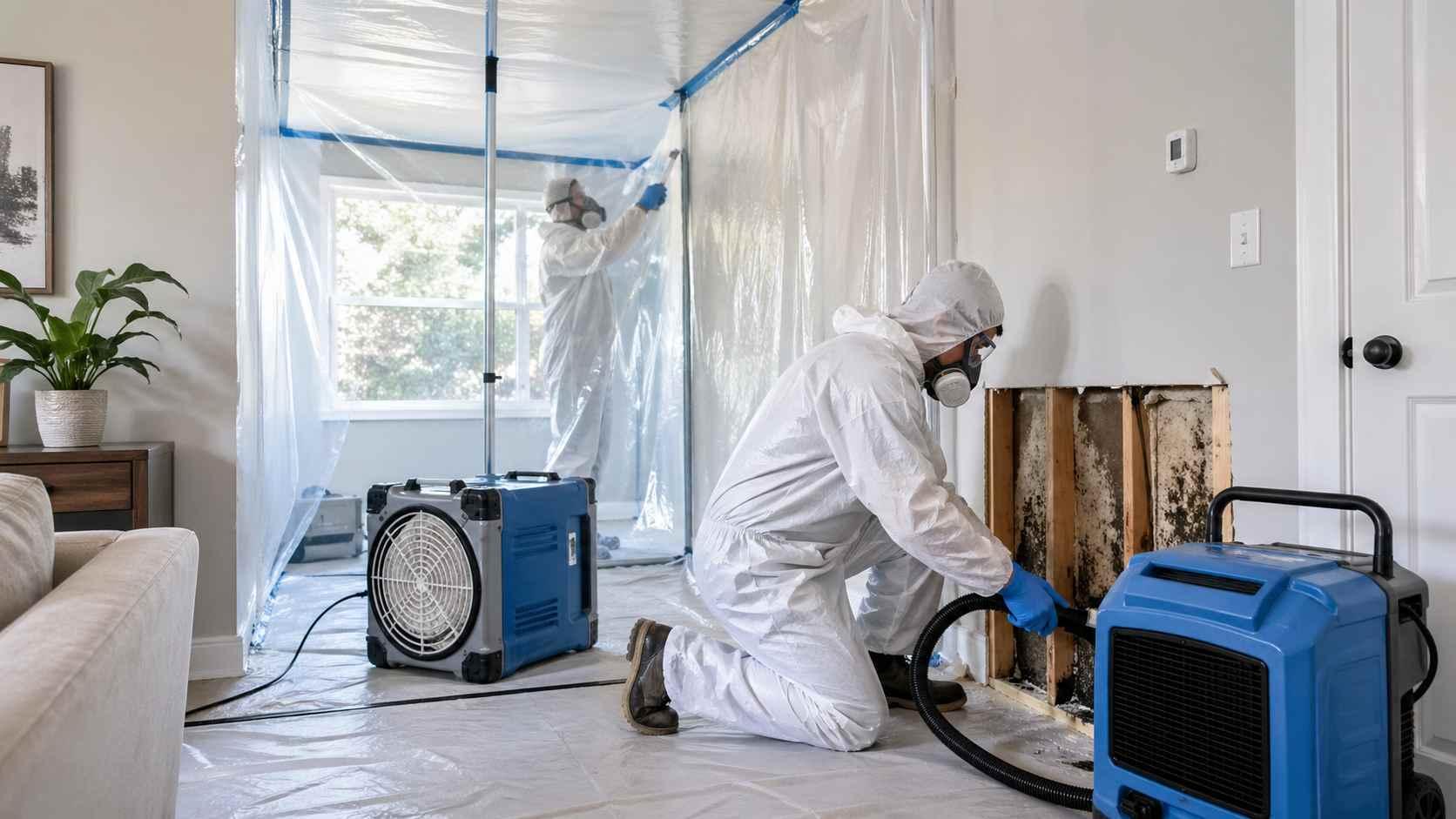 Illustrative image
Residential & Commercial Mould Removal
Controlled removal of mould-affected plasterboard, ceilings, insulation and fittings, planned around occupants, tenants and body corporate requirements.
Learn more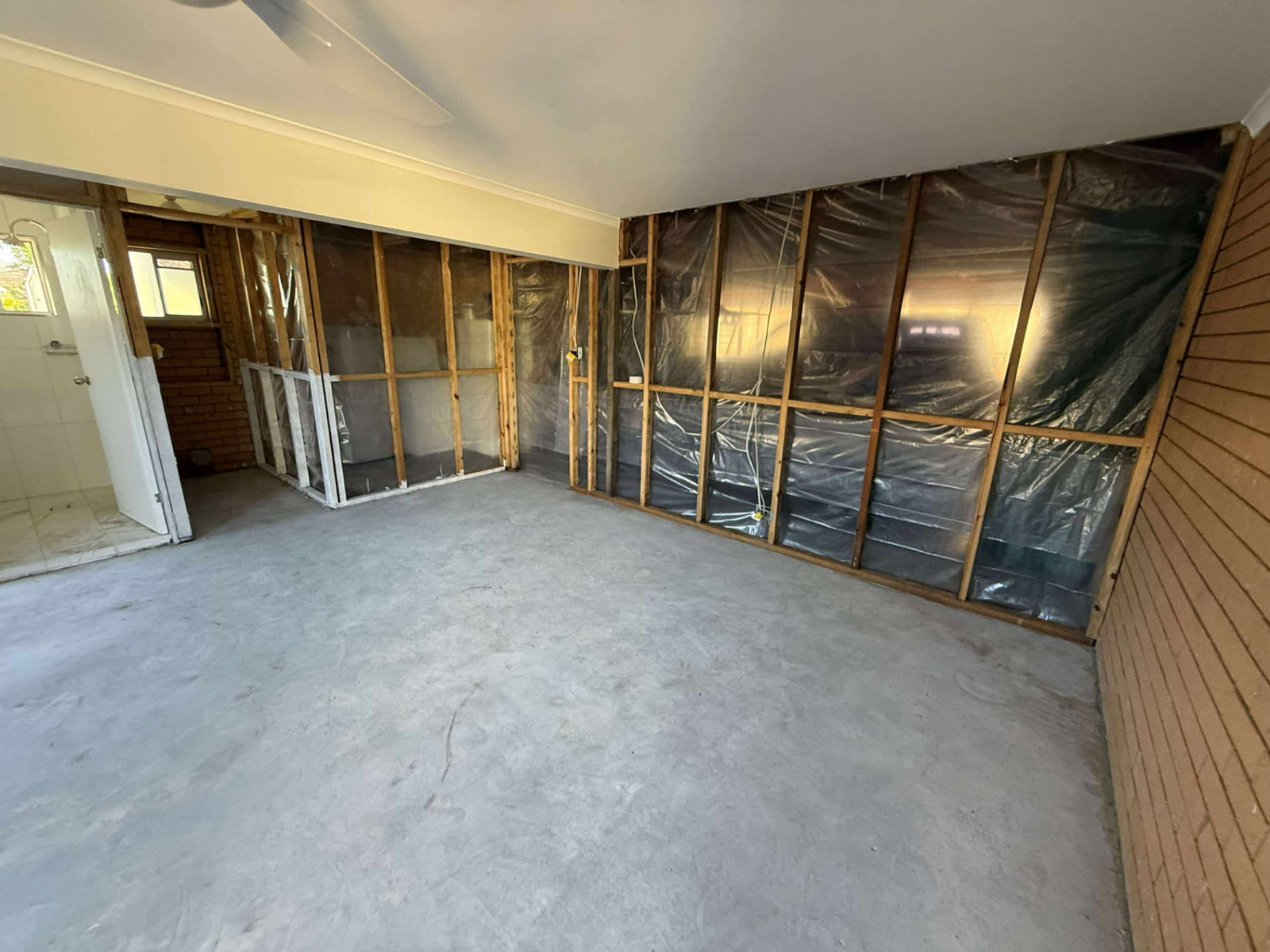
Containment & HEPA Air Filtration
Plastic barriers and HEPA air scrubbers to reduce the spread of spores beyond the work area. The containment plan depends on the property and scope.
Learn more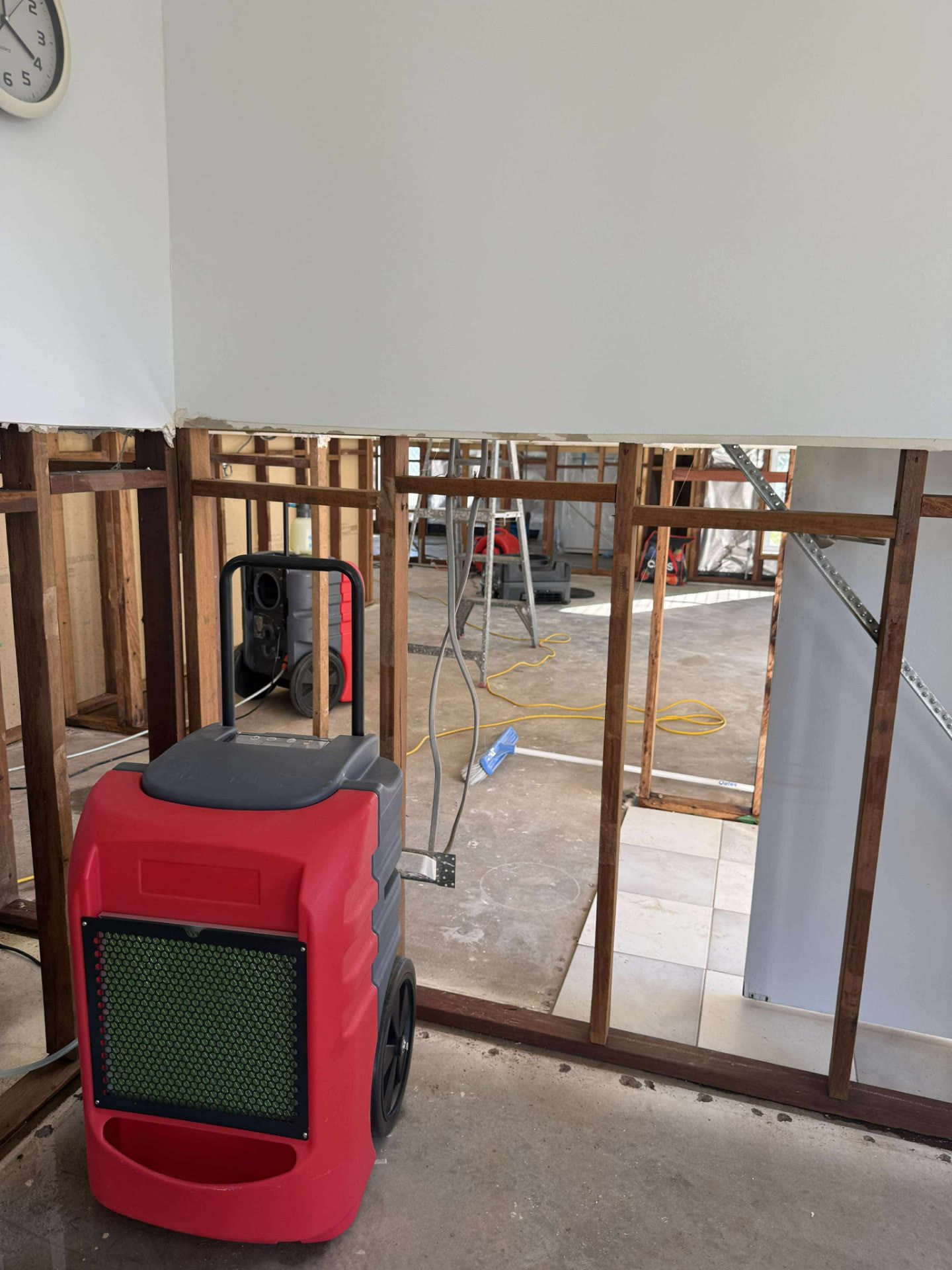
Water Damage & Structural Drying
Water damage restoration in Windaroo after roof leaks, plumbing leaks, storms or actual flooding, with structural drying monitored by moisture readings.
Learn moreFor leak-affected framing and ceilings, see our structural drying and moisture monitoring. We also support insurance and commercial remediation projects, with independent hygienist assessments and testing arranged where needed.
How we work
Our Mould Remediation Process
- 1
Inspection & Assessment
We talk through the history, take moisture readings and thermal images, and confirm what's feeding the mould.
- 2
Containment & Air Filtration
Where the scope needs it, we seal the work area and run HEPA air filtration to protect the rest of the property.
- 3
Remediation & Cleaning
Contaminated porous materials are removed and salvageable surfaces are HEPA-vacuumed and cleaned.
- 4
Drying, Verification & Recommendations
Structural drying, final moisture readings and a documented report with photos and advice to stop it returning.
Not every step is needed on every job — we explain the proposed scope before work begins. Independent clearance testing can be arranged where the scope, insurer or a hygienist requires it.
Why Choose The Mould Removers in Windaroo?
- Source first. We confirm the moisture source with readings and thermal imaging before we quote removal.
- Professional equipment. HEPA air scrubbers, commercial dehumidifiers, air movers and moisture meters on every job that needs them.
- Clear communication. You'll know the scope, what's being removed and why before work starts.
- Detailed reporting. Every job ends with a documented report — photos, moisture readings and a summary of the work.
- Homes and commercial premises. Houses, units, strata buildings, offices and workshops, including insurance and builder-managed jobs.
 Illustrative image
Addressing Moisture and Mould Challenges in Windaroo
These are inspection considerations, not a diagnosis of every property. We assess likely contributing conditions on site and explain any limitations or further investigations needed.
Detached Brick & Tile Residences
We identify hidden condensation and ceiling cavity damp in established Windaroo homes without causing unnecessary structural disruption.
Creek Corridors & Humidity
Pockets of elevated humidity near local waterways can saturate building materials, requiring targeted dehumidification to prevent recurring outbreaks.
Commercial & Body Corporate Sites
We assist property managers and business owners with structural assessments, detailed scope of works, and formal documented reporting.
Storm Ingress & Water Damage
Where actual water entry has occurred through roof tiles or overland stormwater, our team rapidly dries and restores structural components.
Our work
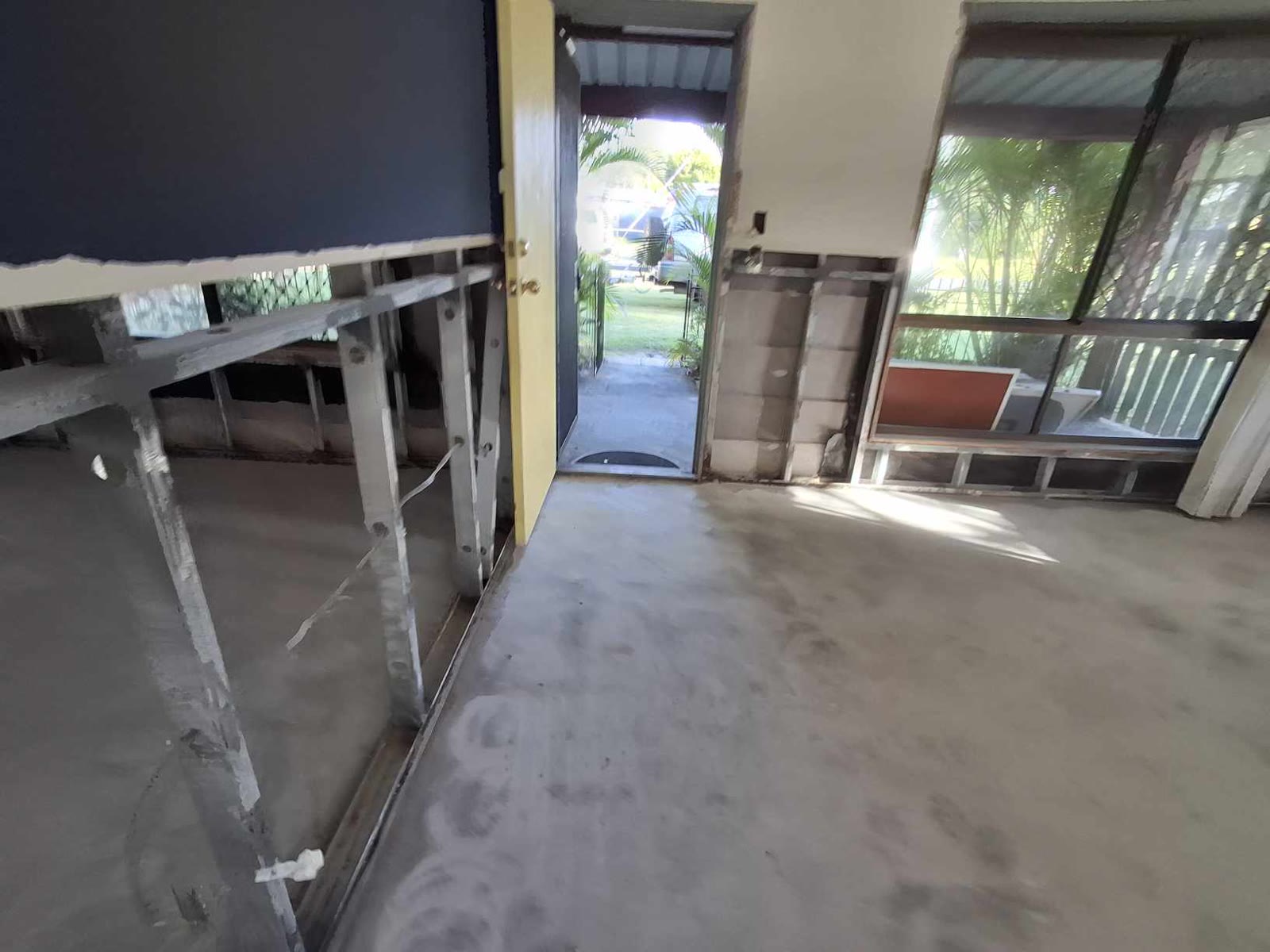
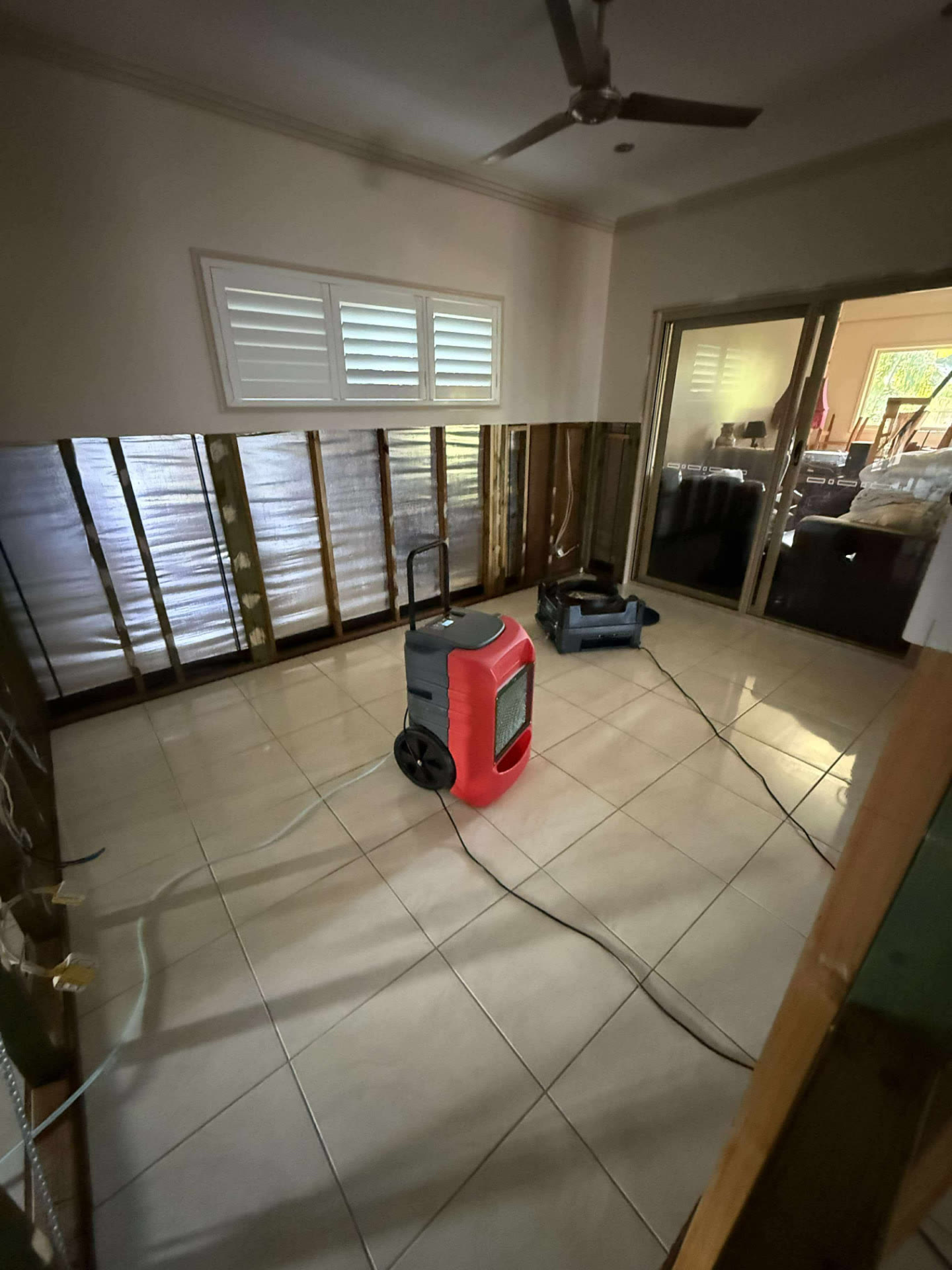
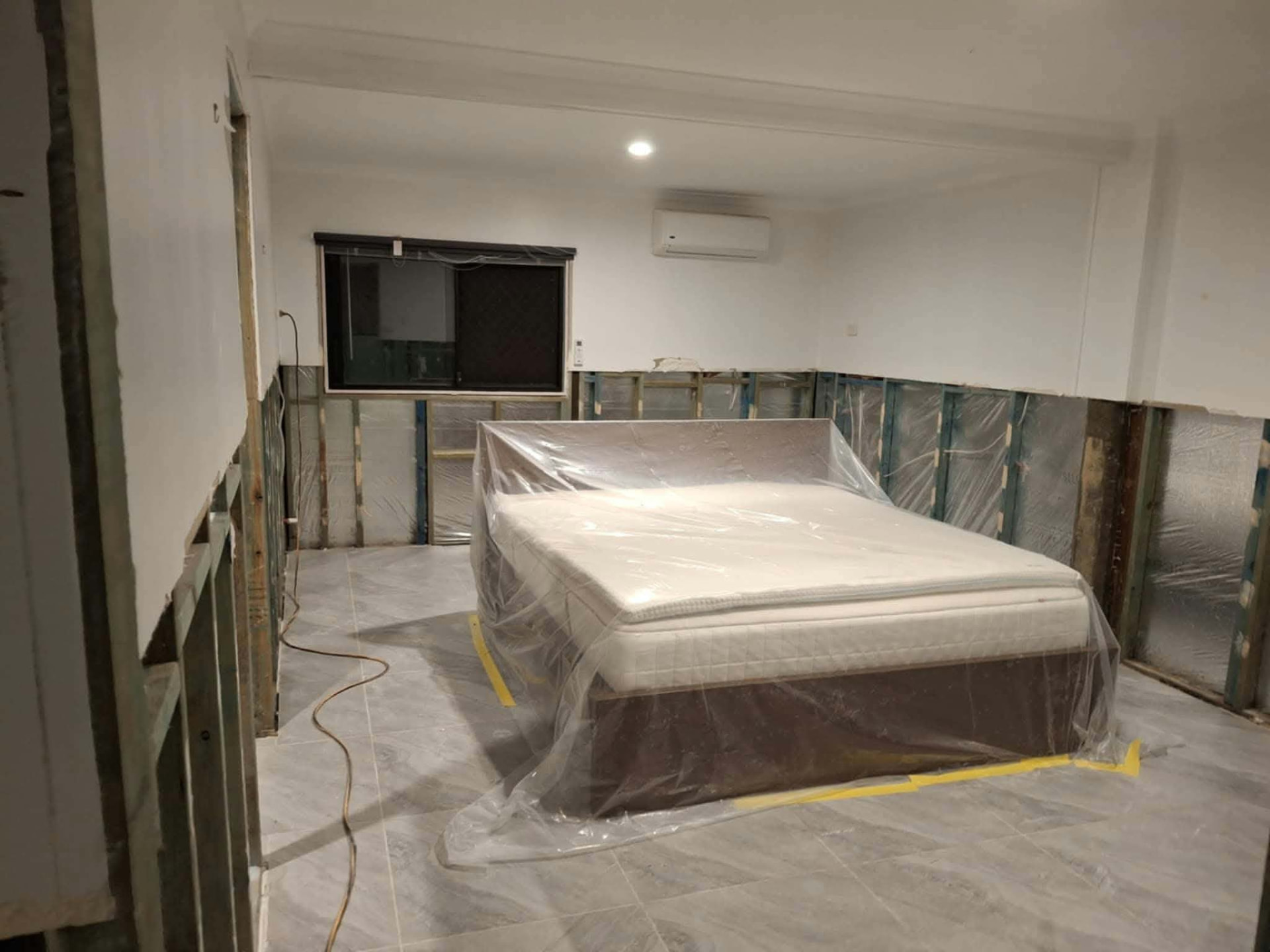
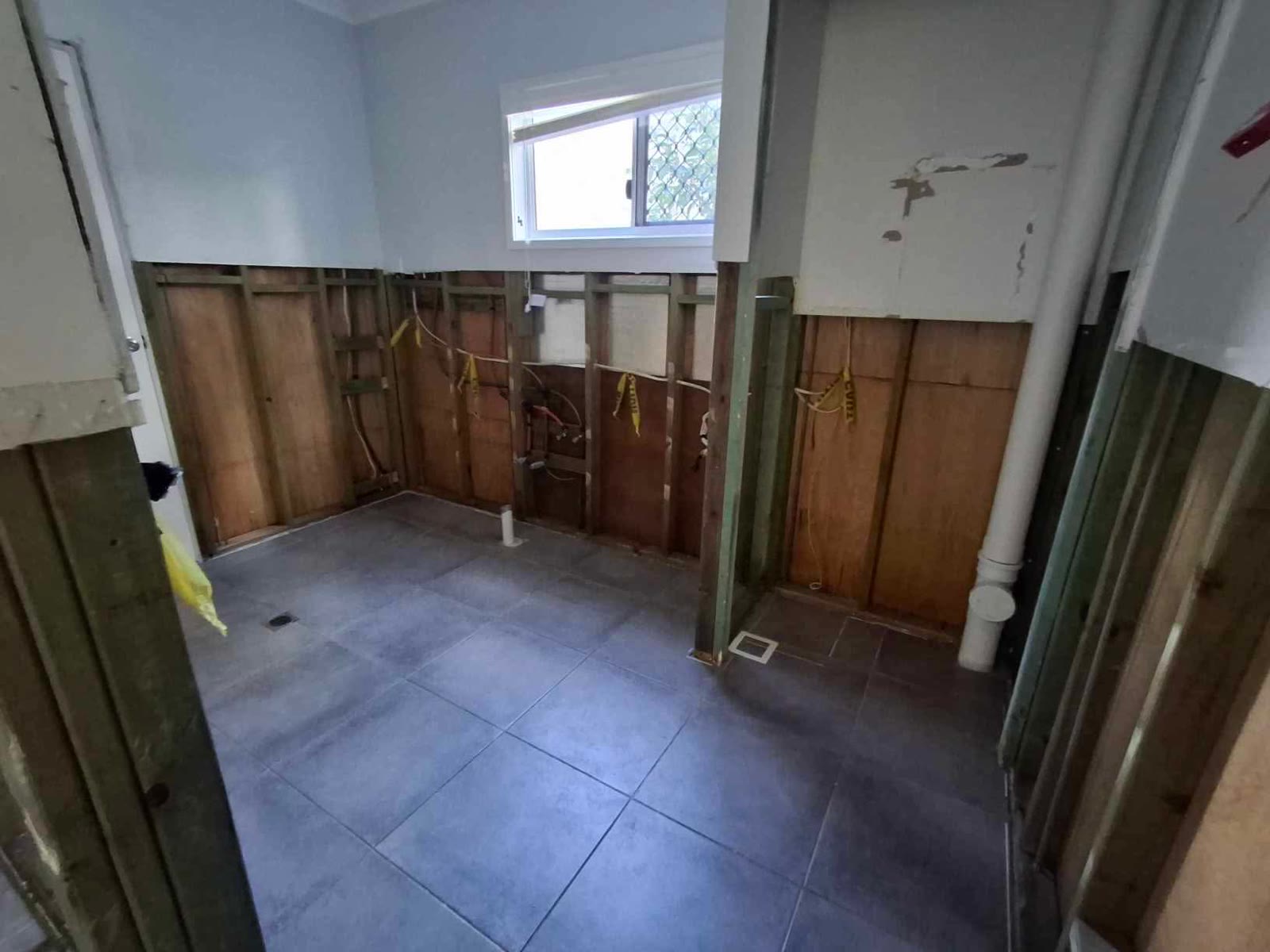
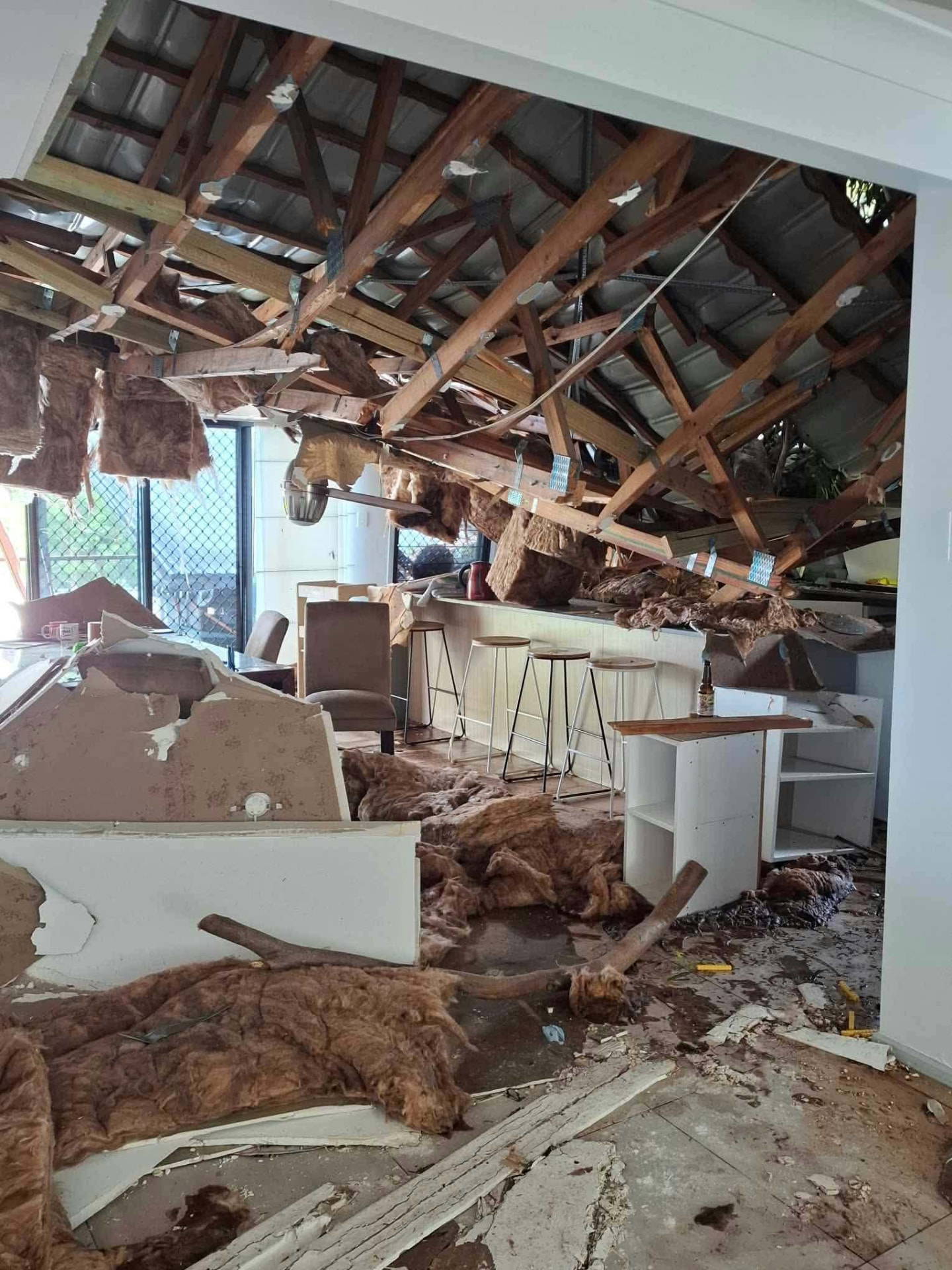
From our recent remediation jobs
Request a mould inspection or quote
Tell us what you're seeing and upload a few photos. A team member reviews every enquiry and will get back to you.
- Don't scrub, sand or pull off mouldy plasterboard — it spreads spores.
- Take clear photos of the affected areas and upload them with the form.
- Note any recent leaks, storms or plumbing work.
- In a unit or tenancy, let your strata or property manager know if the source could be shared.
Mould removal in Windaroo — FAQs
How does river basin humidity impact Windaroo properties?
Windaroo sits within the Albert River catchment, where dense vegetation and elevated ambient humidity can trap moisture against exterior walls and inside subfloors, driving mould on gypsum plasterboard and cabinetry.
What steps are taken for water damage restoration after heavy rainfall?
Where actual water entry has occurred from storm runoff or damaged roof tiling, we deploy industrial air movers and desiccant dehumidifiers to extract structural moisture before secondary mould growth takes hold, followed by comprehensive verification testing.
Do you provide mould inspections for commercial properties and body corporate schemes?
Yes. We work with body corporate managers, landlords, and local business operators to inspect communal properties, retail spaces, and offices, issuing formal written reports outlining moisture intrusion causes and remediation protocols.
Why is mould returning to my ceilings despite regular cleaning?
Surface wiping does not eliminate roots embedded in porous materials or stop hidden roof leaks, failed sarking, and ducted air-conditioning condensation. A professional moisture investigation identifies and resolves the underlying moisture source.
What do we get when the job is finished?
Every job ends with a documented report — photos, moisture readings and a summary of the work. Independent post-remediation verification can be arranged where the scope, insurer or a hygienist requires it.

Book Your Windaroo Mould Inspection
A professional inspection and a clear remediation plan from our Logan and Brisbane team.
Photo: Kerry Raymond, CC BY 4.0