

Local mould remediation · Buccan
Professional Mould Removal Buccan
We provide comprehensive mould remediation, moisture testing, and detailed reporting across Buccan acreage homes, identifying water intrusion risks and restoring indoor air quality with trusted QBCC-licensed professionalism.
- QBCC Licence 15082064
- IICRC industry methods
- Homes, units & commercial
- Documented report every job
Photo: Kgbo, CC BY-SA 4.0
Mould Remediation & Moisture Investigations in Buccan
Buccan features a predominantly rural-residential landscape, with 659 private dwellings housing a population of 2,134 according to the 2021 Census. Dominated by detached acreage homes with zero apartments or townhouses recorded, properties here face unique moisture challenges. Heavy rainfall, high sub-tropical humidity, mature surrounding tree canopies, and proximity to the Logan River corridor can contribute to prolonged dampness. Low underfloor airflow, shaded rooflines, and condensation buildup within modern or classic homesteads frequently create conditions where fungal spores thrive.
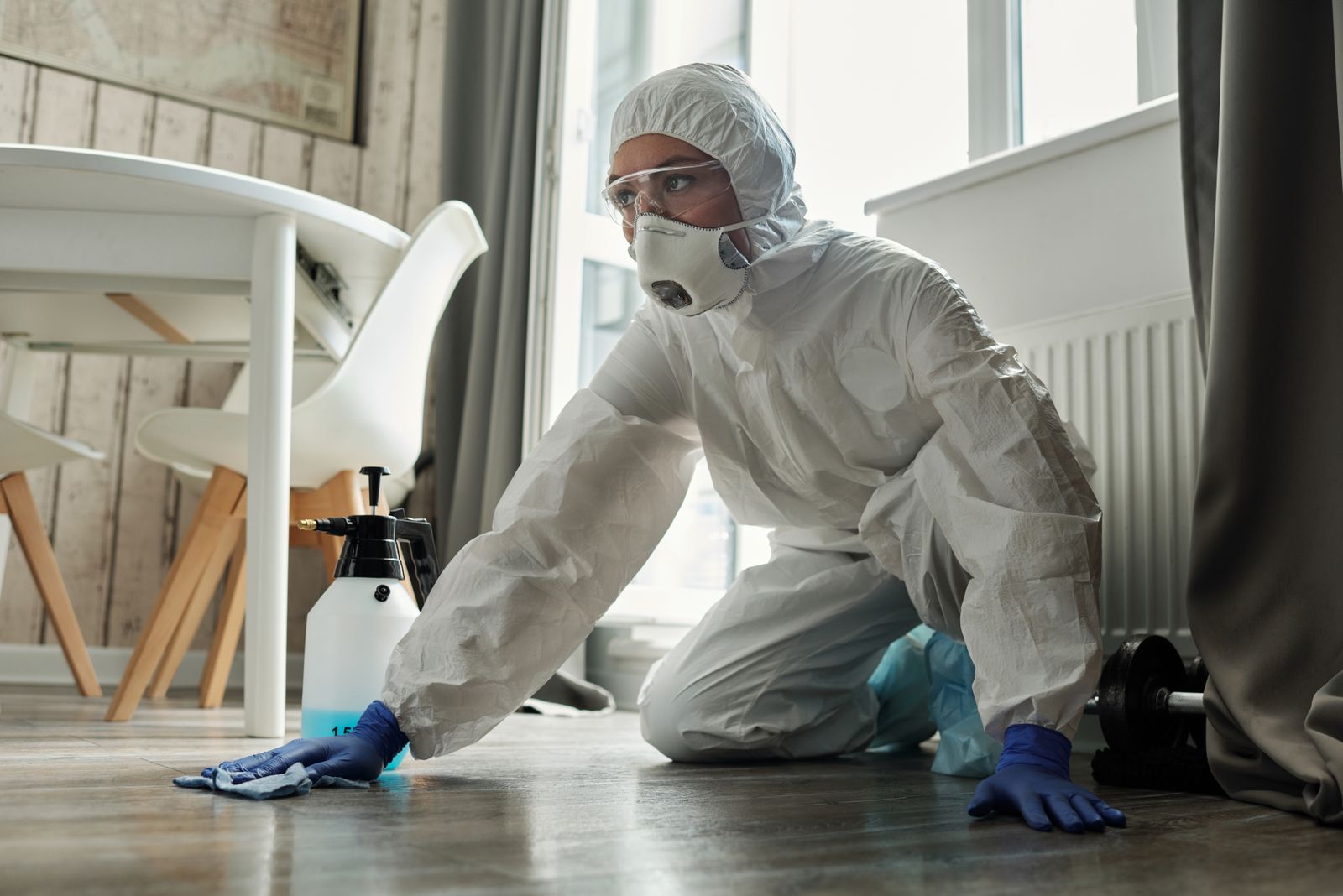
Our IICRC-certified technicians deliver thorough mould remediation, water damage restoration, and moisture investigations across Buccan. Whether managing sprawling residential acreage properties, local commercial workshops, or community body corporate facilities, we trace visible mould back to its root water source using thermal imaging and calibrated moisture meters. We safely extract active colonies, treat contaminated structural timber and plasterboard, purify indoor air with HEPA filtration, and conclude every project with an extensive diagnostic report detailing the corrective actions taken and ongoing prevention measures.
Book a Mould Inspection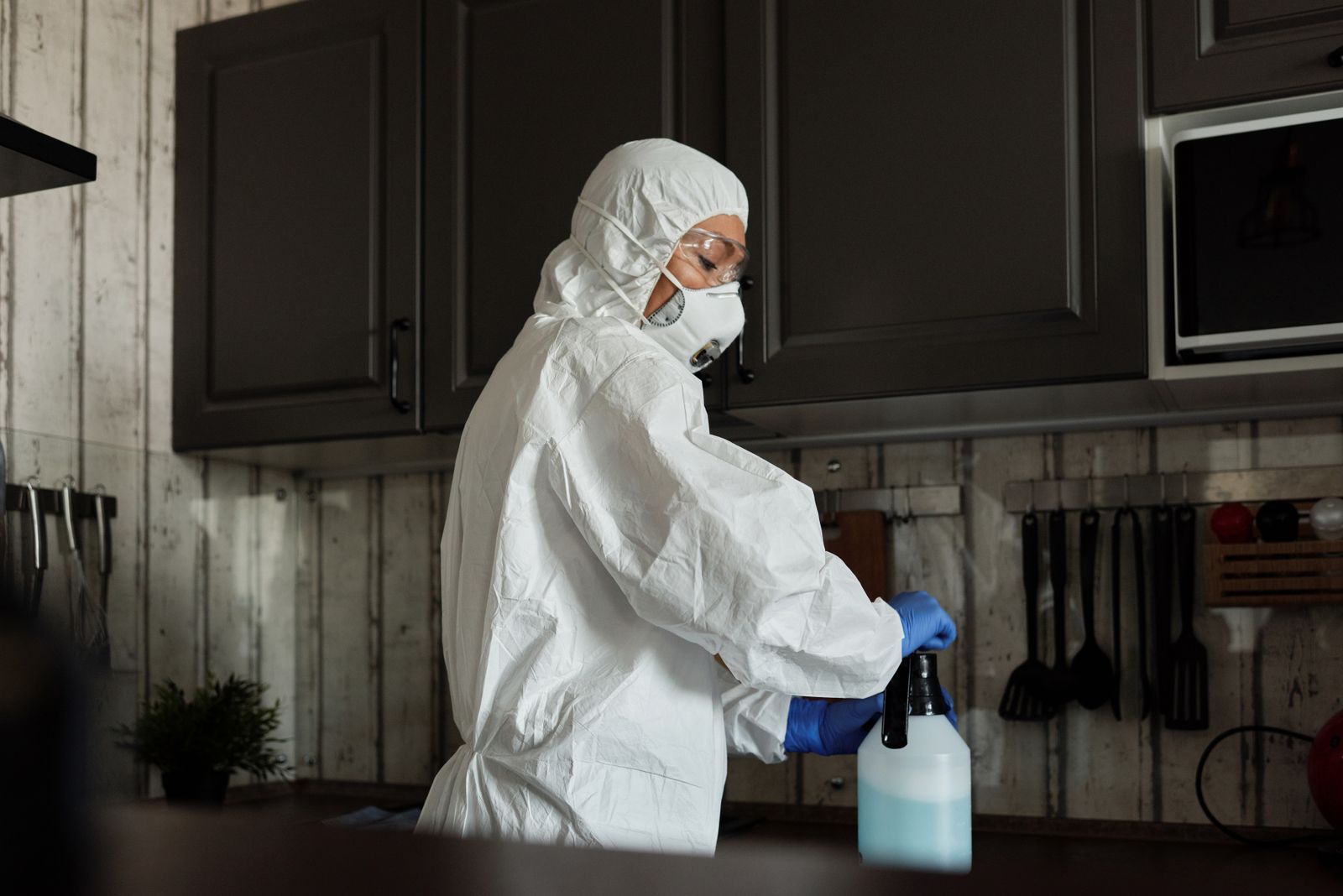
Common signs of mould
- Visible discoloration on timber ceilings, wall linings, or skirting boards
- Persistent earthy or musty odours lingering in closed rooms or sheds
- Warping, swelling, or water staining on plasterboard and timber frames
- High indoor humidity and regular morning condensation along window glass
- Damp subfloors and crawlspaces with limited external natural ventilation
- Mould spotting appearing behind large furniture placed against external walls
Our Mould Remediation Services in Buccan
 Illustrative image
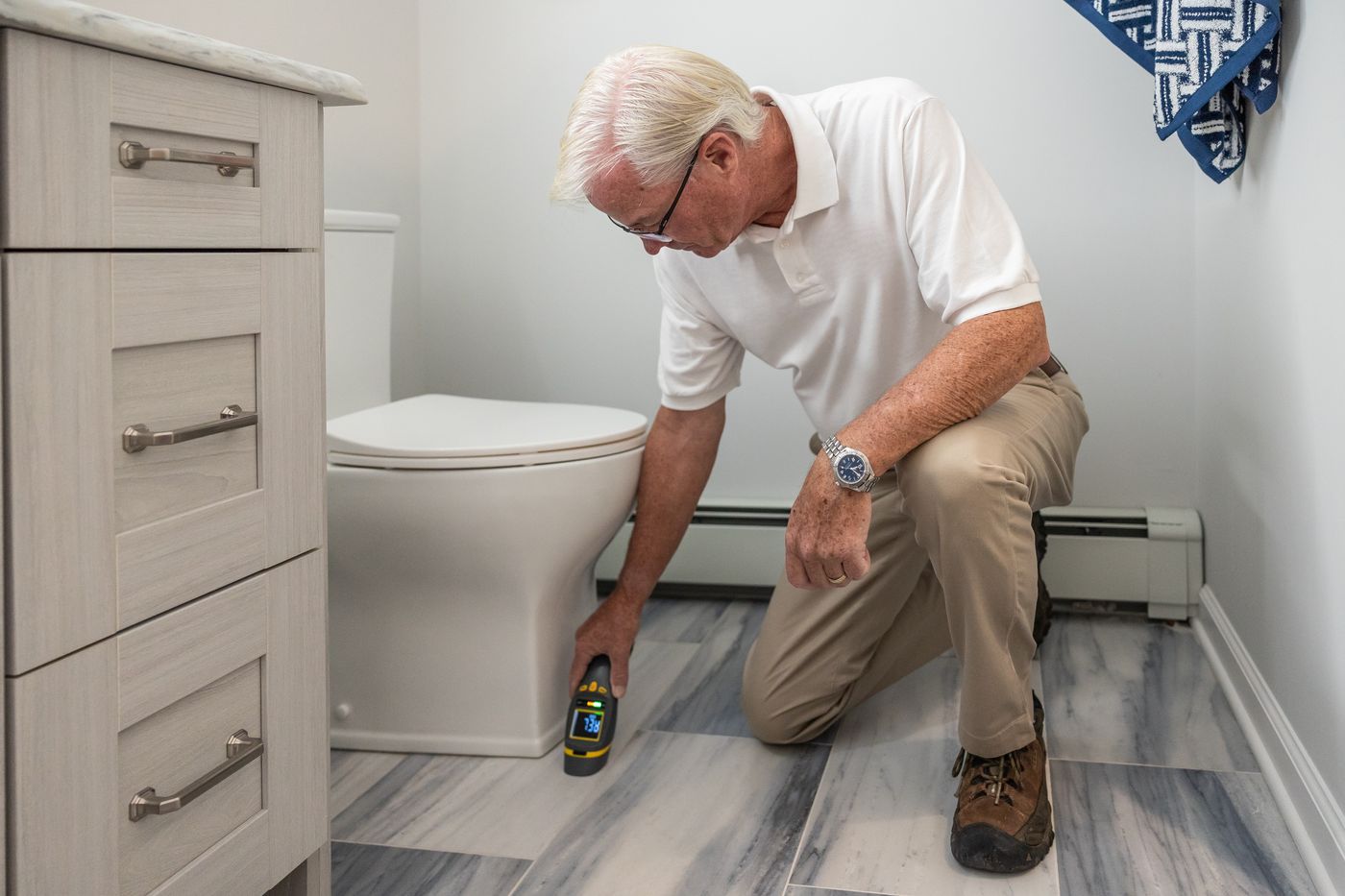
Mould Inspections & Moisture Investigations
Visual assessment, moisture readings and thermal imaging to find the water behind mould in Buccan homes, units and commercial premises. Sampling, where needed, is arranged with an independent hygienist.
Learn more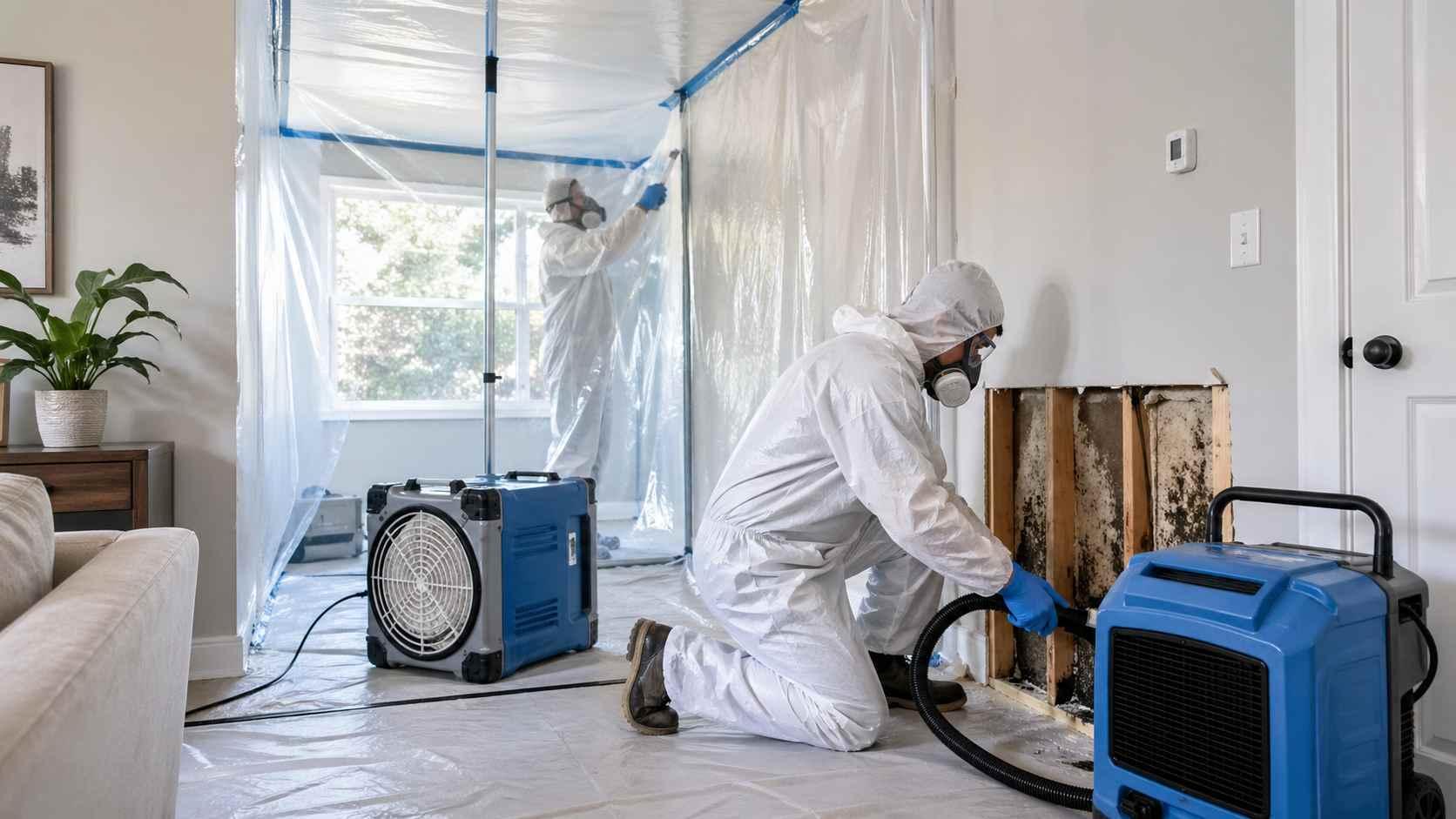 Illustrative image
Residential & Commercial Mould Removal
Controlled removal of mould-affected plasterboard, ceilings, insulation and fittings, planned around occupants, tenants and body corporate requirements.
Learn more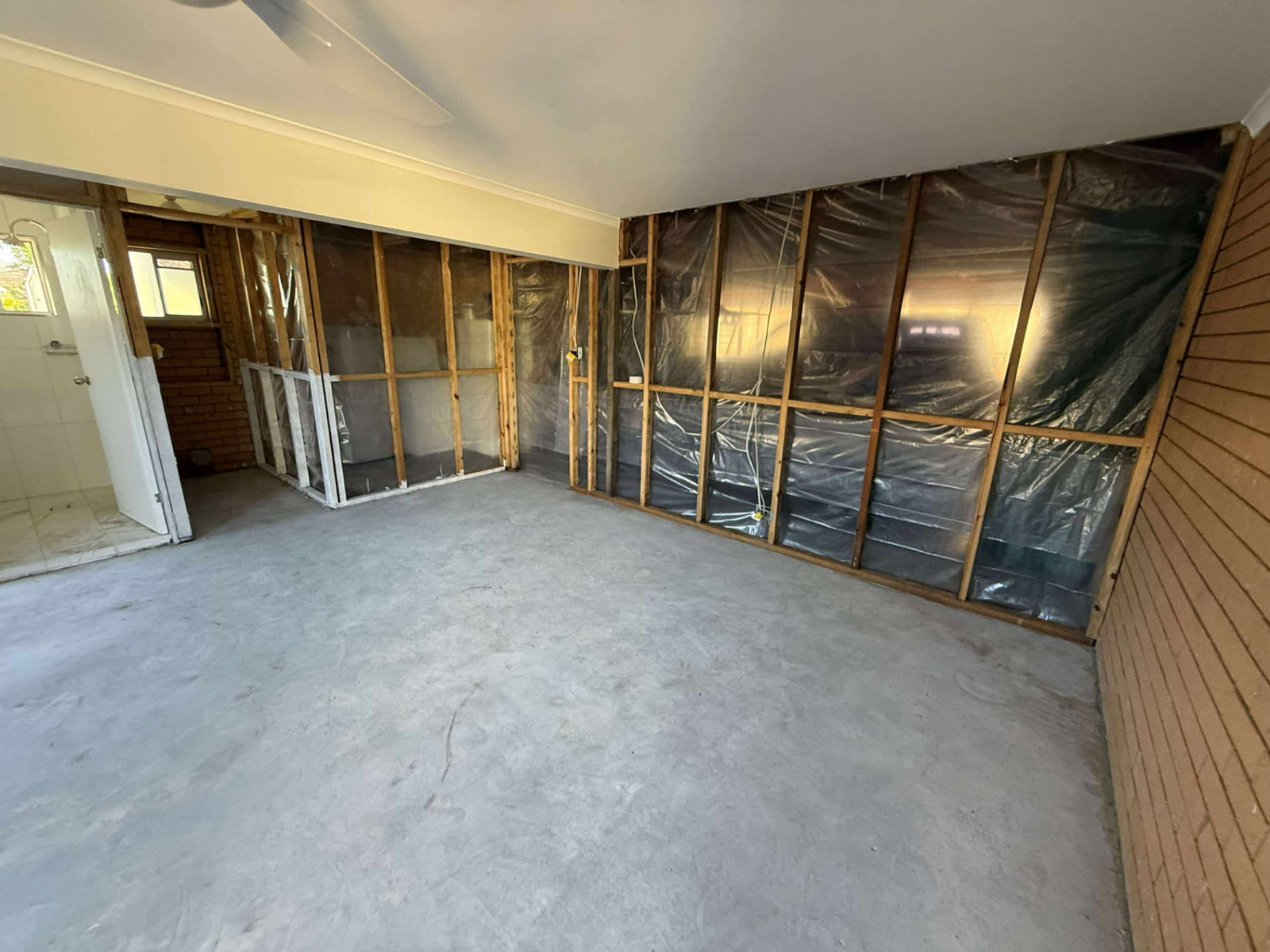
Containment & HEPA Air Filtration
Plastic barriers and HEPA air scrubbers to reduce the spread of spores beyond the work area. The containment plan depends on the property and scope.
Learn more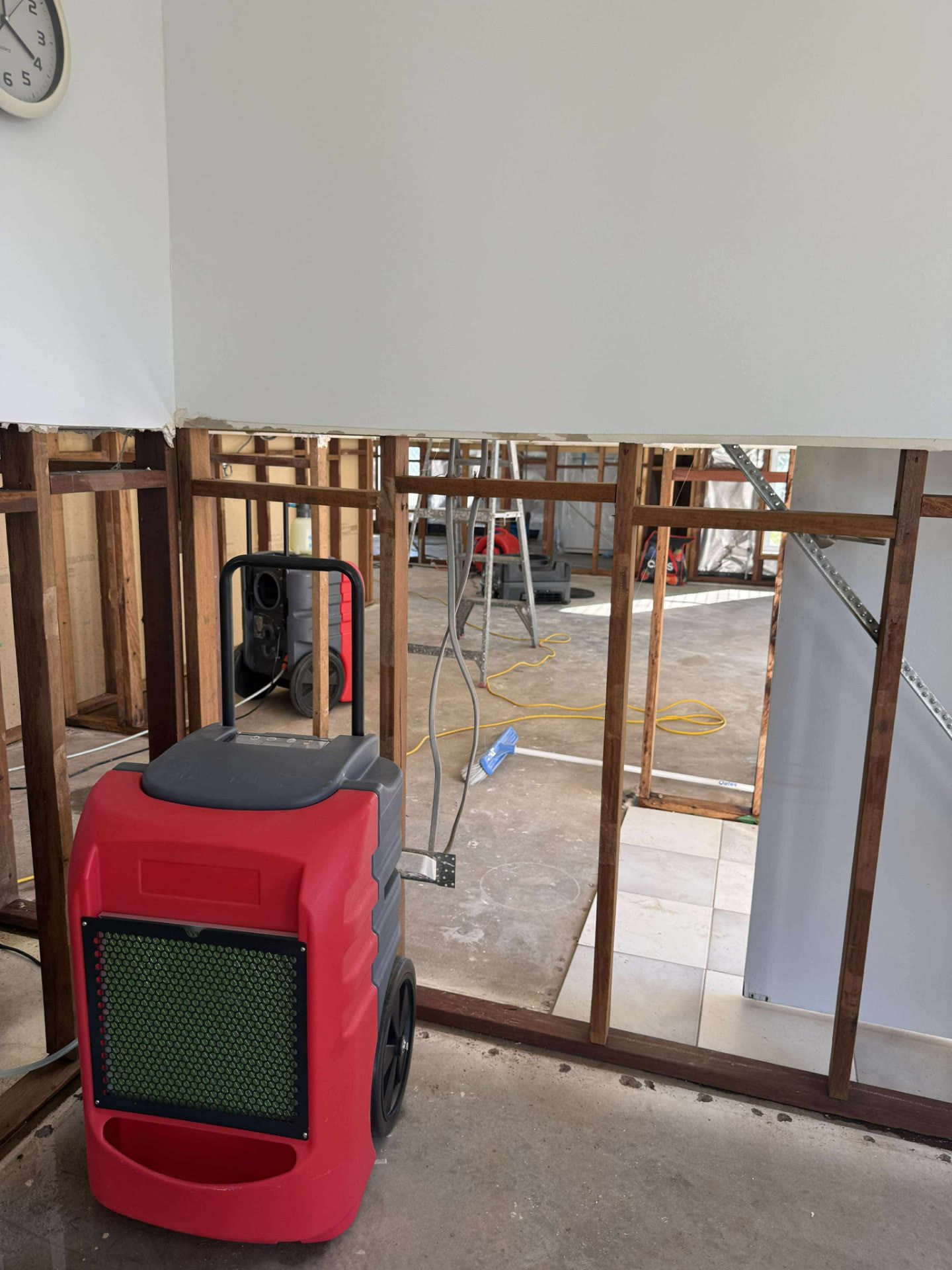
Water Damage & Structural Drying
Water damage restoration in Buccan after roof leaks, plumbing leaks, storms or actual flooding, with structural drying monitored by moisture readings.
Learn moreFor leak-affected framing and ceilings, see our structural drying and moisture monitoring. We also support insurance and commercial remediation projects, with independent hygienist assessments and testing arranged where needed.
How we work
Our Mould Remediation Process
- 1
Inspection & Assessment
We talk through the history, take moisture readings and thermal images, and confirm what's feeding the mould.
- 2
Containment & Air Filtration
Where the scope needs it, we seal the work area and run HEPA air filtration to protect the rest of the property.
- 3
Remediation & Cleaning
Contaminated porous materials are removed and salvageable surfaces are HEPA-vacuumed and cleaned.
- 4
Drying, Verification & Recommendations
Structural drying, final moisture readings and a documented report with photos and advice to stop it returning.
Not every step is needed on every job — we explain the proposed scope before work begins. Independent clearance testing can be arranged where the scope, insurer or a hygienist requires it.
Why Choose The Mould Removers in Buccan?
- Source first. We confirm the moisture source with readings and thermal imaging before we quote removal.
- Professional equipment. HEPA air scrubbers, commercial dehumidifiers, air movers and moisture meters on every job that needs them.
- Clear communication. You'll know the scope, what's being removed and why before work starts.
- Detailed reporting. Every job ends with a documented report — photos, moisture readings and a summary of the work.
- Homes and commercial premises. Houses, units, strata buildings, offices and workshops, including insurance and builder-managed jobs.
 Illustrative image
Moisture Drivers Across Buccan's Rural-Residential Landscape
These are inspection considerations, not a diagnosis of every property. We assess likely contributing conditions on site and explain any limitations or further investigations needed.
Acreage & Tree Canopy Shade
Dense bushland and established gum trees limit solar drying, keeping external walls and roof cavities damp longer after rain.
Low-Set & Elevated Dwellings
Acreage home designs often trap damp air under unvented subfloors or within sealed ceiling voids during humid Logan summers.
River Basin Groundwater
Nearby waterways like the Logan River create high ambient humidity and damp soil conditions that challenge building perimeters.
Storm & Runoff Inundation
Severe seasonal storms drive intense overland surface runoff that can penetrate slabs, sheds, and exterior building envelopes.
Our work
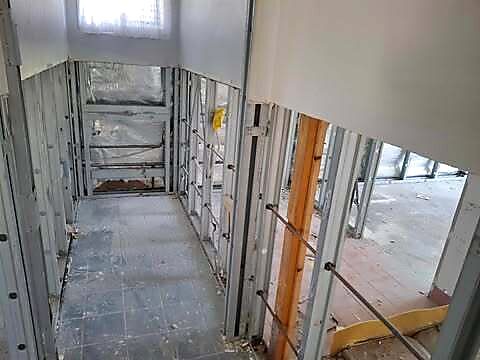
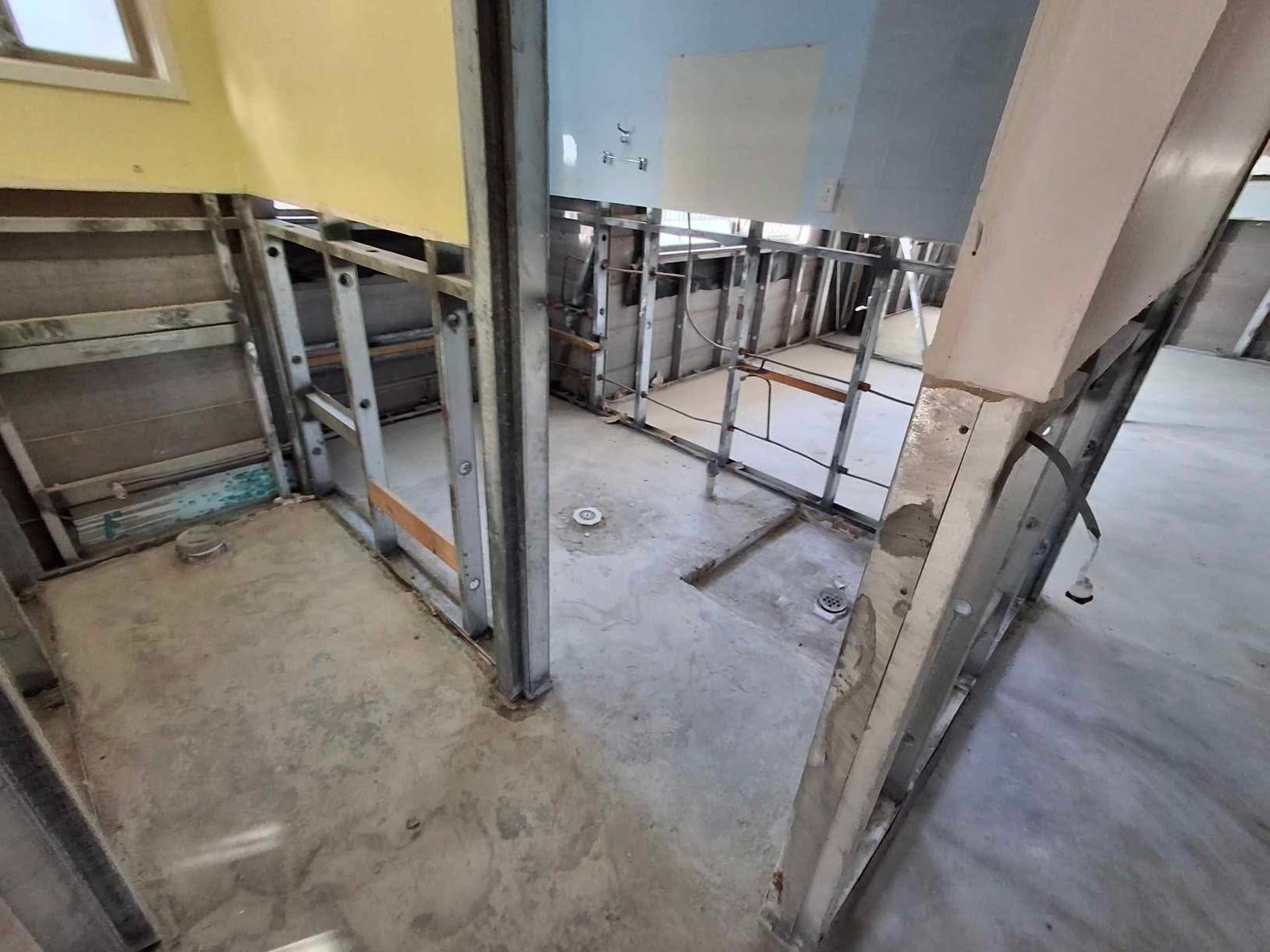
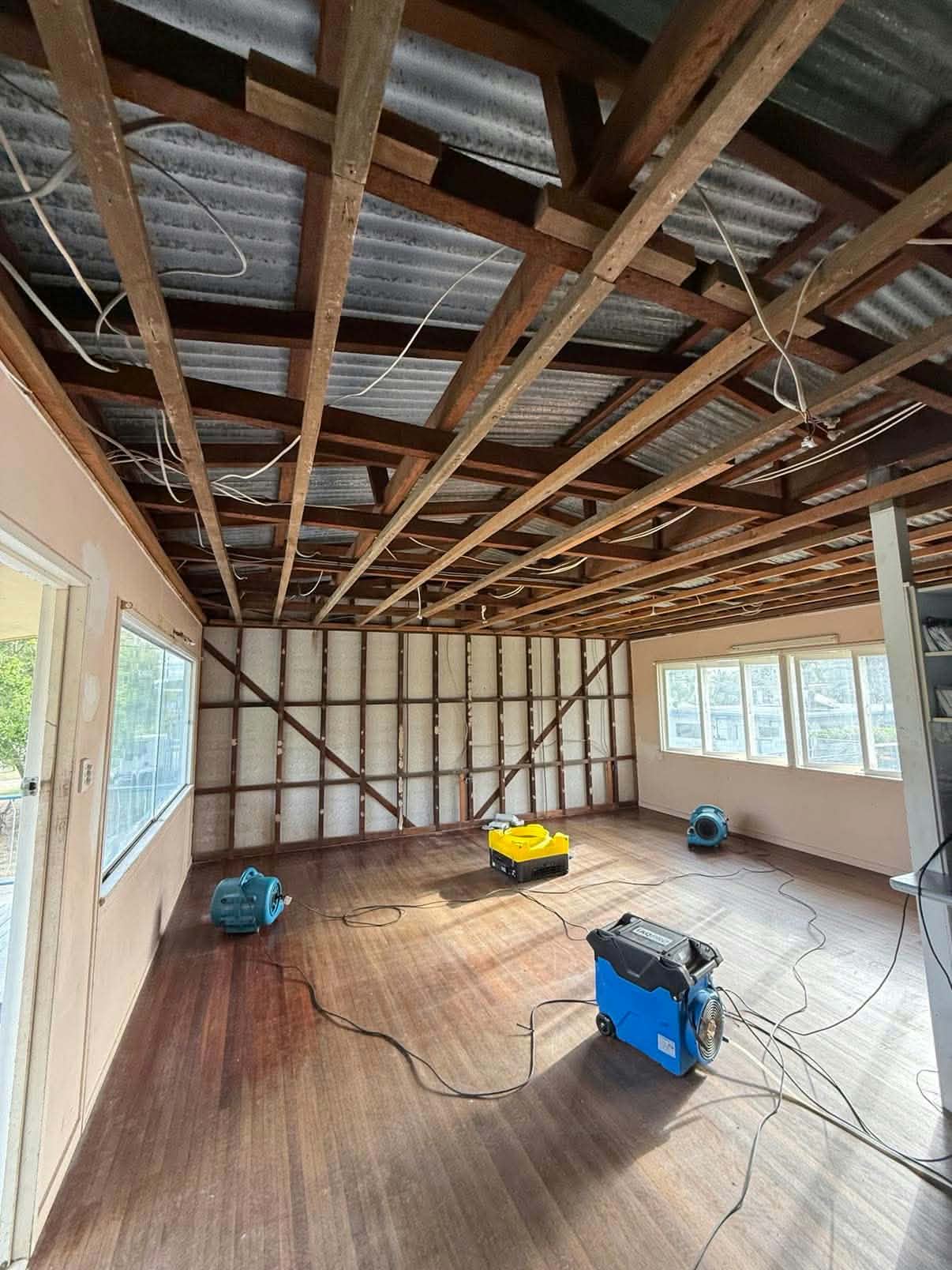
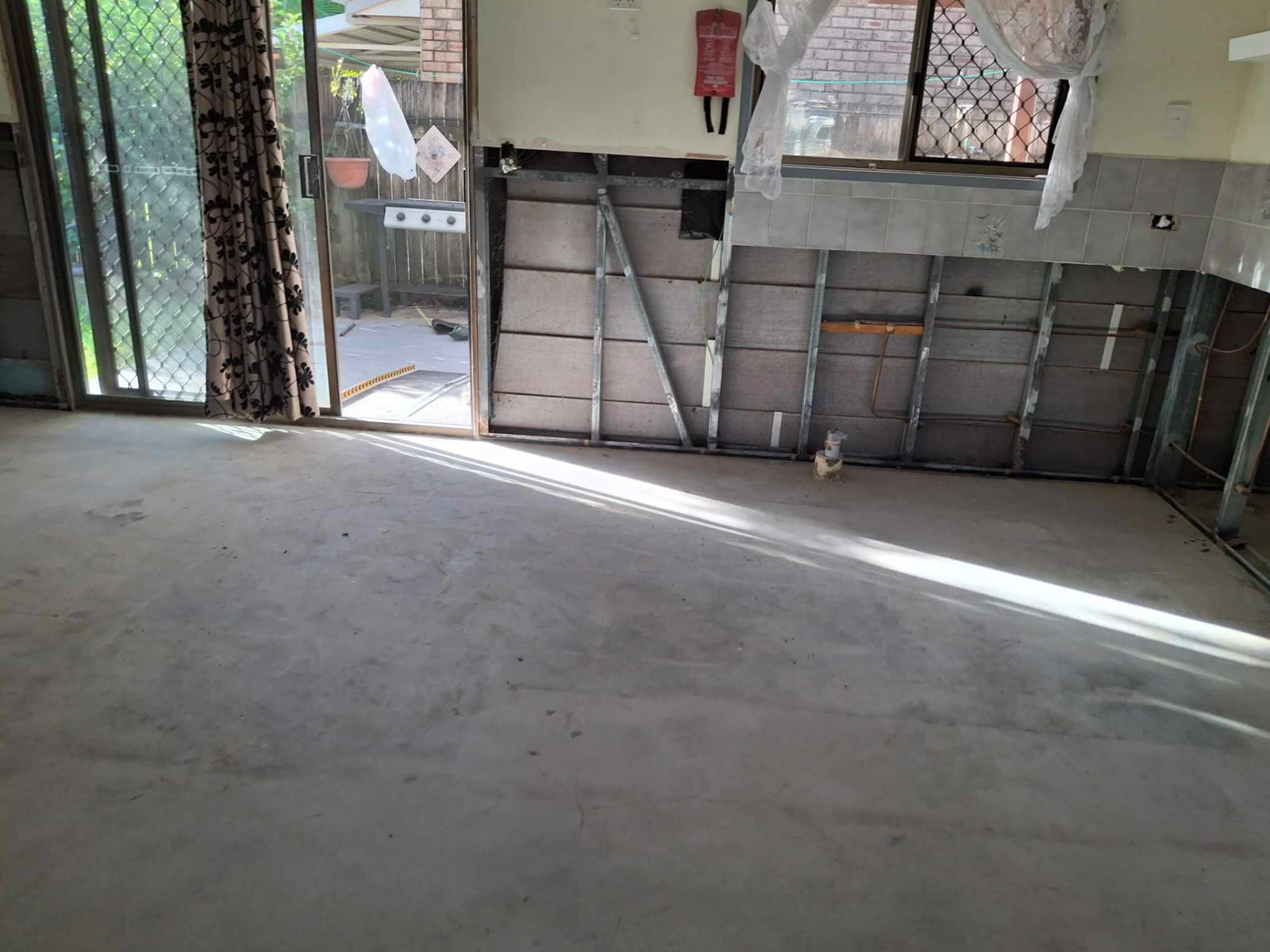
From our recent remediation jobs
Request a mould inspection or quote
Tell us what you're seeing and upload a few photos. A team member reviews every enquiry and will get back to you.
- Don't scrub, sand or pull off mouldy plasterboard — it spreads spores.
- Take clear photos of the affected areas and upload them with the form.
- Note any recent leaks, storms or plumbing work.
- In a unit or tenancy, let your strata or property manager know if the source could be shared.
Mould removal in Buccan — FAQs
Why is mould growth particularly prevalent in Buccan acreage homes?
Buccan's acreage properties often feature large roof footprints, dense native tree canopy cover, and higher relative humidity from natural vegetation and local drainage corridors. These factors reduce natural sun exposure and air movement around external walls, allowing condensation and storm-driven dampness to linger inside wall cavities, uninsulated roof voids, and enclosed subfloors.
Do you service commercial workshops, rural businesses, or body corporate facilities?
Yes, we conduct commercial mould remediation and moisture investigations for local enterprises, workshops, and communal body corporate properties in the Buccan district. We establish containment zones, protect workplace indoor air quality, and provide formal clearance documentation to satisfy health, safety, and property maintenance requirements.
What steps are involved in your water damage restoration process?
When water entry occurs from burst plumbing, roof leaks, or severe overland storms, we act quickly to stabilise the structure. Our team extracts standing moisture, deploys industrial dehumidifiers and air movers to dry saturated structural framing, and applies antimicrobial treatments to prevent microbial contamination. We verify complete structural drying using calibrated moisture meters before sign-off.
Will I receive a formal report following the inspection and remediation?
Every project concludes with a documented report compiled by our QBCC-licensed, IICRC-certified specialists. This document details baseline moisture readings, photographic evidence of affected materials, containment and remediation steps completed, and pragmatic recommendations to manage ventilation and stop moisture from returning.

Book Your Buccan Mould & Moisture Assessment
A professional inspection and a clear remediation plan from our Logan and Brisbane team.
Photo: Shiftchange, CC0