

Local mould remediation · Lismore Heights
Professional Mould Removal Lismore Heights
We deliver IICRC-certified mould remediation, targeted moisture investigations, and detailed documented reporting for elevated residential homes, townhouse complexes, and commercial properties throughout Lismore Heights and surrounding hillsides.
- QBCC Licence 15082064
- IICRC industry methods
- Homes, units & commercial
- Documented report every job
Photo: Aliceinthealice, CC0
Mould Remediation & Moisture Investigations in Lismore Heights
Perched on the elevated ridges overlooking the Wilsons River basin, Lismore Heights features sloping blocks, split-level brick residences, weatherboard homes, and multi-unit townhouse developments. While elevated topography avoids riverine flooding, the steep terrain introduces distinct moisture challenges. Hillside stormwater runoff, enclosed subfloor retaining walls, and poor under-house cross-ventilation frequently trap moisture. Coupled with intense subtropical summer rainfall and prolonged humidity, this creates indoor condensation that can affect indoor air quality.
The Mould Removers provides comprehensive remediation services for freestanding houses, strata-titled townhouses, and local commercial properties across Lismore Heights. We deploy diagnostic equipment including moisture meters and thermal imaging to find hidden building leaks, poor drainage paths, and subfloor dampness. Every project adheres strictly to IICRC standards, applying physical removal and HEPA air filtration rather than temporary cosmetic treatments, and concludes with a documented moisture and remediation report.
Book a Mould Inspection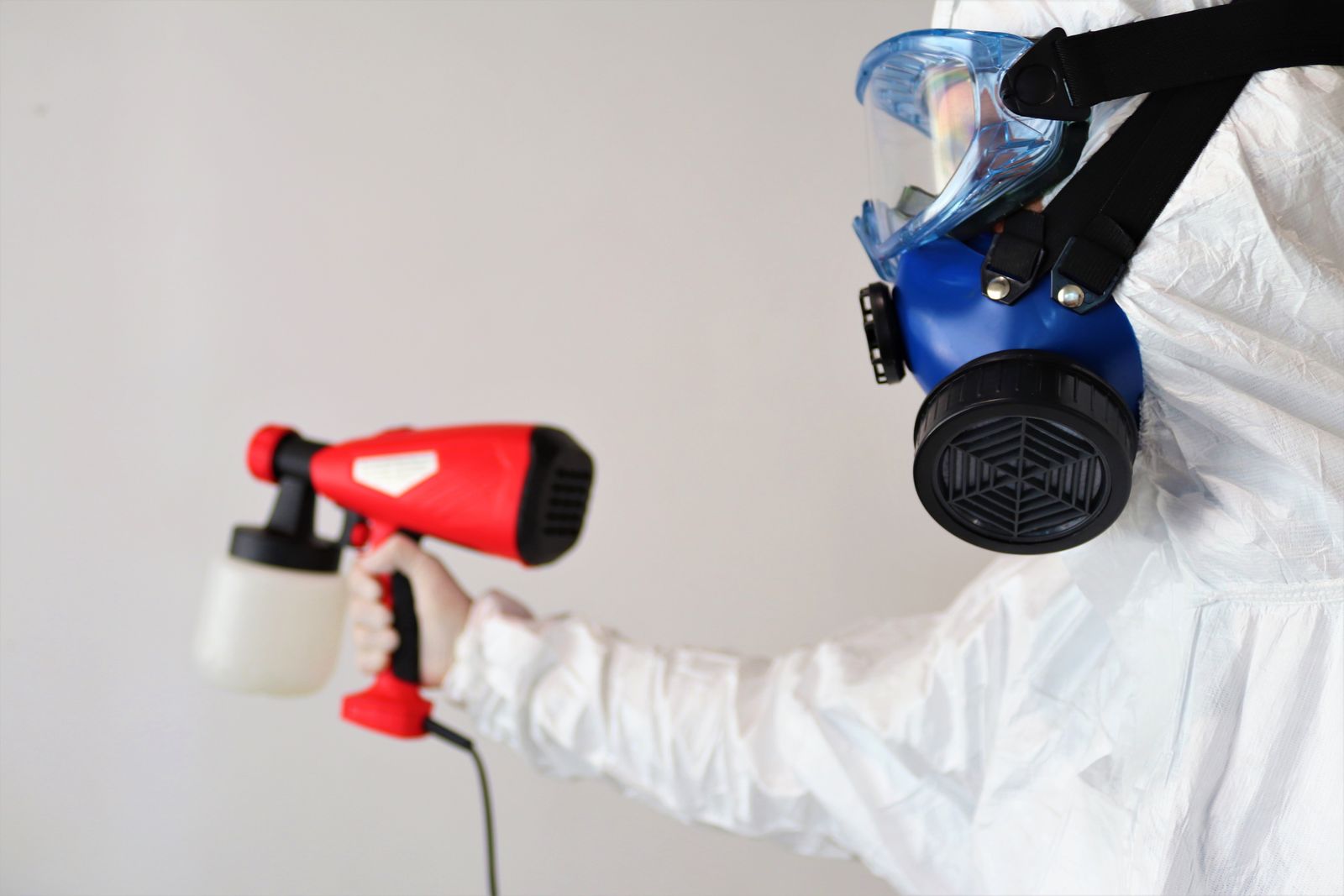
Common signs of mould
- Persistent musty odours inside lower-level or split-level rooms
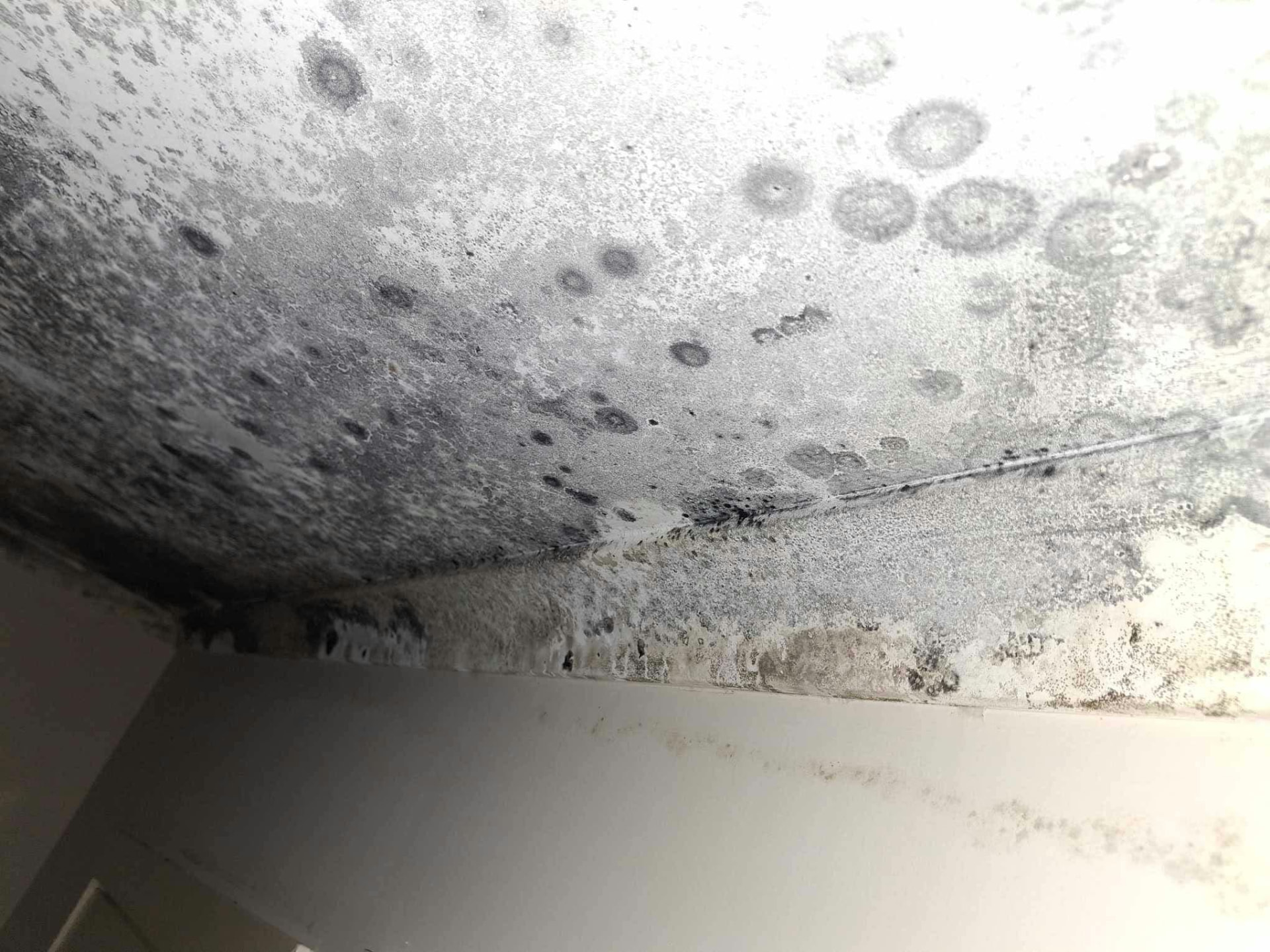
- Visible fungal spotting on ceilings, drywall, and plasterboard linings
- Damp, unventilated subfloor voids abutting hillside retaining structures
- Condensation forming on south-facing windows and behind built-in wardrobes
- Efflorescence, salt damp, or water stains on internal brickwork
- Peeling paint or blistering skirting boards near ground-contact walls
Our Mould Remediation Services in Lismore Heights
 Illustrative image
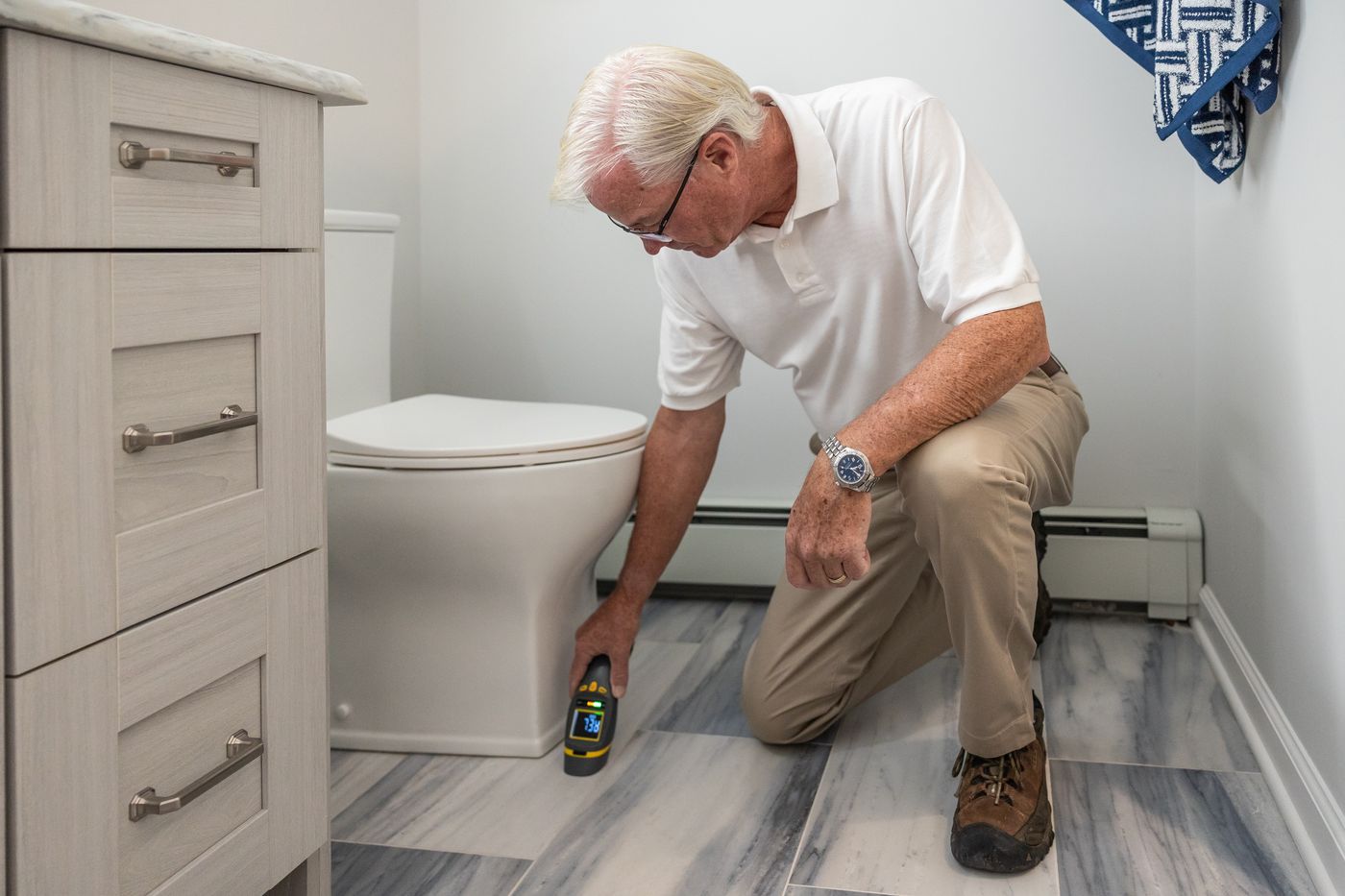
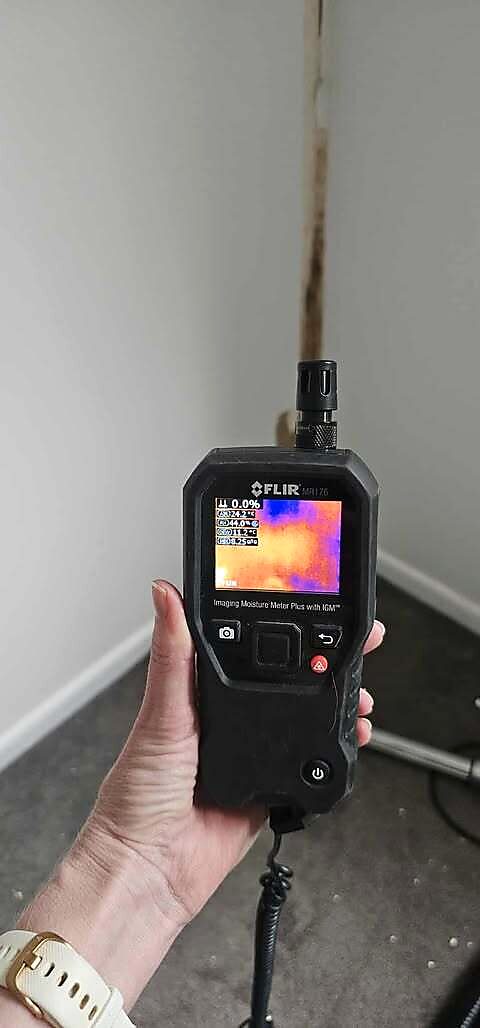
Mould Inspections & Moisture Investigations
Visual assessment, moisture readings and thermal imaging to find the water behind mould in Lismore Heights homes, units and commercial premises. Sampling, where needed, is arranged with an independent hygienist.
Learn more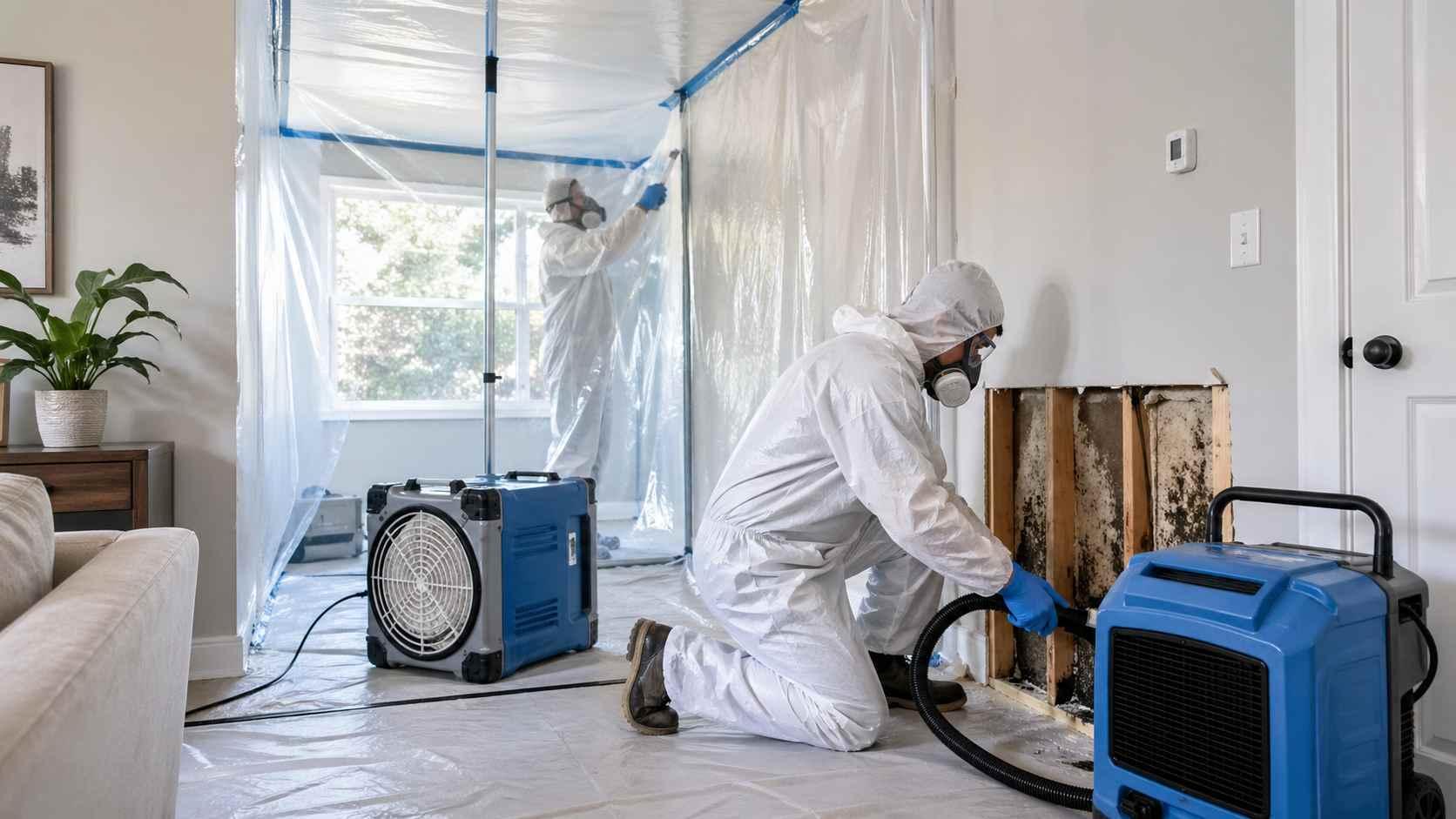 Illustrative image
Residential & Commercial Mould Removal
Controlled removal of mould-affected plasterboard, ceilings, insulation and fittings, planned around occupants, tenants and strata requirements.
Learn more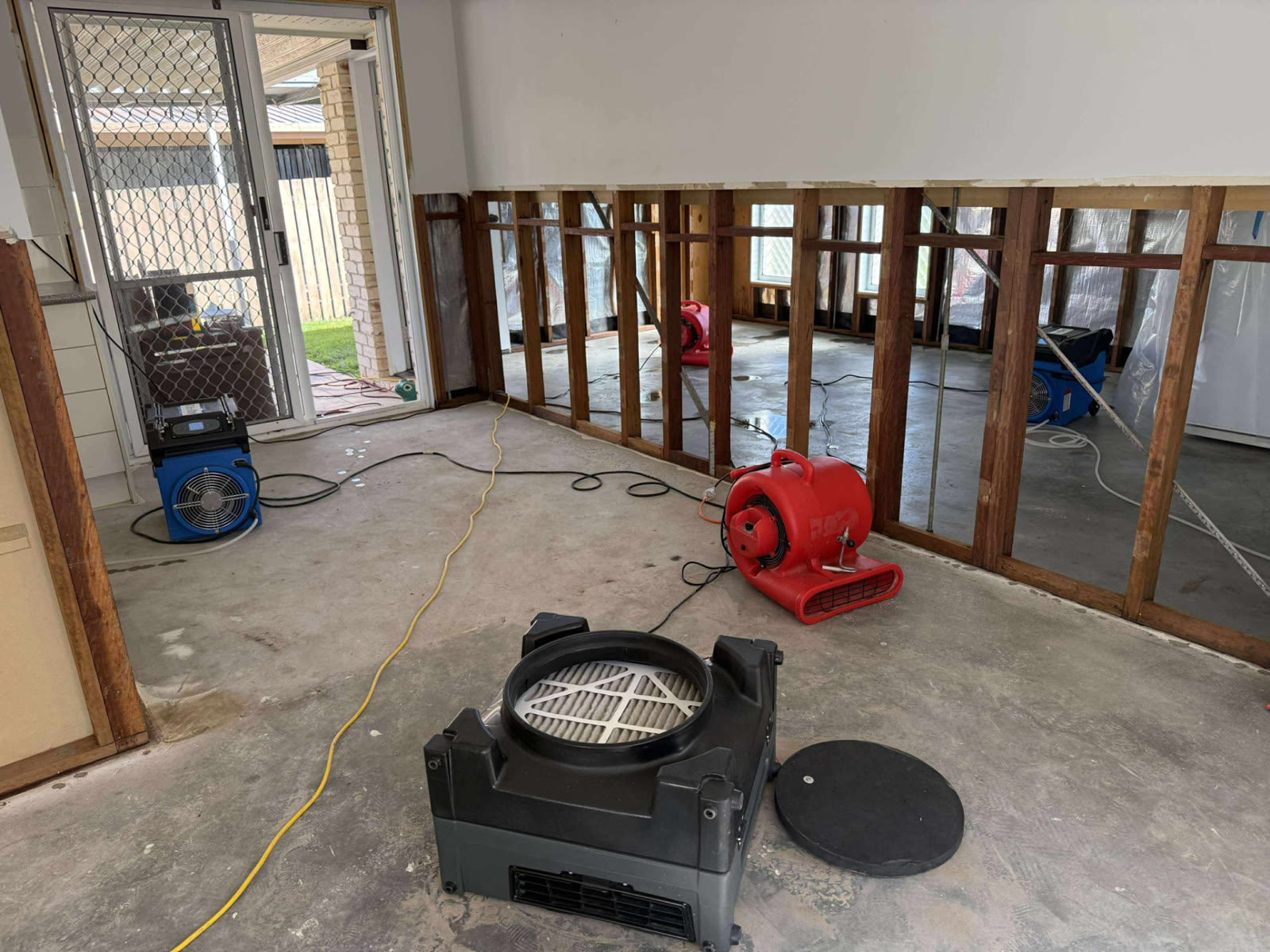
Containment & HEPA Air Filtration
Plastic barriers and HEPA air scrubbers to reduce the spread of spores beyond the work area. The containment plan depends on the property and scope.
Learn more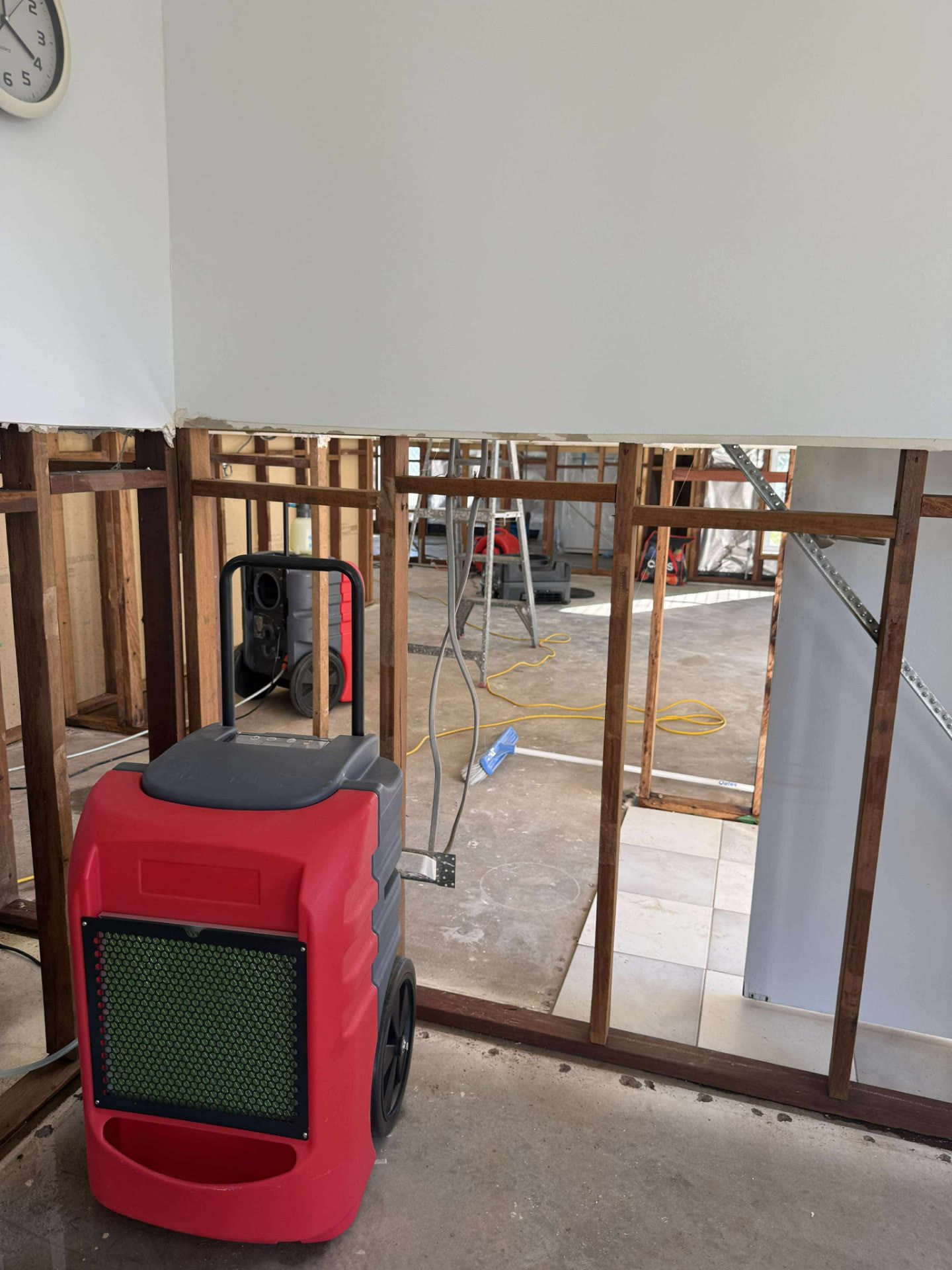
Water Damage & Structural Drying
Water damage restoration in Lismore Heights after roof leaks, plumbing leaks, storms or actual flooding, with structural drying monitored by moisture readings.
Learn moreFor leak-affected framing and ceilings, see our structural drying and moisture monitoring. We also support insurance and commercial remediation projects, with independent hygienist assessments and testing arranged where needed.
How we work
Our Mould Remediation Process
- 1
Inspection & Assessment
We talk through the history, take moisture readings and thermal images, and confirm what's feeding the mould.
- 2
Containment & Air Filtration
Where the scope needs it, we seal the work area and run HEPA air filtration to protect the rest of the property.
- 3
Remediation & Cleaning
Contaminated porous materials are removed and salvageable surfaces are HEPA-vacuumed and cleaned.
- 4
Drying, Verification & Recommendations
Structural drying, final moisture readings and a documented report with photos and advice to stop it returning.
Not every step is needed on every job — we explain the proposed scope before work begins. Independent clearance testing can be arranged where the scope, insurer or a hygienist requires it.
Why Choose The Mould Removers in Lismore Heights?
- Source first. We confirm the moisture source with readings and thermal imaging before we quote removal.
- Professional equipment. HEPA air scrubbers, commercial dehumidifiers, air movers and moisture meters on every job that needs them.
- Clear communication. You'll know the scope, what's being removed and why before work starts.
- Detailed reporting. Every job ends with a documented report — photos, moisture readings and a summary of the work.
- Homes and commercial premises. Houses, units, strata buildings, offices and workshops, including insurance and builder-managed jobs.
 Illustrative image
Tailored Moisture Management for Lismore Heights Properties
These are inspection considerations, not a diagnosis of every property. We assess likely contributing conditions on site and explain any limitations or further investigations needed.
Hillside & Split-Level Homes
Steep sites with earth-bank retaining walls often experience lateral moisture intrusion that fuels hidden mould growth in lower living zones.
Strata & Townhouse Complexes
We assist strata managers and lot owners with shared-wall diagnostics, roof-space inspections, and common-area remediation.
Subtropical Rainfall & Runoff
Heavy Northern Rivers wet-season downpours saturate hillside ground, leading to rising damp and high internal humidity.
Subfloor Moisture Traps
Restricted natural airflow under elevated timber decks and lower-level foundations causes condensation beneath flooring assemblies.
Our work
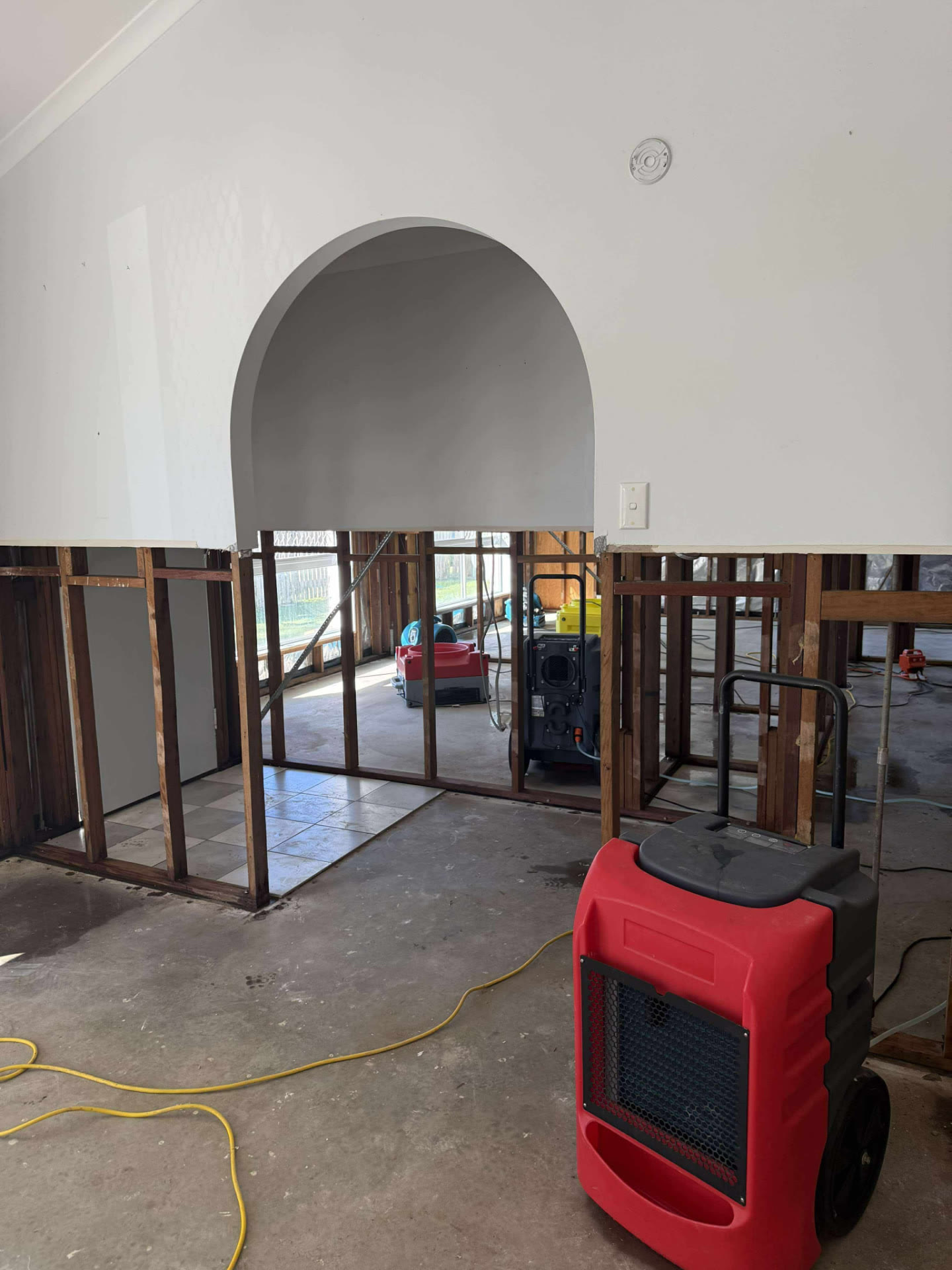
From our recent remediation jobs
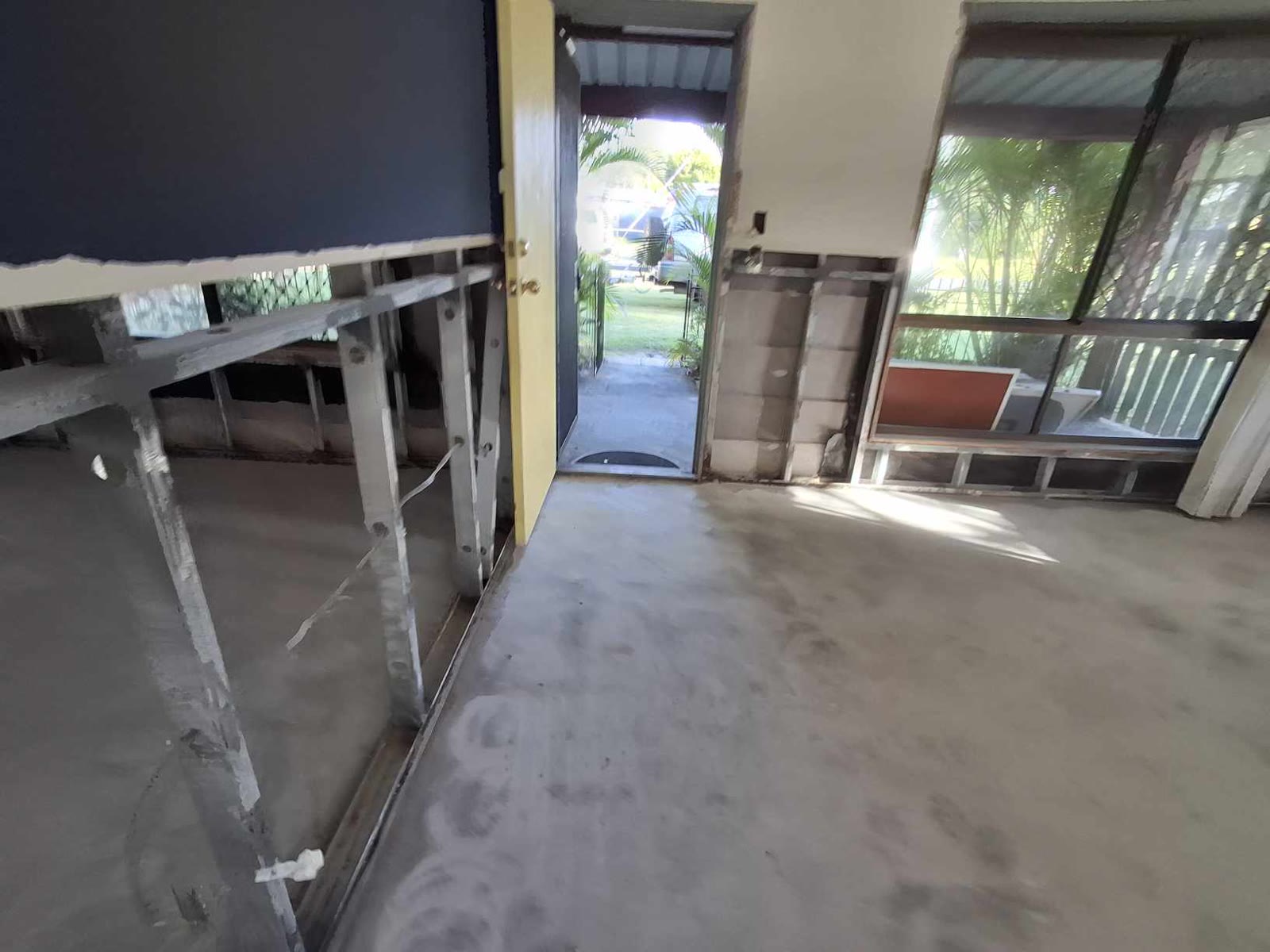
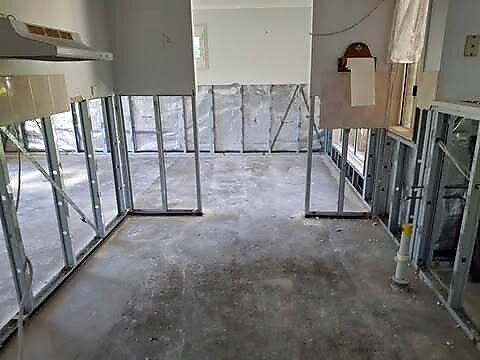
Request a mould inspection or quote
Tell us what you're seeing and upload a few photos. A team member reviews every enquiry and will get back to you.
- Don't scrub, sand or pull off mouldy plasterboard — it spreads spores.
- Take clear photos of the affected areas and upload them with the form.
- Note any recent leaks, storms or plumbing work.
- In a unit or tenancy, let your strata or property manager know if the source could be shared.
Mould removal in Lismore Heights — FAQs
Why does my elevated Lismore Heights home have a damp problem?
Although elevated above river floodplains, homes built into the hillsides of Lismore Heights often face overland stormwater runoff and lateral damp pushing through foundations. When coupled with high regional humidity and limited underfloor cross-ventilation, moisture accumulates, condensing on cool indoor surfaces and fostering mould growth.
How do you handle mould remediation in Lismore Heights strata complexes?
In strata and townhouse properties, identifying the exact moisture source is crucial to establishing responsibility between individual lot owners and the owners corporation. We conduct systematic moisture investigations to trace whether issues stem from shared building envelopes, perimeter drainage, or internal ventilation, providing clear documentation for strata committees.
What steps are taken during water damage restoration after heavy storms?
Where actual water entry has occurred from storm events, failing flashings, or plumbing leaks, we rapidly extract standing water, deploy commercial desiccant dehumidifiers and air movers, track structural drying using precision moisture instruments, and treat exposed materials to prevent fungal proliferation.
Do you provide a formal documented report once remediation is complete?
Yes. Every residential, strata, and commercial remediation job concludes with a comprehensive written report detailing the moisture diagnostics, works completed, structural drying records, and tailored recommendations for maintaining ongoing indoor air quality.

Book an Inspection in Lismore Heights
A professional inspection and a clear remediation plan from our Northern Rivers team.
Photo: Kpravin2, CC BY-SA 4.0