

Local mould remediation · North Lismore
Professional Mould Removal North Lismore
We deliver IICRC-certified mould remediation, comprehensive moisture inspections, and post-flood structural drying across North Lismore, protecting classic weatherboard residences, local workshops, and rental properties with detailed reporting.
- QBCC Licence 15082064
- IICRC industry methods
- Homes, units & commercial
- Documented report every job
Photo: John Robert McPherson, CC BY-SA 4.0
Mould Remediation & Moisture Investigations in North Lismore
Set near the junction of Leycester Creek and the Wilson River, North Lismore comprises predominantly standalone timber weatherboards, raised cottages, and rural-fringe properties across its 334 private dwellings. The subtropical climate, heavy river-basin humidity, and history of major inundation—notably during the 2022 Northern Rivers floods—create severe moisture retention in older subfloors, timber framing, and wall cavities. Without thorough moisture investigations, lingering dampness can affect indoor air quality long after visible surface waters recede.
Our certified technicians support North Lismore homeowners, rental property managers, and local businesses with systematic mould remediation and water damage restoration. We understand the specific structural challenges of elevated timber builds, enclosed undercrofts, and small commercial sheds throughout the Lismore City Council area. Whether managing a tenancy turnover where 24.3% of homes are rented, remediating rare strata schemes, or rectifying persistent ground damp, we identify underlying moisture sources and conclude every project with an extensive, documented remediation report.
Book a Mould Inspection
Common signs of mould
- Persistent musty odours rising from timber subfloors or pier foundations
- Discolouration or visible staining on heritage tongue-and-groove walls
- Warped, cupped, or soft timber flooring following river basin humidity
- Peeling paint and bubbling finishes along skirtings and lower wall cavities
- Mould spore growth on leather goods, soft furnishings, and stored items
- Lingering dampness or high relative humidity in enclosed under-house storage
Our Mould Remediation Services in North Lismore
 Illustrative image
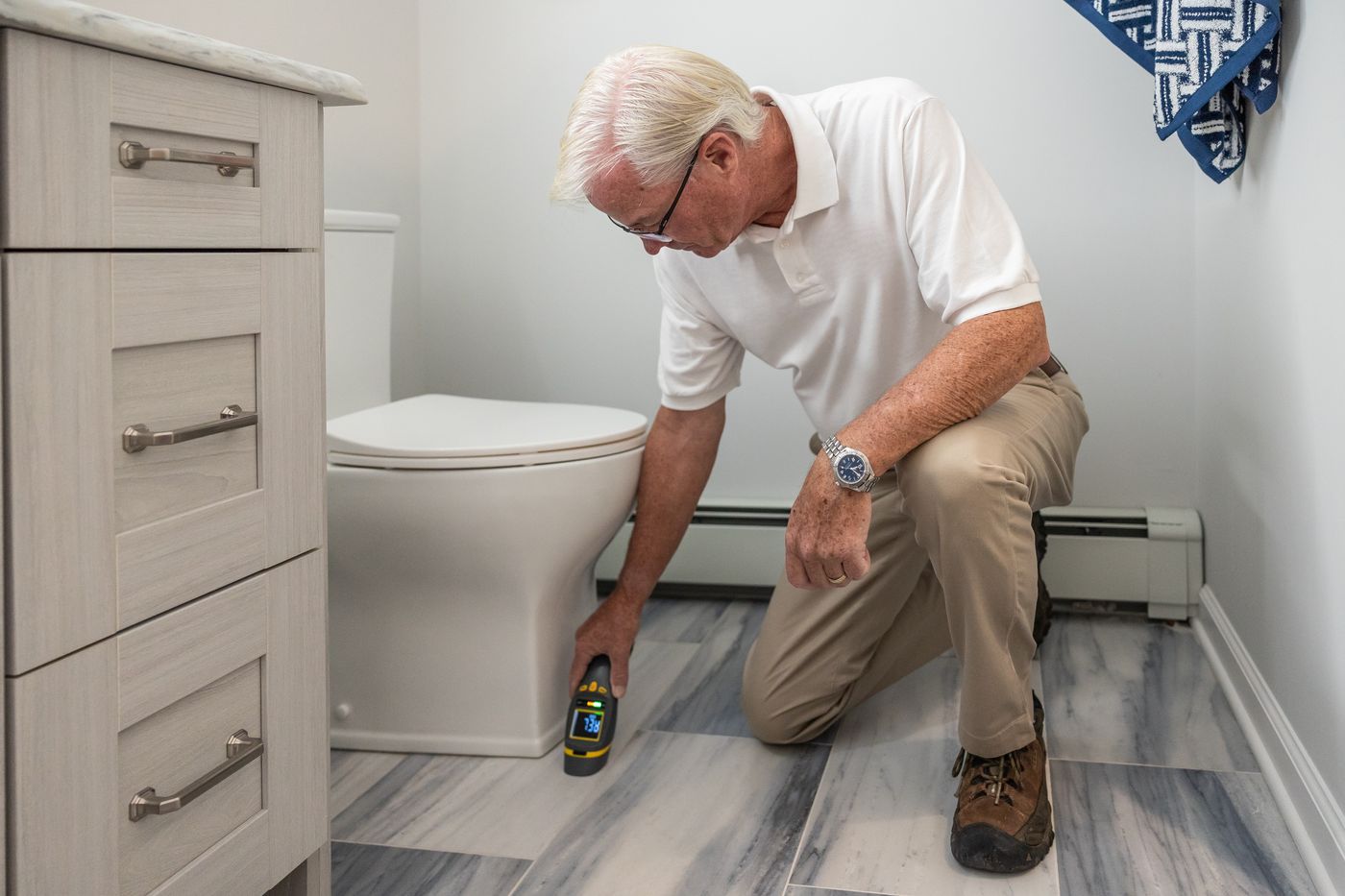
Mould Inspections & Moisture Investigations
Visual assessment, moisture readings and thermal imaging to find the water behind mould in North Lismore homes, units and commercial premises. Sampling, where needed, is arranged with an independent hygienist.
Learn more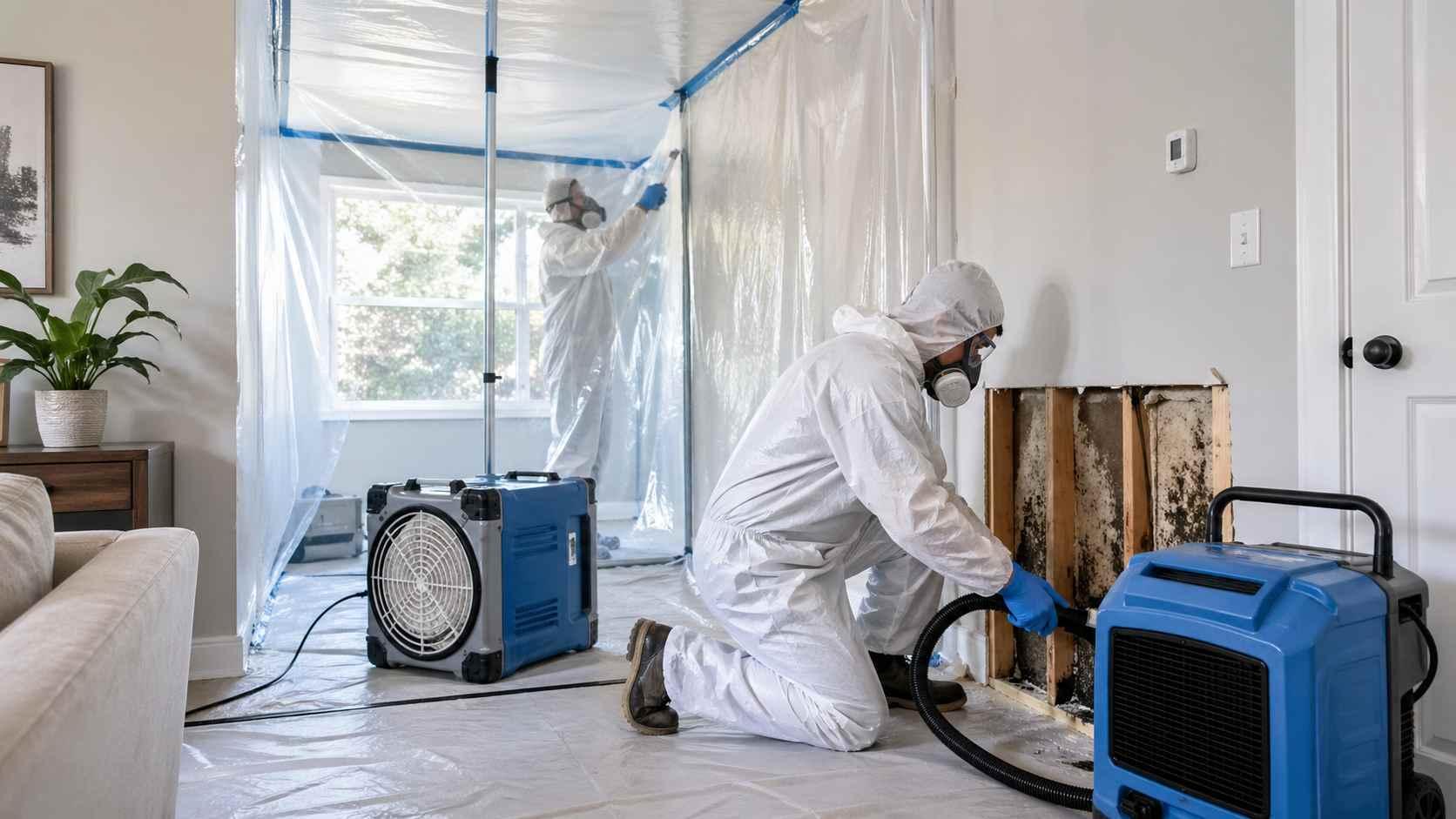 Illustrative image
Residential & Commercial Mould Removal
Controlled removal of mould-affected plasterboard, ceilings, insulation and fittings, planned around occupants, tenants and strata requirements.
Learn more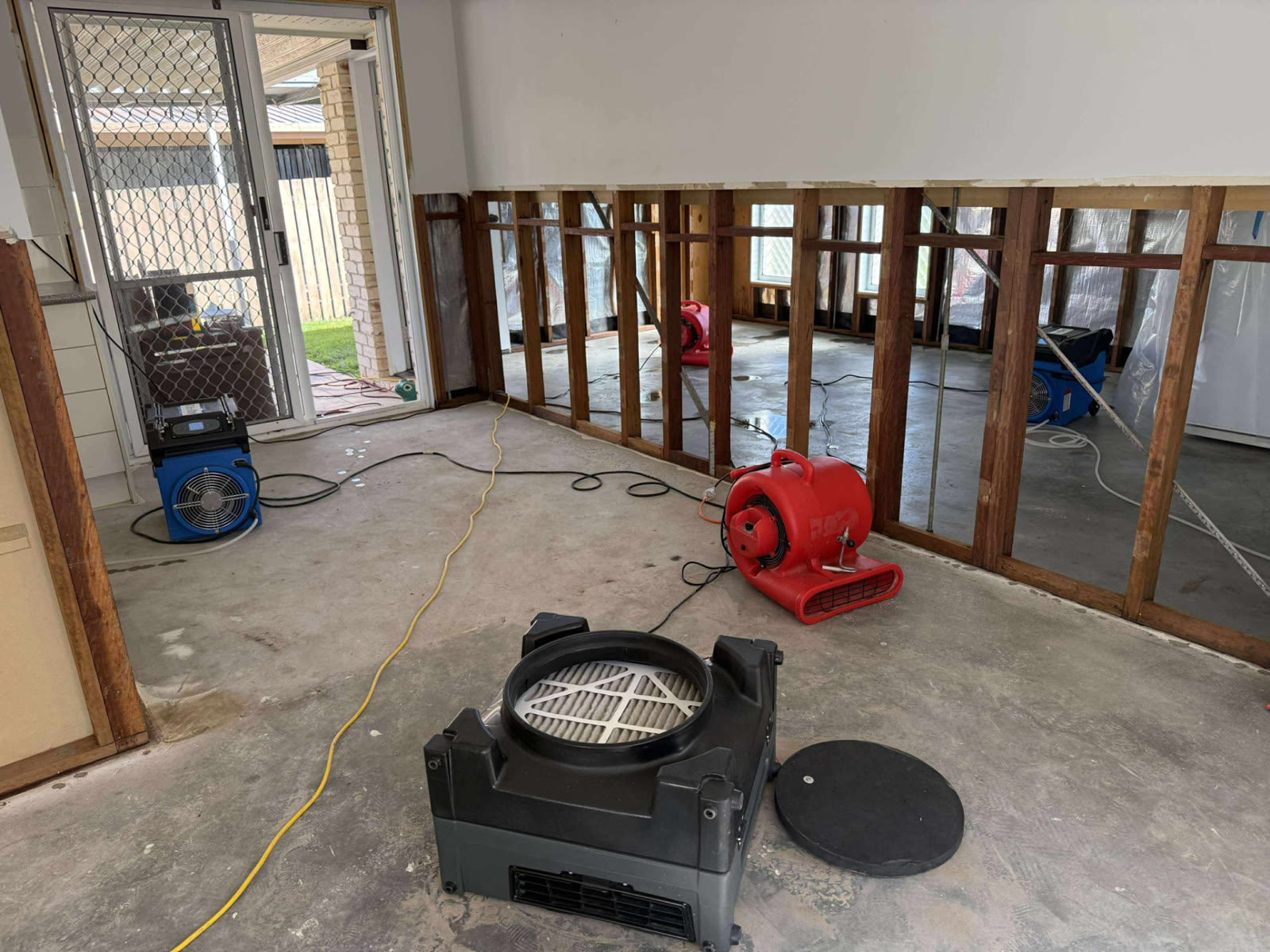
Containment & HEPA Air Filtration
Plastic barriers and HEPA air scrubbers to reduce the spread of spores beyond the work area. The containment plan depends on the property and scope.
Learn more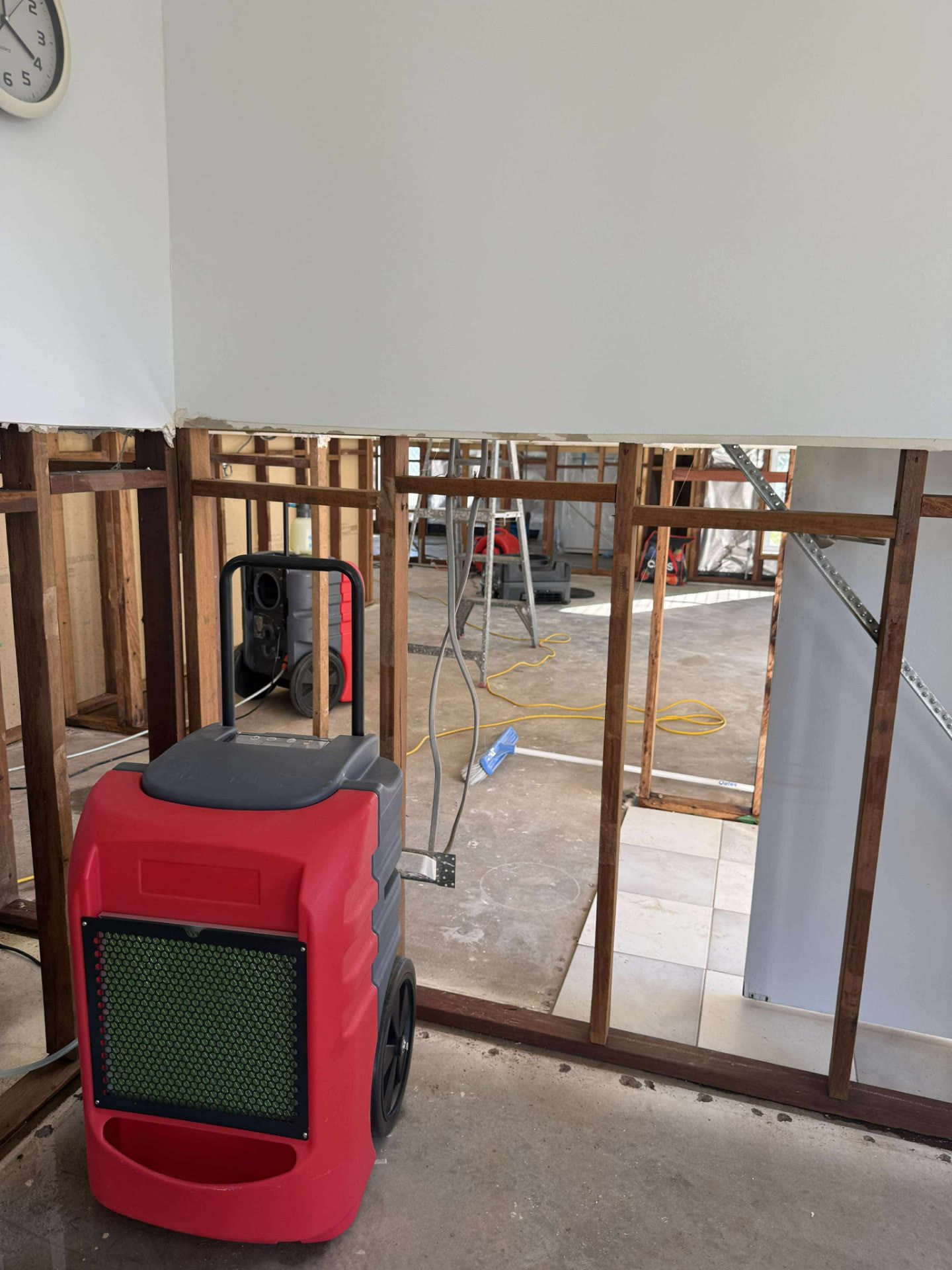
Water Damage & Structural Drying
Water damage restoration in North Lismore after roof leaks, plumbing leaks, storms or actual flooding, with structural drying monitored by moisture readings.
Learn moreFor leak-affected framing and ceilings, see our structural drying and moisture monitoring. We also support insurance and commercial remediation projects, with independent hygienist assessments and testing arranged where needed.
How we work
Our Mould Remediation Process
- 1
Inspection & Assessment
We talk through the history, take moisture readings and thermal images, and confirm what's feeding the mould.
- 2
Containment & Air Filtration
Where the scope needs it, we seal the work area and run HEPA air filtration to protect the rest of the property.
- 3
Remediation & Cleaning
Contaminated porous materials are removed and salvageable surfaces are HEPA-vacuumed and cleaned.
- 4
Drying, Verification & Recommendations
Structural drying, final moisture readings and a documented report with photos and advice to stop it returning.
Not every step is needed on every job — we explain the proposed scope before work begins. Independent clearance testing can be arranged where the scope, insurer or a hygienist requires it.
Why Choose The Mould Removers in North Lismore?
- Source first. We confirm the moisture source with readings and thermal imaging before we quote removal.
- Professional equipment. HEPA air scrubbers, commercial dehumidifiers, air movers and moisture meters on every job that needs them.
- Clear communication. You'll know the scope, what's being removed and why before work starts.
- Detailed reporting. Every job ends with a documented report — photos, moisture readings and a summary of the work.
- Homes and commercial premises. Houses, units, strata buildings, offices and workshops, including insurance and builder-managed jobs.
 Illustrative image
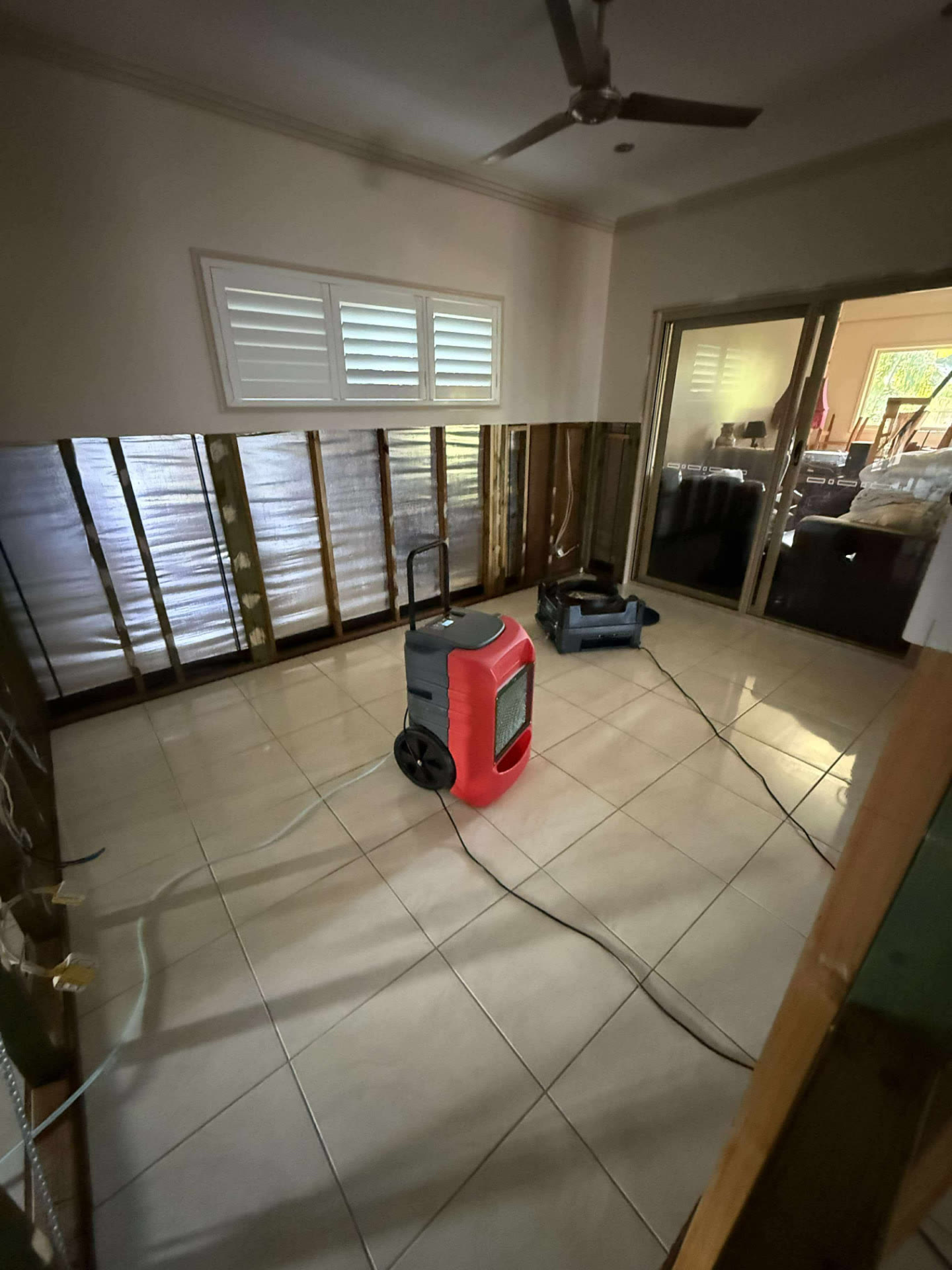
Addressing Moisture & Mould in North Lismore Environments
These are inspection considerations, not a diagnosis of every property. We assess likely contributing conditions on site and explain any limitations or further investigations needed.
Raised Weatherboard Cottages
Elevated timber dwellings along Bridge Street and surrounding lanes require specialised subfloor inspection to ensure damp soil does not compromise floorboards.
River Confluence Humidity
Close proximity to Leycester Creek and the Wilson River elevates ambient relative humidity, promoting rapid mould colonisation in poorly ventilated spaces.
Water Damage Recovery
Where actual water entry has occurred, we use professional dehumidification and moisture meters to verify framing timber is thoroughly dry before mould takes hold.
Tenancy & Strata Care
We supply North Lismore landlords and property managers with defensible, documented inspection reports to quickly resolve mould issues and protect indoor air quality.
Our work
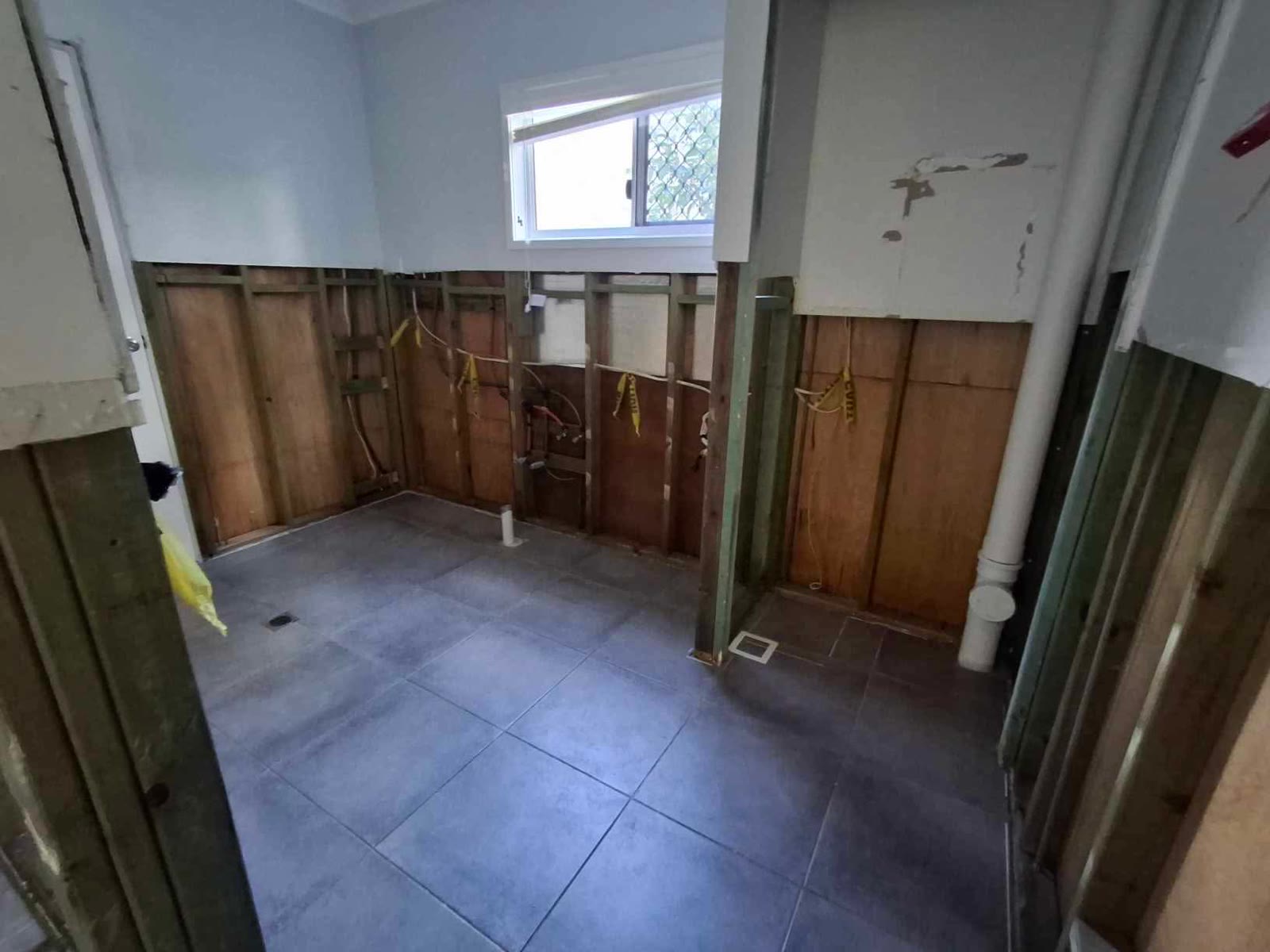
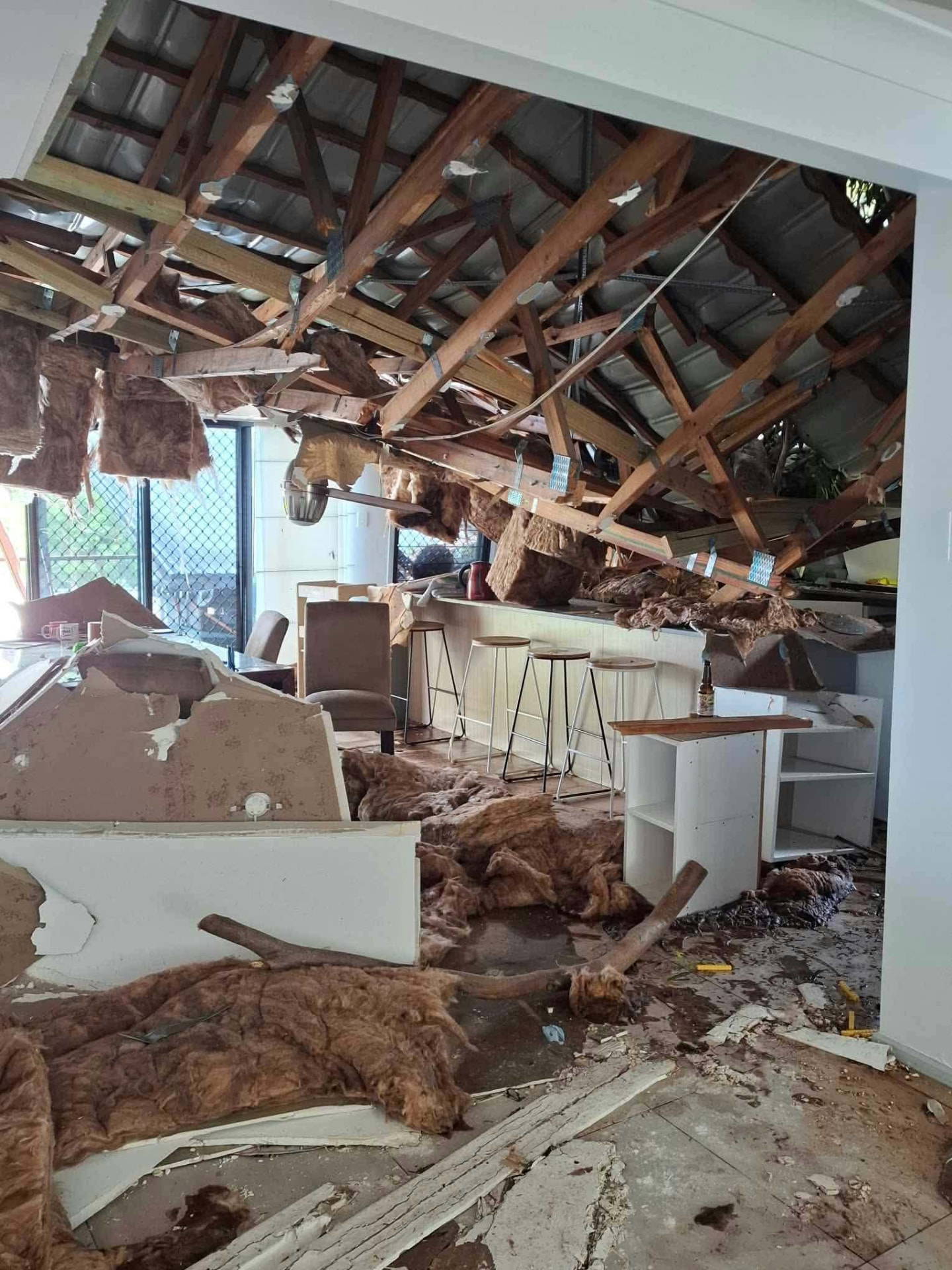
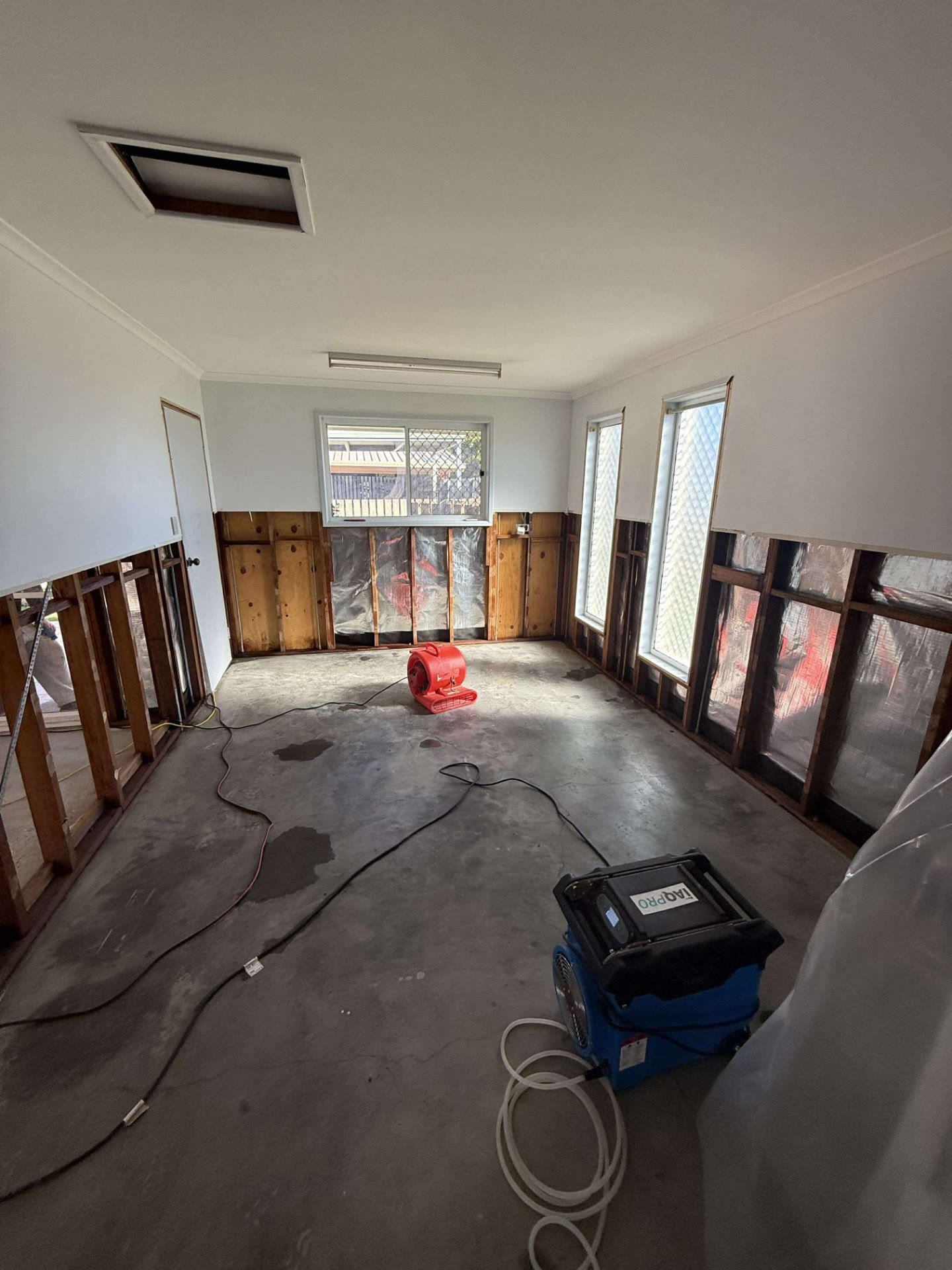
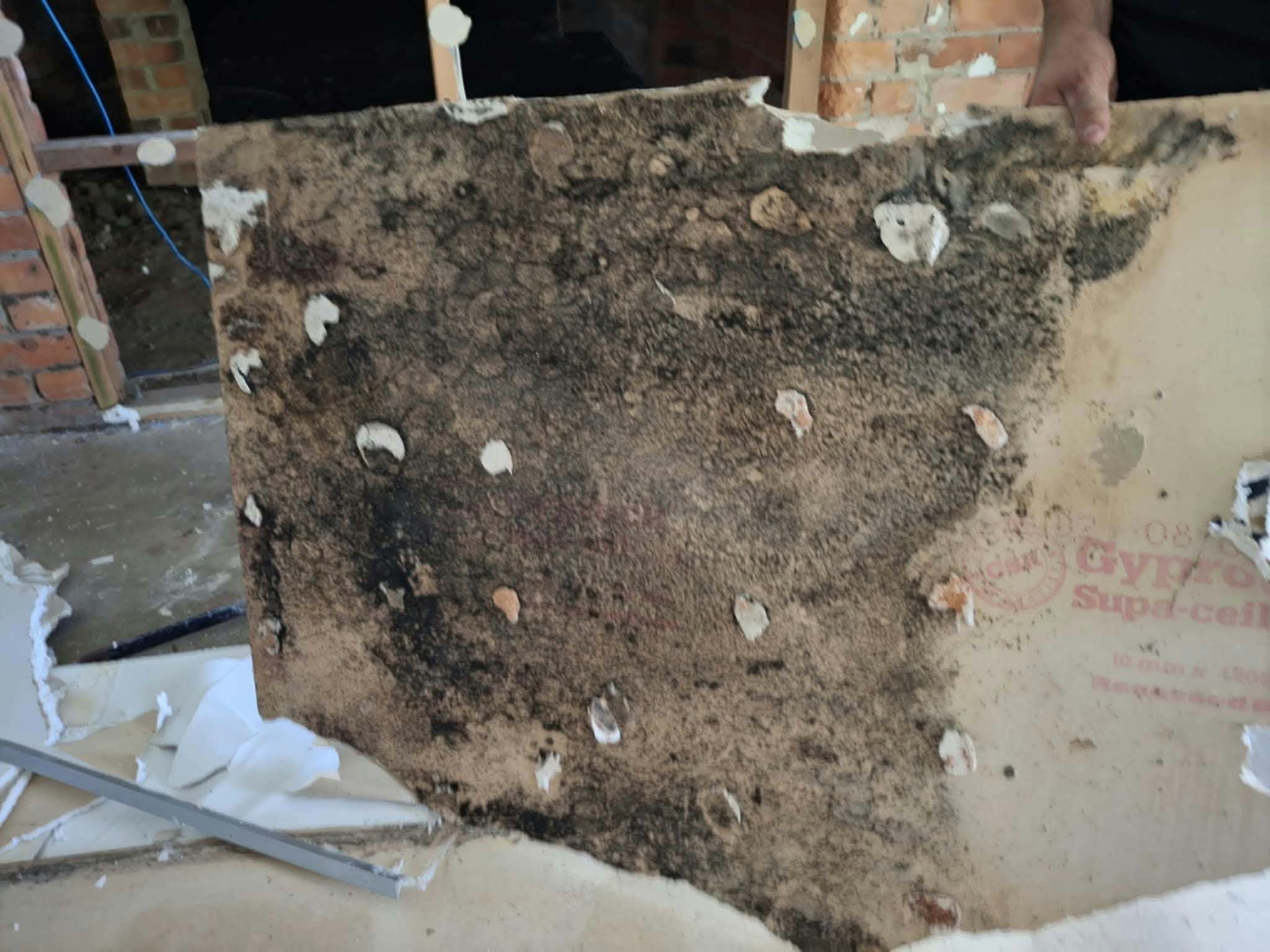
From our recent remediation jobs
Request a mould inspection or quote
Tell us what you're seeing and upload a few photos. A team member reviews every enquiry and will get back to you.
- Don't scrub, sand or pull off mouldy plasterboard — it spreads spores.
- Take clear photos of the affected areas and upload them with the form.
- Note any recent leaks, storms or plumbing work.
- In a unit or tenancy, let your strata or property manager know if the source could be shared.
Mould removal in North Lismore — FAQs
Why is mould recurring under my raised North Lismore home?
North Lismore's river basin geography creates damp ground conditions, especially during humid summer months. When timber subfloors lack adequate cross-ventilation or have drainage issues, high moisture migrates upward into floorboards and framing, fueling mould growth. We pinpoint the exact moisture pathways and outline structural drying solutions.
How do you handle water damage restoration after river flooding or storms?
Where actual water entry has occurred, our IICRC-trained technicians extract standing moisture, deploy industrial air movers and LGR dehumidifiers, and track structural moisture levels in framing timbers. We ensure building materials reach normal dry standards to prevent persistent mould, concluding with a comprehensive documented report.
Can you provide mould inspection reports for rental properties and local businesses?
Yes. With nearly a quarter of North Lismore dwellings rented alongside light commercial premises near the showgrounds, clear documentation is vital. We provide objective moisture mapping, cause analysis, and detailed remediation reports that assist landlords, strata managers, tenants, and insurers.
Does fogging or wiping surfaces permanently fix mould in older timber houses?
No. Surface wiping or fogging only treats visible growth without addressing embedded mycelium or the moisture source causing it. In North Lismore's humid environment, we physically remove mould under containment, use HEPA filtration to clean indoor air, and verify structural dryness so growth does not return.

Book Your North Lismore Mould Inspection
A professional inspection and a clear remediation plan from our Northern Rivers team.
Photo: Aliceinthealice, CC0