

Local mould remediation · Bray Park
Professional Mould Removal Bray Park
We provide IICRC-certified mould remediation, moisture testing, and structural drying across Bray Park, delivering thorough diagnostic reports to resolve dampness issues in Tweed Valley homes, rentals, and strata complexes.
- QBCC Licence 15082064
- IICRC industry methods
- Homes, units & commercial
- Documented report every job
Photo: John Robert McPherson, CC BY-SA 4.0
Mould Remediation & Moisture Investigations in Bray Park
Nestled beside the Tweed River just south-west of Murwillumbah, Bray Park experiences a subtropical climate marked by humid summers, frequent river mist, and intense seasonal downpours. The local housing stock predominantly consists of established freestanding brick and timber homes, alongside low-set duplexes and rental properties. When valley moisture becomes trapped in wall cavities, underfloor subfloors, or roof spaces, mould colonies can rapidly establish and degrade indoor air quality across residential interiors.
The Mould Removers delivers targeted remediation services throughout Bray Park for private homeowners, landlords, commercial premises, and strata managers across Tweed Shire. Using precision moisture meters, thermal imaging, and HEPA-filtered air scrubbers, we locate the hidden source of moisture rather than simply cleaning visible spores. From treating persistent bathroom mildew to managing extensive moisture intrusion following severe storms, every remediation project concludes with a detailed inspection report outlining causes, work completed, and preventative recommendations.
Book a Mould Inspection
Common signs of mould
- Persistent damp, musty odours lingering after Tweed Valley morning fogs.
- Visible spotting or staining spreading across ceilings, cornices, and plasterboard.
- Mould growth appearing on garments, shoes, and leather stored in built-in wardrobes.
- Peeling paint, warped skirting boards, or bubbling drywall along external walls.
- Accumulation of heavy condensation along window panes and aluminium joinery during winter.
- Subfloor dampness or damp carpeting following heavy rainfall events.
Our Mould Remediation Services in Bray Park
 Illustrative image
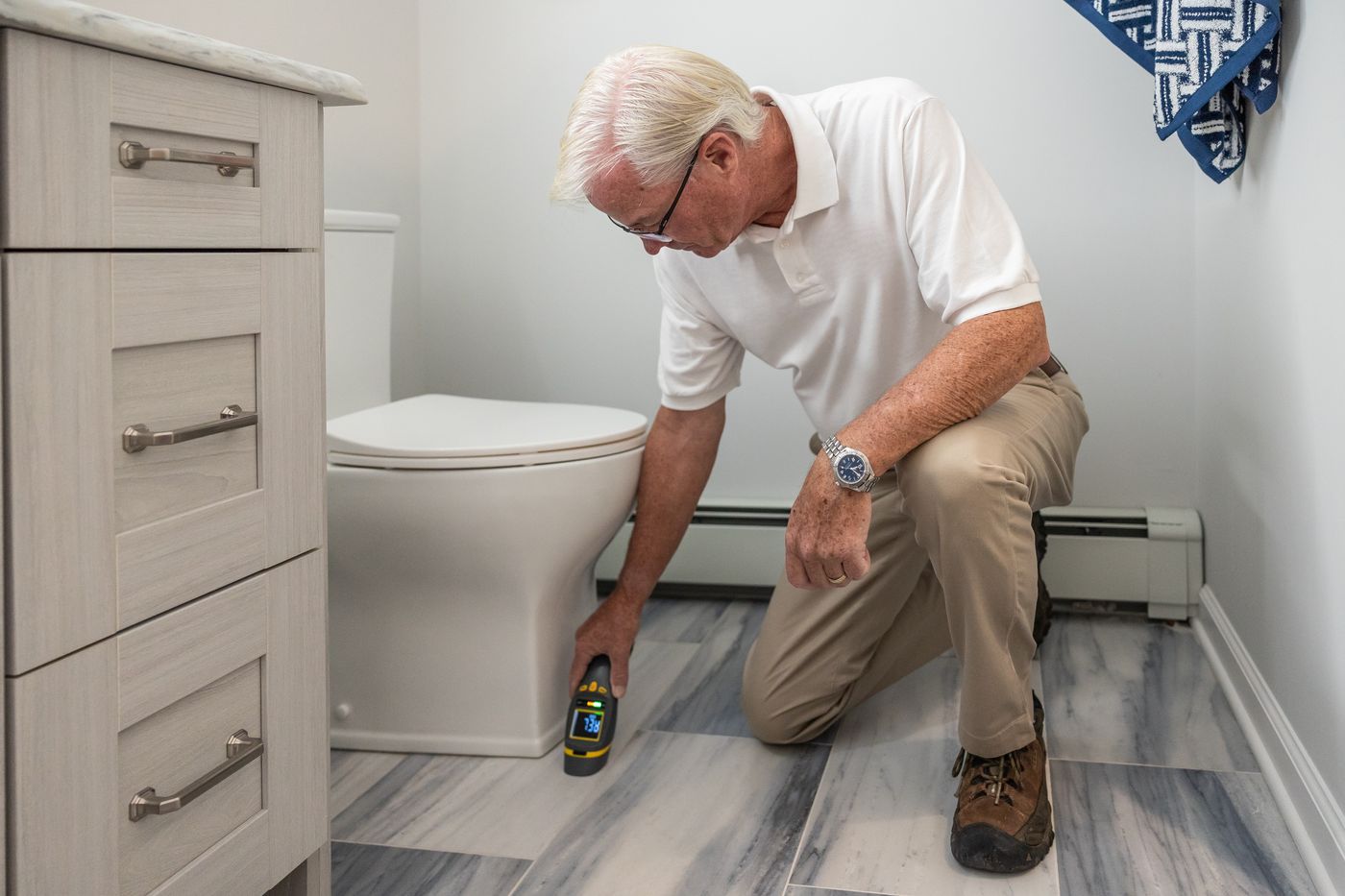
Mould Inspections & Moisture Investigations
Visual assessment, moisture readings and thermal imaging to find the water behind mould in Bray Park homes, units and commercial premises. Sampling, where needed, is arranged with an independent hygienist.
Learn more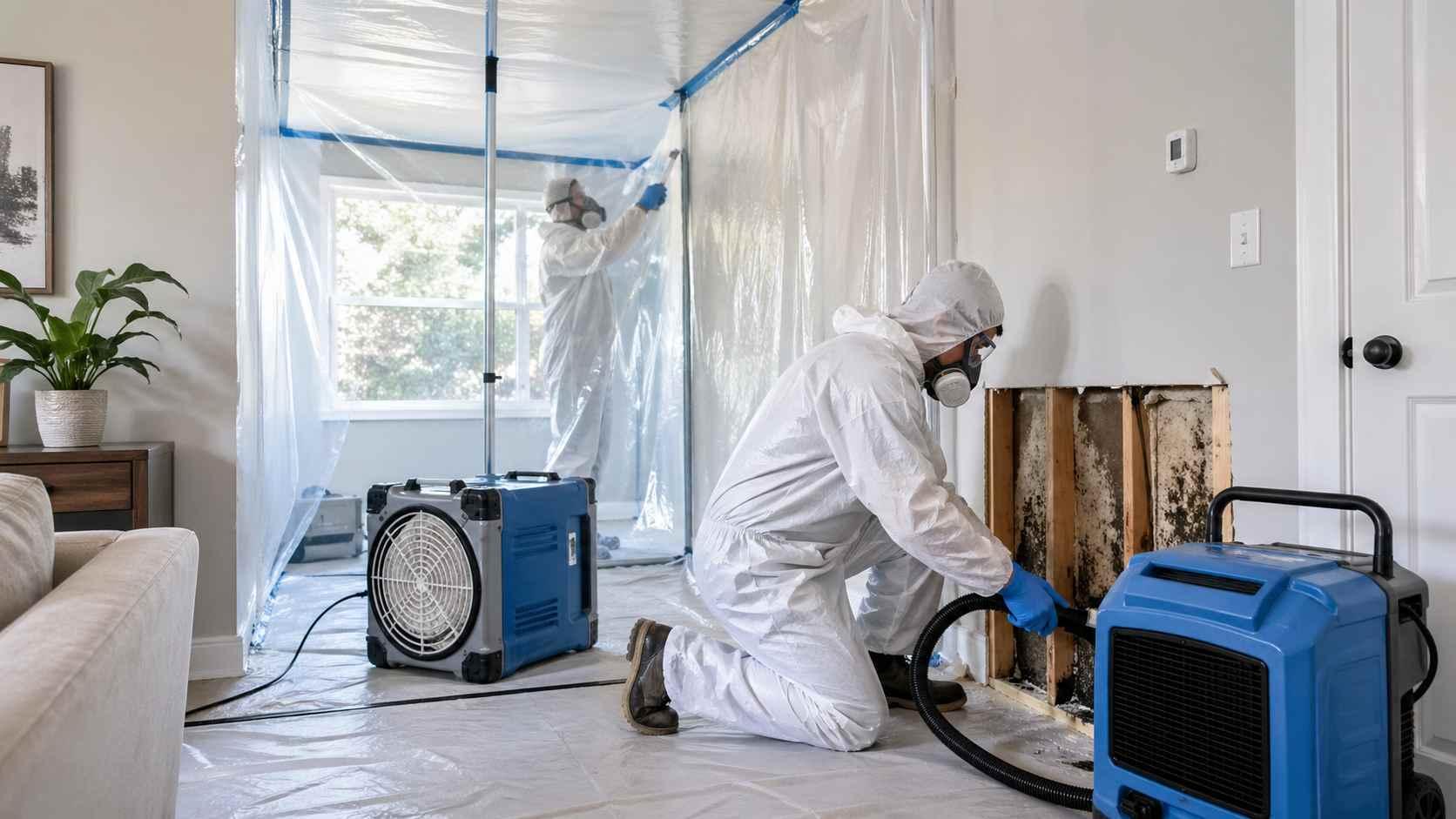 Illustrative image
Residential & Commercial Mould Removal
Controlled removal of mould-affected plasterboard, ceilings, insulation and fittings, planned around occupants, tenants and strata requirements.
Learn more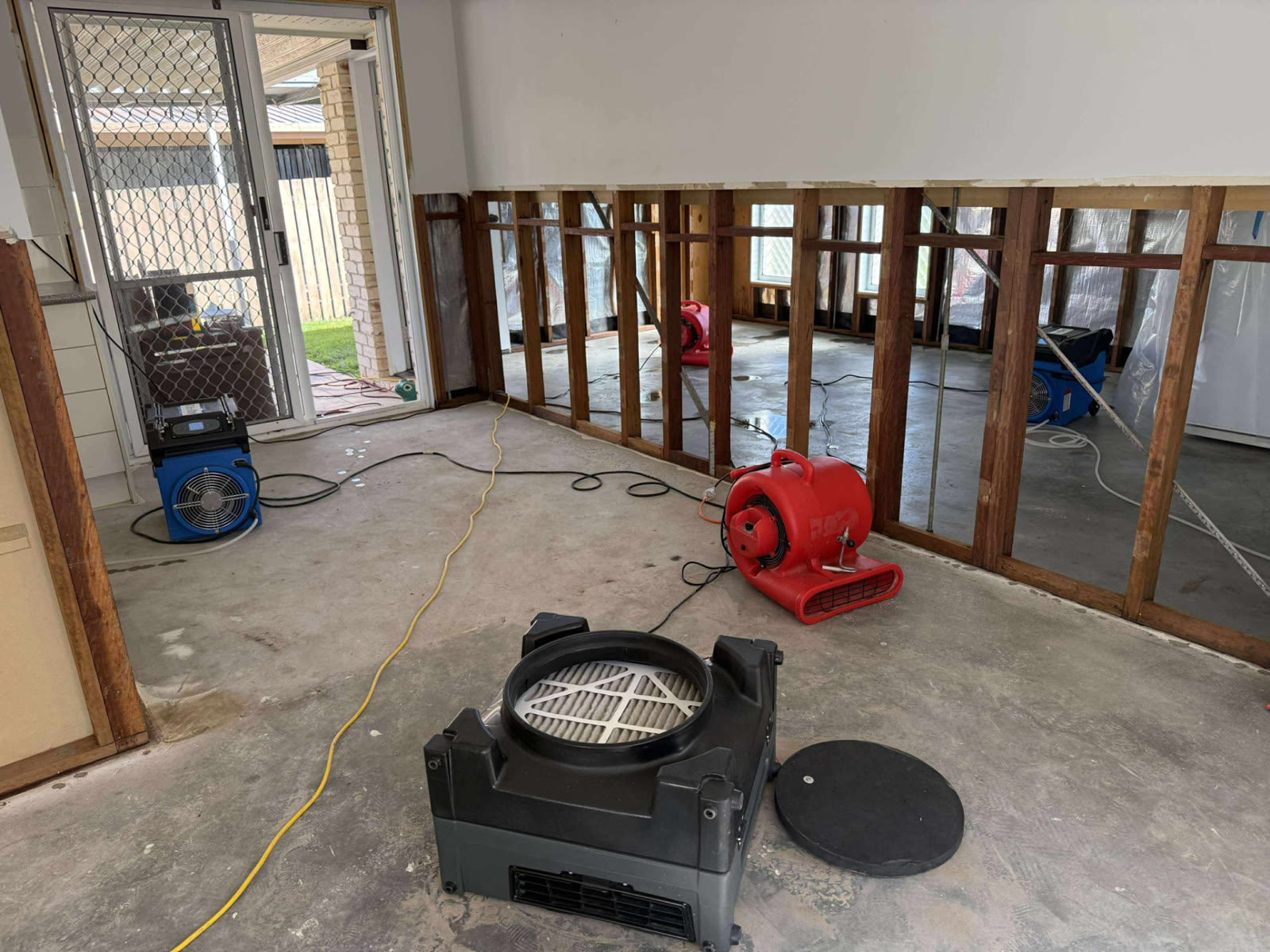
Containment & HEPA Air Filtration
Plastic barriers and HEPA air scrubbers to reduce the spread of spores beyond the work area. The containment plan depends on the property and scope.
Learn more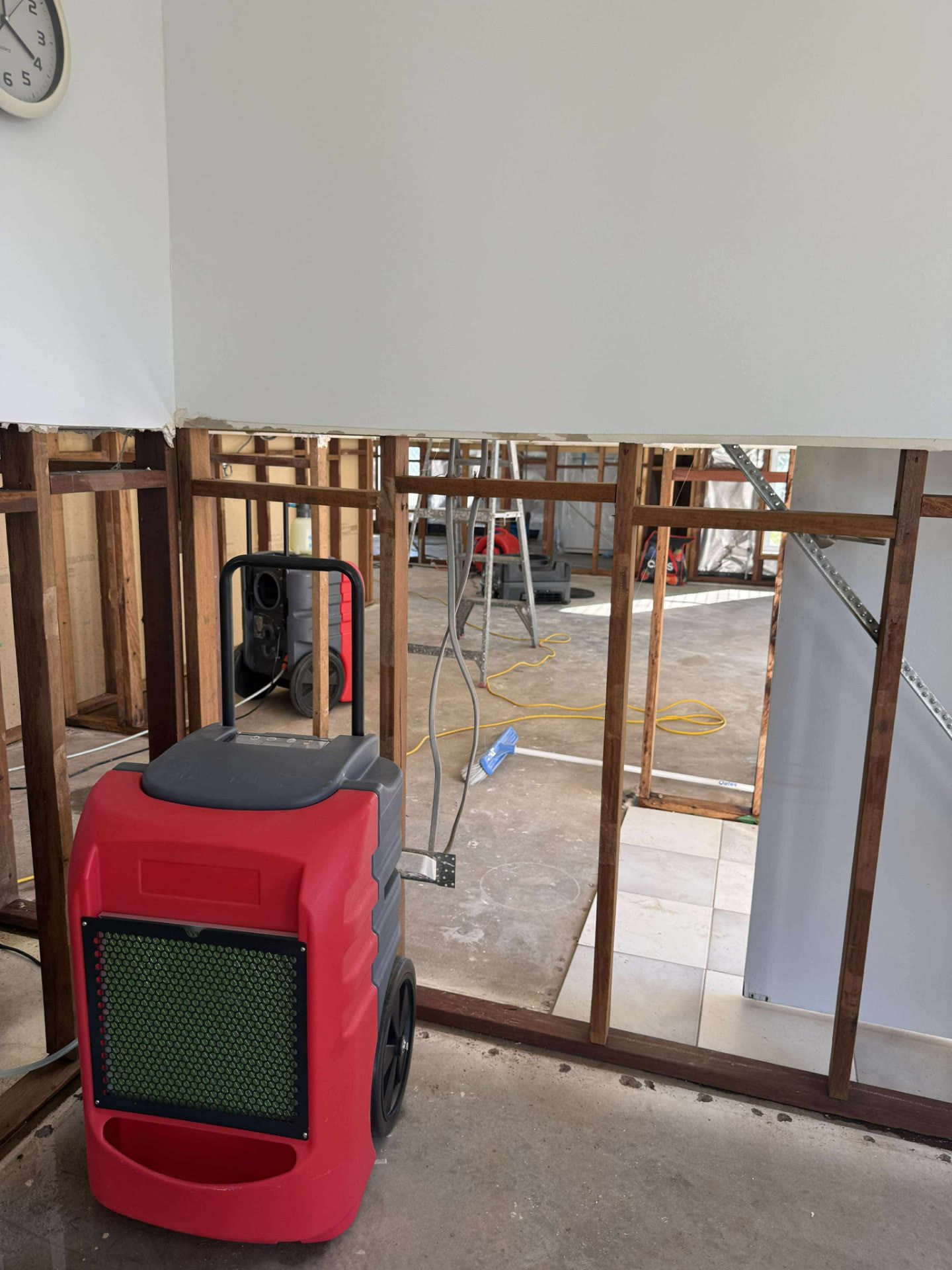
Water Damage & Structural Drying
Water damage restoration in Bray Park after roof leaks, plumbing leaks, storms or actual flooding, with structural drying monitored by moisture readings.
Learn moreFor leak-affected framing and ceilings, see our structural drying and moisture monitoring. We also support insurance and commercial remediation projects, with independent hygienist assessments and testing arranged where needed.
How we work
Our Mould Remediation Process
- 1
Inspection & Assessment
We talk through the history, take moisture readings and thermal images, and confirm what's feeding the mould.
- 2
Containment & Air Filtration
Where the scope needs it, we seal the work area and run HEPA air filtration to protect the rest of the property.
- 3
Remediation & Cleaning
Contaminated porous materials are removed and salvageable surfaces are HEPA-vacuumed and cleaned.
- 4
Drying, Verification & Recommendations
Structural drying, final moisture readings and a documented report with photos and advice to stop it returning.
Not every step is needed on every job — we explain the proposed scope before work begins. Independent clearance testing can be arranged where the scope, insurer or a hygienist requires it.
Why Choose The Mould Removers in Bray Park?
- Source first. We confirm the moisture source with readings and thermal imaging before we quote removal.
- Professional equipment. HEPA air scrubbers, commercial dehumidifiers, air movers and moisture meters on every job that needs them.
- Clear communication. You'll know the scope, what's being removed and why before work starts.
- Detailed reporting. Every job ends with a documented report — photos, moisture readings and a summary of the work.
- Homes and commercial premises. Houses, units, strata buildings, offices and workshops, including insurance and builder-managed jobs.
 Illustrative image
Tackling Moisture Challenges Across the Tweed Valley
These are inspection considerations, not a diagnosis of every property. We assess likely contributing conditions on site and explain any limitations or further investigations needed.
Valley Humidity & Rainfall
Bray Park's position in the Tweed basin brings elevated relative humidity and torrential summer rainfall that test building envelopes.
Freestanding Residential Stock
Single-family brick-and-tile and timber dwellings require dedicated subfloor and roof cavity inspections to halt creeping damp.
River Mist & Condensation
Cold river air mixing with indoor heat produces condensation on uninsulated walls and glass, fuelling surface mould growth.
Strata & Tenanted Properties
We assist landlords and strata schemes across Tweed Shire with clear reporting to resolve disputes and verify dry standards.
Our work
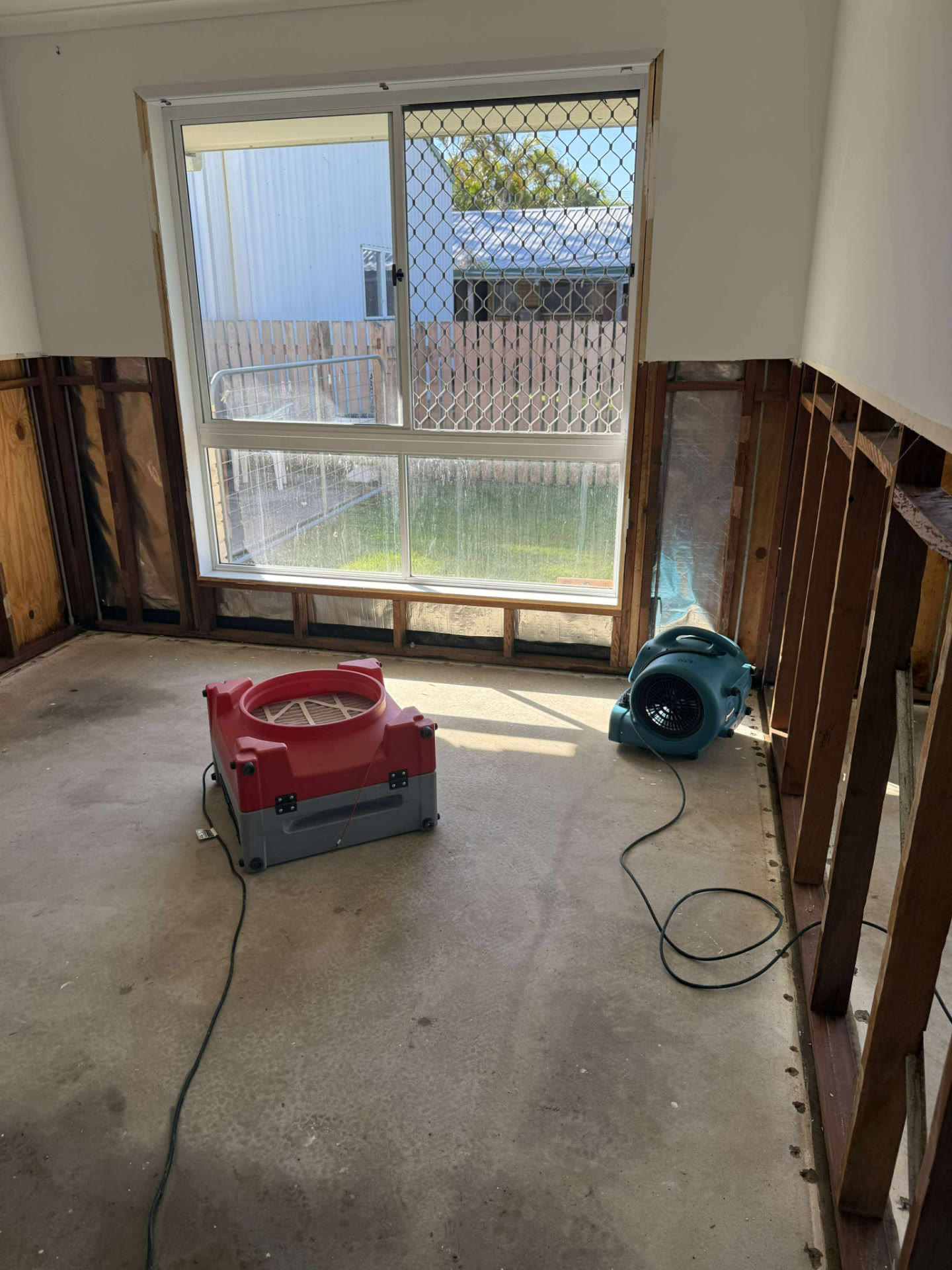
From our recent remediation jobs
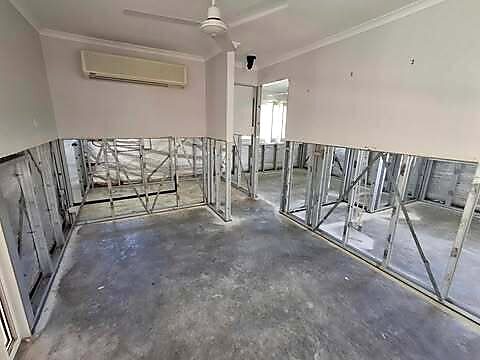
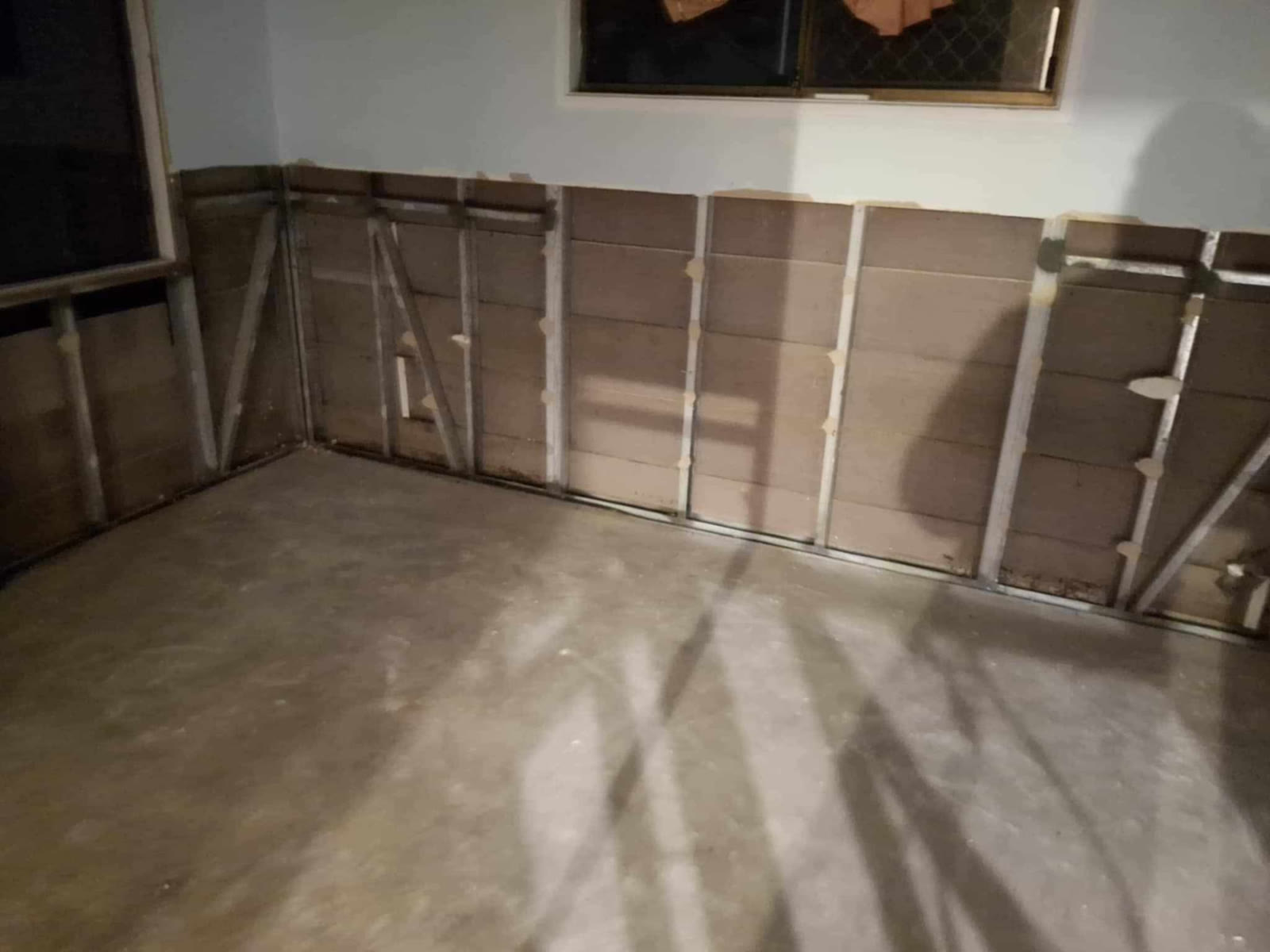
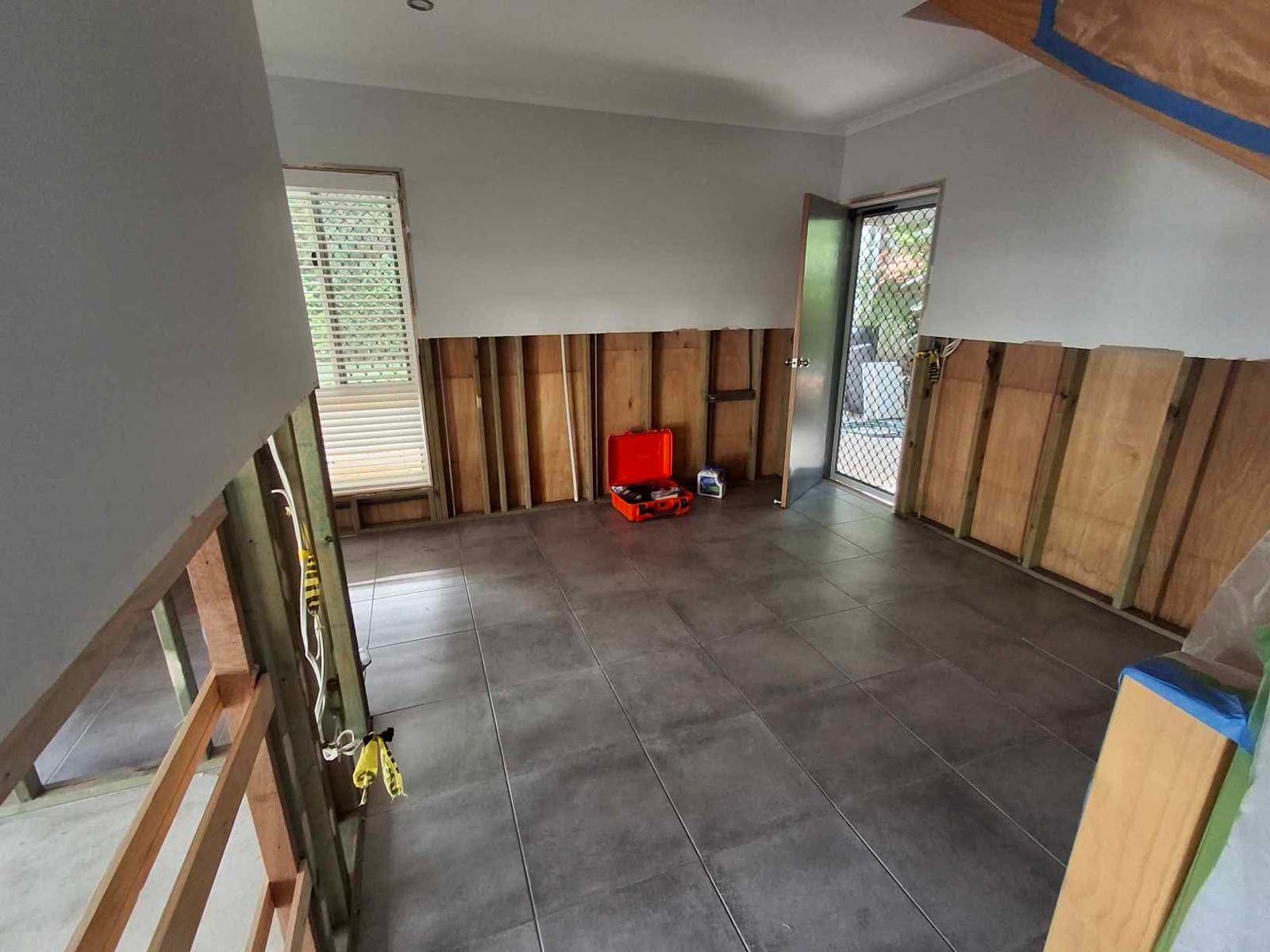
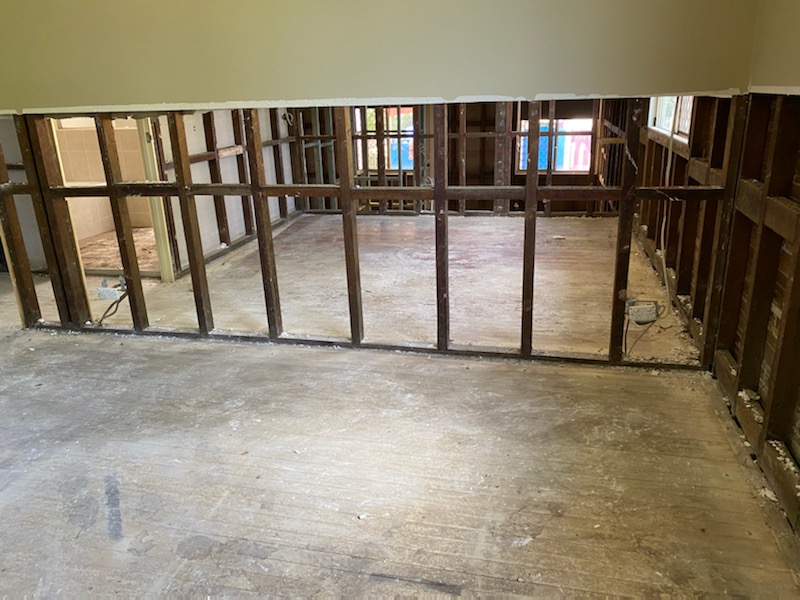
Request a mould inspection or quote
Tell us what you're seeing and upload a few photos. A team member reviews every enquiry and will get back to you.
- Don't scrub, sand or pull off mouldy plasterboard — it spreads spores.
- Take clear photos of the affected areas and upload them with the form.
- Note any recent leaks, storms or plumbing work.
- In a unit or tenancy, let your strata or property manager know if the source could be shared.
Mould removal in Bray Park — FAQs
Why is mould a recurrent issue in Bray Park properties?
Bray Park sits in a low-lying valley basin along the Tweed River, where cool night-time river mists meet daytime heat to create prolonged high humidity. Coupled with significant seasonal rainfall, building materials absorb ambient moisture. If a home lacks adequate subfloor ventilation, ceiling insulation, or mechanical extraction, mould spores can establish on plasterboard, timber framing, and soft furnishings.
How do you assist landlords and strata managers in Bray Park?
For strata managers and rental property owners in Tweed Shire, we provide independent, methodical moisture assessments. We determine whether mould is caused by structural defects, such as rising damp or water ingress, or internal factors like ventilation. We remediate the contamination under containment and issue a documented report detailing the findings, scope of work, and ongoing preventative guidance.
What is your process for restoring water-damaged buildings?
Following water damage from roof leaks, pipe failures, or localised storm flooding, we conduct immediate moisture mapping to identify the boundary of affected materials. We then deploy industrial air movers and desiccant or refrigerant dehumidifiers to dry the structure to dry standards, apply antimicrobial treatments where required, and perform HEPA filtration to safeguard indoor air quality.
Does your service include a detailed post-remediation report?
Yes. Every inspection and remediation project ends with a documented report. This includes photographic evidence, thermal imaging results, baseline and final moisture readings, an outline of root causes, and clear recommendations to help maintain a dry, healthy indoor environment.

Book Your Bray Park Mould Inspection
A professional inspection and a clear remediation plan from our Tweed and Gold Coast team.
Photo: Aliceinthealice, CC0