

Local mould remediation · Cedar Vale
Professional Mould Removal Cedar Vale
We provide comprehensive mould remediation, precision moisture investigations, and water damage restoration across Cedar Vale acreage properties, identifying underlying dampness issues to safeguard your living spaces and indoor air quality.
- QBCC Licence 15082064
- IICRC industry methods
- Homes, units & commercial
- Documented report every job
Photo: Kerry Raymond, CC BY 4.0
Mould Remediation & Moisture Investigations in Cedar Vale
Cedar Vale is defined by expansive rural-residential acreage, with 909 private dwellings housing a population of 2,856 according to the 2021 Census. Dominated by large, standalone brick-and-tile or modern steel-framed homes, properties here often face unique environmental challenges. Shaded blocks, undulating terrain, and seasonal humidity across the Logan region create conditions where condensation can settle in ceiling cavities, ducted air-conditioning systems, and exterior-facing walls, promoting hidden mould growth that can affect indoor air quality.
As an IICRC-certified and QBCC-licensed contractor, The Mould Removers delivers targeted inspections and remediation for acreage homes, local home-based commercial premises, and body corporate managed sites across the district. We use calibrated thermal imaging and moisture meters to track down moisture sources, whether from roof leaks, plumbing failures, or poor subfloor ventilation. Following source correction, we complete physical remediation under containment and provide every client with a comprehensive documented report verifying the structural drying and treatment process.
Book a Mould Inspection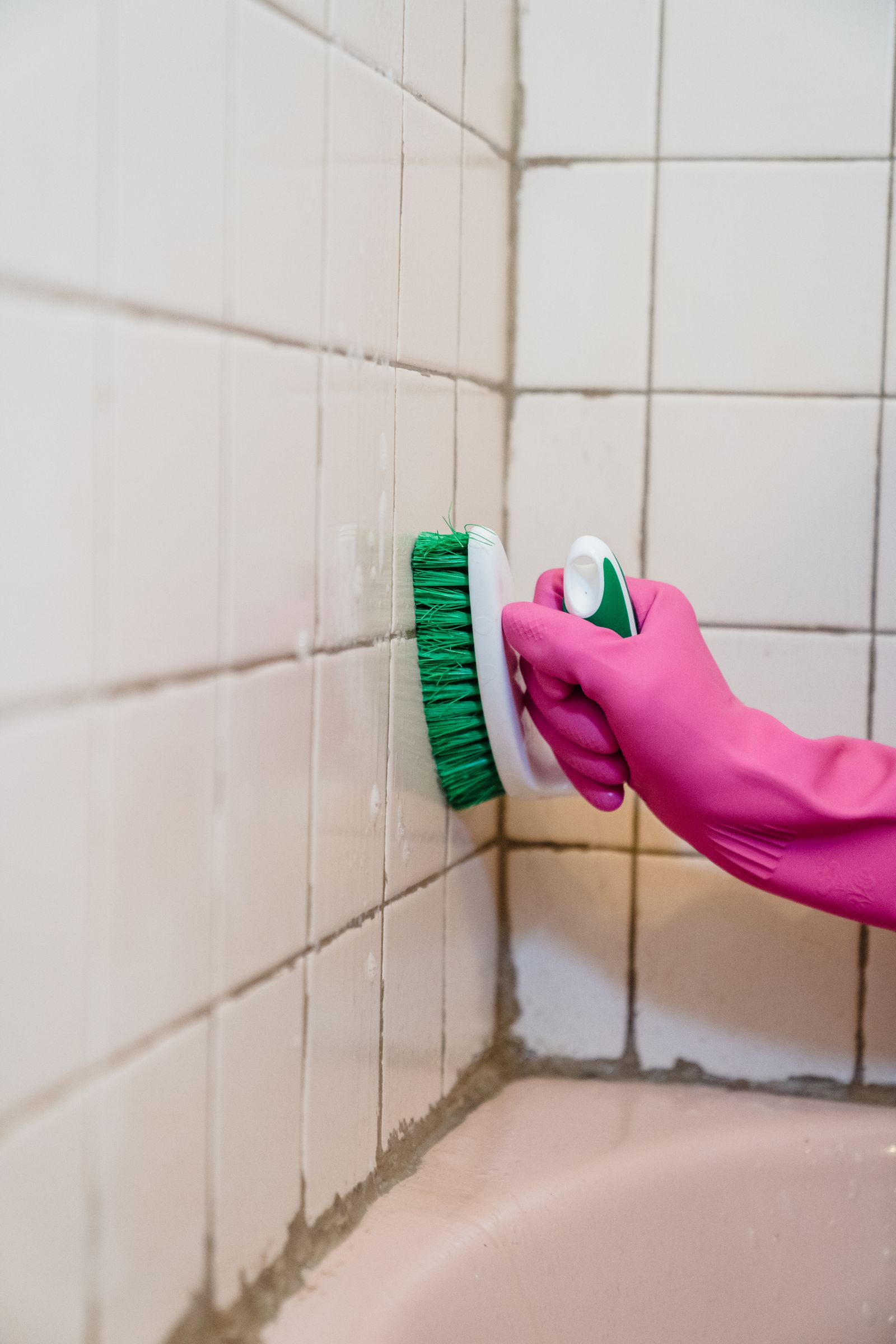
Common signs of mould
- Musty odours circulating through ducted air conditioning vents
- Discolouration on ceilings beneath expansive pitched rooflines
- Surface mould spreading on furniture in shaded master bedrooms
- Visible fungal growth behind skirting boards after severe weather
- Damp, earthy smells trapped within walk-in robes or linen cupboards
- Persistent condensation pooling on window frames during winter
Our Mould Remediation Services in Cedar Vale
 Illustrative image
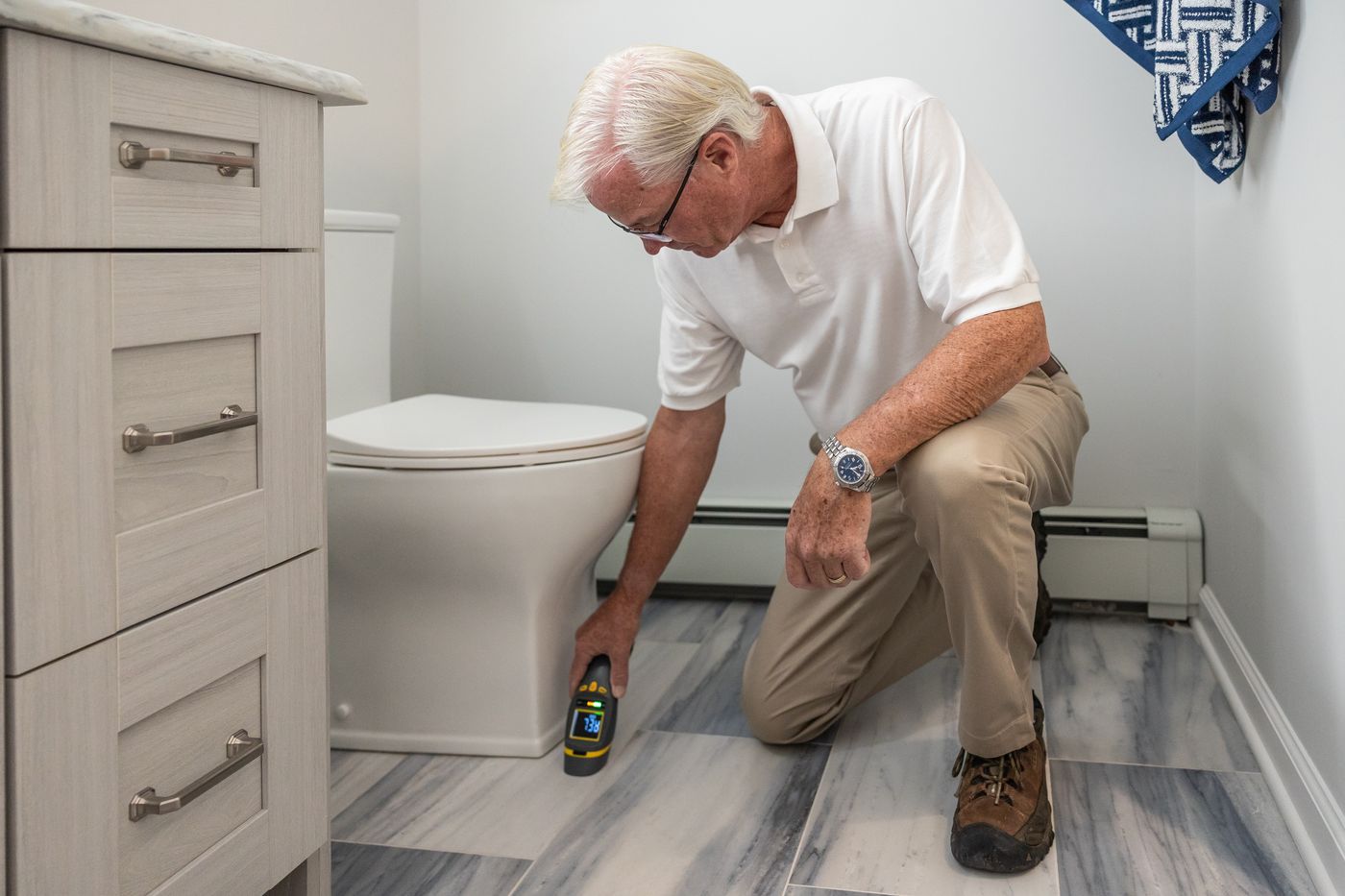
Mould Inspections & Moisture Investigations
Visual assessment, moisture readings and thermal imaging to find the water behind mould in Cedar Vale homes, units and commercial premises. Sampling, where needed, is arranged with an independent hygienist.
Learn more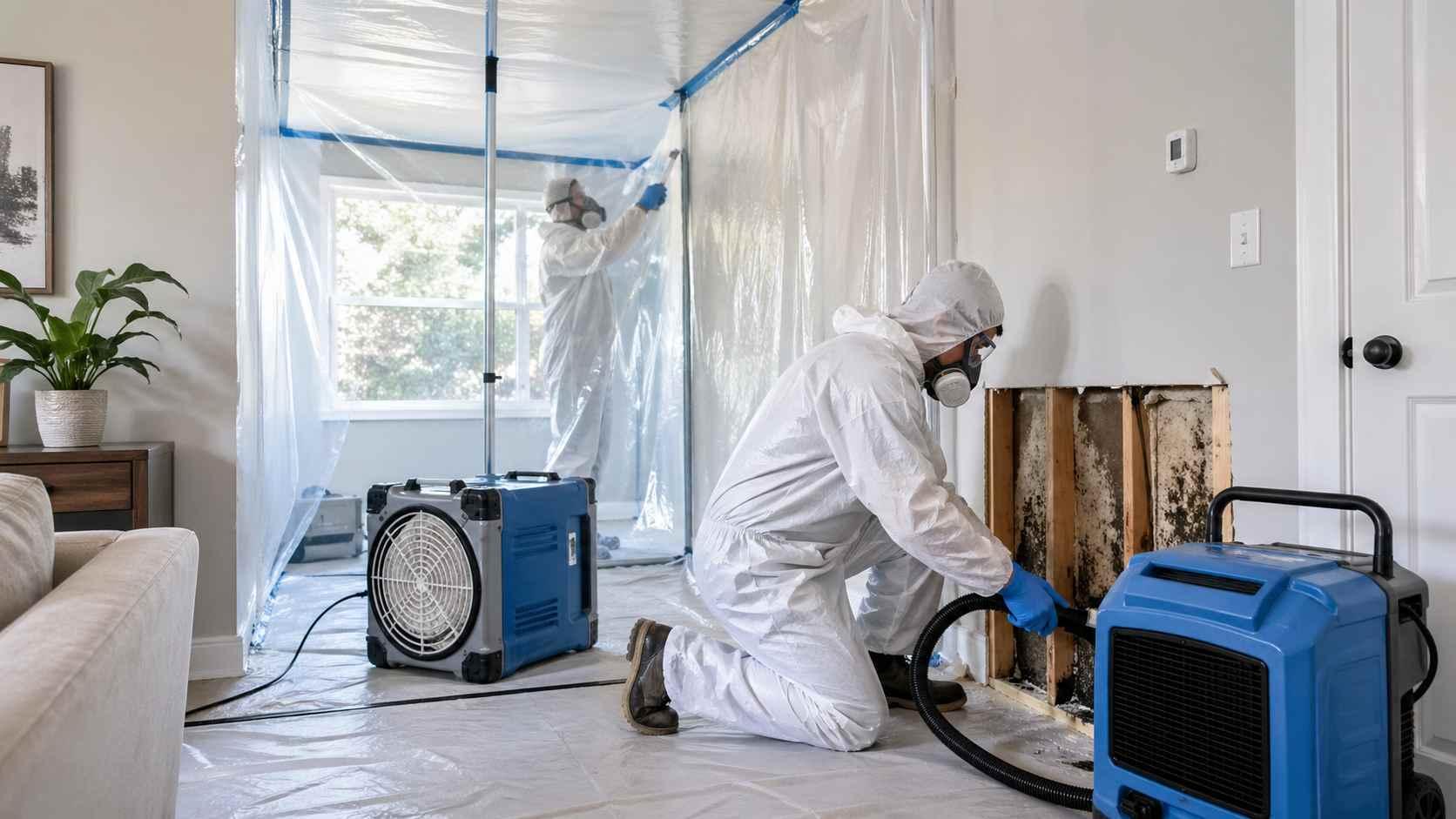 Illustrative image
Residential & Commercial Mould Removal
Controlled removal of mould-affected plasterboard, ceilings, insulation and fittings, planned around occupants, tenants and body corporate requirements.
Learn more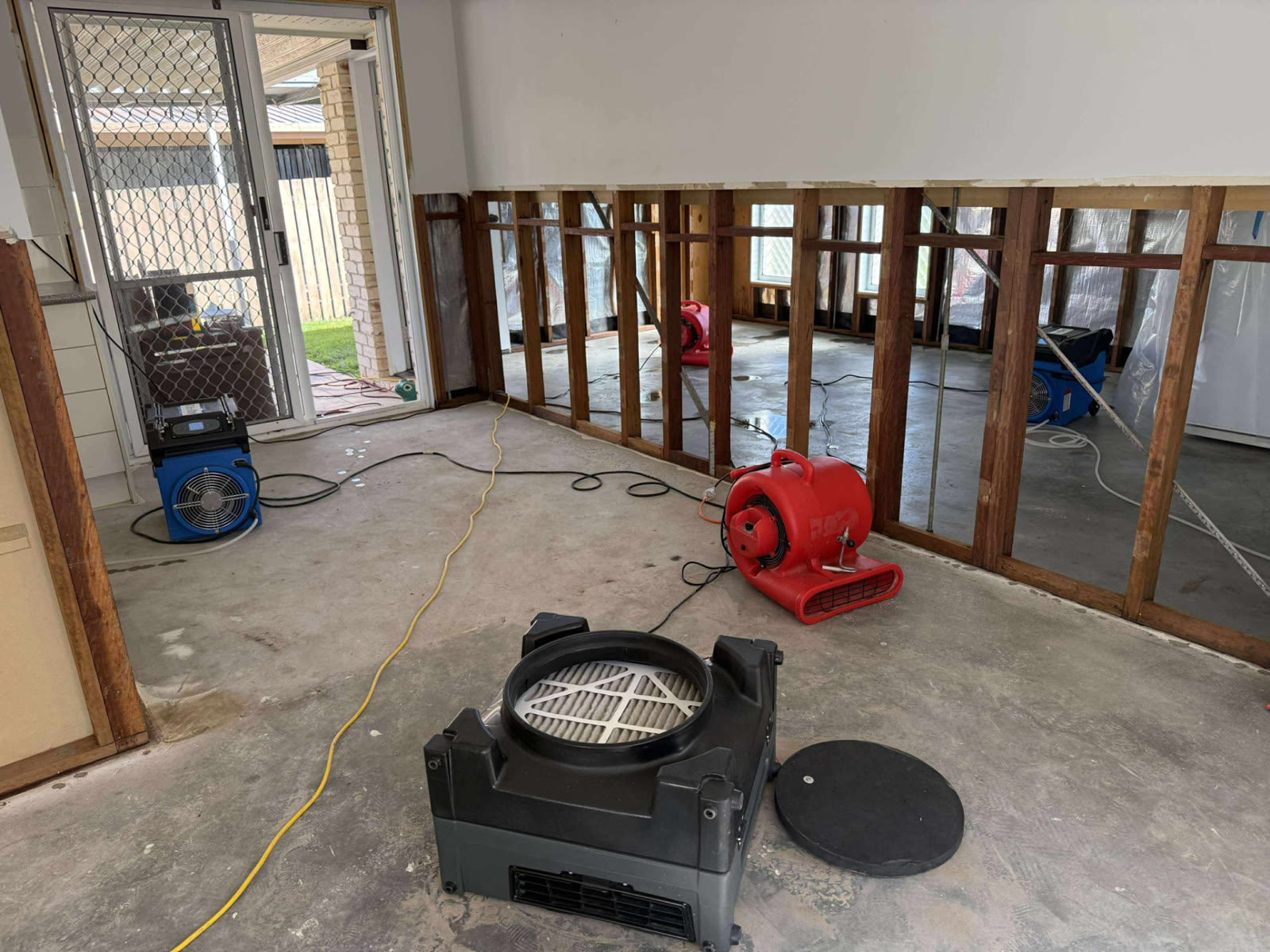
Containment & HEPA Air Filtration
Plastic barriers and HEPA air scrubbers to reduce the spread of spores beyond the work area. The containment plan depends on the property and scope.
Learn more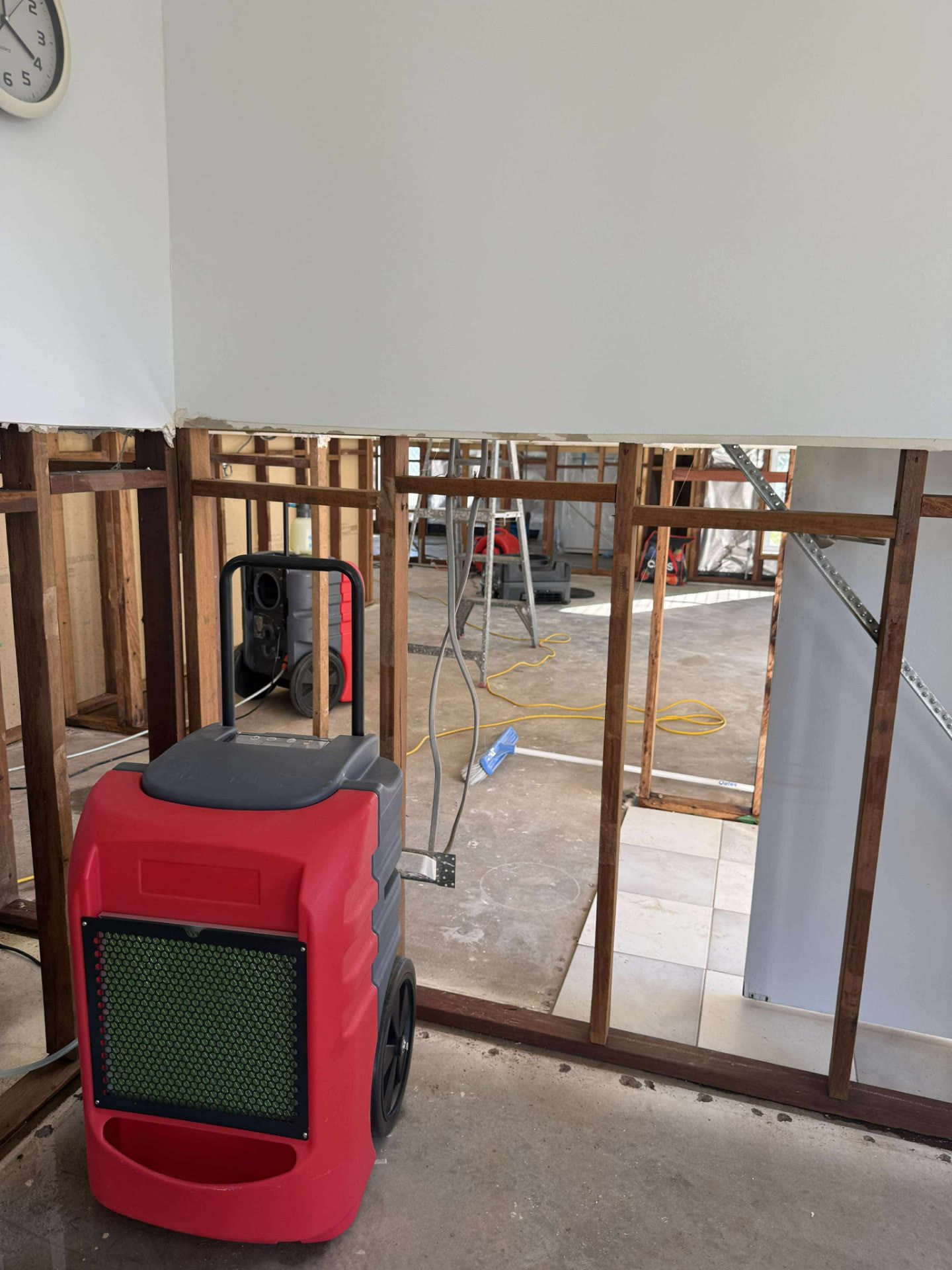
Water Damage & Structural Drying
Water damage restoration in Cedar Vale after roof leaks, plumbing leaks, storms or actual flooding, with structural drying monitored by moisture readings.
Learn moreFor leak-affected framing and ceilings, see our structural drying and moisture monitoring. We also support insurance and commercial remediation projects, with independent hygienist assessments and testing arranged where needed.
How we work
Our Mould Remediation Process
- 1
Inspection & Assessment
We talk through the history, take moisture readings and thermal images, and confirm what's feeding the mould.
- 2
Containment & Air Filtration
Where the scope needs it, we seal the work area and run HEPA air filtration to protect the rest of the property.
- 3
Remediation & Cleaning
Contaminated porous materials are removed and salvageable surfaces are HEPA-vacuumed and cleaned.
- 4
Drying, Verification & Recommendations
Structural drying, final moisture readings and a documented report with photos and advice to stop it returning.
Not every step is needed on every job — we explain the proposed scope before work begins. Independent clearance testing can be arranged where the scope, insurer or a hygienist requires it.
Why Choose The Mould Removers in Cedar Vale?
- Source first. We confirm the moisture source with readings and thermal imaging before we quote removal.
- Professional equipment. HEPA air scrubbers, commercial dehumidifiers, air movers and moisture meters on every job that needs them.
- Clear communication. You'll know the scope, what's being removed and why before work starts.
- Detailed reporting. Every job ends with a documented report — photos, moisture readings and a summary of the work.
- Homes and commercial premises. Houses, units, strata buildings, offices and workshops, including insurance and builder-managed jobs.
 Illustrative image
Addressing Moisture Challenges in Rural Cedar Vale
These are inspection considerations, not a diagnosis of every property. We assess likely contributing conditions on site and explain any limitations or further investigations needed.
Acreage Vegetation Shade
Dense tree canopies and mature bushland reduce airflow and sun penetration, slowing structural drying around home perimeters.
Ducted System Condensation
Large acreage floorplans rely heavily on ducted cooling, which can generate moisture within ductwork during humid Logan summers.
Overland Water Runoff
Undulating land parcels can channel rainwater towards foundations, contributing to elevated subfloor dampness and interior humidity.
Sprawling Roof Cavities
Extensive ceiling spaces are susceptible to condensation buildup, leaf-litter damming, and unnoticed roof plumbing leaks.
Our work
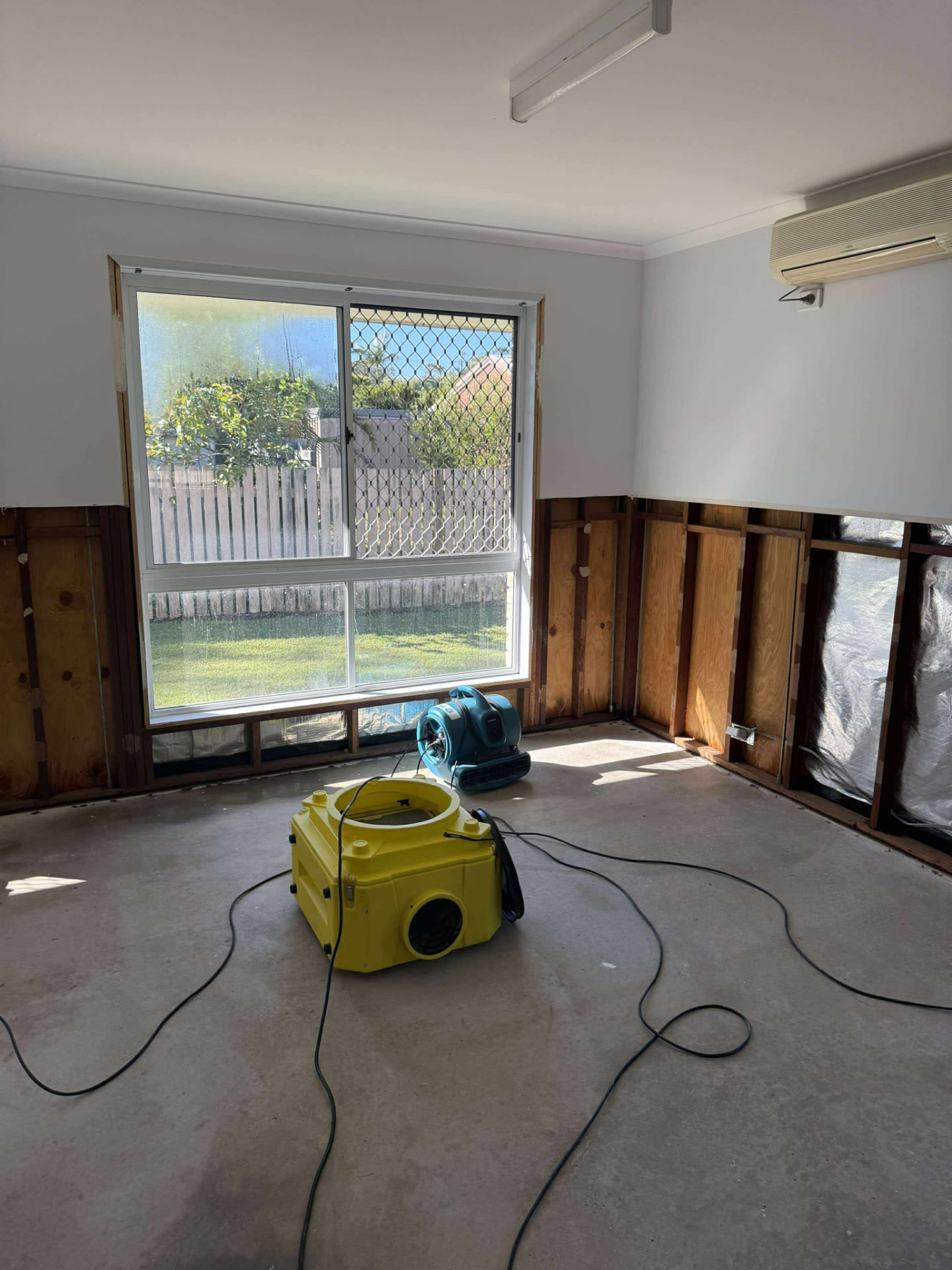
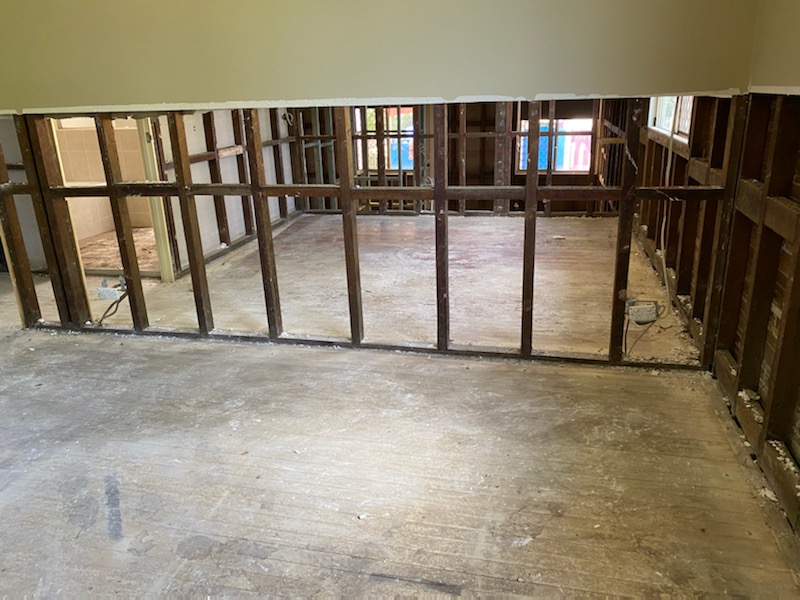
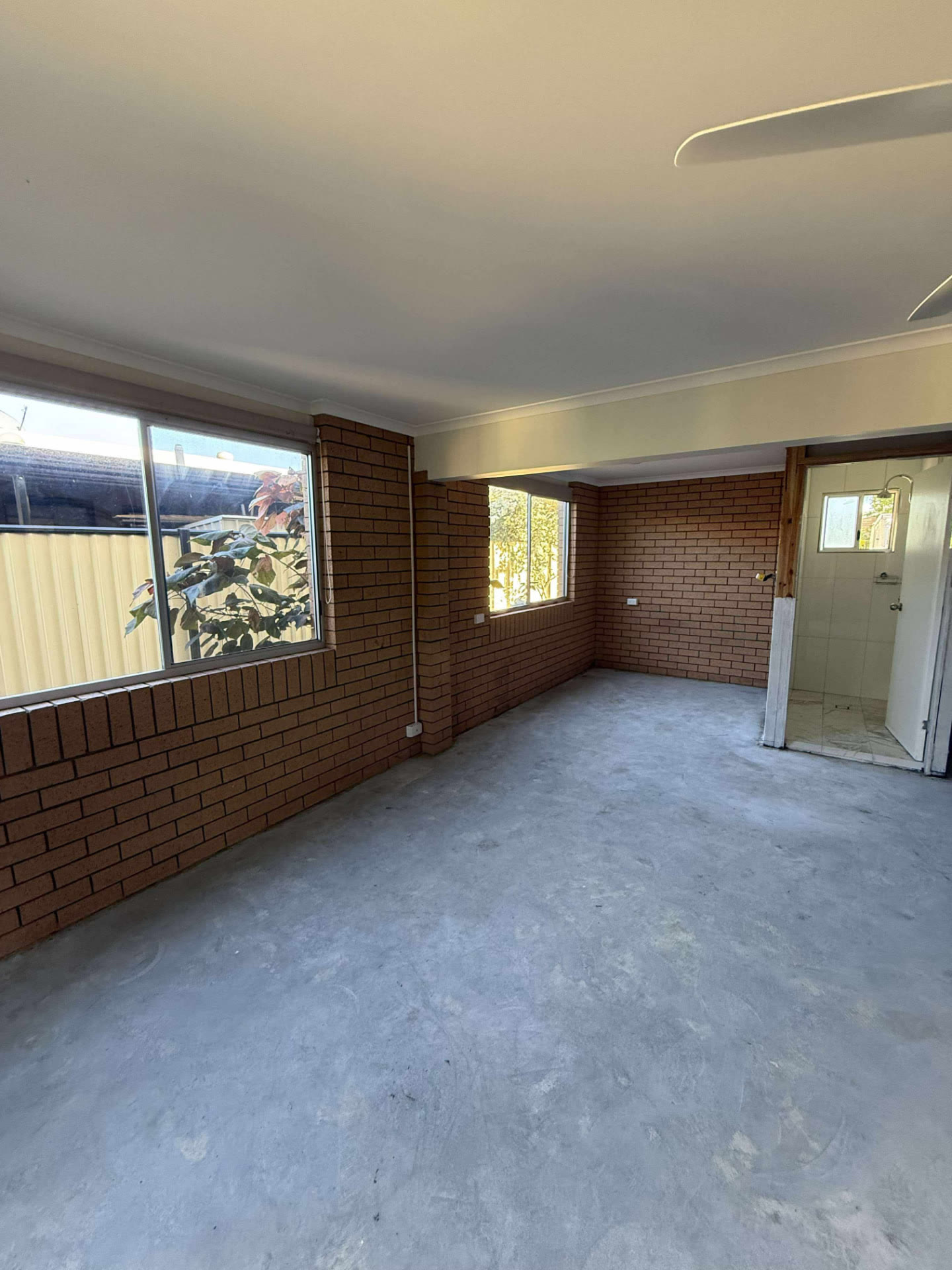
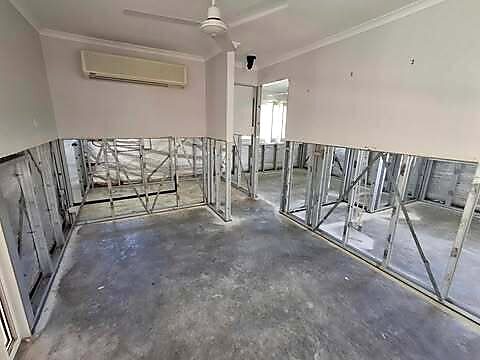
From our recent remediation jobs
Request a mould inspection or quote
Tell us what you're seeing and upload a few photos. A team member reviews every enquiry and will get back to you.
- Don't scrub, sand or pull off mouldy plasterboard — it spreads spores.
- Take clear photos of the affected areas and upload them with the form.
- Note any recent leaks, storms or plumbing work.
- In a unit or tenancy, let your strata or property manager know if the source could be shared.
Mould removal in Cedar Vale — FAQs
Why is mould common in Cedar Vale acreage homes?
Acreage residences in Cedar Vale often feature large floorplans, extensive roof profiles, and surrounding trees that restrict natural sunlight and cross-ventilation. When combined with South East Queensland's humid climate, moisture from condensation, roof compromises, or ducted cooling systems can accumulate in wall and ceiling voids, encouraging mould growth.
How do you handle water damage restoration after a storm or pipe burst?
Our water damage restoration process begins with an immediate moisture assessment using non-invasive thermal sensors and moisture meters to map moisture migration. We extract standing water, deploy industrial dehumidifiers and air movers to thoroughly dry timber framing and gyprock, and remediate any microbial contamination before providing a detailed drying report.
Do you service commercial properties and body corporate schemes in Cedar Vale?
Yes, we provide mould inspection, remediation, and moisture tracking for body corporate facilities, semi-rural commercial sheds, and local business premises. Every commercial or strata project includes documented containment protocols, safe work documentation, and a comprehensive post-remediation report detailing root causes and actions taken.
Does mould colour indicate the severity or type of infestation?
No, mould colour does not indicate the species or relative risk of contamination. Any indoor mould amplification can affect indoor air quality regardless of whether it appears black, green, or white, which is why we focus on proper source identification, safe physical removal, and moisture control.
What do we get when the job is finished?
Every job ends with a documented report — photos, moisture readings and a summary of the work. Independent post-remediation verification can be arranged where the scope, insurer or a hygienist requires it.

Restore Clean Air to Your Cedar Vale Home
A professional inspection and a clear remediation plan from our Logan and Brisbane team.
Photo: John Robert McPherson, CC BY-SA 4.0